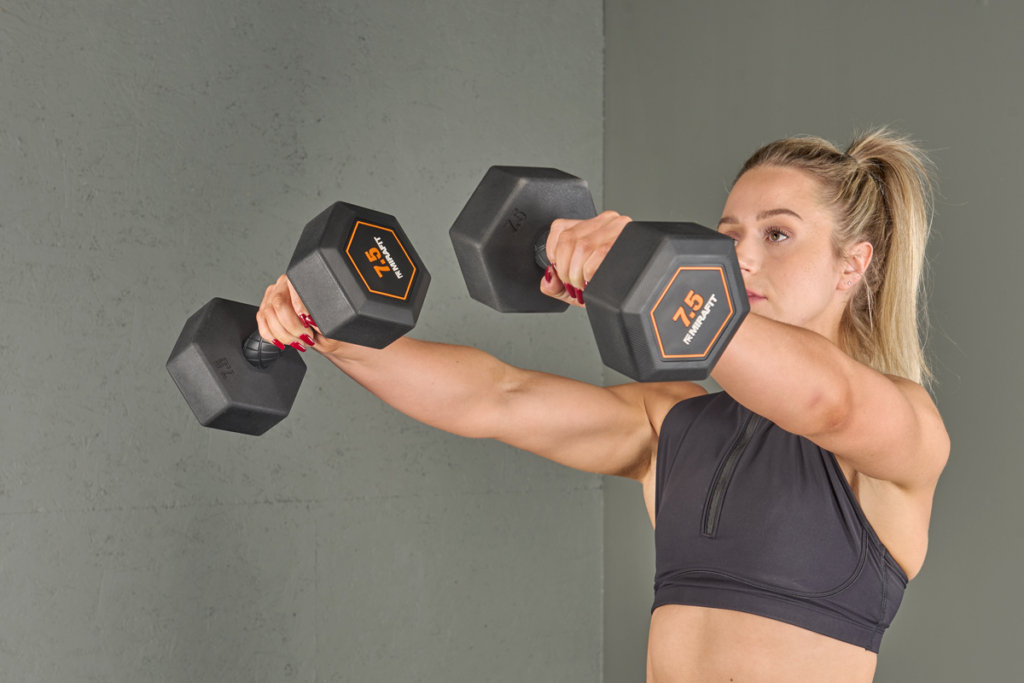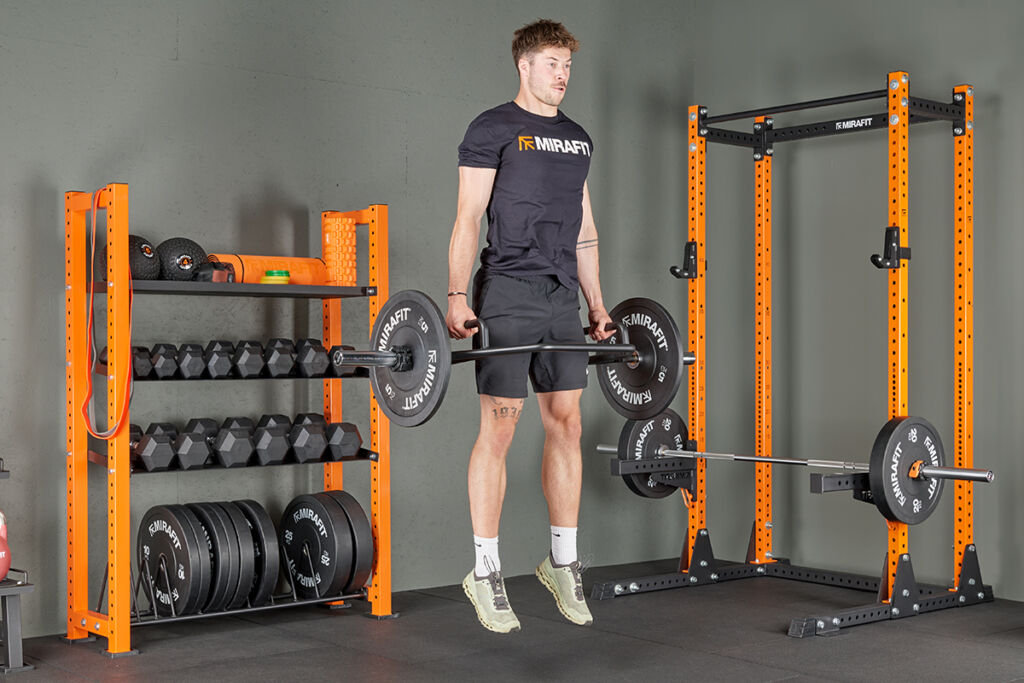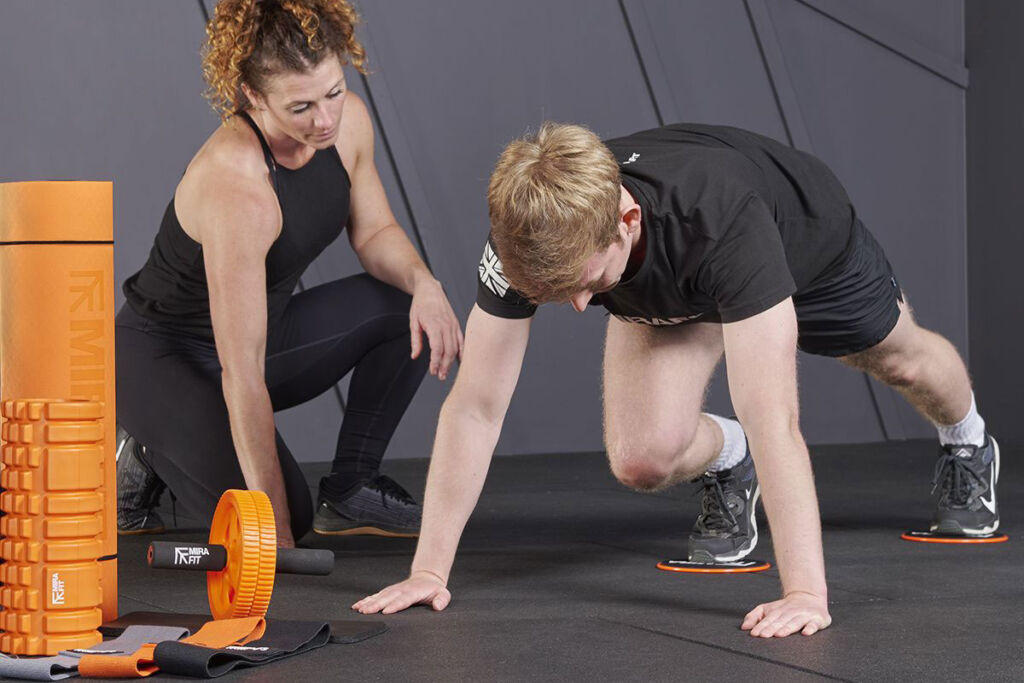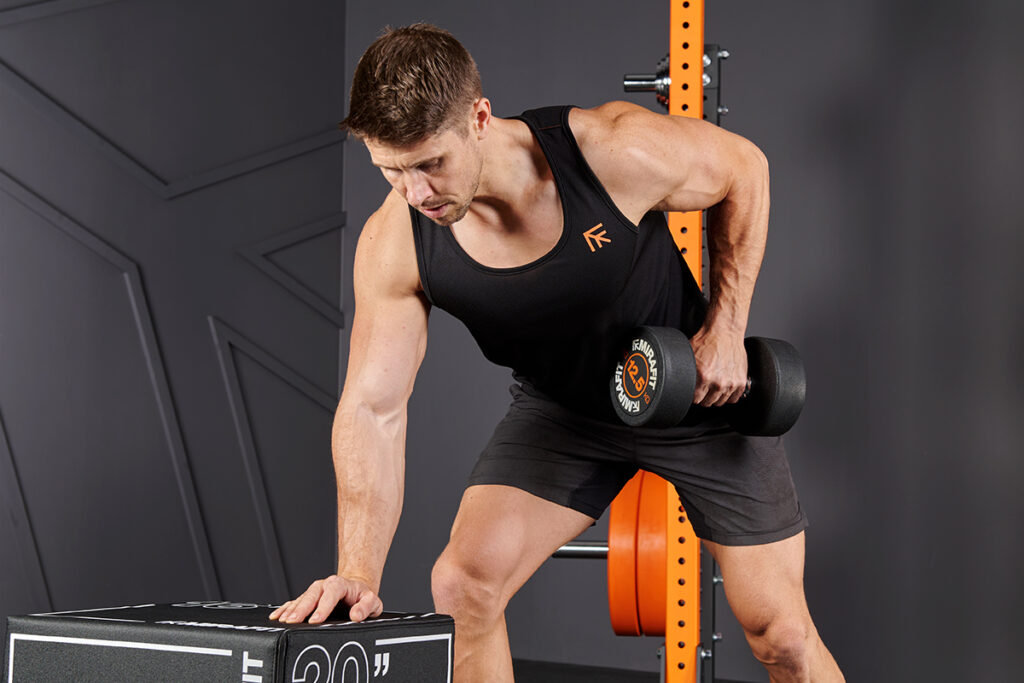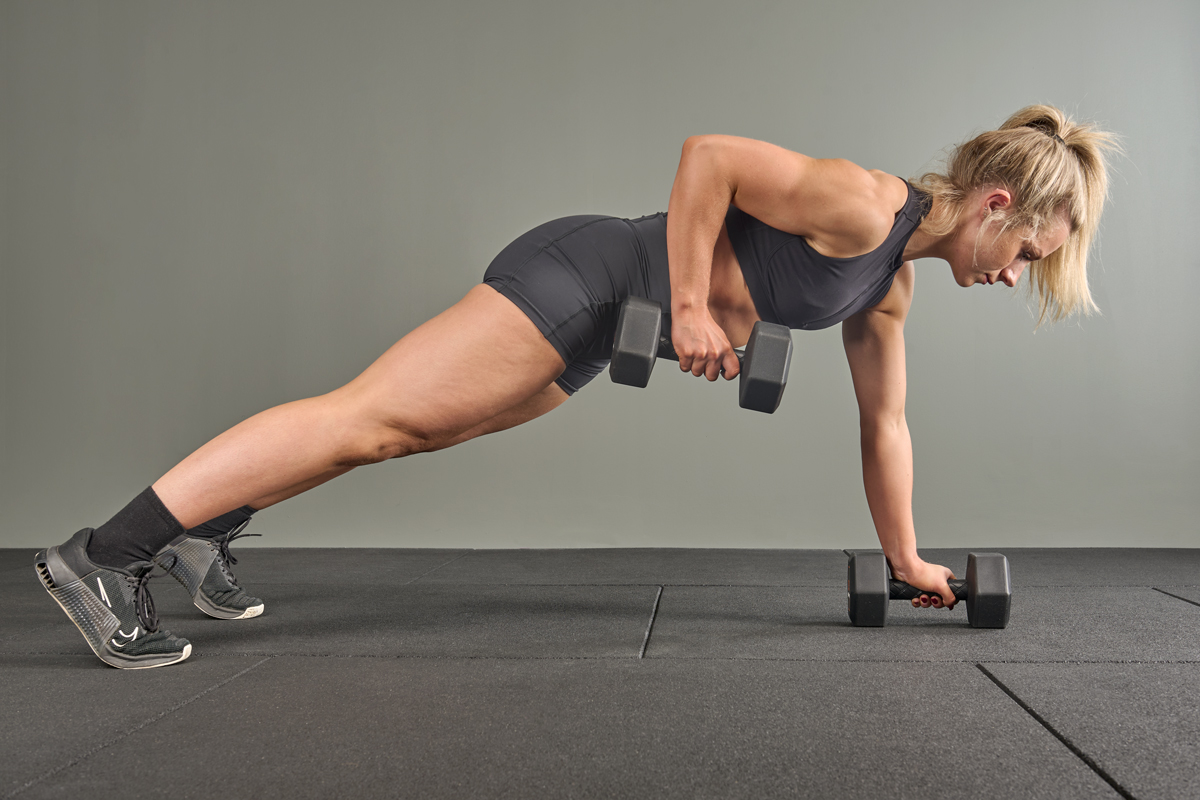
Isometric training is a technique incorporated into an exercise routine (typically for those strength training or rehabilitating injuries), in which instead of lengthening and shortening the muscle through movement and repetitions, the muscle is activated to a fixed position and resistance maintained for a period.
What are the Benefits of Isometric Training?
• Increases in maximal strength with little to no impact on the joints, allowing the muscle to generate considerably more force.
• Builds joint stability and function by strengthening the tissues the joints rely on for function.
• Enhances muscular endurance due to the sustained period of muscle contraction, increasing fatigue resistance.
• Supports injury rehabilitation by allowing activation of muscle fibres regular training recommences.
• Improves tendon strength and resilience when programmed correctly, by providing a controlled load.
• Minimal recovery demand due to reduced loading/unloading cycles on the muscle tissue, tendons, and joints.
What are Overcoming Isometrics?
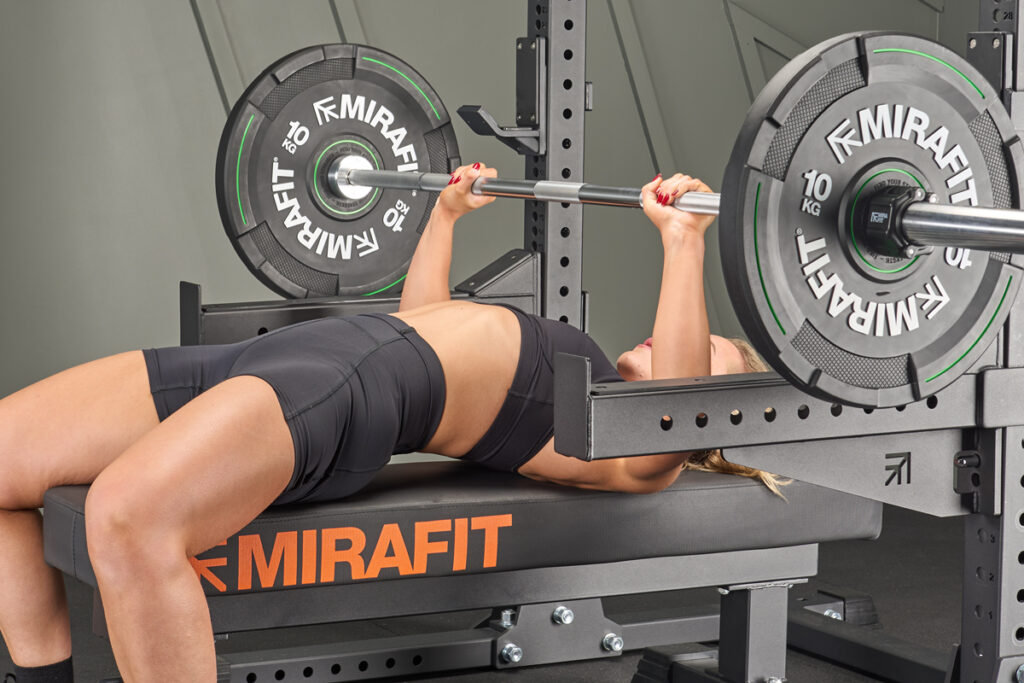
Pushing or pulling against an immovable object, also known as overcoming isometrics, is a training method designed to create tension in the muscles, without visible movement for between 3 and 10 seconds a rep. Their purpose is to improve maximal strength, increase joint stability, train your mind-muscle connection, and improve force production at specific angles of the joint. They can help fix sticking points and enhance performance of the muscle, while keeping muscle soreness and recovery requirements to a minimum.
What are Examples of Isometric Push Exercises?
• Isometric Barbell overhead press hold.
• Isometric push-up hold.
• Isometric wall push.
• Isometric bench press hold.
• Isometric leg press.
What are Examples of Isometric Pull Exercises?
• Isometric bent-over row.
• Isometric pull-up hold.
• Isometrics on the Seated Row Machine.
• Isometric hamstring curl.
• Isometric deadlift hold.
What are Yielding Isometrics?
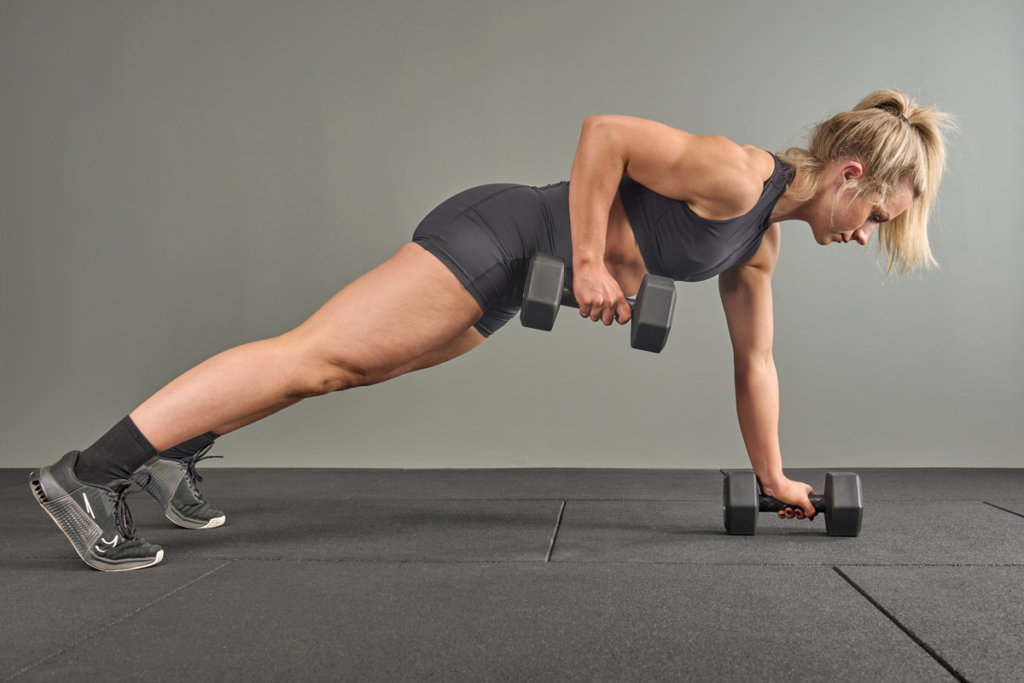
Yielding isometrics increase maximal force production, improve postural control, enhance quality of movement, reinforce joint stability, and build tendon resistance. It too aims to generate large muscle force and tension, without moving through the joints range of motion. The key difference between yielding and overcoming is that with yielding, you are trying to prevent the weight or object you are holding from moving, keeping it in the same spot for a set period (often ranging from 10-45s). This in turn increases muscular endurance and fatigue resistance through time under tension.
What are Examples of Weighted Yielding Isometrics?
• Wall sit.
• Weighted leg extension hold.
• Farmers carry hold using Farmers Handles.
• Bicep curl hold.
• Barbell row hold.
What are Examples of Unweighted Yielding Isometrics?
• Plank hold.
• Press-up hold.
• Ab crunch hold.
• Split squat hold.
• Superman hold.
Strength training is not always about moving weight through a range of motion. Effective gains can also be had by incorporating yielding or overcoming isometric exercises to stimulate muscle development, increase joint stability, enhance fatigue resistance, build mind-muscle connection, and break through plateaus. That is not all they are good for, though. If you have an injury or want to strengthen your tendons, they present an excellent tool for precisely this. They are also an incredibly fun strength challenge, so why not try them?
For more content, follow us on Instagram, YouTube, TikTok, and on our official Mirafit Facebook page.
Tags: Exercise Type > Strength