

6 min read

Checkout using your account
Checkout as a new customer
Creating an account has many benefits:
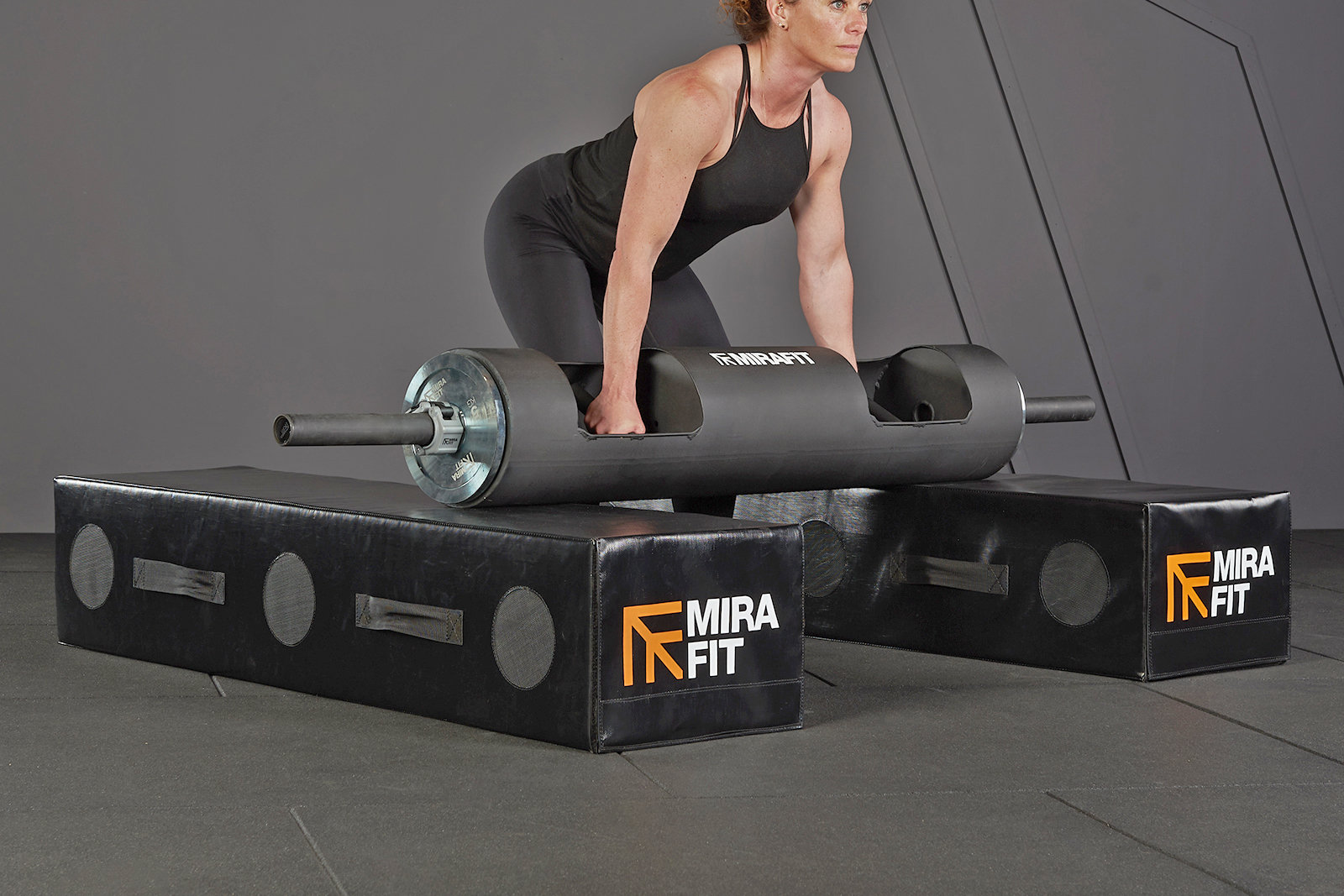
Ideal for use when performing overhead Olympic lifts, drop pads are a great accessories for any serious weightlifter. They will protect floors and deaden noise. When lifting heavy weights in your home gym, there is often the matter of dropping the bar afterwards. When this happens, it can cause a loud noise and vibrations. If you lift late at night this could be very disruptive to whoever shares your house or even your neighbours.
Ideal for use when performing overhead Olympic lifts, drop pads are a great accessories for any serious weightlifter. They will protect floors and deaden noise.
When lifting heavy weights in your home gym, there is often the matter of dropping the bar afterwards. When this happens, it can cause a loud noise and vibrations. If you lift late at night this could be very disruptive to whoever shares your house or even your neighbours.
The addition of a pair of high-density foam crash pads will help to absorb the noise and reduce the possibility of causing disruption to others.
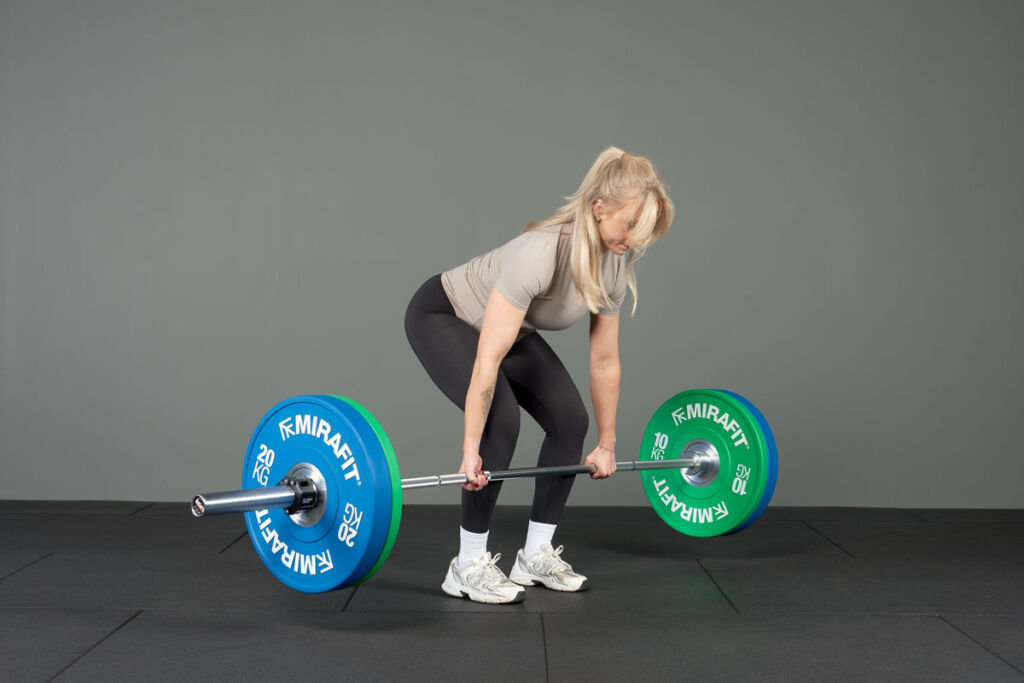
Even when using bumper plates, which are designed to have more bounce when dropped, the addition of cushions to drop them on to is highly recommended. This will not only protect your gym flooring but also protect the plates from damage.
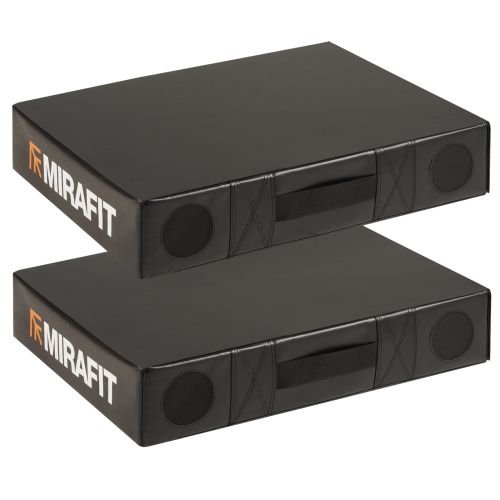
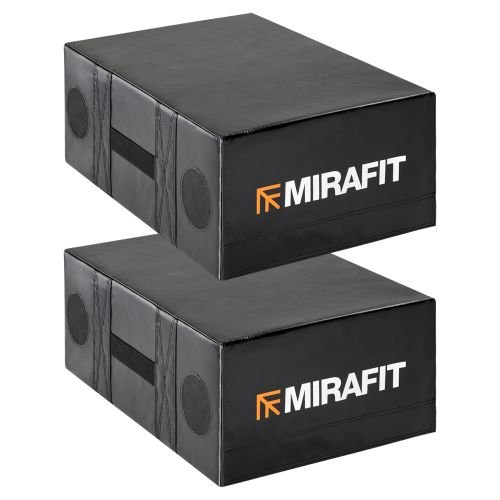
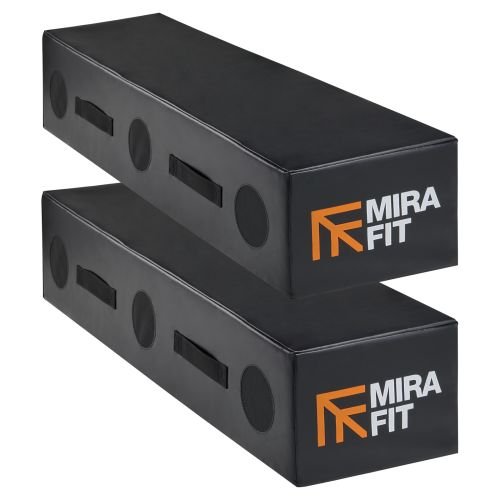
By using weightlifting drop pads, you will help increase the longevity of your weight plates and prevent damage to flooring. Sold in pairs, so that a crash cushion can be placed under each side of the barbell, they will reduce noise in your garage gym.
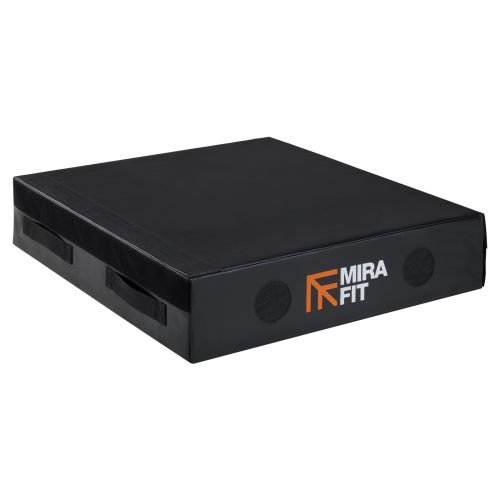
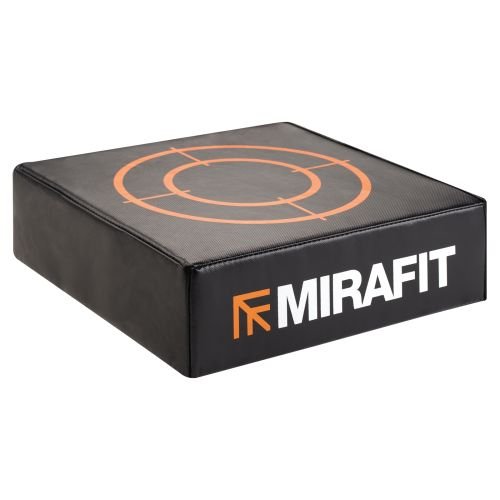
The pads are square boxes of foam, capable of maintaining their shape even under heavy weight. They are also useful for exercises other than Olympic weightlifting, and are often used in axel or log presses in order to protect flooring and bars from damage.
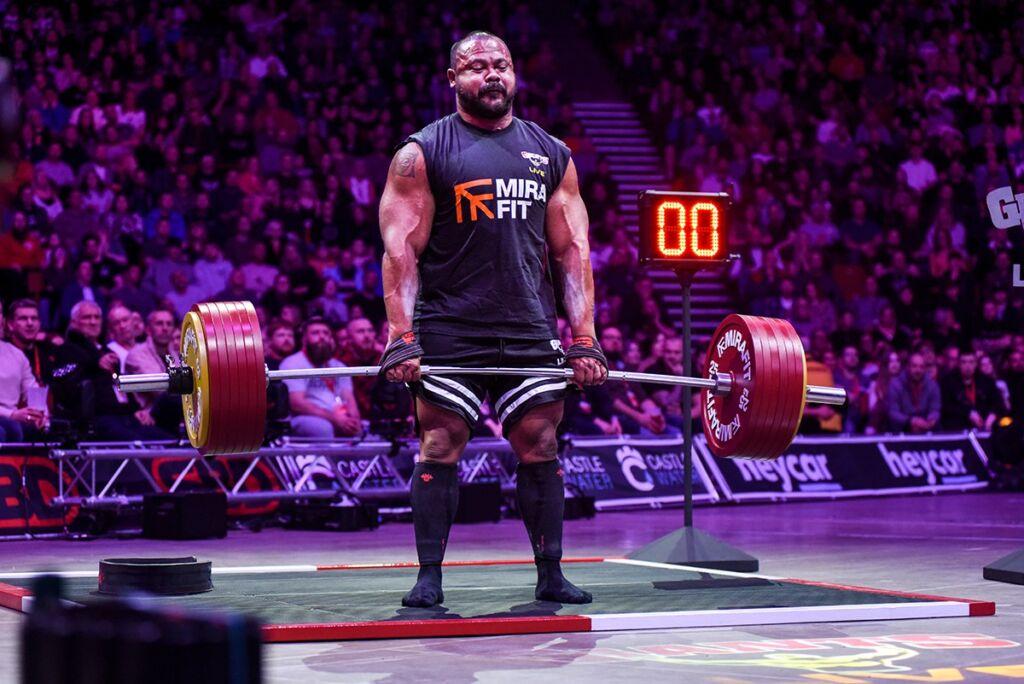
Weightlifting drop pads are designed to absorb impact when lowering or dropping weights. They help reduce noise, limit vibrations travelling through floors, and protect both gym equipment and flooring. They are commonly used for Olympic lifts, deadlifts, overhead presses and strongman exercises.
Yes. Drop pads can significantly reduce the noise and vibration created when barbells hit the floor. They are especially useful in garage gyms, flats and shared living spaces where noise transfer is a concern. Users commonly buy them to make home lifting more neighbour-friendly.
Drop pads reduce vibration transfer but cannot eliminate it entirely. The amount reduced depends on the lifting surface, the weight used and whether additional flooring such as rubber gym mats is also used.
For anyone regularly deadlifting, Olympic lifting or dropping weights at home, drop pads can help protect flooring, reduce impact and create a quieter training environment.
Yes. Drop pads are commonly used for deadlifts and block pulls. Because they elevate the barbell from the floor, some users pair them with a lifting platform or additional blocks to maintain their preferred lifting height.
Yes, our drop pads are designed for overhead lifts such as cleans, jerks and snatches.
Drop pads can be used for deadlifts, cleans and snatches, push press and jerks, barbell rows, strongman log lifting, block pulls and hip thrusts.
Our thick drop pads provide greater impact absorption and are often preferred for strongman exercises, heavier lifts and repeated overhead drops.
Gym mats help protect flooring, but drop pads are designed specifically for repeated impact from weights. Their denser foam construction absorbs more force and can reduce bounce and vibration more effectively.
Drop pads help reduce impact stress on floors and equipment. They are commonly used on concrete, garage flooring and lifting platforms to minimise wear and damage.
Mirafit drop pads are designed to absorb force while limiting excessive bounce. The amount of movement can vary depending on the weight being dropped and the pad thickness.
Many home gym users use drop pads in flats or upstairs rooms to reduce transferred noise and vibration, although complete soundproofing is not possible.
Rubber flooring protects the floor surface, while drop pads add impact absorption and vibration reduction. Combining both often provides the best setup for home gyms.
Consider the exercises you perform, the amount of weight used, floor space and your noise reduction requirements.