5 min read

Checkout using your account
Checkout as a new customer
Creating an account has many benefits:
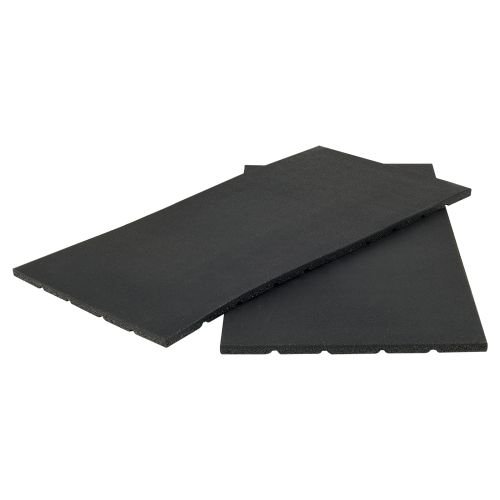
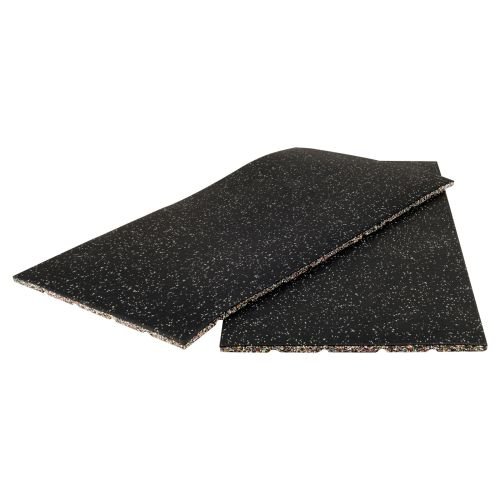
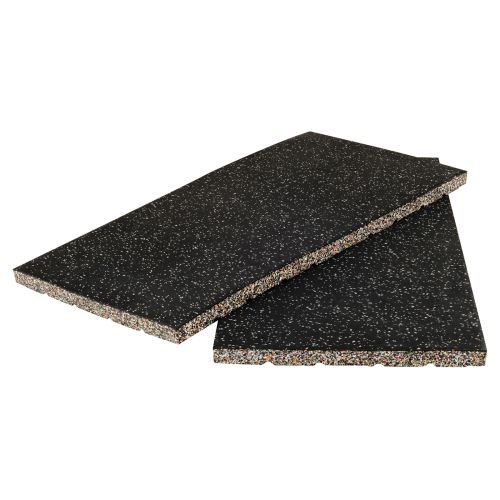
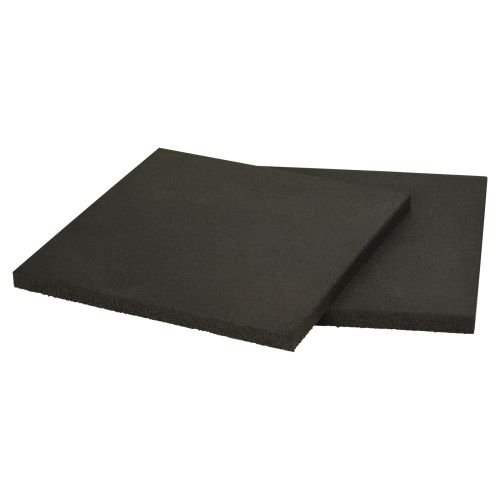
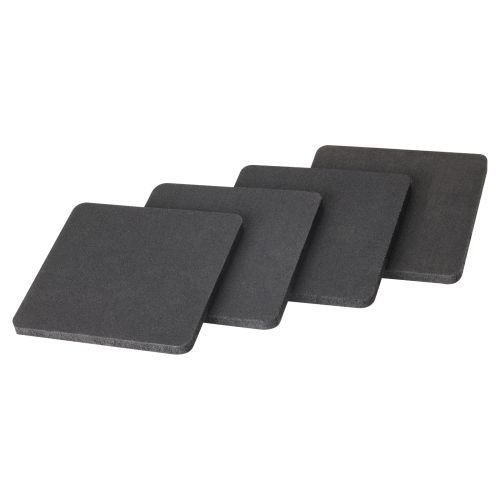
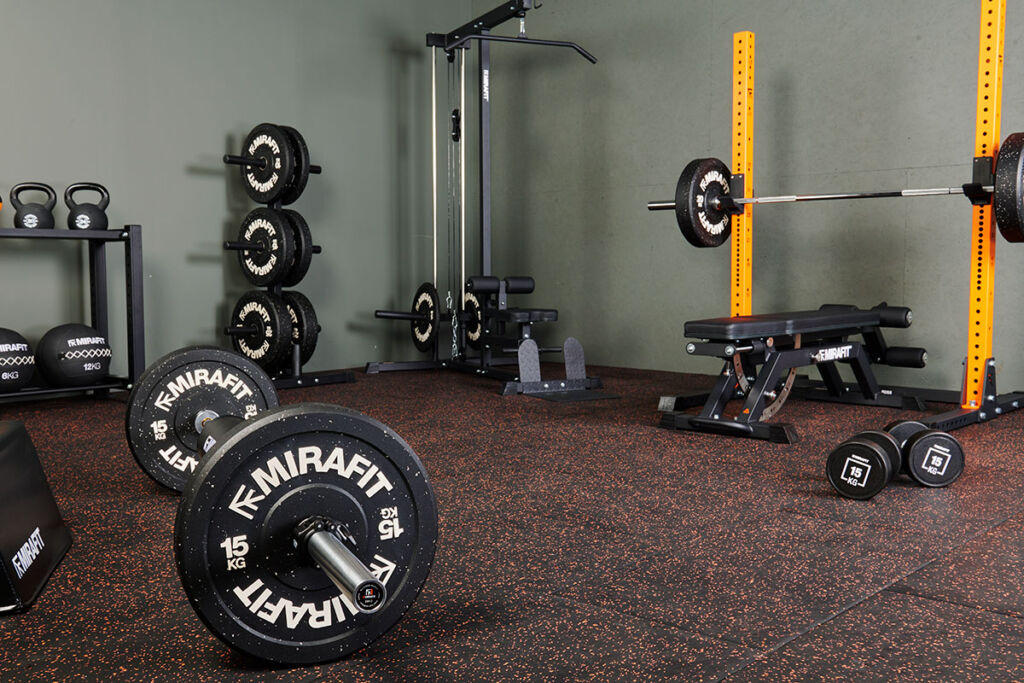
Our selection of rubber gym floor mats are ideal for helping you protect your gym flooring from marks, dents and damage. When training heavy, you need equipment you can rely on which is why our Floor Mats are shock absorbent and built to last. Ideal for weightlifting or when doing compound lifts such as deadlifts, our mats will not only protect your floors, but they will also help protect your bars and weight plates from damage over time.
Our selection of rubber gym floor mats are ideal for helping your protect your gym flooring from marks, dents and damage. When training heavy, you need equipment you can rely on which is why our Floor Mats are shock absorbent and built to last. Ideal for weightlifting or when doing compound lifts such as deadlifts, our mats will not only protect your floors, but they will also help protect your bars and weight plates from damage over time.
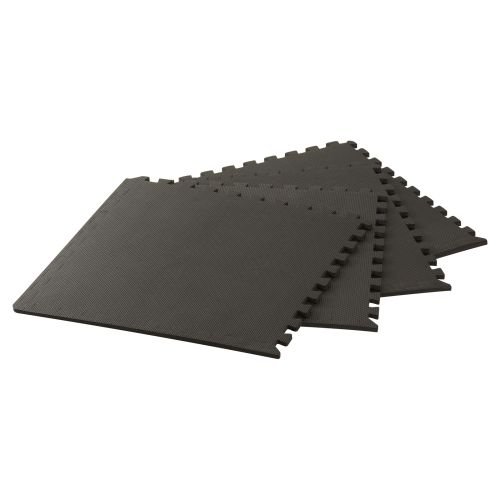
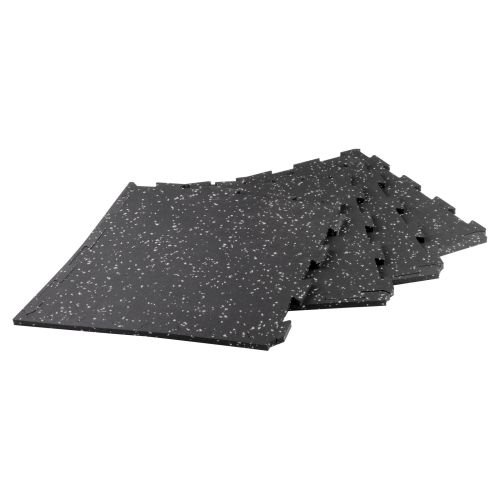
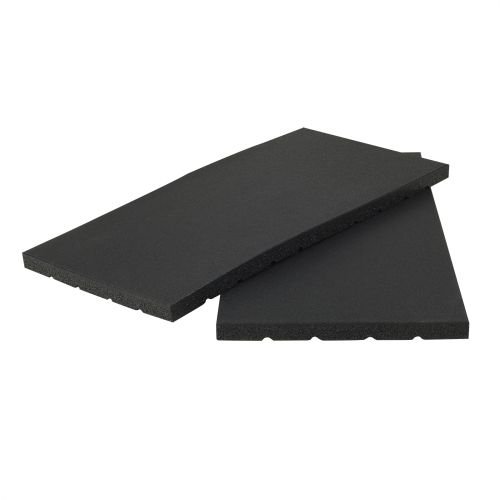
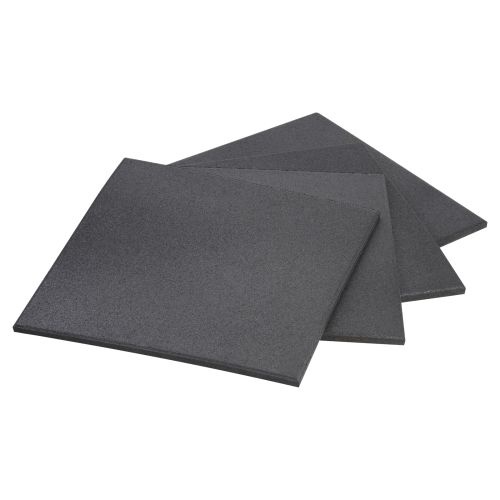
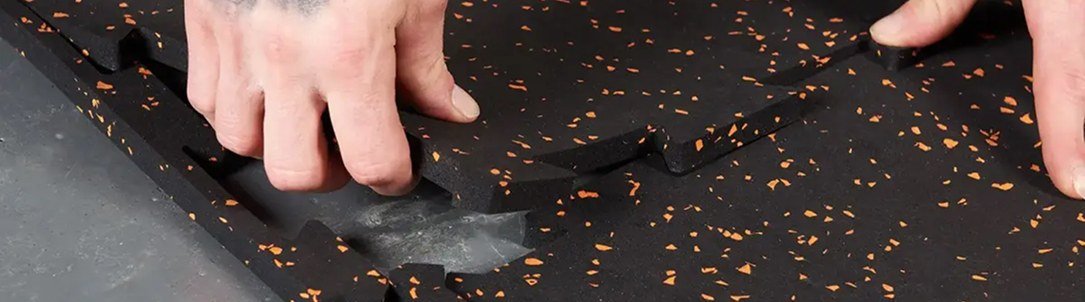
If you are planning to lay flooring for a whole room, such as a garage, then you need to start by measuring the room dimensions. Once you know how many square metres you need you can start to think about the type of matting you require. Interlocking mats have a series of teeth around the edge that fit together to quickly create a large seamless area, whereas standard rubber mats lay edge to edge in a brick weave pattern and are available as either 20mm or 40mm thick. If you are looking to accommodate high impact drops, such as from above waist height, then you must use 40mm mats. All mats can be easily cut to size.
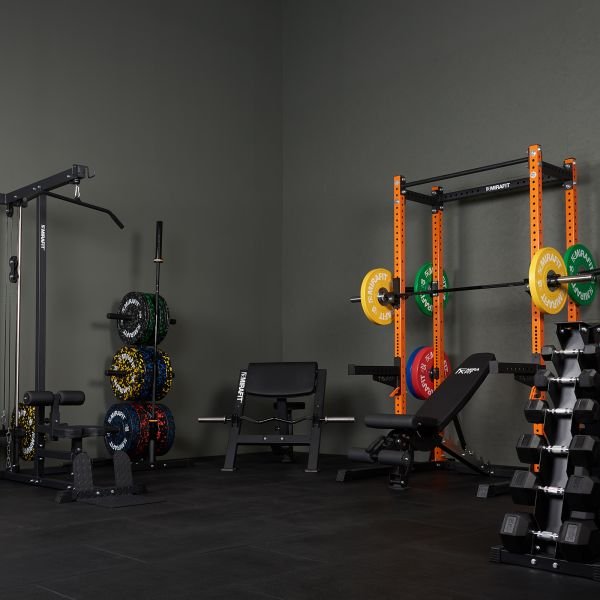
Create your own bespoke workout area and get a strong grip while doing bodyweight exercises such as handstands and burpees. By fitting out your gym with our purpose made floor mats, you are also helping to reduce damage to underlying flooring from vibrations made while using your gym equipment, as well as protecting against marks and scratches from high impact training sessions.
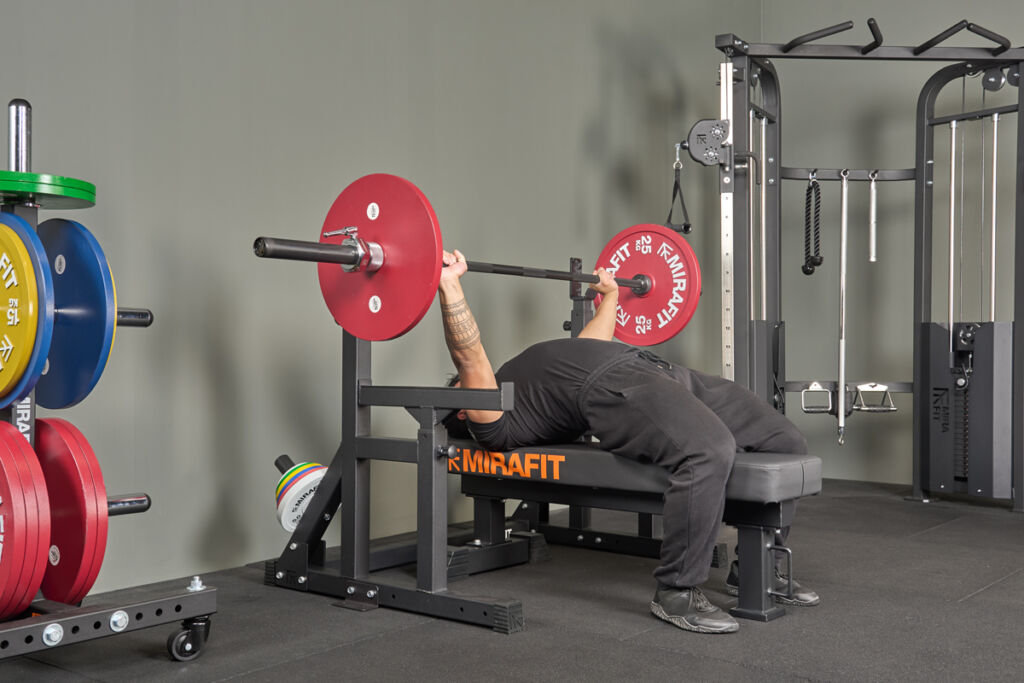
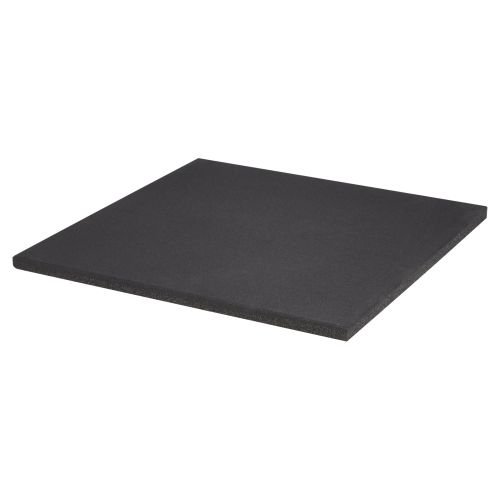
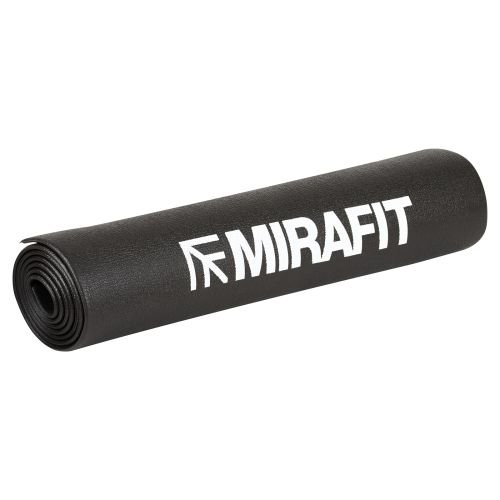
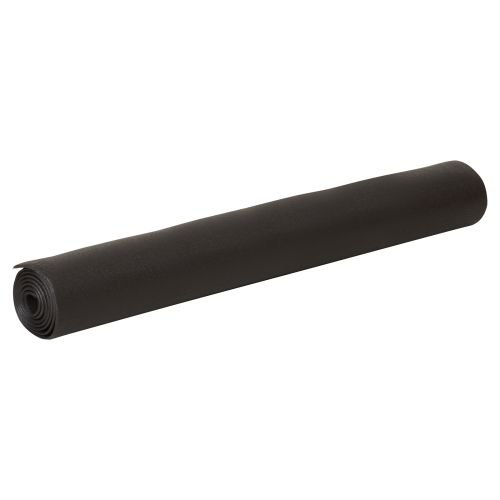
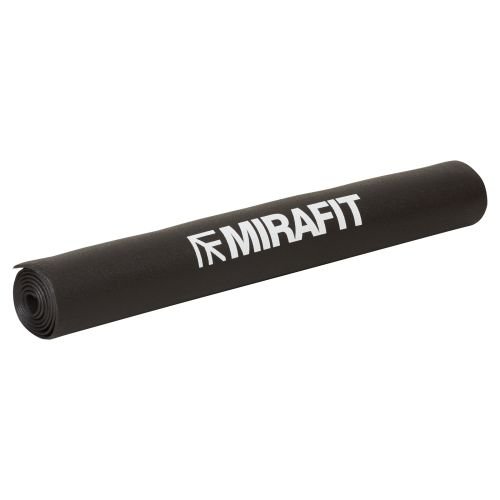
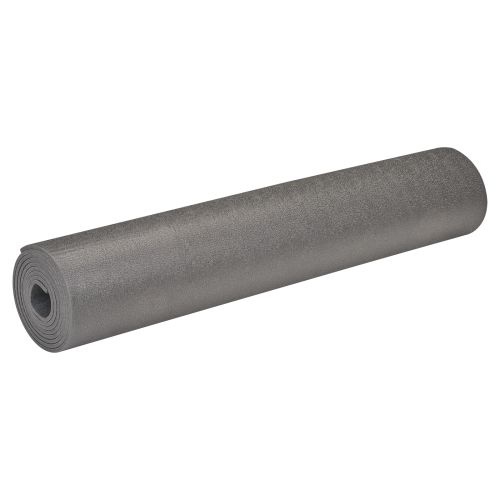
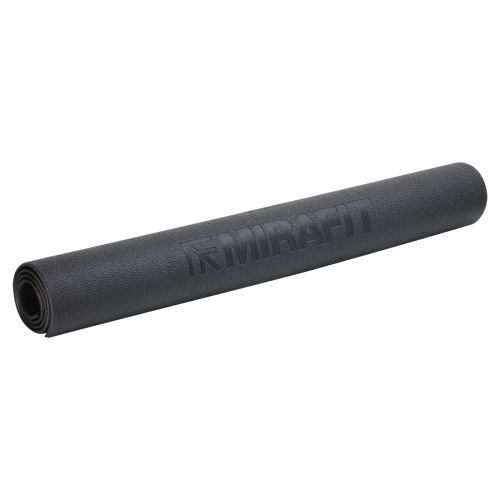
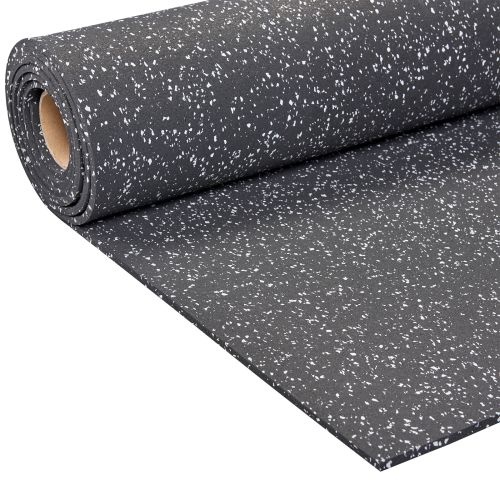
If you are not looking to fit an entire floor, our stand-alone gym equipment mats come in a range of sizes and are available with or without the Mirafit logo. Line them up under your power cage or squat rack, or simply place one under each piece of gym equipment. Great for placing under your weight bench, they're also ideal for helping you get a solid grounding of your feet while bench pressing. Easy to store, you can roll them up just as quickly as you can roll them out.
The right gym flooring thickness depends on how you train. For general fitness, cardio equipment and resistance machines, 20mm rubber flooring is suitable for most home and commercial gyms. If you regularly drop barbells or perform Olympic lifts from above waist height, you will need 40mm flooring as this provides greater impact protection and noise reduction.
Gym flooring helps protect both your equipment and the floor underneath. The flooring absorbs impact, reduces vibrations and minimises noise. It can also extend the lifespan of barbells, weight plates and flooring surfaces. For more information, check out our article on Why You Need Gym Flooring.
Rubber gym flooring is widely considered one of the best options for garage gyms because it is durable, shock absorbent and easy to maintain. Interlocking tiles work well for smaller spaces, while larger rubber mats are ideal for dedicated lifting areas.
Yes. Rubber gym flooring can usually be laid directly onto concrete floors without adhesive. Many people install rubber mats in garages, sheds and home gyms by laying them in a brick pattern to reduce movement.
Rubber flooring helps absorb vibrations and reduce impact noise from weights and gym equipment. Thicker flooring, such as 40mm rubber mats, generally provides greater sound reduction, making it ideal for garage gyms or upstairs training spaces.
Measure the length and width of your workout space to calculate the total square metres required. Consider whether you need flooring for an entire room or only beneath specific equipment such as a squat rack, bench or treadmill.
Yes. Rubber gym mats can usually be cut to size using suitable tools, making it easier to fit flooring around walls, racks and irregular spaces.
For heavy lifting and repeated barbell drops, thicker rubber flooring such as 40mm mats offers greater impact absorption and helps protect both equipment and subfloors. Lifters performing Olympic movements often combine gym flooring with dedicated lifting platforms for additional protection.
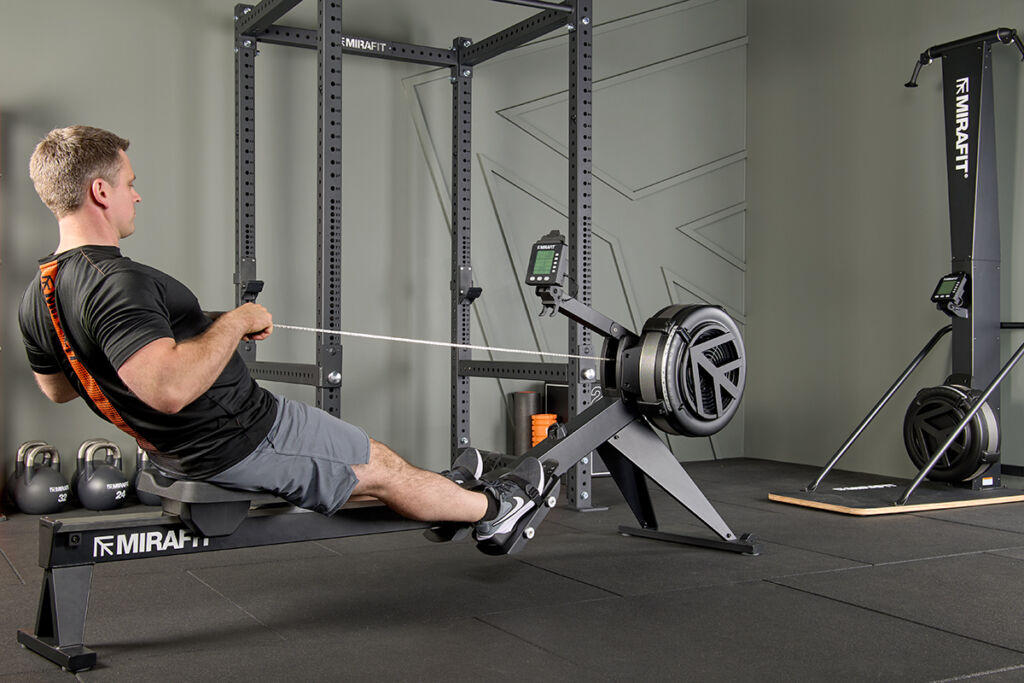
Yes. Gym flooring can help protect floors from scratches and vibrations caused by treadmills, bikes and rowing machines, while also improving stability during use.
Rubber gym flooring is low maintenance and can be cleaned with regular sweeping, vacuuming and wiping with suitable cleaning products. Regular cleaning helps maintain grip and prolong the lifespan of the flooring.
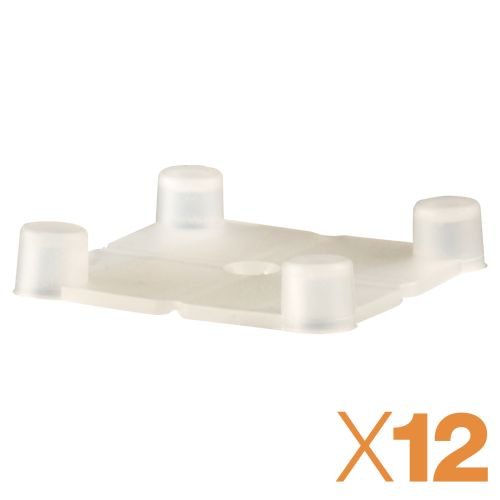
Properly installed gym flooring is designed to minimise movement. Interlocking tiles fit together securely, while rubber mats can be laid in a brick pattern or some can be attached together using connectorsto help keep them in place.
Interlocking tiles are quick to install and ideal for modular layouts or smaller spaces. Rubber mats are typically heavier and better suited for dedicated lifting areas or commercial gyms where maximum durability is required. For more help choosing the best flooring for your space, view our Complete Guide to Gym Flooring.