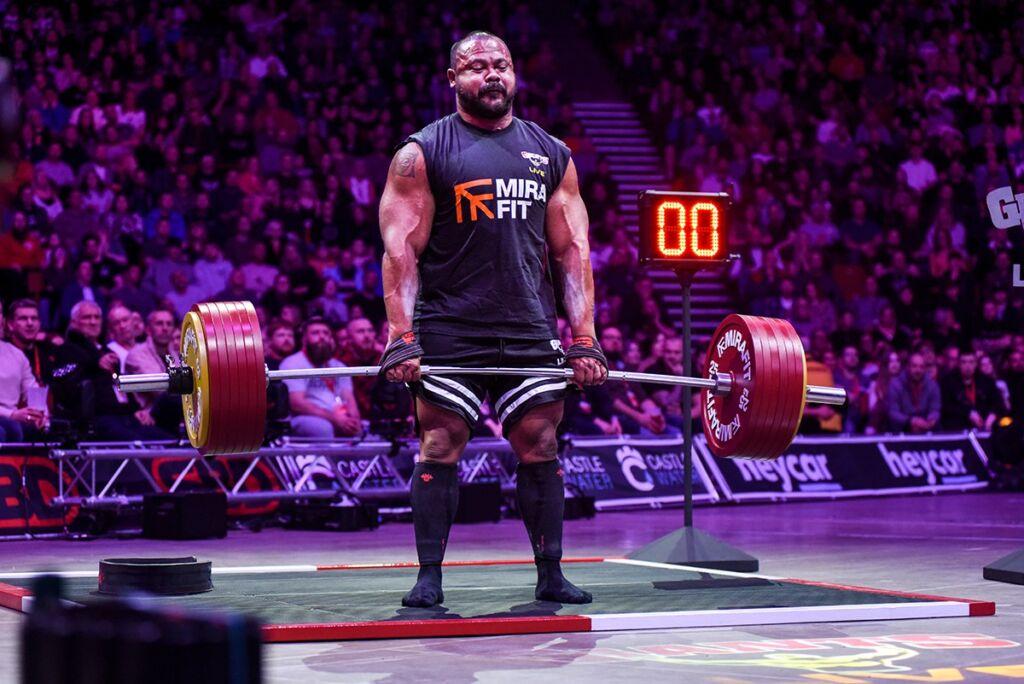
Whether it is lifting to shoulder, moving, loading, or pressing, stones play a prominent, iconic role in strongman competitions. Stones demand high levels of explosive power, a well-developed posterior chain, a strong upper back, resolute forearm crushing strength, and robust grip. They also require mental grit, muscular endurance, and stamina.
Whilst naturally the best way to progress your stone lifting is to lift progressively bigger stones, unless you live in the countryside, or have a massive garden, this is difficult. If you don’t have access to stones, a considered selection of exercises can help you become more efficient and proficient in stone lifting.
What Muscles Does Stone Lifting Use?
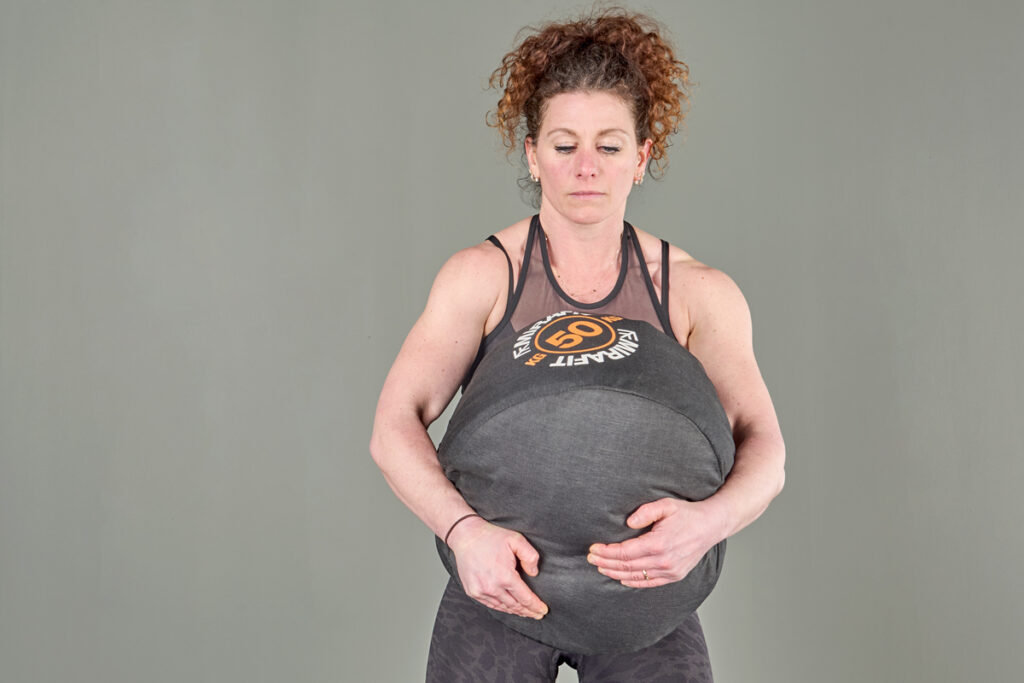
• Quadriceps - Critical for providing power to break the stone from the ground.
• Glutes - The primary driver for hip extension during the lapping and loading of the stone.
• Hamstrings - Help stabilise the posterior chain throughout the entire movement.
• Biceps and forearms – Keep the stone steady, providing grip and crush strength against the load.
• Traps and Rhomboids – Support spinal (thoracic) extension and assist in keeping the load stable.
• Lats – Control positioning of the stone, assisting in guiding it through the correct movement path.
• Core & Obliques – Help transfer force effectively and resists spinal flexion.
• Spinal Erectors – Support in maintaining correct posture and spinal stability throughout.
What Skills Does Stone Lifting Use?
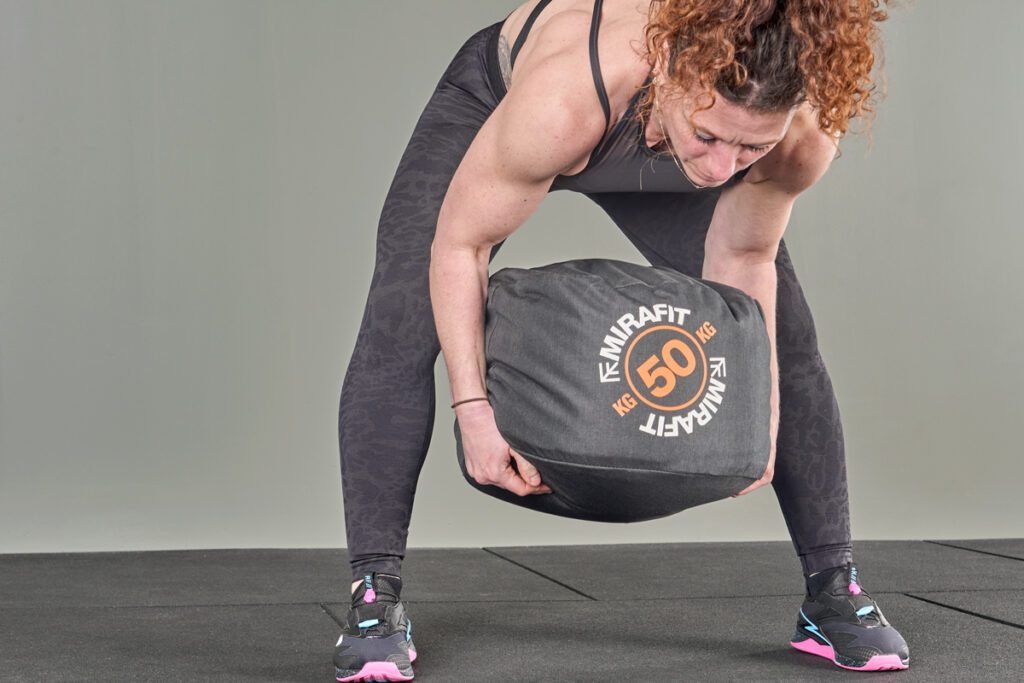
• Triple Extension - This is crucial. It is the art of extending the hips, knees and ankles at the same time, allowing you to bring your legs into play to generate maximum upwards force, essential for loading and reducing fatigue and injury risk in your arms.
• Forearm Crushing - This is the art of ‘biting’ your forearms into the sides of the stones. The better you are at crushing with your forearms, the easier to stone will be to break from the floor, and the more control you will have when loading.
• Stone Lapping - It’s one thing being able to pick a stone up but knowing where to place it on your lap can make or break a lift and is essential for stone loading events. Spend some time developing this skill to progress quicker.
• Explosive Hips - When loading a stone onto a platform, your hips need to be powerful. If they are strong but slow, the stone will take more energy and potentially too long to elevate and complete the rep.
• Squat Depth - Your ability to get into a deep squat position is critical and will massively reduce the energy exerted with the stone in the lapped position and also provide a perfect position to generate huge lower body power.
How Can You Train for Stone Lifting in a Home Gym?
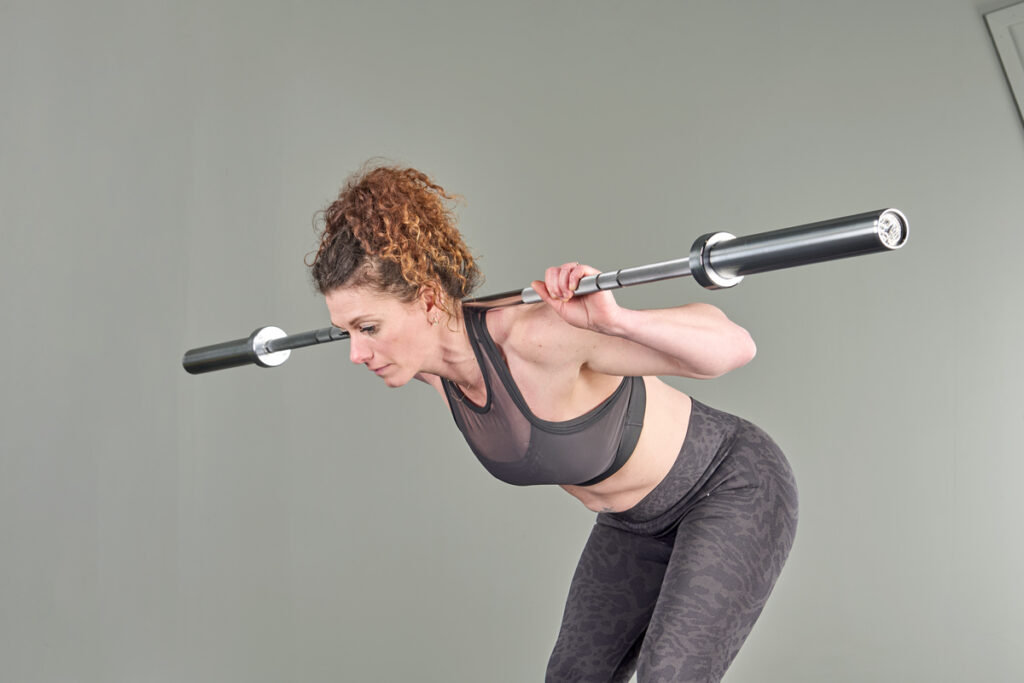
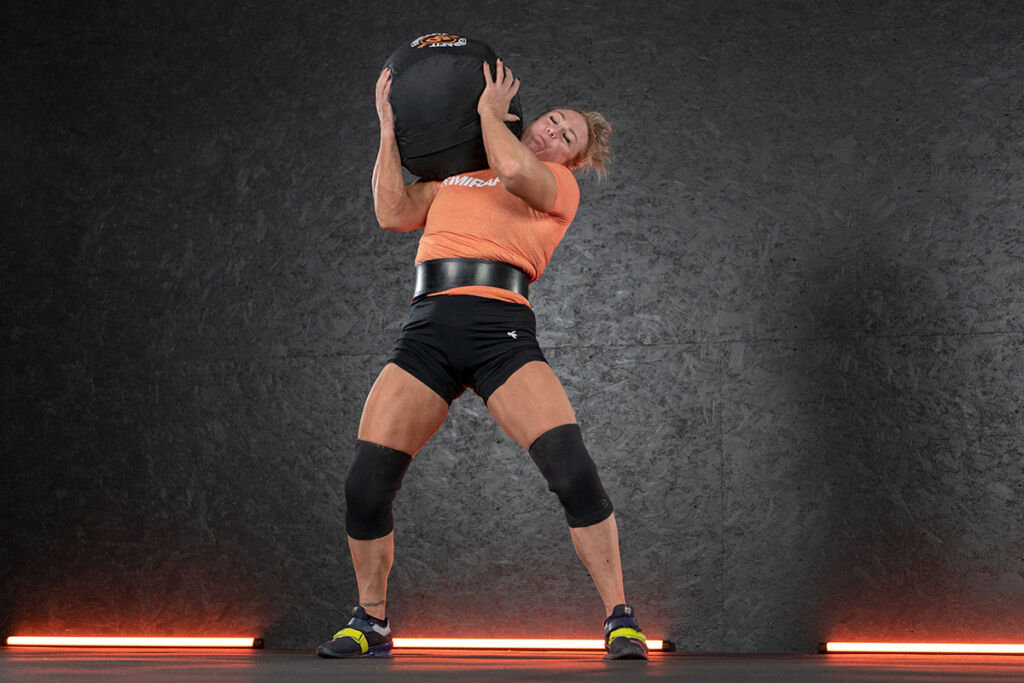
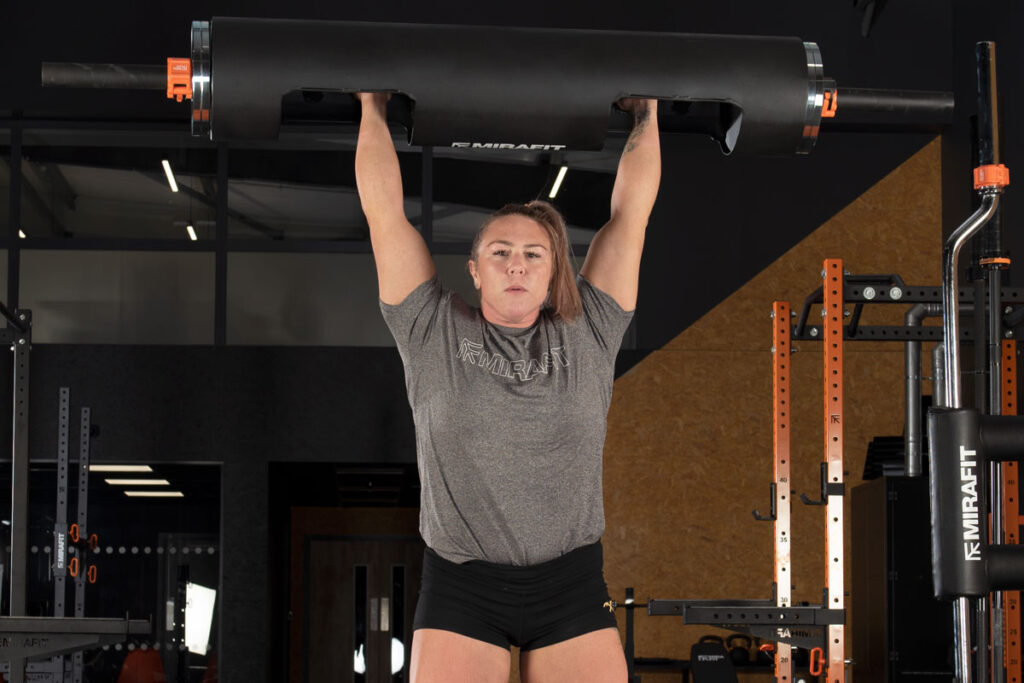
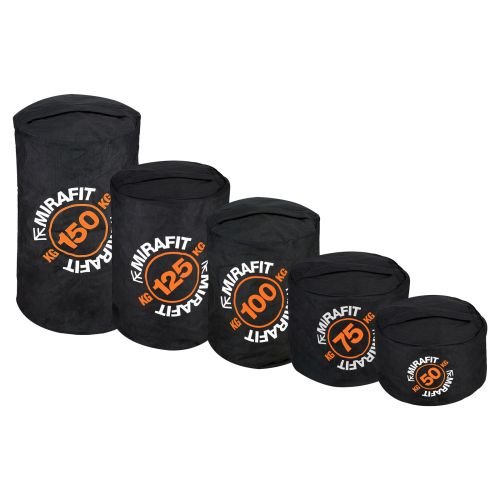
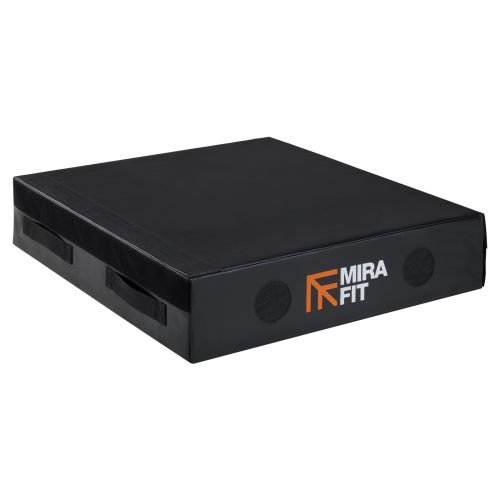
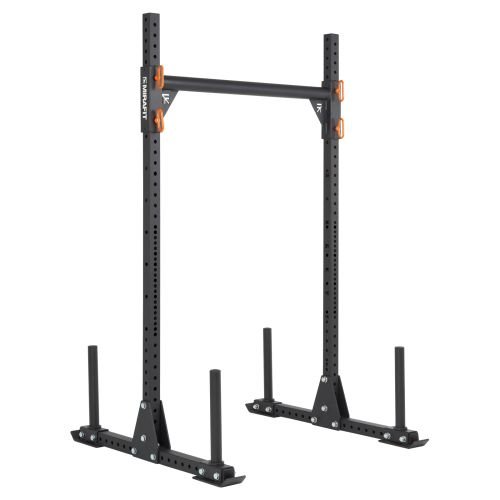
Depending on the equipment your garage gym or commercial gym has, sandbags provide a great option, closely imitating the shape and awkwardness of stones. They help build crushing strength, explosive power, triple extension and teach other movement mechanics in similar ways. Example exercises include sandbag to shoulder, squats, triple extensions, or sandbag loads to jerk blocks. Alternatively, you can practise loading Strongman Sandbag over a racked barbell or a yoke.
If you do not have access to sandbags, heavy medicine balls can provide a similar experience. If you are using either of these implements, use drop pads to prevent damage to the equipment or floor.
Romanian deadlifts are great for training the posterior chain (hamstrings and spinal erectors). Zercher and front squats provide excellent options for training muscles used for front loading, helping build quads, biceps, forearms and upper back muscles such as the traps and rhomboids.
Accessory movements such as good mornings, glute bridges, hip thrusts, barbell rows and deficit deadlifts can add strength in the prominent parts of stone lifting, particularly targeting the posterior chain, legs and upper back. Mirafit sells a specialist Deadlift Bar that is perfect for strongman training.
To summarise, whilst it is best to practise atlas stones with stones themselves, there are many ways you can train, prepare, and strengthen the body in anticipation of your next (or first) stones session. If you do not have stones readily available to you, why not give the above exercises a try in your Home Gym?
For more content, follow us on Instagram, YouTube, TikTok, and on our official Mirafit Facebook page.