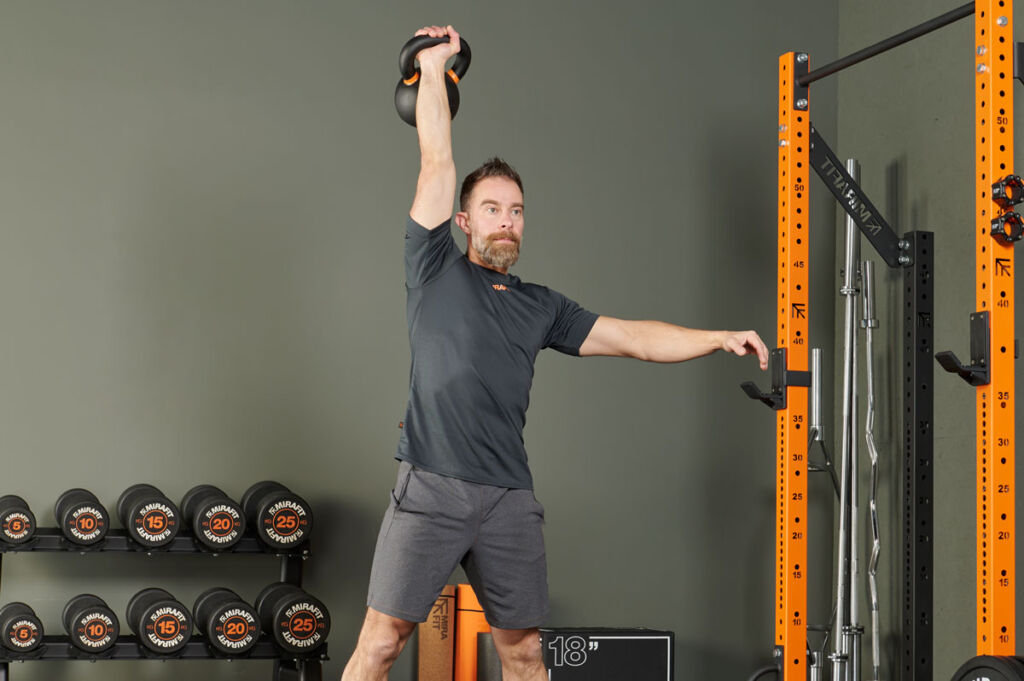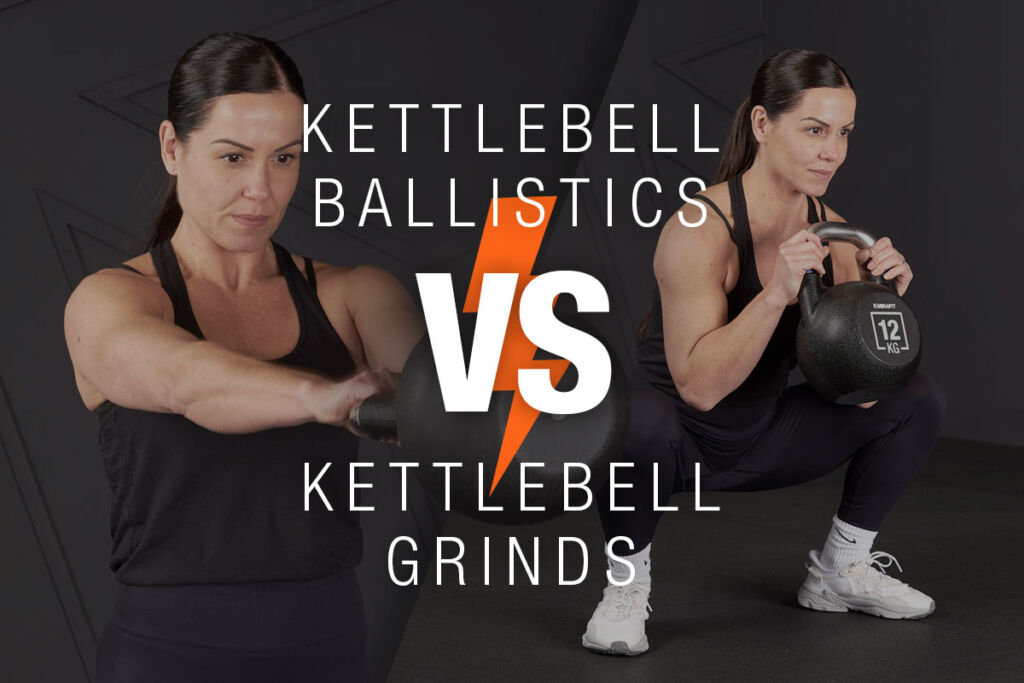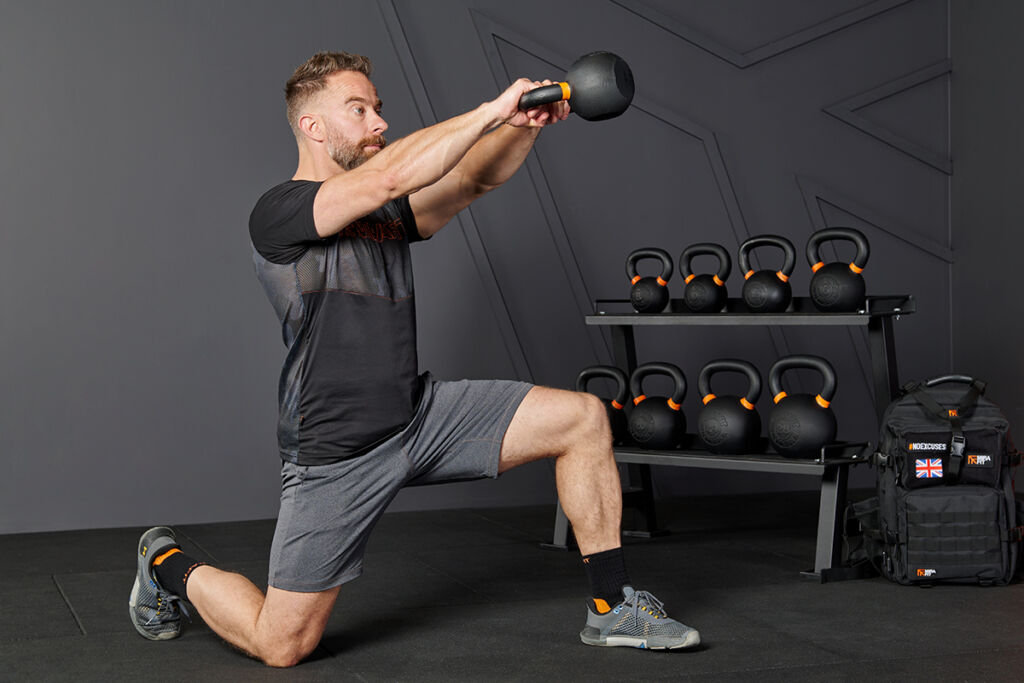
Kettlebells are a versatile, time efficient, full-body piece of gym equipment, found in a variety of different weights and sizes. They are frequently used for gaining strength, endurance training, rehabilitation, building explosive power, and improving co-ordination. Just recently, kettlebell competitions have seen a huge increase in popularity, too.
Their compact footprint makes them a staple in most gyms, both home and commercial. They provide a fun way to engage all muscle groups, and the weight imbalance and challenging shape will activate your stabilising muscles, the posterior chain, and the core, to significant effect.
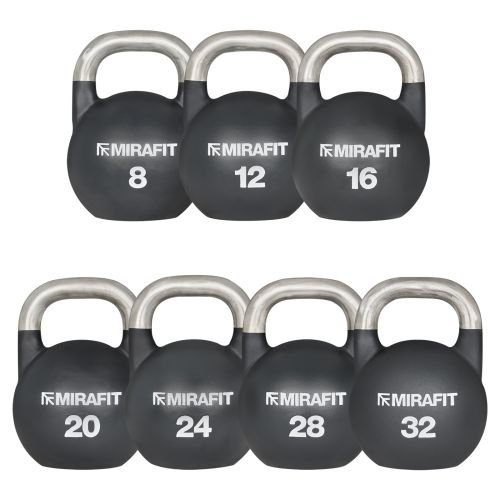
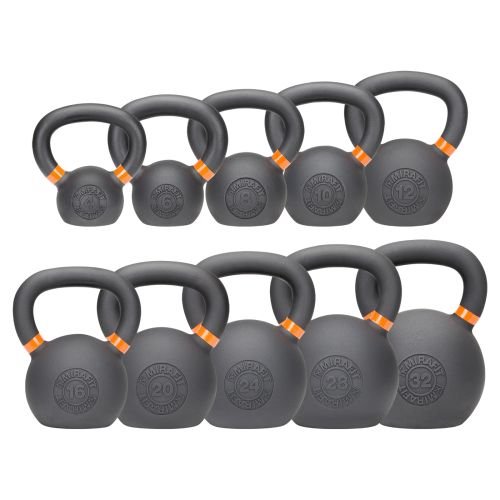
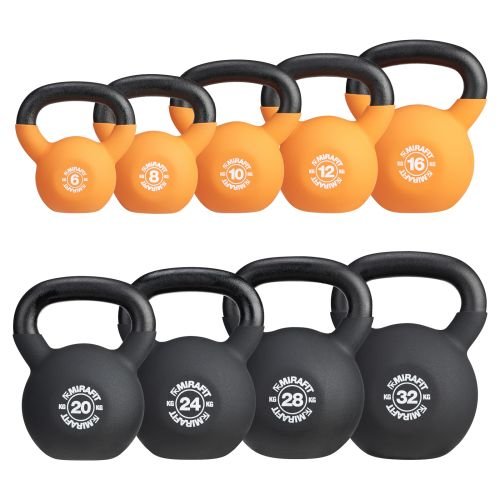
There are two main types of Kettlebells available: cast-iron, and competition spec. Both options can offer significant benefit to your training routines, read on to learn more.
What are the Benefits of Cast Iron Kettlebells?
• The compact footprint of Cast Iron Kettlebells makes them suitable for most spaces, an important consideration for home gyms.
• Cost per kilo, they offer an exceptional value proposition.
• Handle and bell sizes change based on weight, making them easy to identify and more ergonomic for smaller hands.
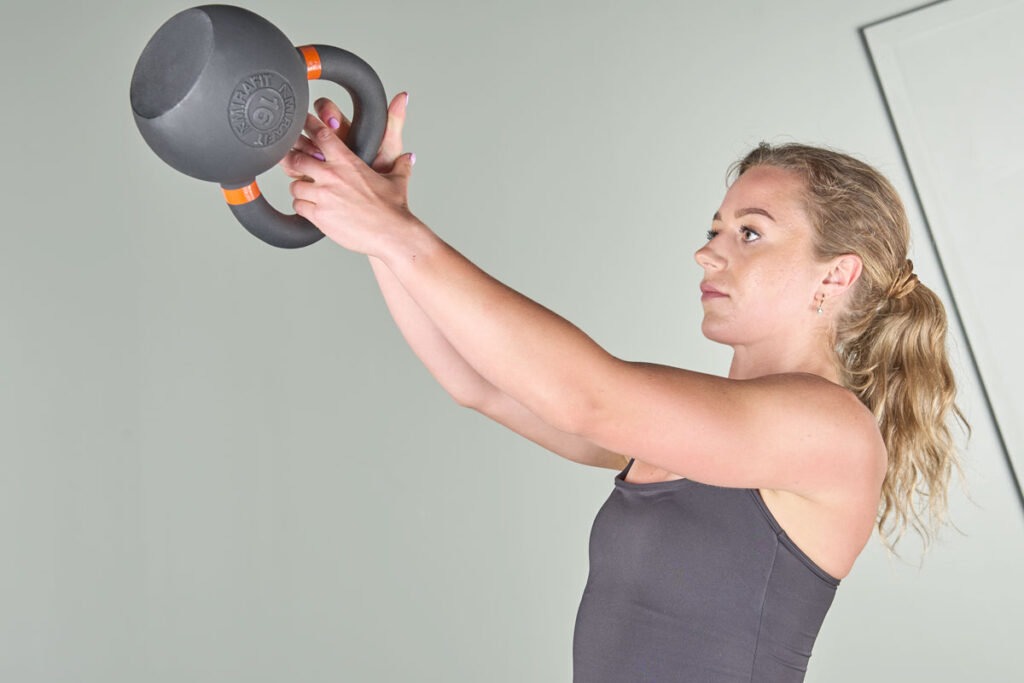
• The shape of the handle means they can be easily gripped from the (aka ‘the horns’) during two-handed exercises.
• Incredibly durable, built to last years and making them a great investment compared to vinyl kettlebells.
• Wide weight range, great for progression.
• The slightly textured surface on the handle can be preferable if you want a stronger grip.
What are the Drawbacks of Cast Iron Kettlebells?
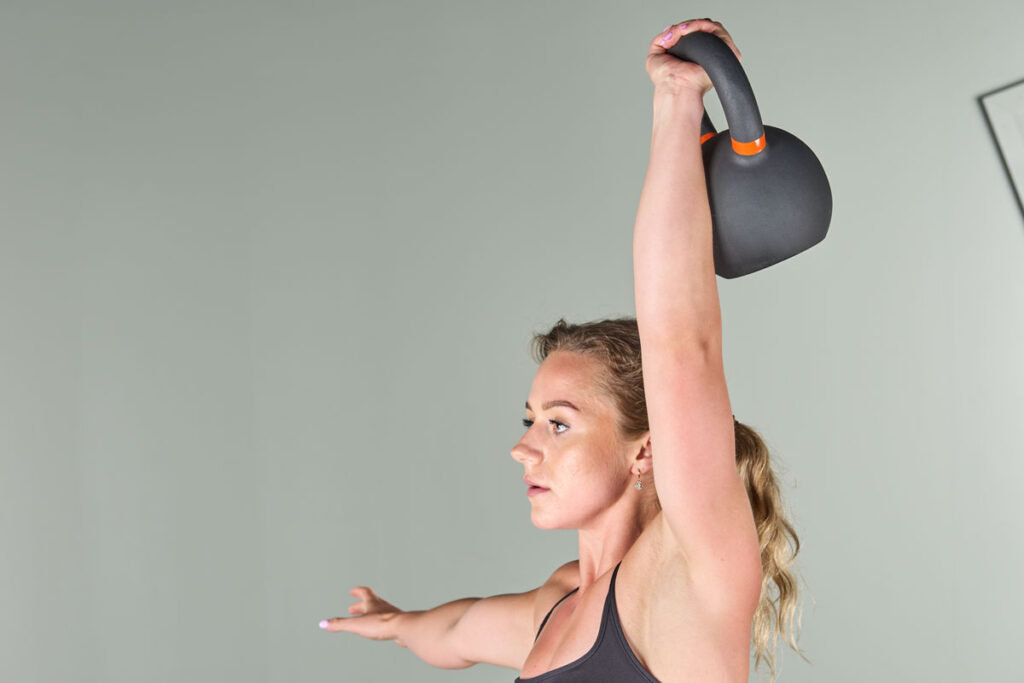
• The difference in handle sizes can present a challenge at the lighter end for those with larger hands.
• Sizing is less uniform when compared to competition kettlebells and some gym users prefer a consistent aesthetic.
• Can mark flooring if dropped without protective mats.
• They can feel cold in some environments, so not always pleasant to train with in the winter.
• The cast-iron finish can feel rougher for high volume training.
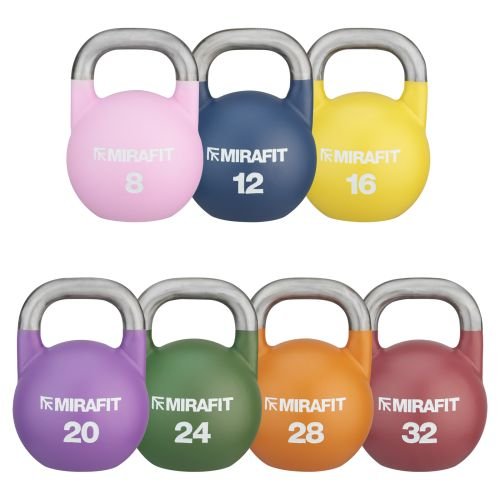
What are the Benefits of Competition Kettlebells?
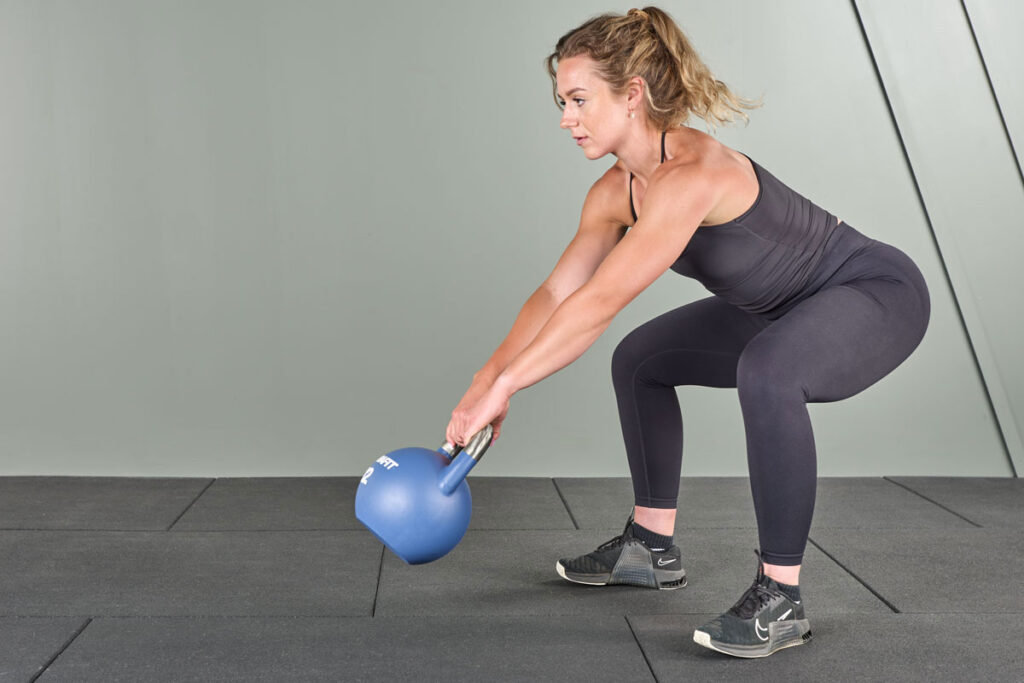
• Their consistent handle size is useful during workouts that require using multiple different kettlebell weights.
• Great for Hyrox training - Competition Kettlebells have a standard handle width of 34mm, meaning you can train for Hyrox at home and have a similar experience on race day.
• Their larger bases make them more suitable for exercises such as planks, renegade rows, and press-ups, with reduced risk of rolling and better stability on the floor.
• Competition kettlebells can be colour coded, making weights easier to identify, especially important when the sizing is the same.
• The smooth handles make transitions between hands smoother.
• The sizing provides a more ergonomic option for cleans jerks and snatches.
What are the Drawbacks of Competition Kettlebells?
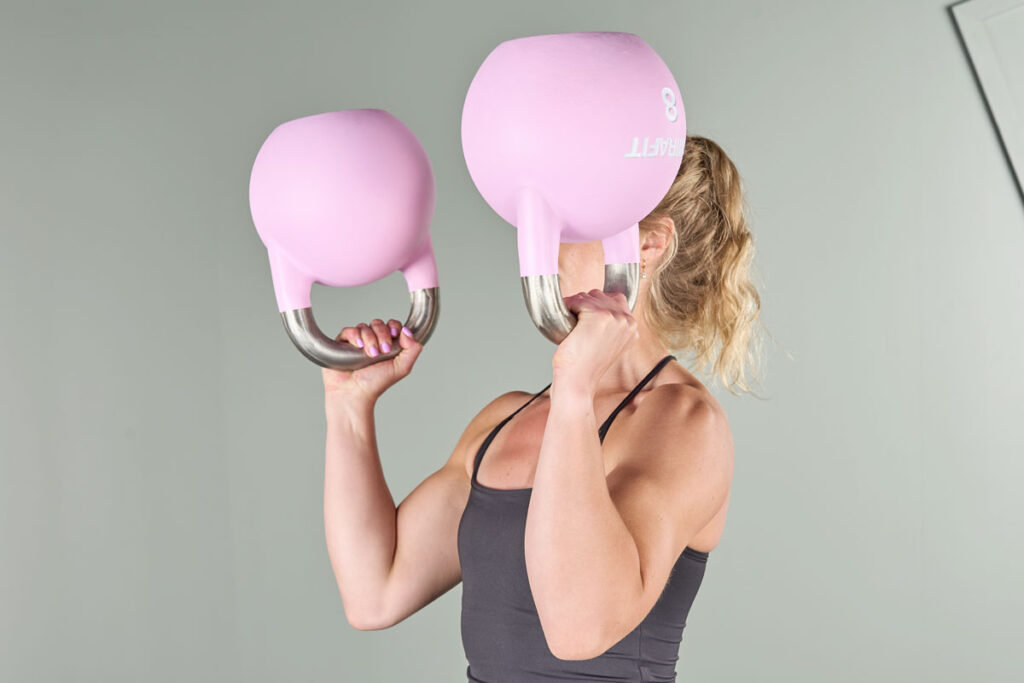
• The smooth handles increase grip demand.
• The consistent sizing increases the amount of space they take up on a kettlebell storage rack.
• The large physical size can provide an unfamiliar or more awkward training option for beginners.
• The primary goal of competition optimisation makes them more specialised than cast-iron kettlebells.
• As most competition kettlebells are made from steel, a full set is an increased investment compared to cast-iron kettlebells.
• Less weight variation versus cast-iron kettlebell.
Kettlebells provide a comprehensive option for training compound lifts, explosive movements, co-ordination, endurance training, isolation and for rehabilitation. Both cast-iron and competition kettlebells have their place in commercial and home-gyms, and each provides significant advantages.
Hopefully this article has provided a better understanding of which type is most suitable for your training needs. Why not incorporate them in your next session, or look at the options we have available?
For more content, follow us on Instagram, YouTube, TikTok, and on our official Mirafit Facebook page.