What is a Weightlifting Belt?
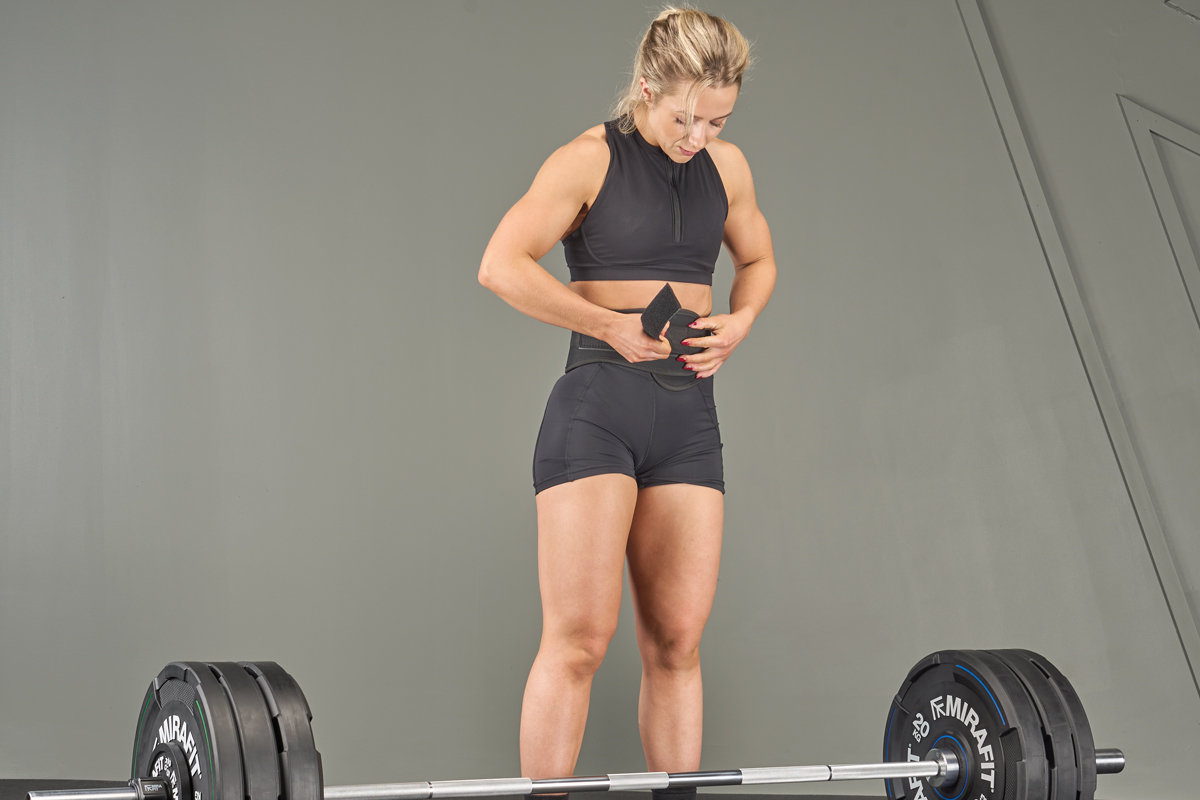
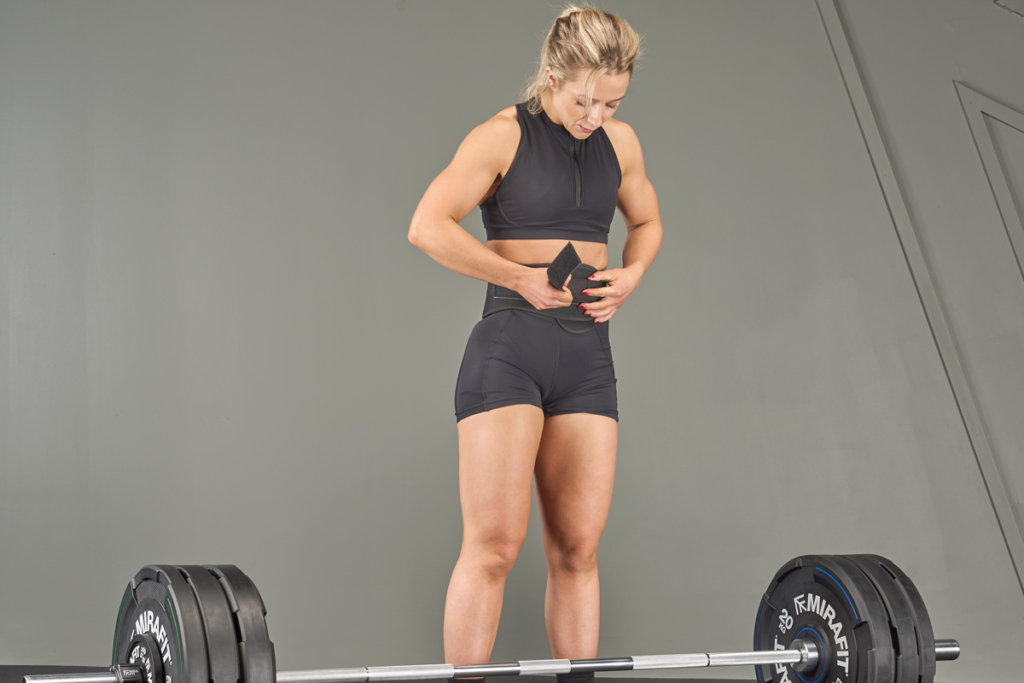
Weightlifting Belts have long been a piece of gym equipment found in the kit bags of powerlifters, strongmen, weightlifters, bodybuilders and hybrid athletes. Whilst they differ in design, their key goal is clear; and protect the lifter by supporting their spine and encouraging core bracing, helping maintain control and form under heavy loads.
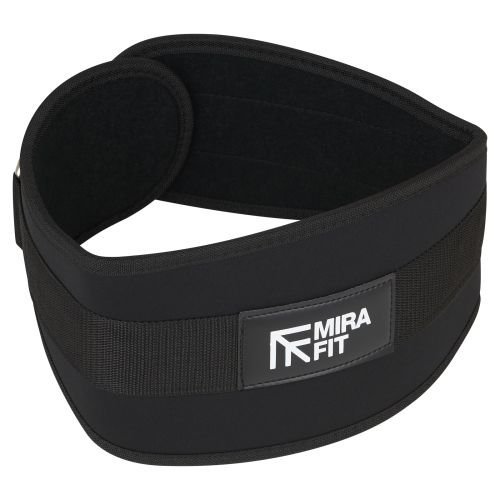
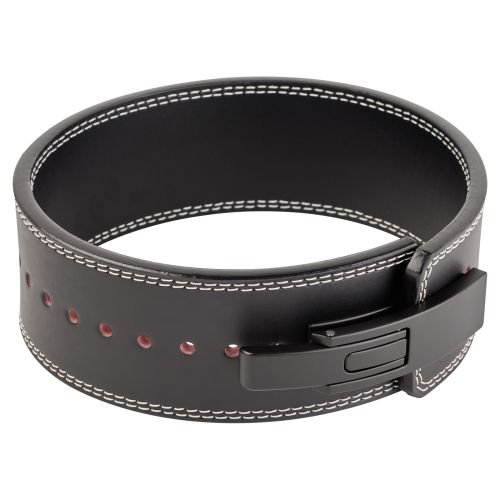
The belt wraps around the lower section of the torso, and fastens together usually via Velcro, lever buckles, prongs or (in rare cases), hooking mechanisms. Their construction is rigid, often made of leather or nylon with various thicknesses available depending on the level of support required. Options like a softer neoprene under-belt provide warmth and a milder support for lighter sessions.
What Exercises are Weightlifting Belts Commonly Used For?
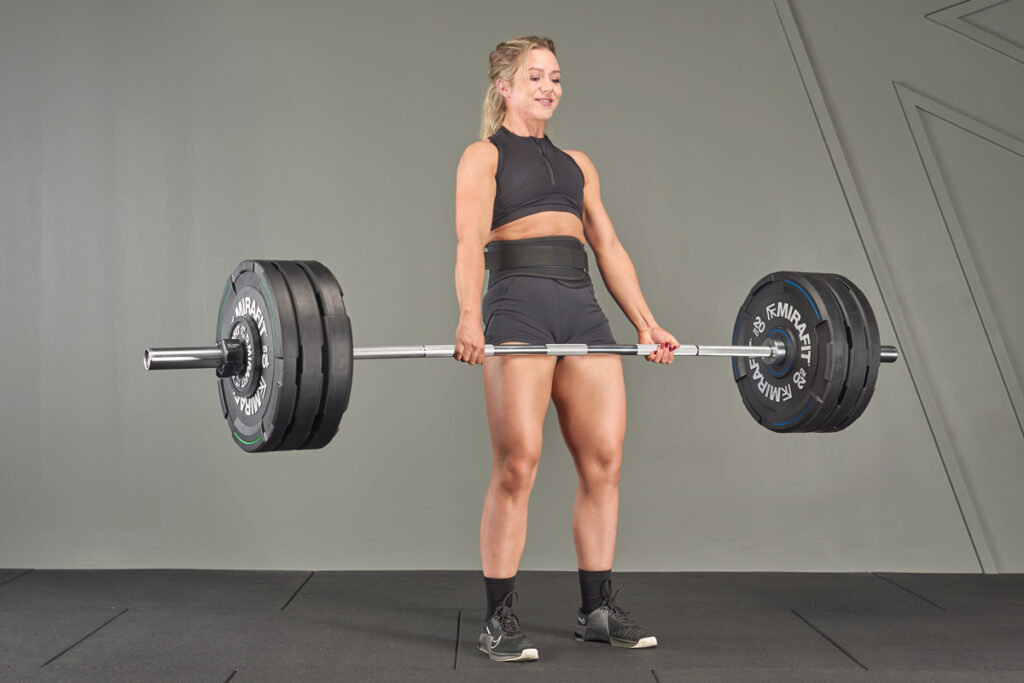
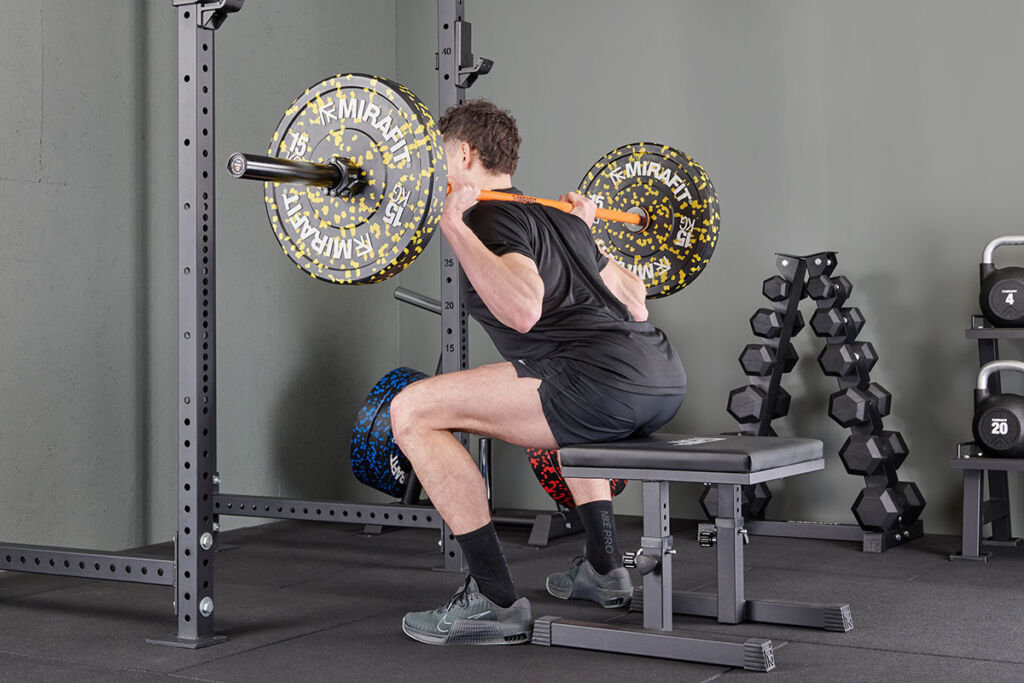
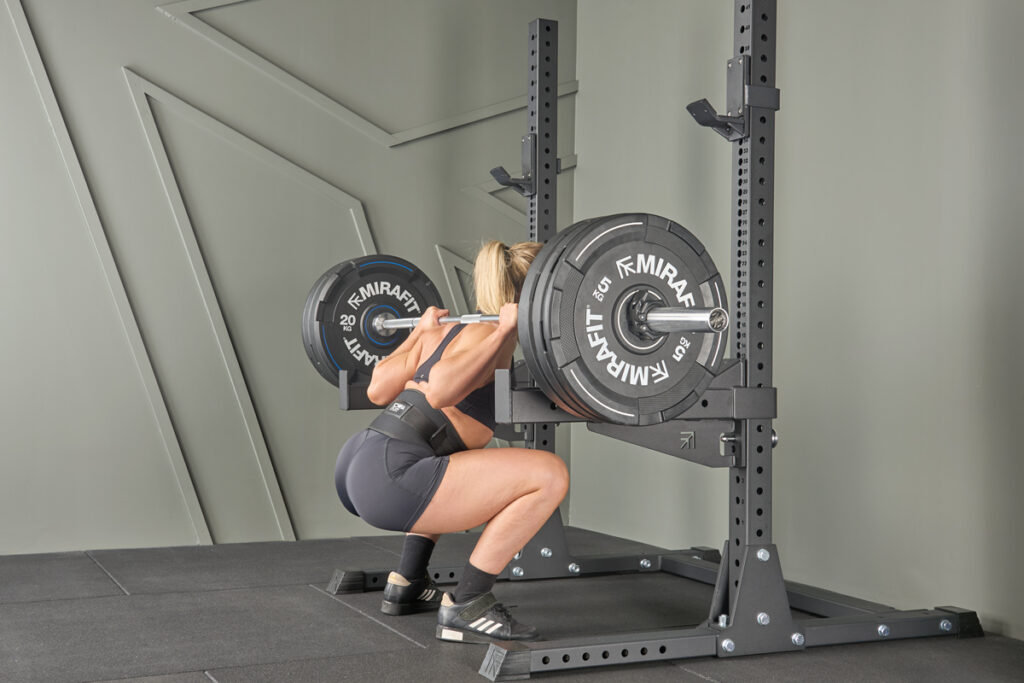
You will often see weightlifting belts used for heavy, near or at max effort lifting. Some examples include squats, deadlifts, heavy rows, overhead pressing, weightlifting movements and strongman-style lifts such as stone and Strongman Sandbag loading, yoke runs and farmers walks.
Key examples where you wouldn’t wear a weightlifting belt include pull-ups and dips (you would use a loadable dip belt for this), machines such as chest and shoulder presses, cable flyes or leg extensions and curls, and they are very rarely used for leg presses unless under extreme load. You may wish to not use a belt where it causes discomfort to you personally, or where explosive, fast transitions and high levels of mobility are required, such as kettlebell clean and jerks.
Should Beginners Wear a Weightlifting Belt?
Whilst many gym-goers who strength train can benefit from a weightlifting belt; it is important to remember that it is not a substitute for correct exercise technique. Learning safe lifting is crucial at every stage, but especially important to those new to the gym, to learn the movements, nail their form and build a good base level of strength first. Ensure it is there as an aid, not a requirement and really get the most out of training.
Should I Wear a Gym Belt In Every Workout?
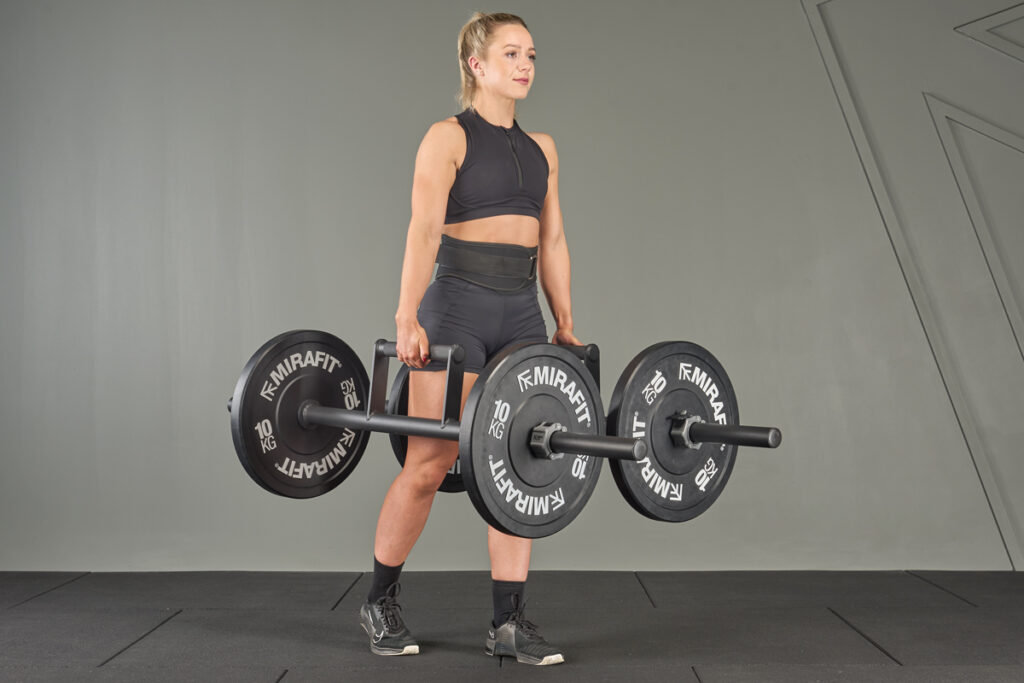
It depends on your goals and how you train. If, for example, you are a powerlifter who needs to hit heavy lifts throughout a training block, it may well be that you need your belt for parts of every session. That doesn’t mean you need it for the entire time, however, and most will remove it for their accessory lifts or backoff sets.
Many athletes will train a block where they don’t use their belt at all, instead relying on their own mind-muscle connection and raw strength to complete their training. If you are training to build strength, it’s important to have sessions without it, to ensure you continue to build your core stability and keep your dependency on equipment minimised.
Weightlifting belts are a staple in most lifters’ kit bags, and for good reason. They can help support you on those heavy lifts, push for Deadlift Bar PBs, break plateaus, encourage core activation, reduce the risk of injury and support your mindset as you lift. It’s important to strike a balance between support and reliance, however if you get that right, the benefits are phenomenal, and there are plenty of them. If you feel you are ready to try one out, give it a go; just remember, nail your technique before you do to achieve maximum gains!
For more content, follow us on Instagram, YouTube, TikTok, and on our official Mirafit Facebook page.