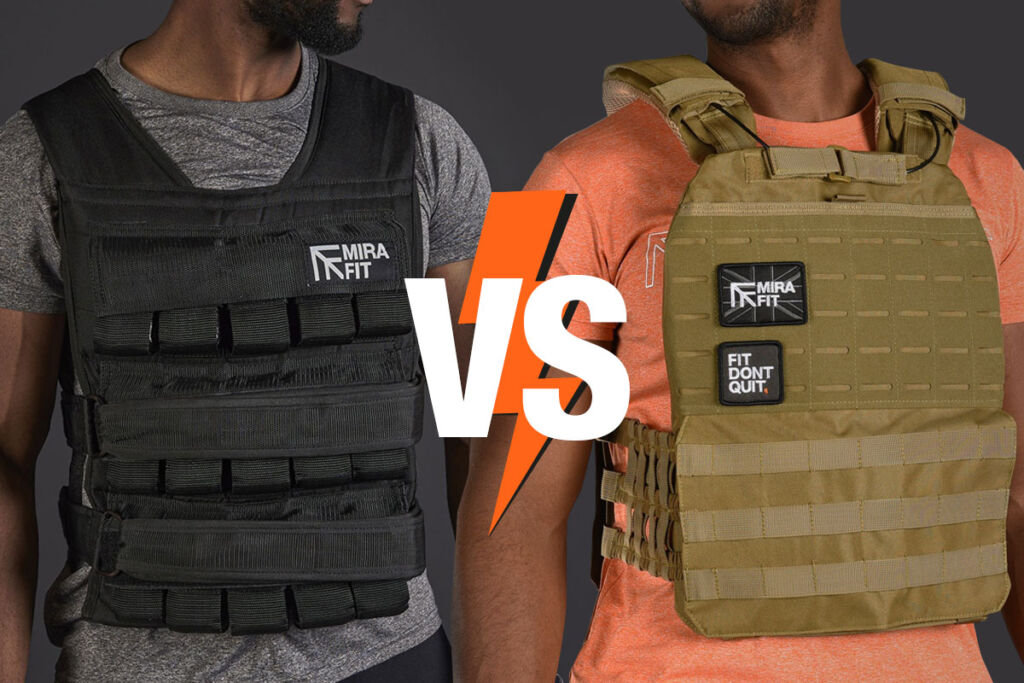
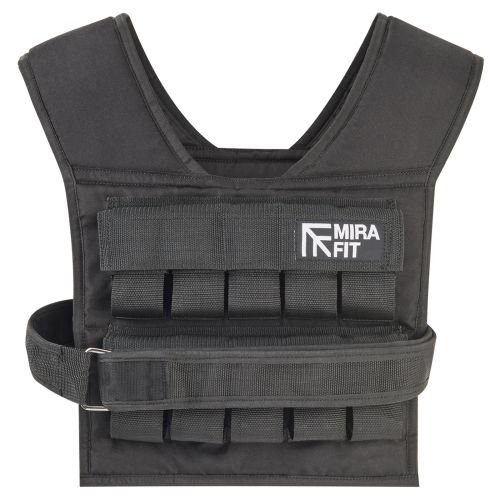
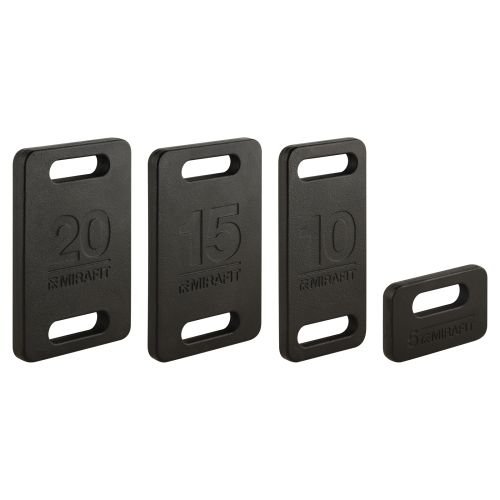
Adding a weighted vest to your walking routine can help you get more out of your daily steps. It’s a very accessible adjustment that is suitable for most people. However, you should make sure you build up the weight slowly to avoid injury. By choosing an adjustable weighted vest which contains individual pockets for 1kg blocks, you can easily progress to a higher weight as you gain more experience.
What Are the Benefits of Walking with a Weighted Vest?
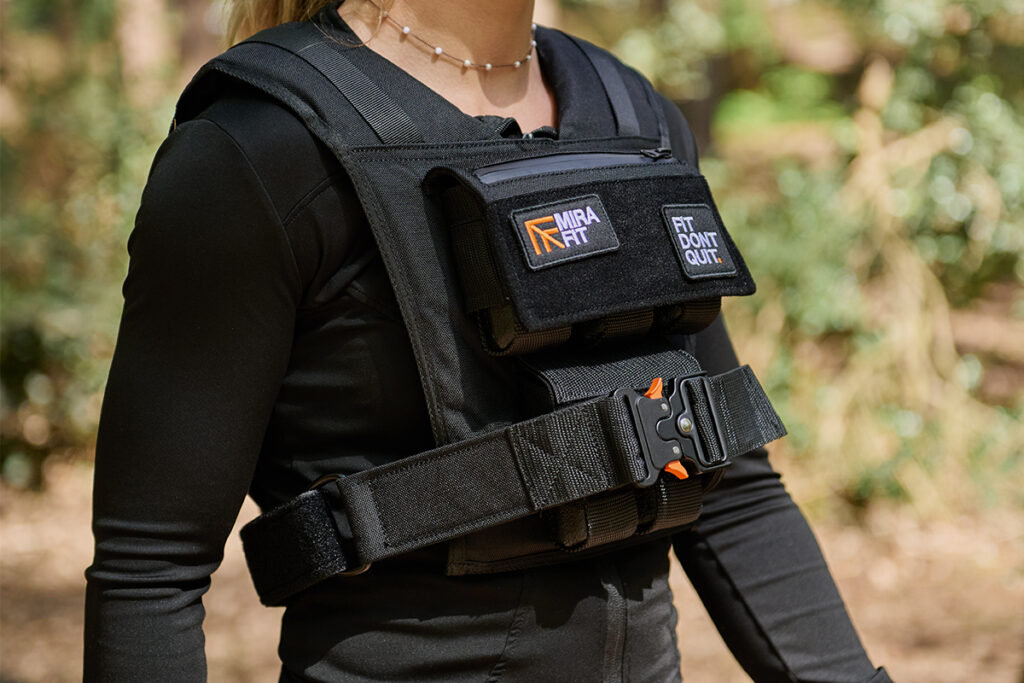
Walking with a Weight Vest comes with a surprisingly large number of gains. It boosts your agility, trains your balance, and helps you burn more calories. But there are three main benefits that really stand out.
Walking with a Weighted Vest Builds Muscle
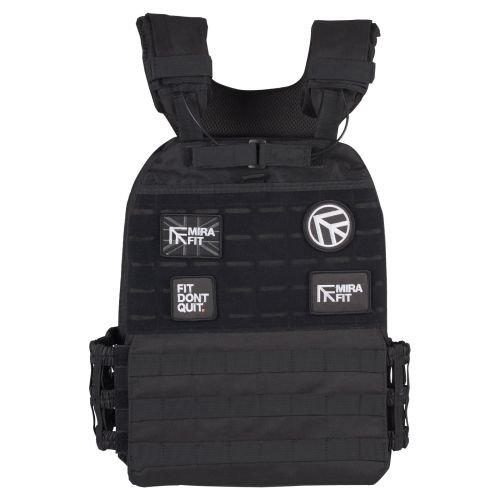
Wearing a weighted vest increases your body weight. This means your muscles will have to work harder to cover the same distance compared to an unweighted walk. When you’re wearing a typical weighted or tactical vest, these muscles include your core, glutes, hamstrings, and quads. Smaller muscles and tendons around your hips, knees, and ankles will also become stronger.
Walking with a Weighted Vest Increases Your Cardiovascular Capacity
Walking with a weighted vest requires your muscles to work harder, increasing your need for oxygen. When you head out on a walk wearing a vest, you’ll soon find your heart rate will be higher and your breathing becomes more laboured. This will contribute to better cardiovascular health over time.
Walking with a Weighted Vest Increases Bone Density
The added weight from the vest puts more stress on your bones, which helps maintain or improve your overall bone density. This is particularly relevant for people looking to prevent osteoporosis and anyone who is trying to lose a significant amount of weight through walking.
How Do You Start Walking with a Weighted Vest?
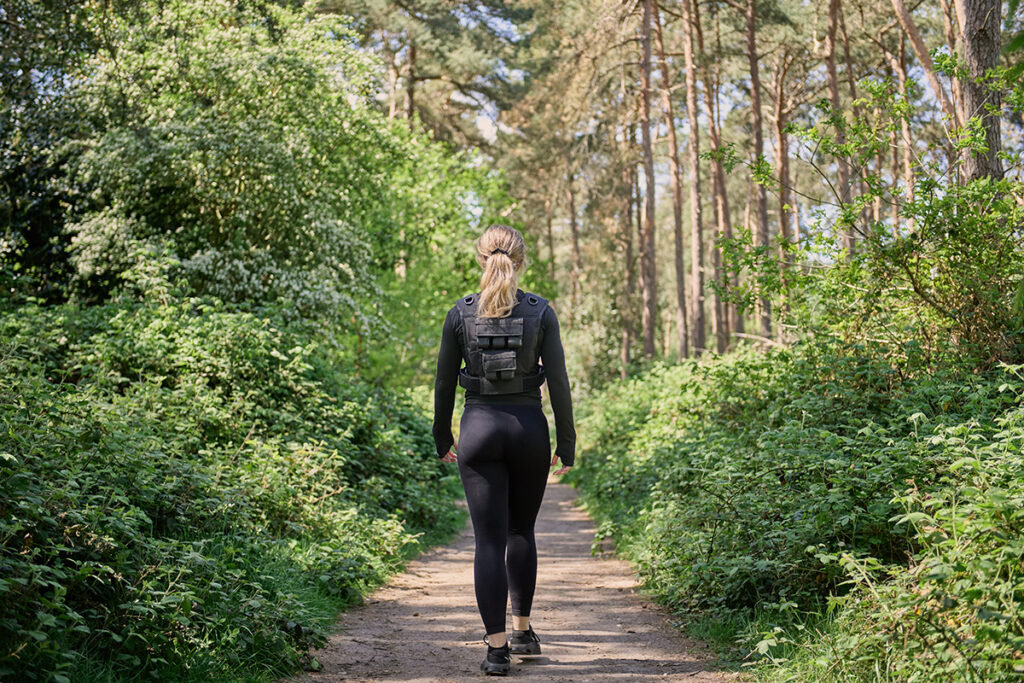
If you’re new to walking with a weighted vest, it’s important to start slowly and gradually increase the weight of your vest and the distance you’re walking.
A good way to start is to wear wrist weights and go about your day or strap on an empty weighted vest and walk a short distance near your home or on a Folding Treadmill.
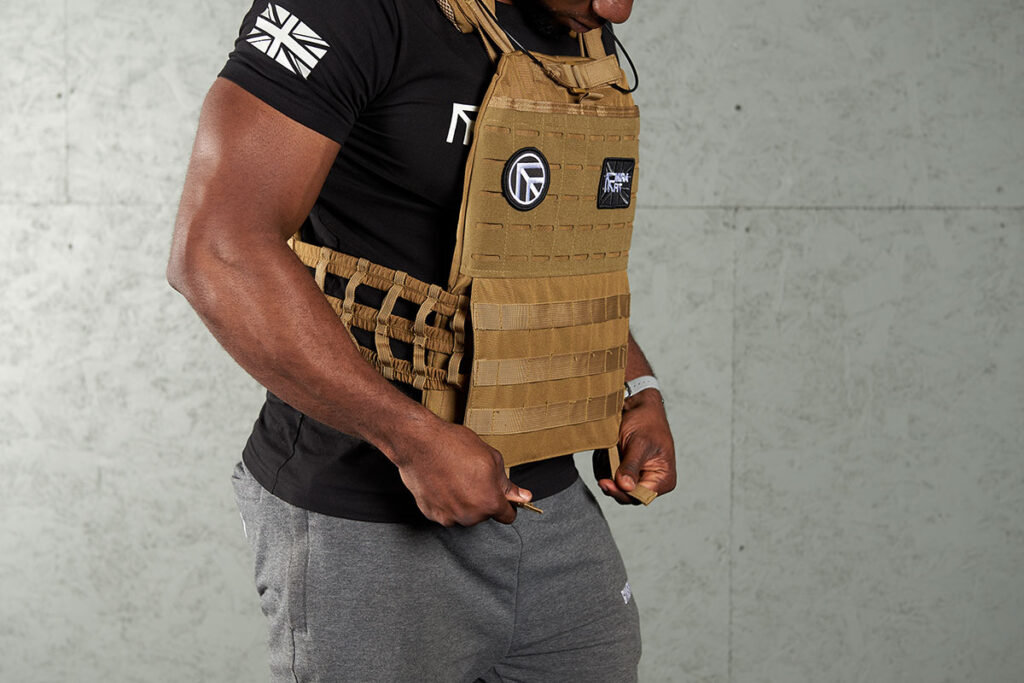
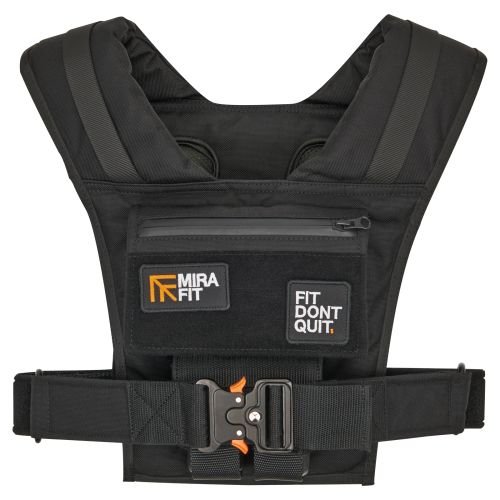
Once you feel ready, add a small amount of weight to your vest. Make sure the weight is evenly distributed and your vest is properly fitted. You don’t want the weight to sit all in one place or for your vest to move around when you walk, as this significantly increases discomfort and strain on your torso. You can also go on rucking walks by adding add one or two ruck plates to a suitable backpack.
When setting out on your first weighted walks, stick to moderate, familiar routes. You can increase both the weight of your vest and the distance of your walks (choose one at a time) as you grow stronger and more confident. You'll soon find that your 10kg Weighted Vest feels easy.
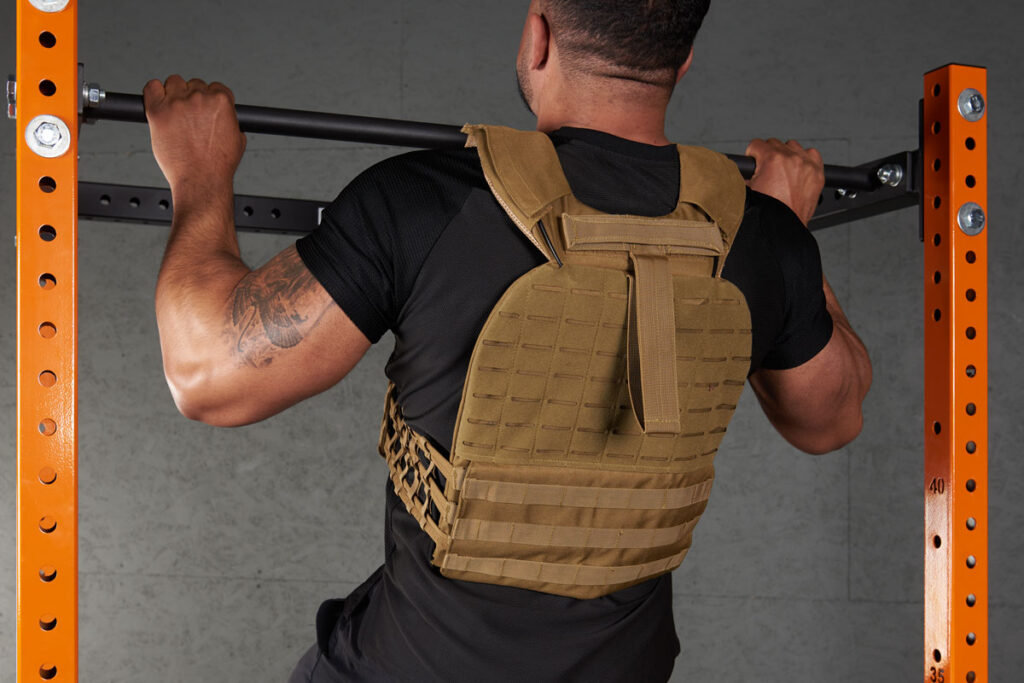
Once walking in your weighted vest feels comfortable, you can also start wearing it during bodyweight exercises such as lunges and squats for an extra challenge. An important advantage of wearing a vest over holding a dumbbell or kettlebell is that your centre of gravity is on your body, which makes it easier to keep your balance and correct form.
Whether you wear a light vest or a heavy one, walking in a weighted vest is a great way to get stronger, fitter, and healthier!
For more content, follow us on Instagram, YouTube, TikTok, and on our official Mirafit Facebook page.
Tags: Equipment > Weight Vests ; Exercise Type > Conditioning