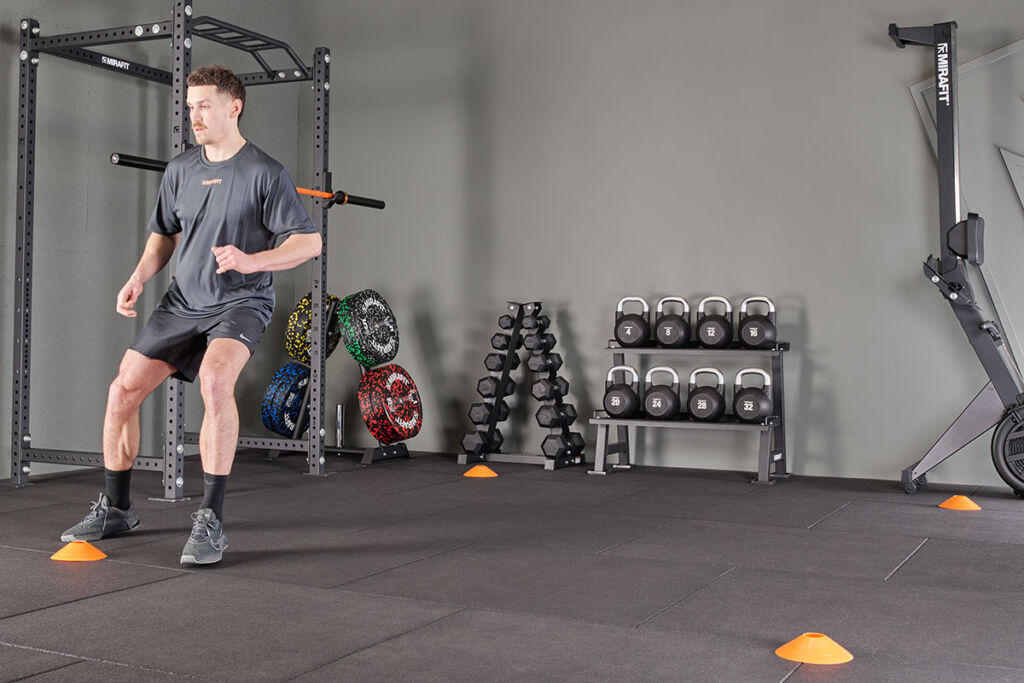
Explosive strength is typically defined as the ability to exert maximum strength in the shortest time possible. It marries speed with power and focusses on exercises that involve sudden bursts of force, such as jumping, sprinting, throwing, and lifting.


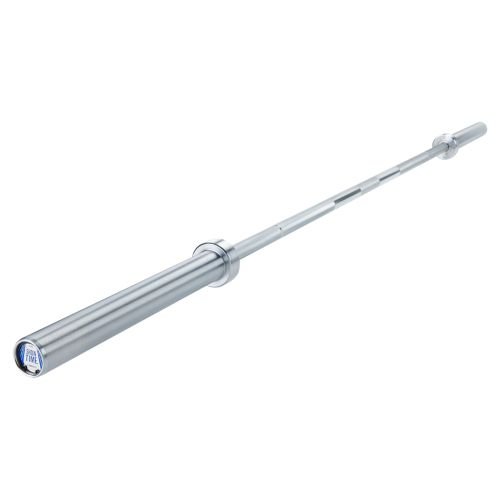
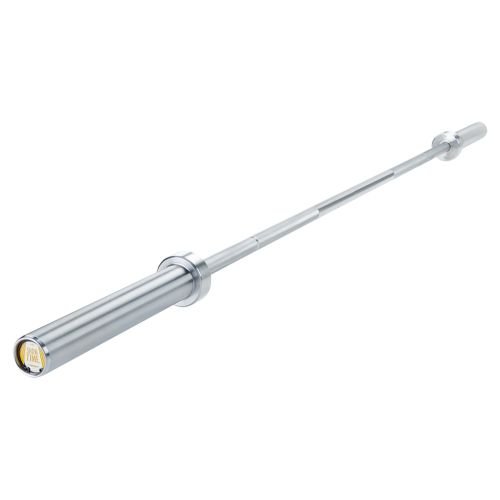
The benefits of explosive strength training in athletic performance is clear. A tennis player hitting a ball, a football player changing direction mid-sprint, and an Olympic weightlifter snatching a barbell are all examples of explosive movements in sports. But explosive strength also plays an important role in everyday life. Playing with your kids, jumping aside to avoid a collision, and playing fetch with your dog all require explosive strength.
Which Physiological Factors Affect Explosive Strength?

Fast-Twitch Muscle Fibres
Muscle fibres can be broadly categorised into two types: slow-twitch and fast-twitch. Slow-twitch fibres are good for continuous muscle contractions over a long period of time. Fast-twitch fibres fatigue much quicker but are better for generating power bursts of explosive strength. Explosive strength training targets these fast-twitch fibres, aiming to increase their size, speed, and efficiency.
Energy Systems
Slow-twitch fibres use oxygen as fuel via the body’s aerobic energy pathway. But fast-twitch fibres rely on the ATP-PC system. The ATP-PC system is the body’s primary, anaerobic energy pathway that provides fuel for immediate, explosive movements. It can only provide up to 12 seconds of energy before the body needs to tap into its aerobic energy pathways.
Neuromuscular Coordination
Explosive movements rely heavily on the ability of your nervous system to efficiently communicate with your muscles. Adding explosive exercises to your training improves motor unit recruitment, firing rate, and muscle synchronisation. This improves your muscles’ ability to contract fast.
How Do You Train for Explosive Strength?
Prepare Your Warm-Up
First and foremost, a comprehensive warm-up is essential for the safe and efficient execution of explosive exercise. You need to be prepared for the strain that explosive training puts on the body. Use activation exercises and some light cardio to gradually increase the heart rate, prepare muscle elasticity, and improve overall mobility.
Ensure Correct Form
Maintaining proper form during explosive movement is essential to avoid injuries. Ensure that you or your client have mastered your exercise technique. Use mirrors, film yourself, or give plenty of verbal cues to your client to make sure their form is up to scratch. Gradually increase the weight or intensity of the exercise, but only if form allows.
Schedule Rest Days
Explosive training is intense. Prioritise rest days in your training schedule and stick to them. Rest allows your body and your mind to recover, which is essential to optimise overall performance.
Mix It Up
Explosive training comes in many shapes and forms. There is no need to repeat the same exercises again and again. Incorporate a mix of speed training, agility drills, sprints, plyometrics, and lifts into your training for comprehensive development, and to keep it fun! Make sure to also include traditional strength exercises, endurance training, and mobility work to support your overall performance.
Explosive Exercise Examples

Plyometrics
• Jump Box squats.
• Jump squats.
• Clap push-ups.
Lifts
• Power cleans.
• Snatch.
• Push press.
• Clean and jerk.
Sprint and Speed Drills
• Short sprints.
• Hill sprints.
• Fitness Sled pushes.
Lower Body Movements
• Kettlebell swings.
• Broad jumps.
• Split squat jumps.
• Skater jumps.
Explosive strength training is a great way to add variety to your workouts, and to challenge yourself in new ways. By mixing explosive exercises into your routine, you’ll improve power, speed, and overall performance. Give it a try!
For more content, follow us on Instagram, YouTube, TikTok, and on our official Mirafit Facebook page.
Tags: Exercise Type > Strength ; Exercise Type > Conditioning