4 min read

Checkout using your account
Checkout as a new customer
Creating an account has many benefits:
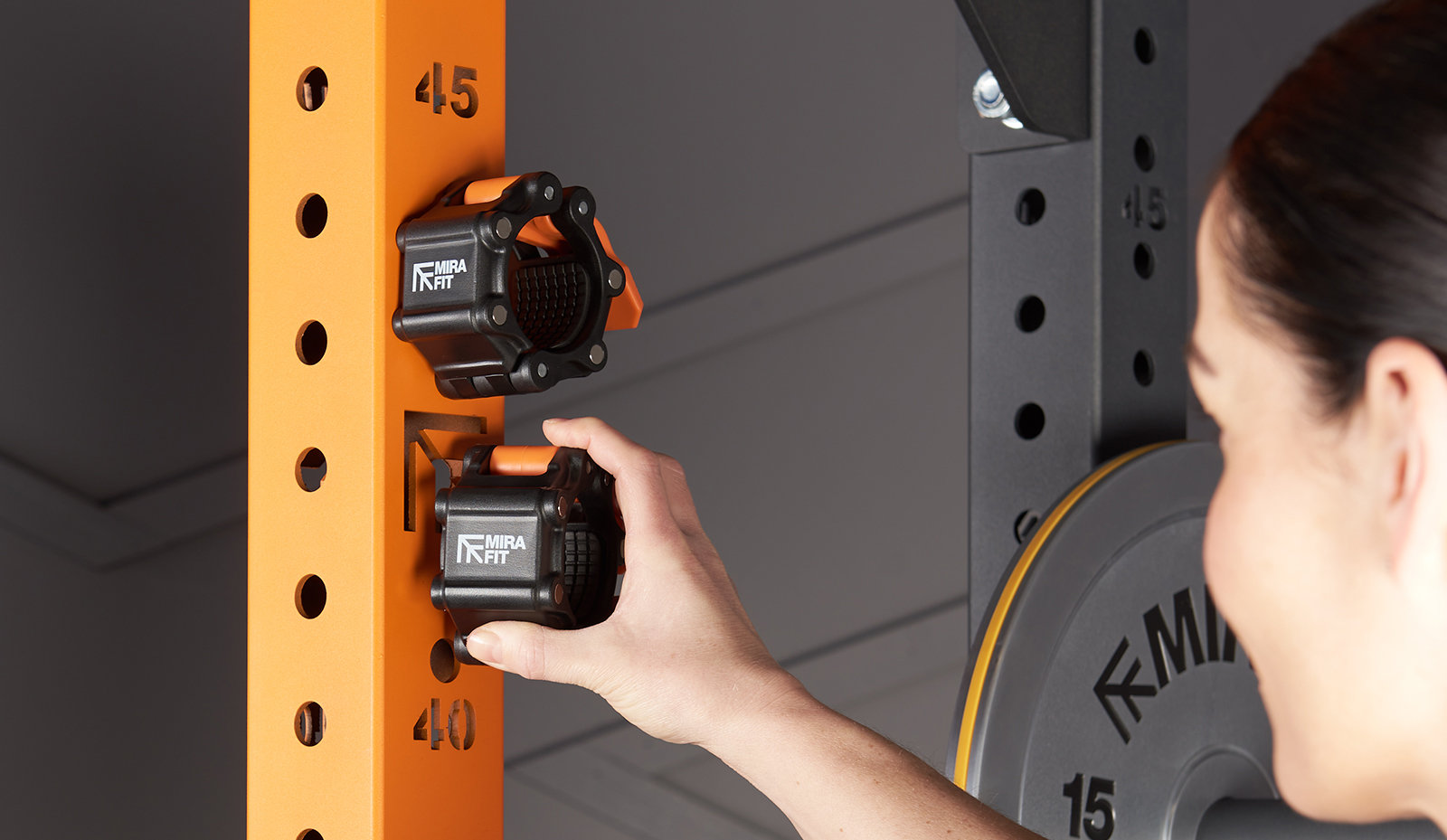
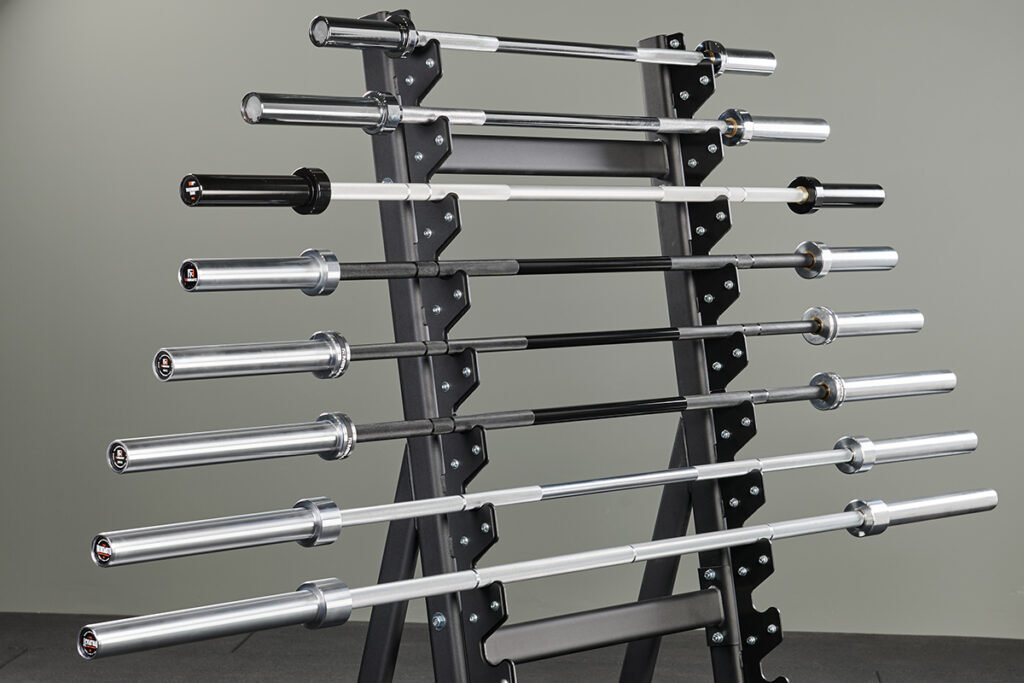
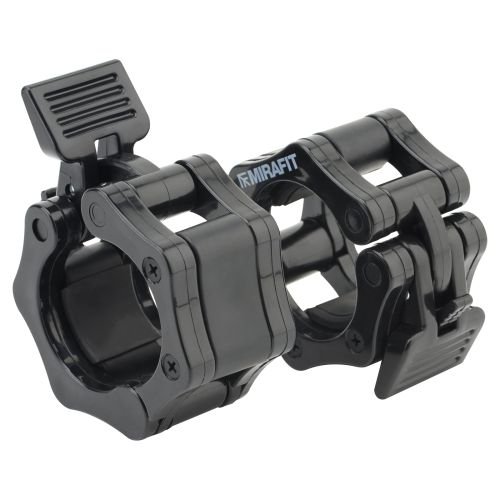
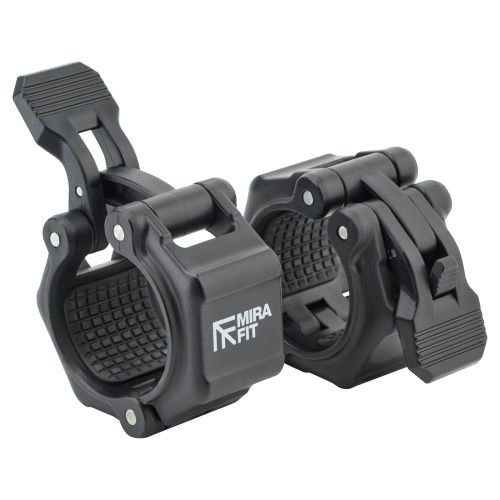
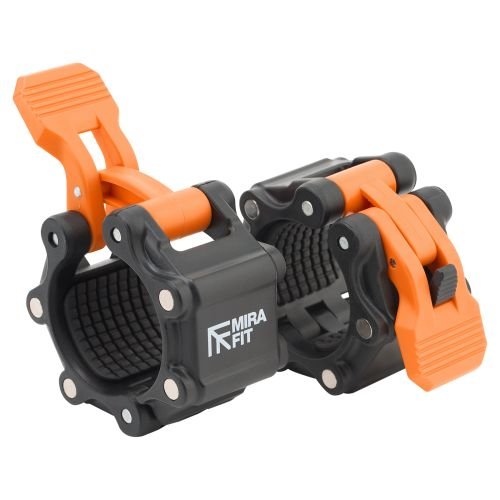
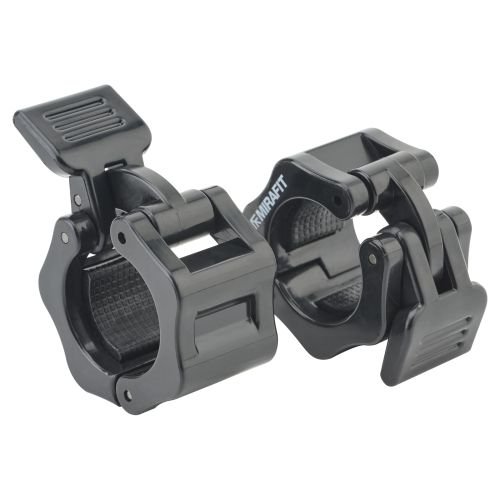
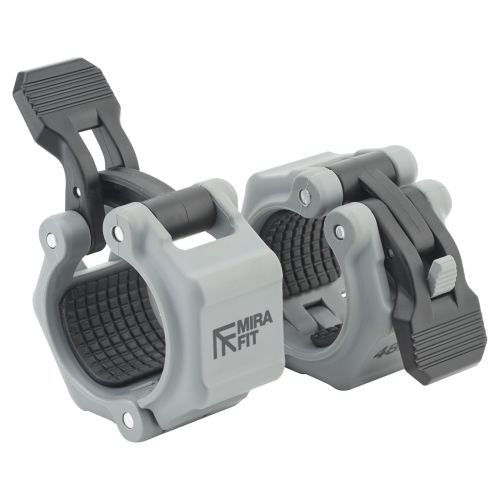
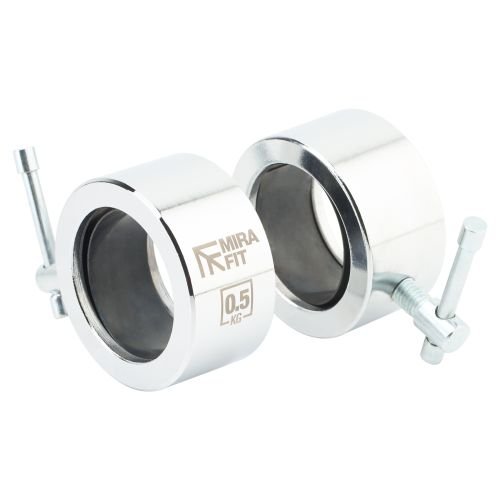
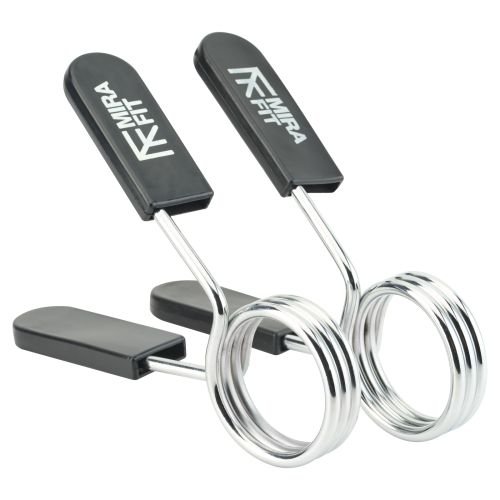
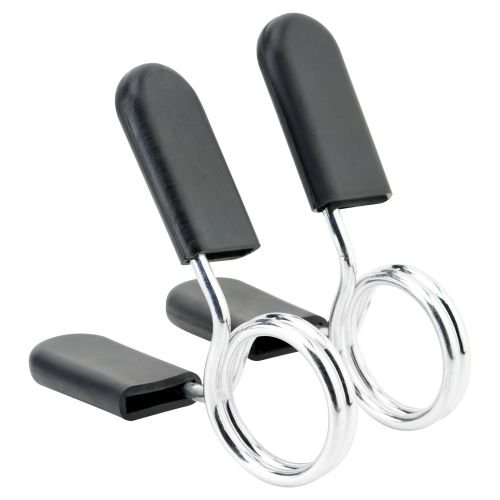
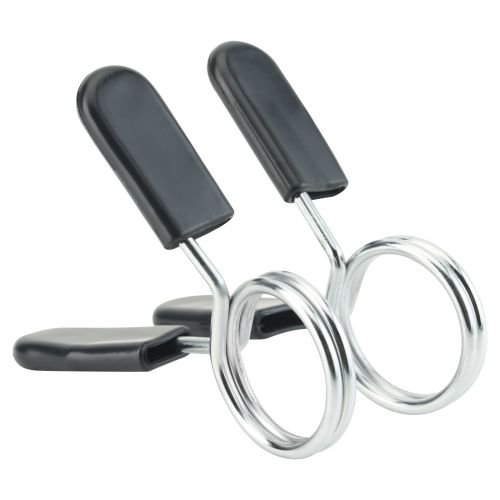
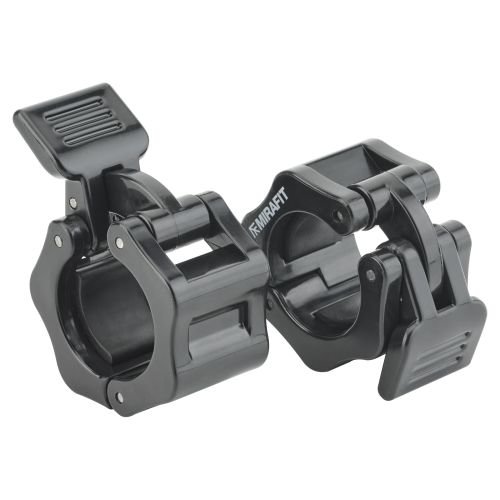
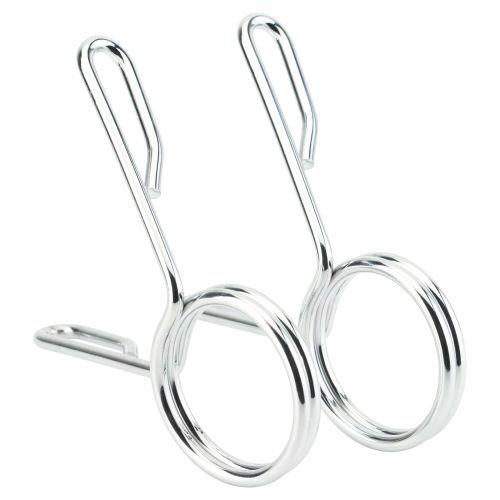
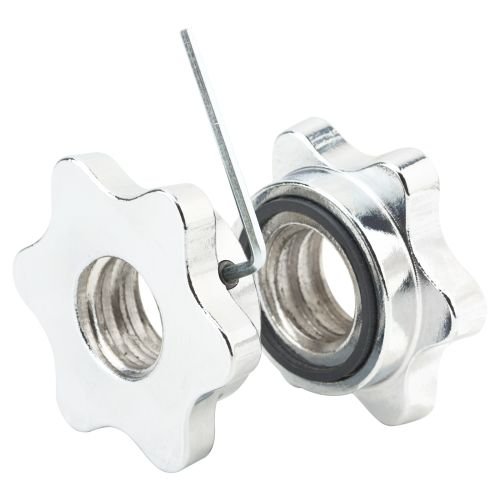
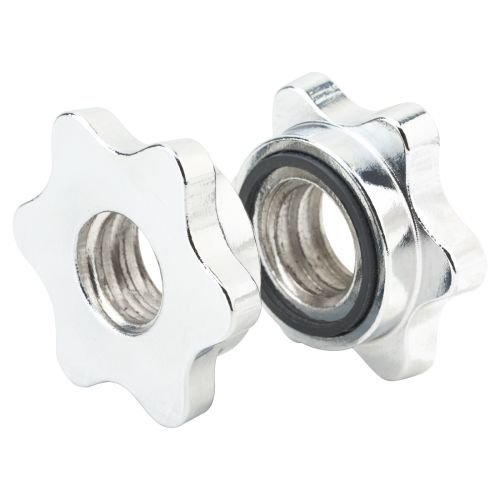
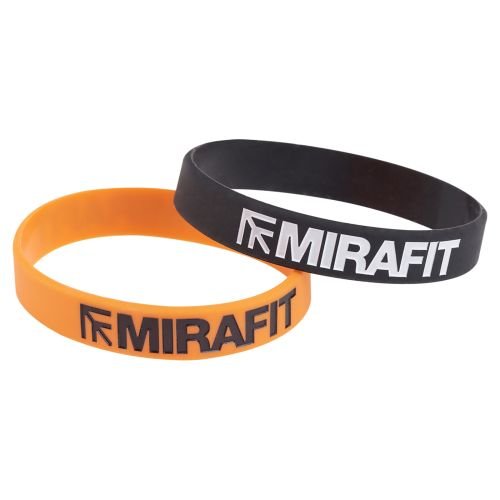
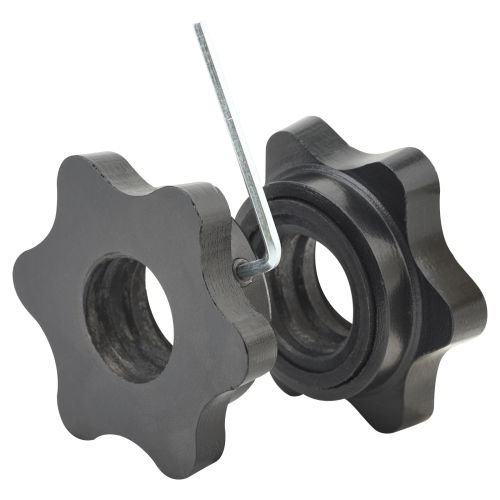
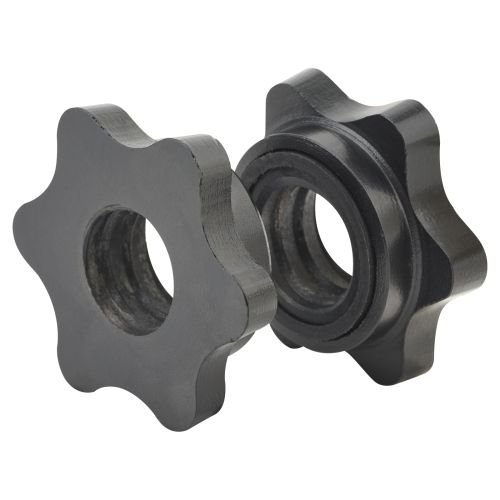
Complete your weight bars with our fantastic selection of weight bar collars. We have spring collars and quick release collars depending on your preference. The quick release collars come in a range of colours so that you can mix and match. And it doesn’t matter whether you are training with 1" standard bars or Olympic bars, we have QR collars to suit both, including collars in classic Mirafit orange and black. Looking to upgrade your bar collection? Get weight bars that are strong, durable and suitable for a wide range of strength training exercises here.
Barbell collars secure weight plates on a barbell or dumbbell handle to prevent them from sliding during exercise. Using collars improves safety, protects equipment and keeps the load balanced during movements such as squats, deadlifts, bench press, and Olympic lifts. Collars are recommended for both home gyms and commercial gyms.
Yes. Barbell collars help stop weight plates moving during lifts, reducing the risk of imbalance or plates sliding off the bar. Even for lighter training, collars improve safety and make workouts more secure.
The correct collar size depends on your bar diameter. 2" (50mm) collars fit Olympic barbells and Olympic dumbbell handles while 1" collars fit standard weight bars. Some specialist bars use slightly different diameters, such as 48mm sleeves. Always measure your bar or check the manufacturer's specification before purchasing.
Most Olympic barbells use 50mm sleeves, so 2-inch Olympic collars fit the majority of Olympic bars. However, some specialist bars may have slightly different sleeve diameters, so it is always worth checking compatibility before buying.
Spring collars are simple, affordable, and compact, while quick release collars are faster to use and often provide a stronger hold. Quick release collars are especially popular for circuit training, and workouts involving frequent plate changes. Spring collars remain a reliable choice for general strength training. Mirafit's quick release collars are designed to provide a secure fit and fast adjustments.
Quality quick release collars are designed to lock firmly onto the bar sleeve and resist movement during training. Many lifters prefer them because they allow rapid weight changes while maintaining a secure hold. Properly fitted collars should not slide during normal use.
Yes, provided the dumbbell handles use Olympic-sized 50mm sleeves. Many Olympic dumbbell handles are compatible with 2-inch collars, making it easy to secure plates during training.
Barbell collars should fit tightly enough to prevent plate movement but should not damage the sleeve of the bar. Quick release collars should lock fully into place, while spring collars should grip securely without requiring excessive force to move them on or off.
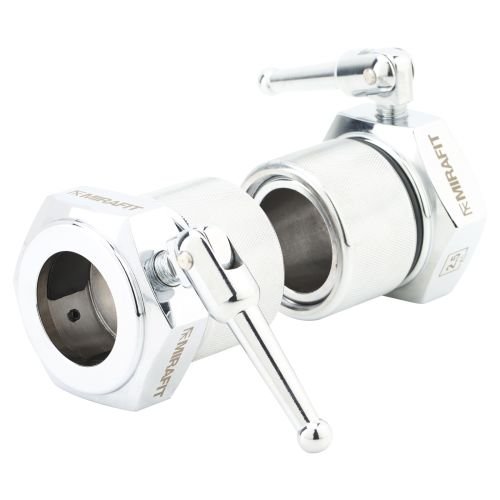
Yes. Competition collars are heavier and manufactured to meet weightlifting standards, often weighing 2.5kg per pair or per collar depending on specification. Quick release and spring collars are lighter and designed primarily to secure plates during everyday training.
Quality collars are designed to secure plates without damaging the bar sleeve. Many modern collars include rubber inserts or protective linings to reduce metal-to-metal contact and improve grip.
Weight plates may move if collars are loose, incorrectly sized, or not fitted properly. Using the correct collar size and ensuring it is fully secured helps keep plates stable during lifting.
Collars should be used for nearly all loaded barbell exercises, including squats, deadlifts, bench press, overhead press, Olympic lifts, rows and lunges. Collars are especially important during dynamic movements where plate movement is more likely.
Yes, but removing collars after use can help prolong their lifespan and make storage easier. Regularly checking collars for wear helps maintain a secure fit.