403 Forbidden
ERR_WEB_NGX_403

Checkout using your account
Checkout as a new customer
Creating an account has many benefits:
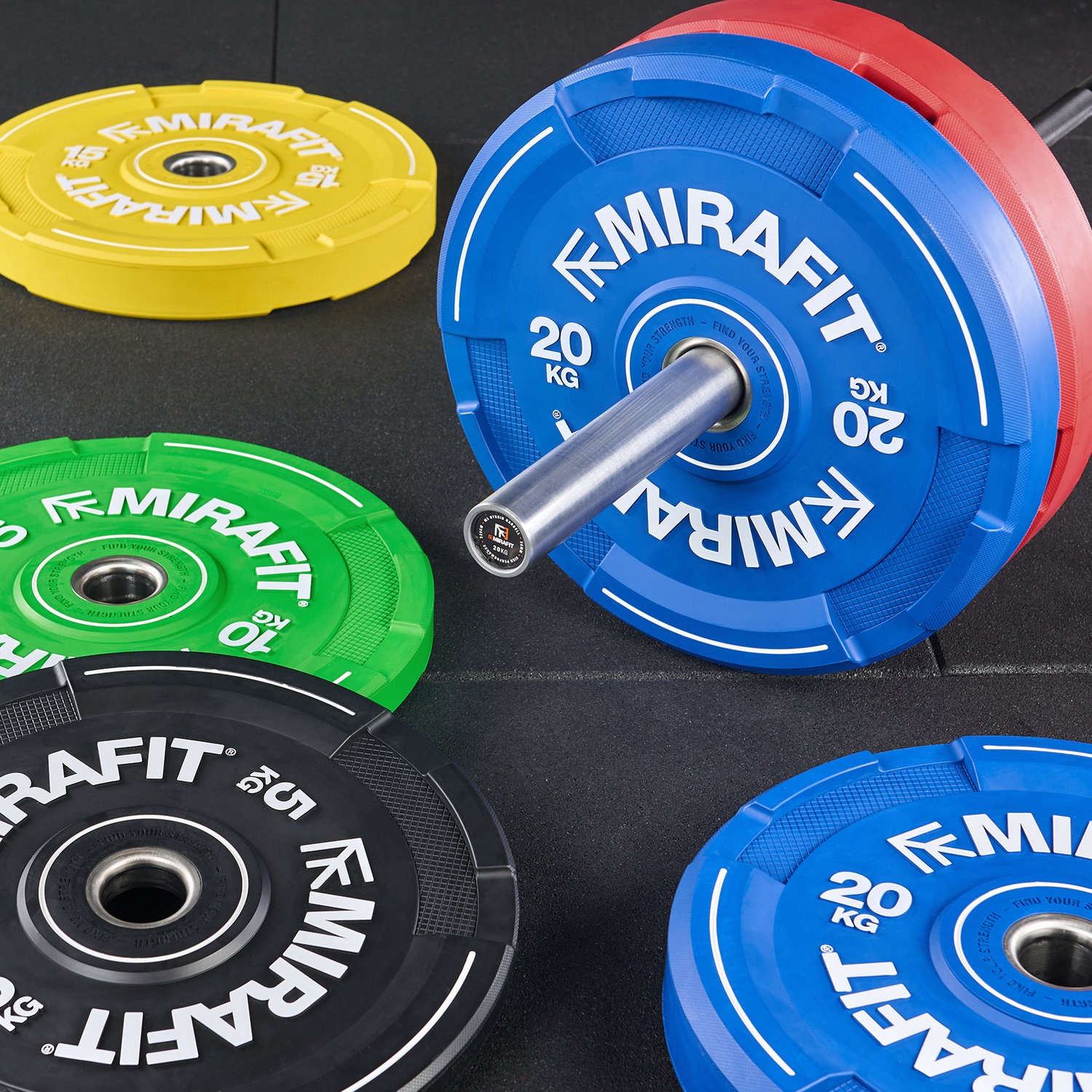
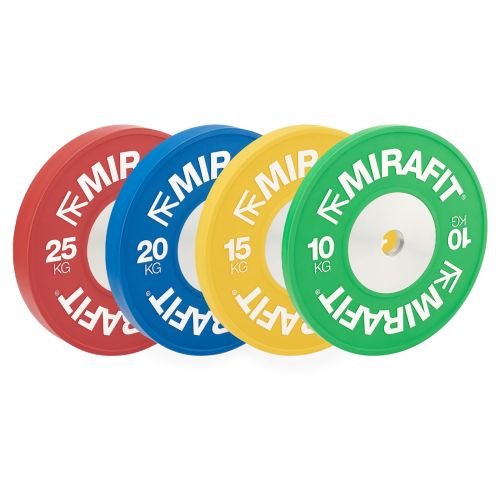
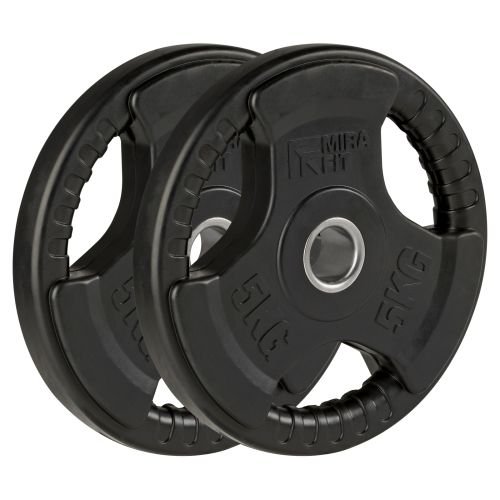
Deciding on which weight plates to buy depends on what type of training you’re planning on doing and what areas of the body you want to focus on. This will tell you what style of plates to go for. Whether you’re looking for something designed for high impact training like rubber bumper plates, or something for more precision-based training such as our Tri Grip Weights.
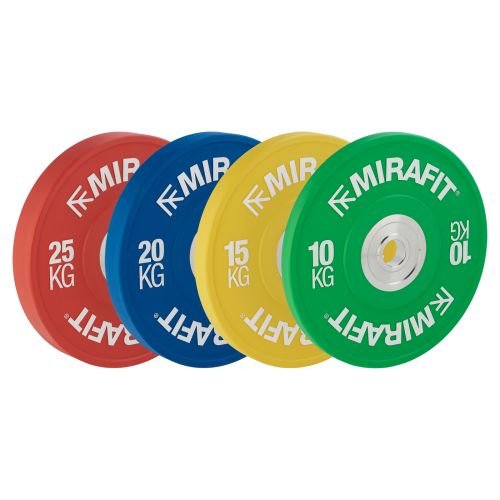
Deciding on which weight plates to buy depends on what type of training you’re planning on doing and what areas of the body you want to focus on. This will tell you what style of plates to go for. Whether you’re looking for something designed for high impact training like rubber bumper plates, or something for more precision-based training such as our Tri Grip Weights.
Beginners and those lifting lighter loads might want to use a standard sized bar which will fit 1" standard weight plates. And as you progress, more advanced lifters will need 2" Olympic weight plates. These fit onto thicker, Olympic sized barbells which can take more weight and are designed to be used with gym equipment such as power racks.
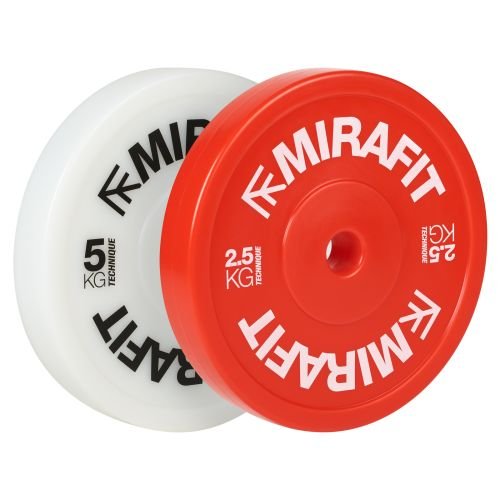
Looking to add to your collection of fitness equipment? Check out our selection of Cast Iron and Vinyl Weights for your home gym. And if you’re struggling with your strength training and looking to push past your current one-rep max, our Olympic Fractional Weights are specially designed to keep you raising your game and smashing your targets. And of course, weights and bars go hand-in-hand so head over to our weightlifting bars section to complete your set.
Weight plates are important because they allow for progressive overload, which is a key factor in building muscle and strength. By gradually increasing the weight you lift, your muscles adapt and grow stronger over time. Smaller fractional plates allow precise weight adjustments, making it easier to progress in smaller increments.
The main types of weight plates include bumper plates, cast iron plates and steel plates. Bumper plates are designed for Olympic lifting and can be dropped more safely, while cast iron plates are more compact and ideal for controlled strength training. Fractional plates and micro change plates allow smaller weight increases for progressive training.
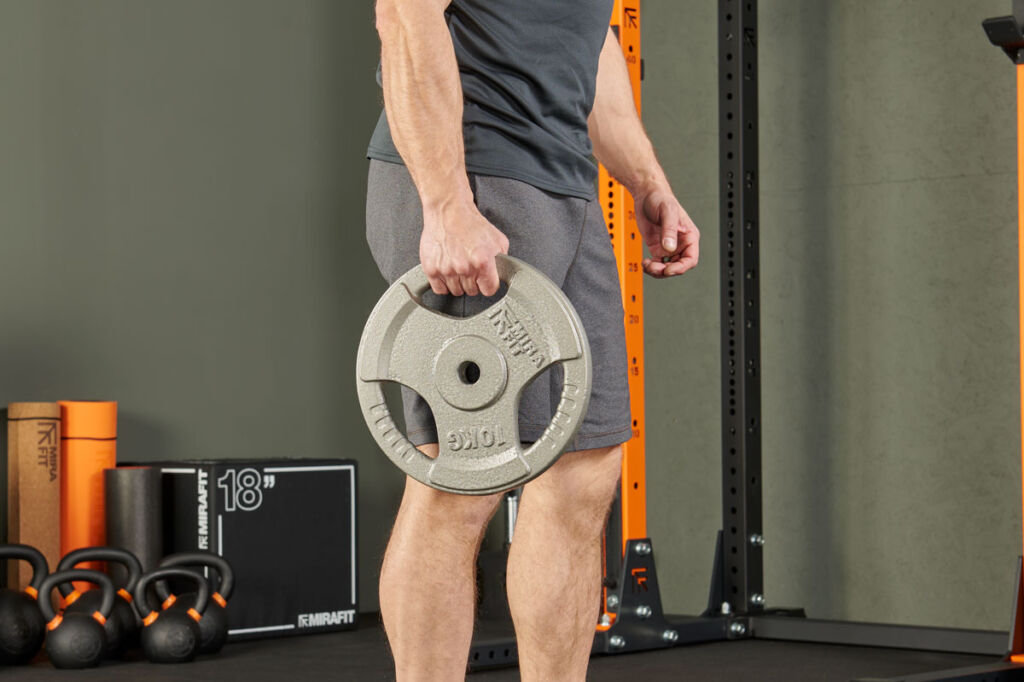
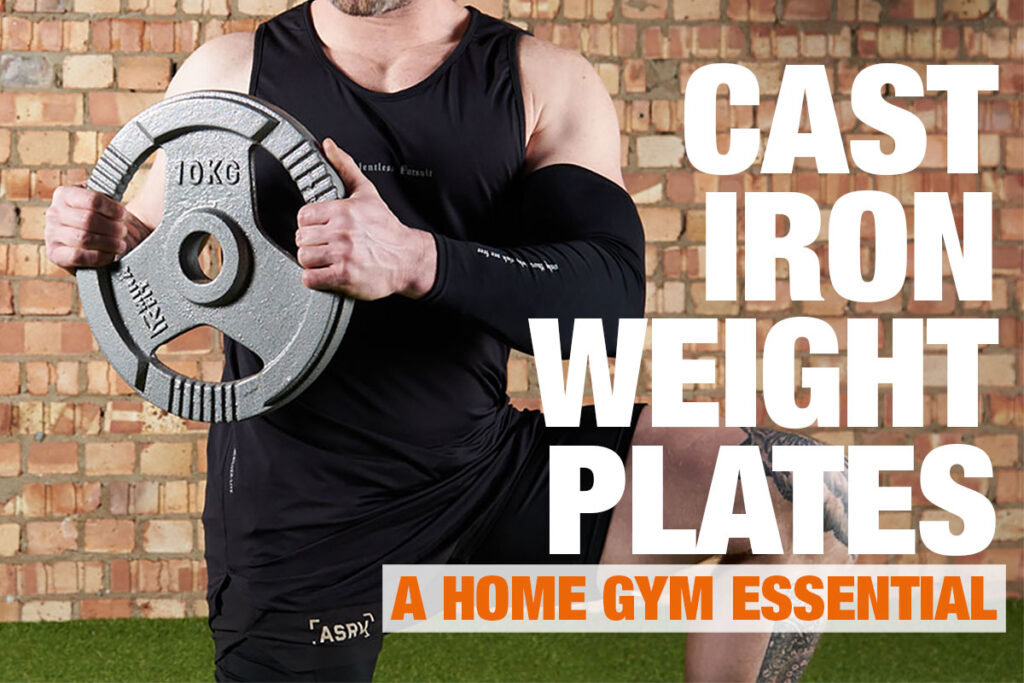
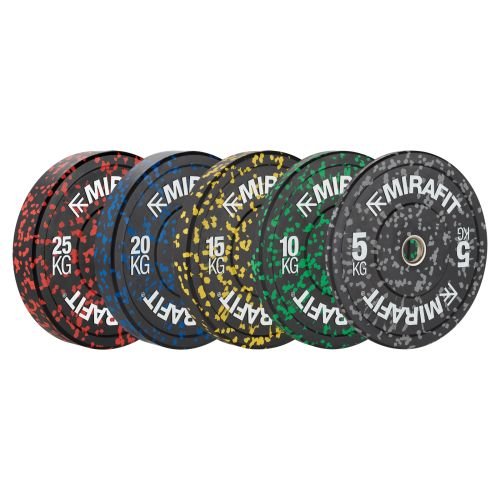
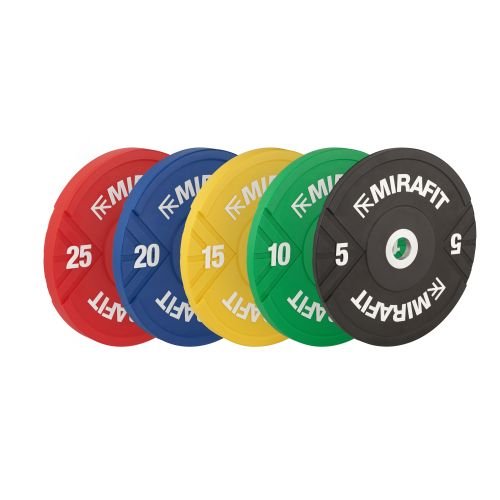
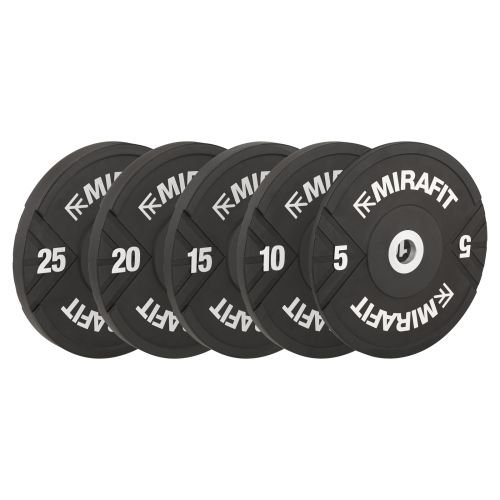
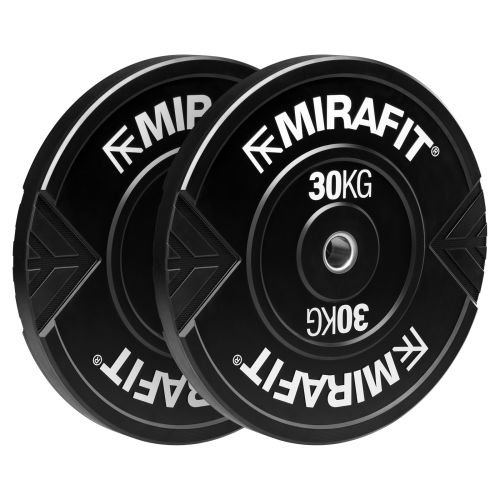
Bumper plates are made from dense rubber or Urethane and are designed to be dropped safely, making them ideal for Olympic lifts like cleans and snatches. Cast iron plates are more compact and durable but should not be dropped, as they can damage floors and equipment. Bumper plates are quieter, while cast iron plates are often smaller and narrower allowing you to fit more on a bar.
Olympic weight plates have a 2-inch (50mm) centre hole and are designed for Olympic barbells, while standard plates have a 1-inch centre hole and fit standard bars. Olympic plates are typically used for heavier lifting and are more common in gyms, whereas standard plates are often used in beginner or compact home gym setups. Plate loaded machines will typically require Olympic plates.
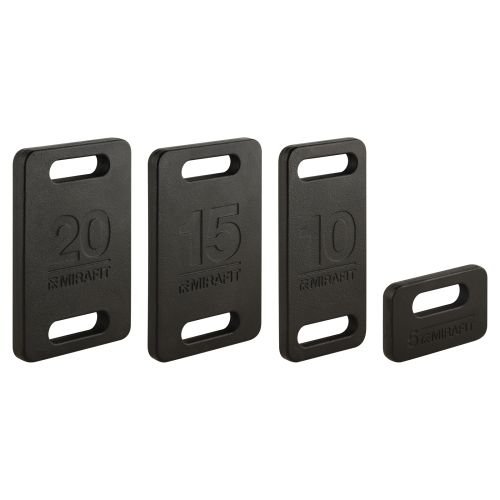
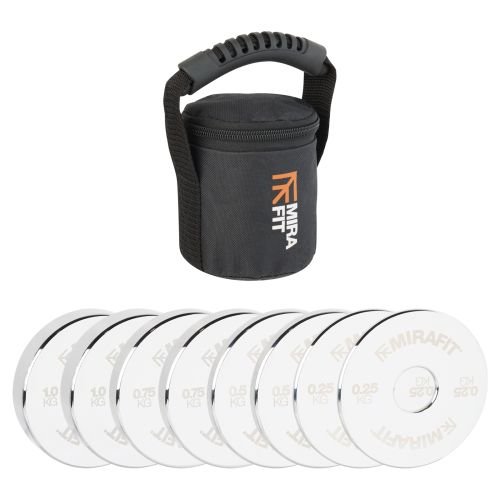
Fractional weight plates are smaller plates, ranging from 0.25kg to 5kg, used to make gradual increases in weight. They are ideal for breaking through strength plateaus and improving performance over time, especially in exercises like bench press or overhead press where small increments matter.
For a home gym, the best weight plates depend on your training style and space. Bumper plates are ideal if you plan to drop weights or do Olympic lifts, while cast iron or rubber-coated plates are more compact and suitable for general strength training.
Olympic weight plates are worth it if you want durability, versatility, and the ability to lift heavier weights. Their 2-inch design fits Olympic barbells and is widely used in gyms, this makes them a great long-term investment for serious strength training and home gym setups.
To choose the right weight plates, consider your barbell type, training goals, and available space. Olympic plates suit heavy lifting and long-term use, while standard plates are more compact and beginner-friendly. Also consider material; rubber plates reduce noise, while cast iron plates are more space-efficient. Commercial gyms often use urethane plates, for increased robustness and longevity.
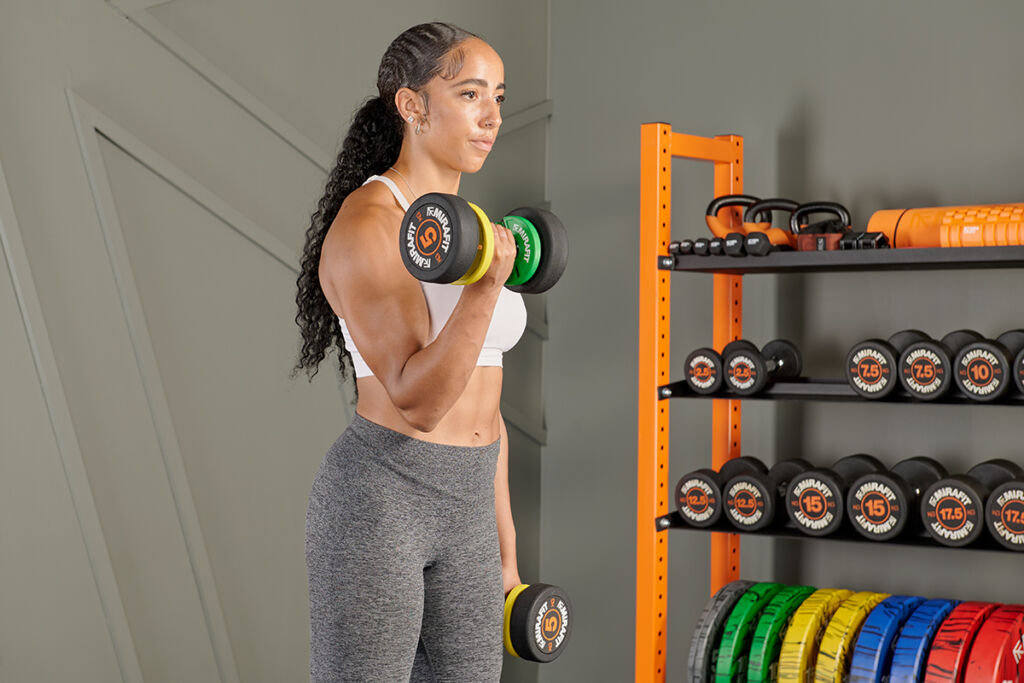
Beginners should start with a range of lighter to moderate weight plates, a popular way to start is with one of our bar and weight packages which come with a pair of 5kg, 10kg and 15kg plates. Along with a set of fractional plates, this allows gradual progression and strength development. Choosing easy-grip or rubber-coated plates can also make handling and control easier when changing weights.
No, not all weight plates fit all barbells. Standard weight plates have a 1-inch centre hole, while Olympic plates have a 2-inch centre hole. It’s important to match your plates to your barbell size to ensure a secure and safe fit during training.
You need 1-inch weight plates for standard barbells and 2-inch (Olympic) plates for Olympic barbells. Olympic plates are more versatile and commonly used for heavier lifting, while 1-inch plates are often used in smaller or beginner home gym setups.
Yes, weight plates can be used without a barbell for exercises such as plate presses, squats, front raises, and weighted lunges. This makes them a versatile addition to any workout, even without a full weightlifting setup. For more weight plate exercises see our blog
The weight you should start with depends on your fitness level and the exercise you’re performing. Beginners should choose a weight that allows proper form while still being challenging. You should start light and gradually increasing as strength improves.
Weight plates can be used for a wide range of exercises including squats, deadlifts, bench presses, overhead presses, lunges, and core movements like Russian twists. They can be used on a barbell or on their own, making them highly versatile for full-body workouts.
Weight plates offer more versatility than machines because they allow free-weight training, which engages stabilising muscles and supports functional strength. Machines can be useful for isolation, but weight plates are more often used for compound movements and overall muscle development.
Yes, weight plates can effectively build muscle when used consistently with progressive overload. By increasing the weight over time and performing resistance exercises, you stimulate muscle growth and improve overall strength.
Yes, weight plates are suitable for beginners because they are very versatile and allow gradual progression across many exercises. Starting with lighter weights and focusing on proper form helps build a strong foundation for long-term strength training.
For a home gym setup, you typically need a mix of weight plates that allow progressive loading, such as 5kg, 10kg, 15kg, and 20kg plates, along with smaller micro change plates. Olympic plates are often the best choice for long-term use due to their durability and compatibility with standard gym equipment.
Bumper plates can be better for beginners because they are safer to use and can be dropped without damaging floors or equipment. They are especially useful for learning Olympic lifts and reducing noise in a home gym environment.
Bumper plates are often the best choice for deadlifts, especially if you plan to lift heavy or drop the bar, as they protect both the floor and the equipment. For extra protection when lifting heavy, you could also invest in some drop pads. Cast iron plates can also be used for controlled deadlifts where the bar is lowered carefully.
Cast iron weight plates should not be dropped, as this can damage the plates, barbell, and flooring. If you need to drop weights during lifts, bumper plates are a more suitable option or you can use a deadlift platform or thicker flooring.
Cast iron deep dish or steel extra thin weight plates are best for small spaces because they take up less room on a barbell and in storage. Their compact design makes them ideal for home gyms with limited space.