Strength training has been a huge part of my life for around 13 years, and I have been working as a personal trainer for the last 6. Alongside my coaching, I’m a competitive powerlifter and national referee for the WRPF.
As a 44-year-old woman, I am now at the age when many women experience perimenopause, so I understand the changes that can happen at this stage in life. My own journey has given me a greater understanding of the challenges women can face, helping me be a better support to the women I coach.
- What is Perimenopause?
- How Does Strength Training Help During Perimenopause?
- Should You Focus on Lifting as Heavy as Possible, or Do More Reps with Lighter Weights?
- How Does Yoga Help During Perimenopause?
- How Can You Combat Hot Flushes When Exercises?
- Is it a Myth that Perimenopausal Women Have to Give Up All Cardio?
- What are Perimenopause Exercise Tips if You're New to the Gym?
- What are Perimenopause Exercise Tips if You've Been Exercising for Years?
- What Exercises Should You Avoid if Suffering From Joint Stiffness?
- How Do You Keep Consistent with Exercise if Suffering From Wildly Fluctuating Energy/Motivation Levels?
What is Perimenopause?
Perimenopause is a time in a woman’s life when her hormone levels begin to change, and her body starts the gradual transition towards menopause. This usually begins in your mid to late 40s, although for some women it can start as early as in their 30s.
Some women may have few or no symptoms, while others can experience symptoms that are more severe and can affect their daily lives. One of the first signs is usually a change in your periods, other symptoms can include headaches, hot flushes, mood changes, and brain fog.
While making changes to your exercise regime, sleep and diet can help ease the impact, if you have concerns about any symptoms you may have, please speak with your GP.
How Does Strength Training Help During Perimenopause?
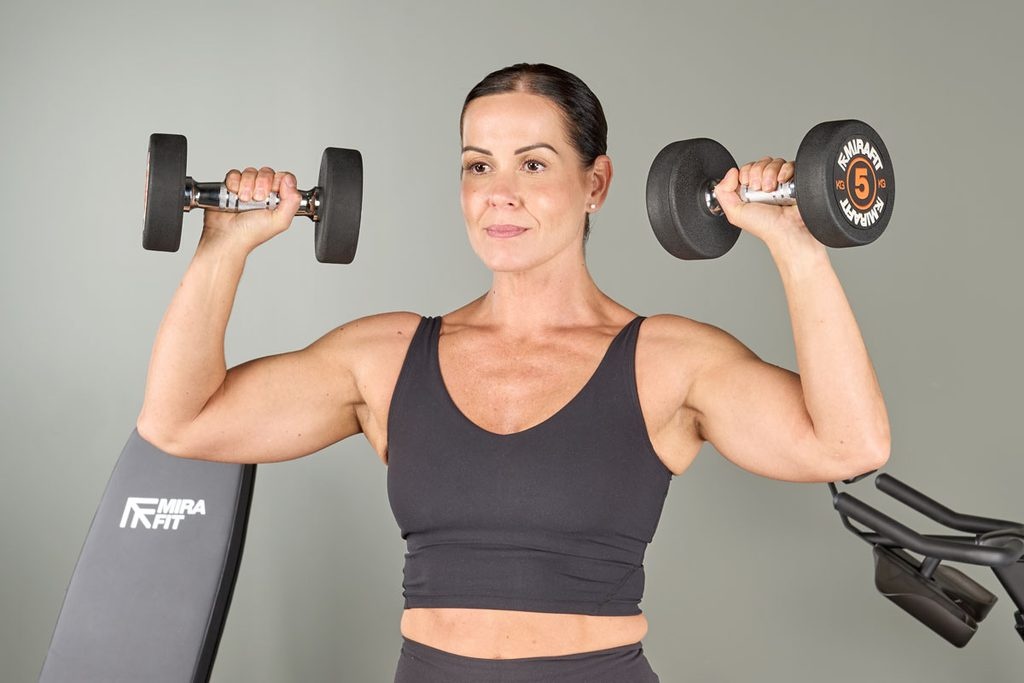
We can start losing muscle from around the age of 30 and the effects can become more noticeable as we get older. However, we can fight back with strength training, which helps to maintain and build muscle, while also strengthening your bones, helping protect against osteoporosis and fractures as we age.
As a 44-year-old myself, I have learnt how beneficial lifting heavy weights can be. Strength training has completely transformed my body, but it has also shown me what my body is capable of, given me greater confidence, and taught me that getting older doesn’t mean we have to get weaker.
Should You Focus on Lifting as Heavy as Possible, or Do More Reps with Lighter Weights?
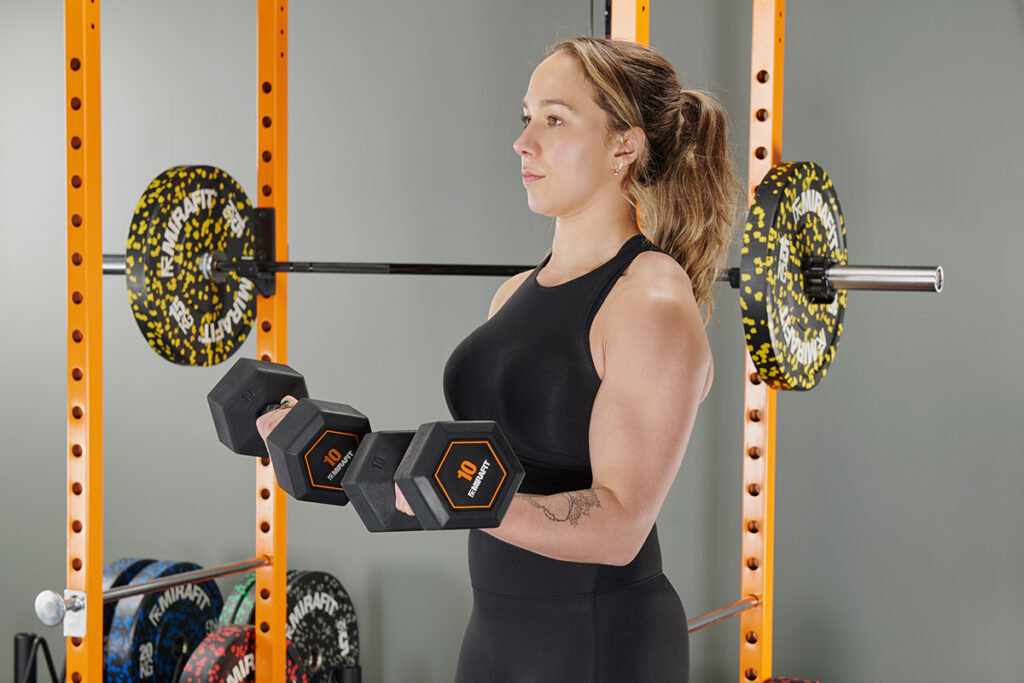
When it comes to building strength, I would generally recommend lifting heavier weights for fewer reps (between 4-6 reps, for 3-5 sets). This will give you larger gains in muscle strength than with more reps and lighter weights. If you are new to lifting weights I recommend starting with a more manageable weight focusing on good form and technique and slowly increase over time.
How Does Yoga Help During Perimenopause?
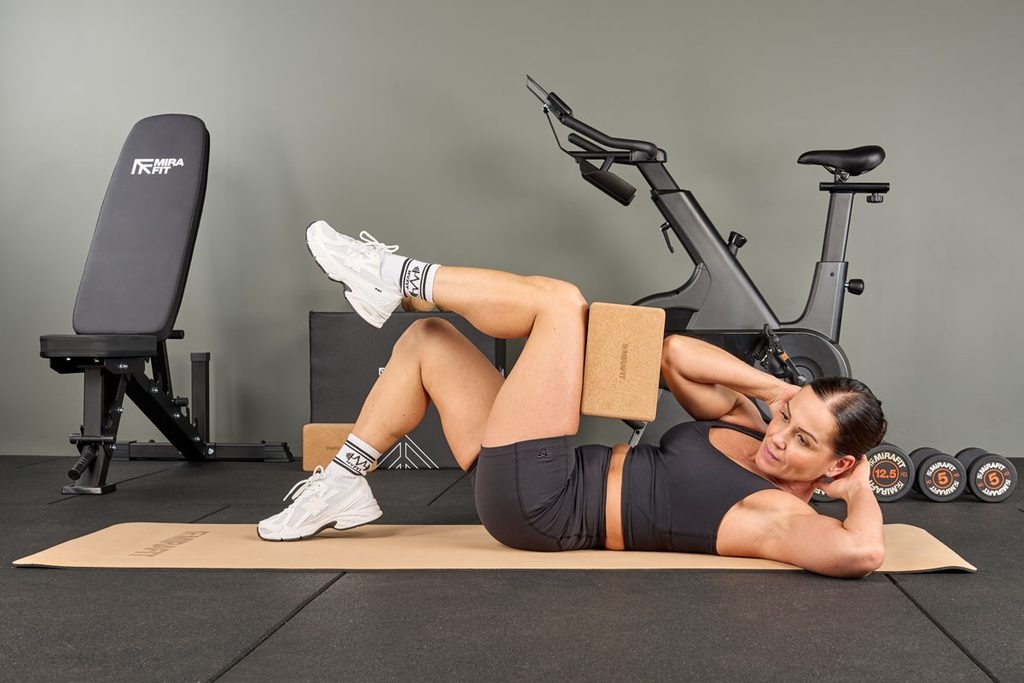
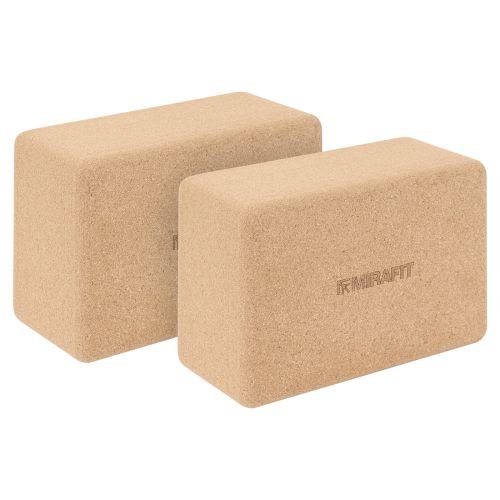
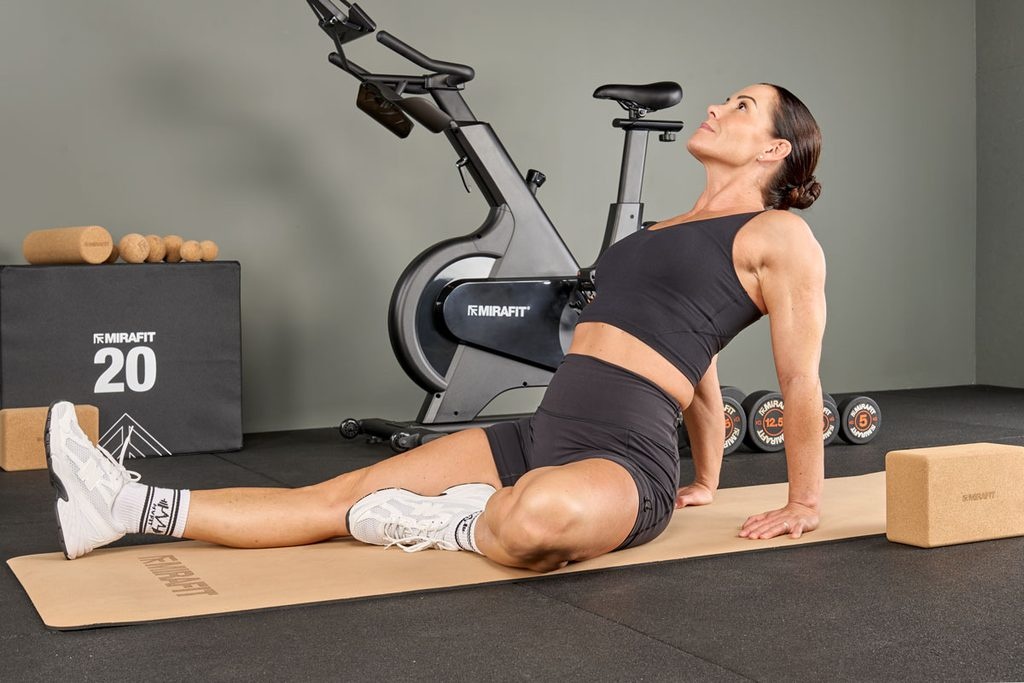
Yoga is great for women during perimenopause, and really complements strength training, as it helps keep your muscles and joints flexible. It also helps to manage stress and anxiety and improve focus, which may help to reduce brain fog. All of this can have a positive effect on your sleep and overall wellbeing. I would highly recommend adding a weekly yoga session to your routine.
How Can You Combat Hot Flushes When Exercises?
To help manage hot flushes during exercise, try to work out in a cool well-ventilated area with a fan if possible. Wear lightweight, breathable clothing that helps to absorb moisture, and make sure you stay hydrated. Drinking cold water during your workout and using cooling towels can help you stay cool too.
Is it a Myth that Perimenopausal Women Have to Give Up All Cardio?
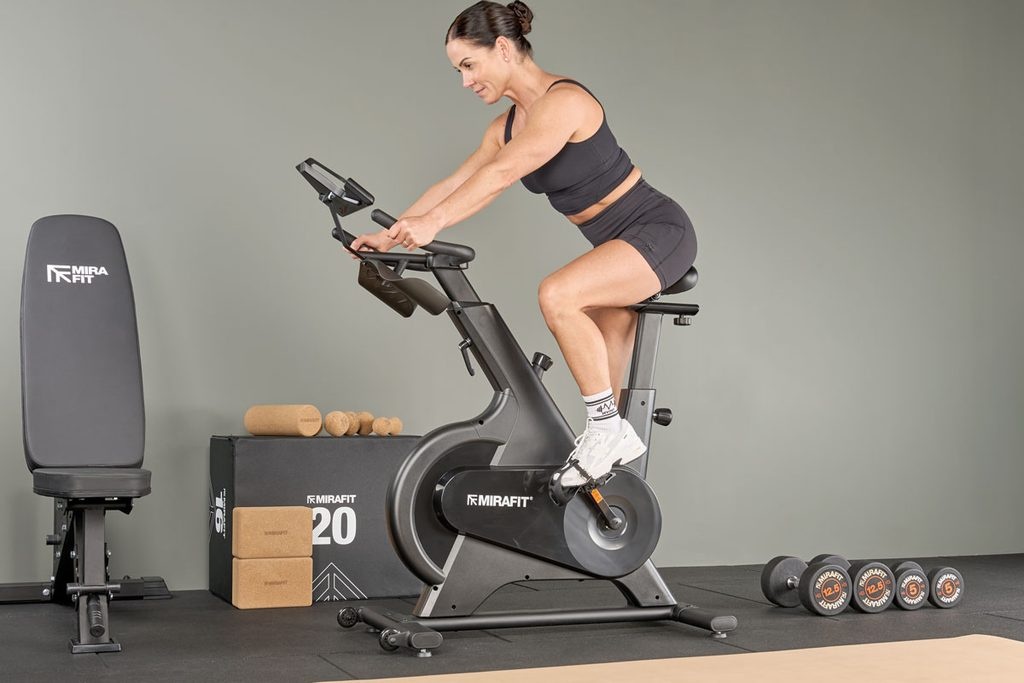
Yes, it’s a complete myth that women should give up all cardio. I would agree that strength training should take priority for building and maintaining muscle and supporting bone health, but cardio is also essential for heart health. Regular aerobic exercise can help regulate blood sugar, support your cardiovascular health, and boost your mood.
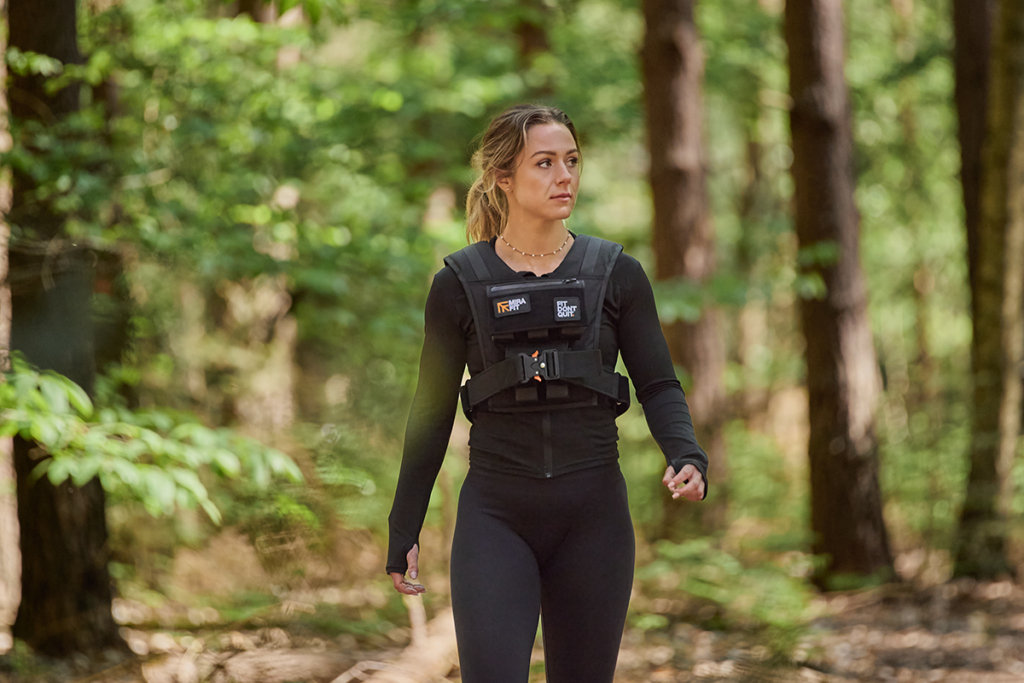
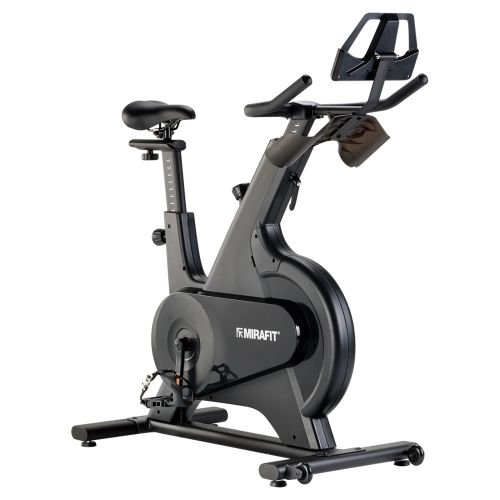
Find something you enjoy when it comes to cardio, whether it’s a short HIIT workout, a light jog, swimming or cycling on an Exercise Bike. That way you are more likely to stick with it. My go to is always a brisk walk, I aim to get between 8,000 and 10,000 steps per day and getting out in nature can be great for your mental health.
What are Perimenopause Exercise Tips if You're New to the Gym?
If you are new to exercise, a great way to get started is to join a local gym that offers group classes, where you will be taught by a qualified instructor. Going with friends can help with confidence, but believe me, you will most probably make new gym friends there too, especially if you attend regularly.
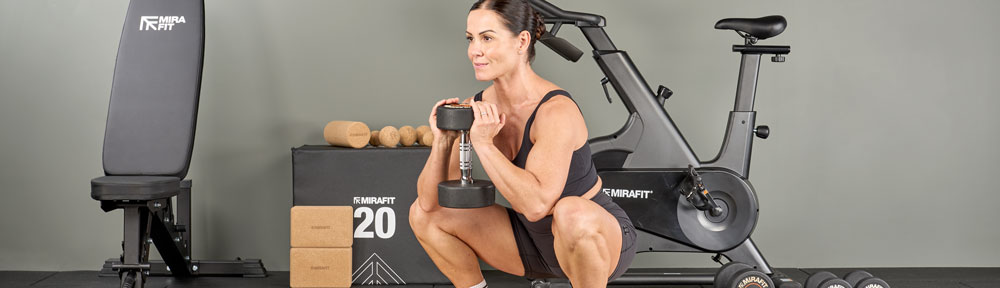
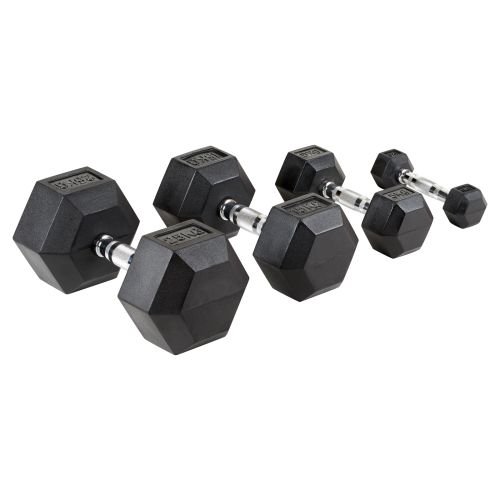
If you would prefer to train at home, maybe you feel self-conscious or can’t commit to set times, home workouts can be a great option too. All you need to get started is a set of dumbbells and a Adjustable Kettlebell. I would recommend using a fitness app with a certified coach, following a program which has been designed for beginners, alongside checking the Mirafit blog for lots of free accessible workouts.
What are Perimenopause Exercise Tips if You've Been Exercising for Years?
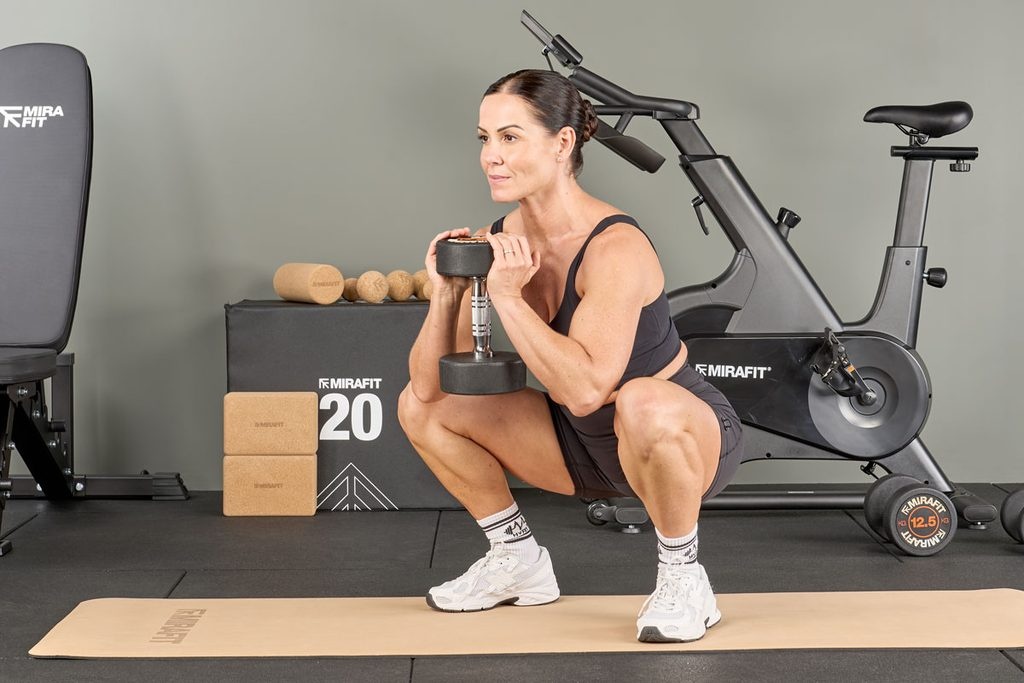
For those of you who have been exercising for years, you might find as you reach your 40s, your body takes a bit longer to recover from your training sessions. What worked 10 years ago might not work as well for you now, so it is important to adapt your training and listen to your body.
For example, if you train 5 days a week and find you are struggling to recover, think about reducing the number of training days. You could also combine your upper and lower body sessions into full body, allowing you more recovery time between workouts.
Your deload or pivot weeks may need to be more frequent. Try bringing these forward by a week to give you that lower intensity period slightly earlier to allow your body to recover before starting your next training block. This can also help reduce the risk of injury.
What Exercises Should You Avoid if Suffering From Joint Stiffness?
If you are experiencing joint stiffness, a low impact aerobics workout, yoga or walking is a good place to start. If you go to a gym, the cross trainer or Rowing Machine could be a good option or try walking on a treadmill with a slight incline. Strength training can also be beneficial, but keep the weight comfortably light, and carry out the exercises slow and controlled.
Avoid any movements that cause pain or discomfort, and any high impact exercises such as running and jumping. If you have any concerns about your joint stiffness or you are experiencing pain, please speak with your GP.
How Do You Keep Consistent with Exercise if Suffering From Wildly Fluctuating Energy/Motivation Levels?
Staying consistent with exercise can become harder as we age, especially when our energy levels fluctuate. That’s why reducing the number of training days can help, allowing your body more time to recover.
On the days you feel low on energy reduce the intensity of your workout, lower the weight, shorten the workout, or swap your training days around for something gentler, like yoga, so you are still keeping active.
If you train the same days every week you will find you are more motivated as exercising becomes part of your routine. On the days you feel like you have more energy, use these to get your more intense workouts done.
Going through perimenopause doesn’t mean we need to accept we are getting weaker. This stage in our lives, is one of the best times to start prioritising strength training, and your future self will thank you for it. Strength training isn’t just about looking good, it’s about staying strong, independent, active and healthy for years to come.
For more content, follow us on Instagram, YouTube, TikTok, and on our official Mirafit Facebook page.
Tags: Misc. > Lifestyle
Written by guest author Michelle Vettese.