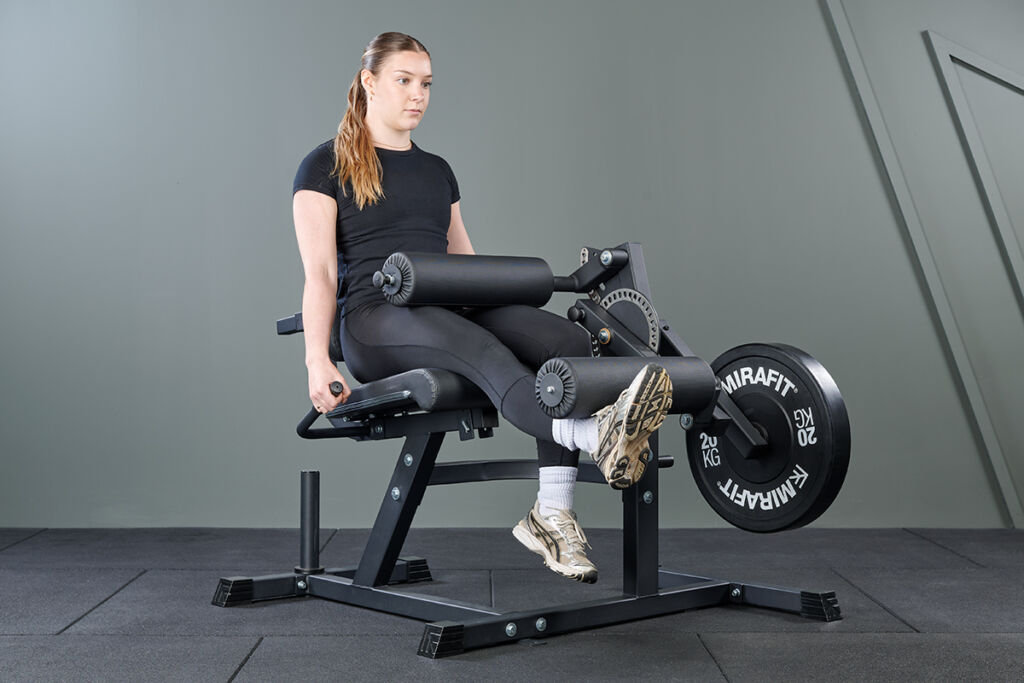

Training for mass, otherwise known as hypertrophy training, is one of the most common reasons people take part in resistance training, and rightly so given the potential for increased muscle mass. This will improve functional capacity as we age and increase strength gains, which may carry over to power and sports performance.
However, the ‘How To’ behind hypertrophy training has long been misunderstood and debated in the health and fitness industry with many confusing principles and methods of hypertrophy training.

- What is the Difference Between a Principle and a Method of Hypertrophy Training?
- What are Methods of Increasing Training Volume?
- What are Methods of Increasing Proximity to Failure?
- Why is It Important to Distinguish Between Principles and Methods of Hypertrophy Training?
- How Close to Failure Should You Train to Increase Mass?
What is the Difference Between a Principle and a Method of Hypertrophy Training?

A principle of hypertrophy training is the reason for increased muscle mass after training.
Key principles for hypertrophy is training volume (sets x reps x weight) and proximity to failure (how close to failure you are training in your sessions and in your sets).
Methods of hypertrophy training, on the other hand are ways in which we can adhere to these mechanisms.
What are Methods of Increasing Training Volume?
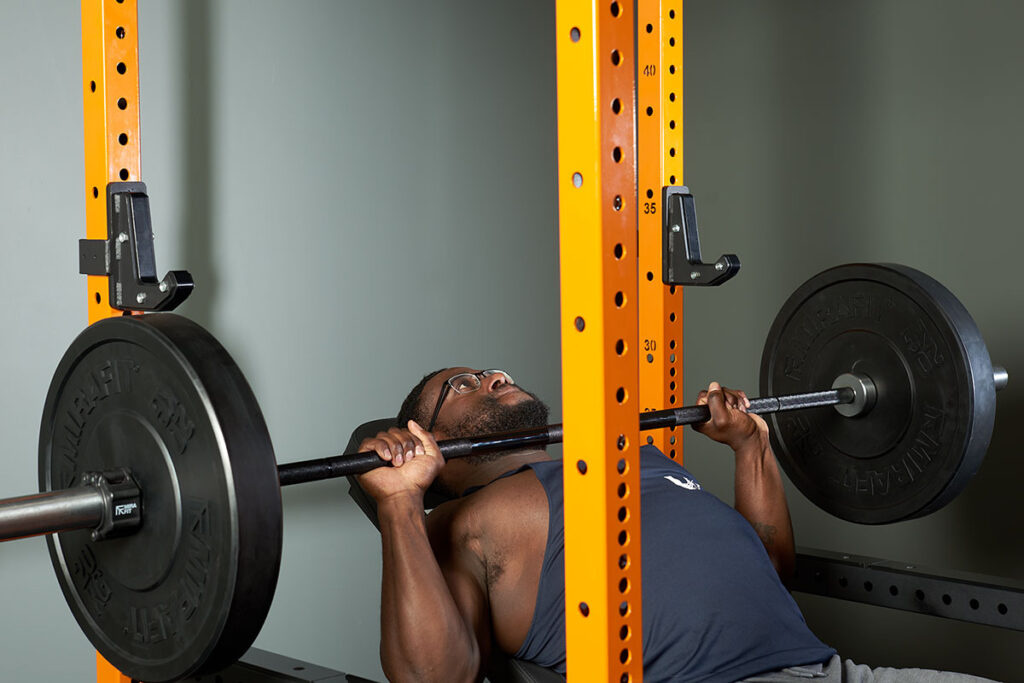
• Increased Training Frequency – Increasing how many times you train a body part or how many times you train in general increases your overall training volume throughout the week. A useful tip is to train each body part 2-3 times per week and to train up to 5 days a week, depending on your lifestyle, so that you don’t overtrain. Overtraining in your sessions repeatedly will accumulate excessive fatigue and actual lead to a loss of gains and increased risk of injury.
• Increased Repetitions – Training at a higher rep range, between 6 and 12 reps, increases your training volume.
• Increased Number of Sets- As you become more advanced, you can slowly increase the number of sets in your training to increase your overall volume and continue to increase muscle mass. A nice guide is to start with 2-3 high quality sets when you start your gym journey and slowly increase it over time.
What are Methods of Increasing Proximity to Failure?
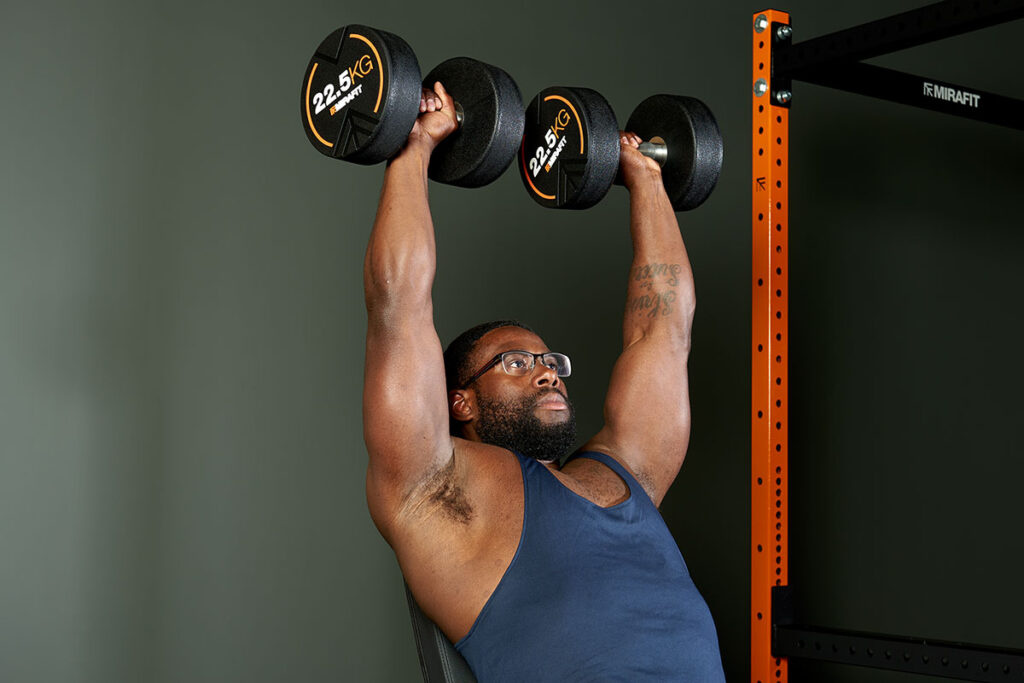
• Increasing the load on the bar – increasing the load on the Barbell so that you are closer to failure when you finish your prescribed reps.
• Slowing the time under tension – If increasing the load on the barbell (or other piece of equipment) isn’t appropriate or possible, then you can slow the time under tension. This means that you force yourself to move the weight slower to force your body closer to failure.
Why is It Important to Distinguish Between Principles and Methods of Hypertrophy Training?
This distinction is important so that your methods of training adhere to the underlying principles of your hypertrophy training, making it an effective method of training. For instance, long time under tension training will likely only increase gains if it induces a close proximity to failure, not just as a result of the long contraction time.
How Close to Failure Should You Train to Increase Mass?

Training within 1-3 repetitions from failure, otherwise known as ‘reps in reserve’, which can also be referred to as roughly RPE 7-9, is a good guide for hypertrophy training. It is recommended that you train close to failure but not actually to failure on a regular basis so that you get the benefits of hypertrophy training, without the intense DOMs of training to absolute failure.
This will allow you to train more often and provide you with more opportunities for adaptation and hypertrophy gains, and on the whole, more sustainable progress, without as much risk of overtraining and injury.
Use these Hypertrophy Training tips to make sure your training gets you the gains you want it to!
Check out our Complete guide to dumbbells
For more content, follow us on Instagram @Mirafit Official and on our official Mirafit Facebook page.
Tags: Equipment > Bars & Weight Plates ; Equipment > Dumbbells ; Exercise Type > Strength