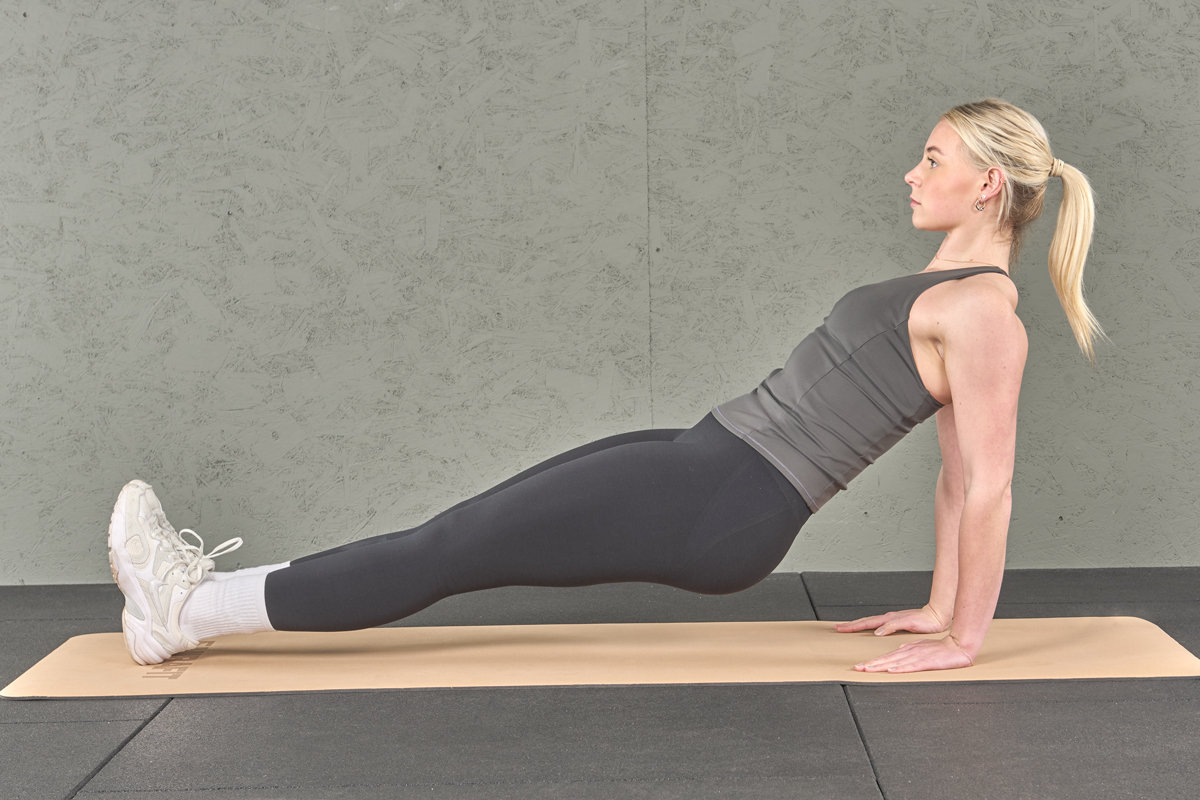
Summer season is just around the corner, and if you’re planning to showcase a strong and visibly trained core, now’s the time to put in the work.
But what does “training your core” actually mean? Your core consists of a group of muscles surrounding your spine, abdomen and hips. They’re essential when carrying any type of load and help protect the spine. Having strong core muscles helps prevent injury and optimises athletic performance.
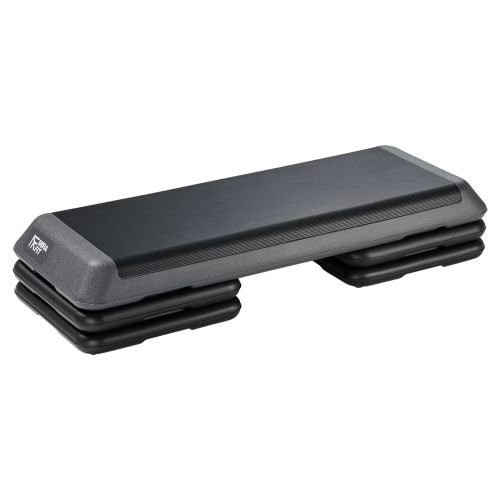
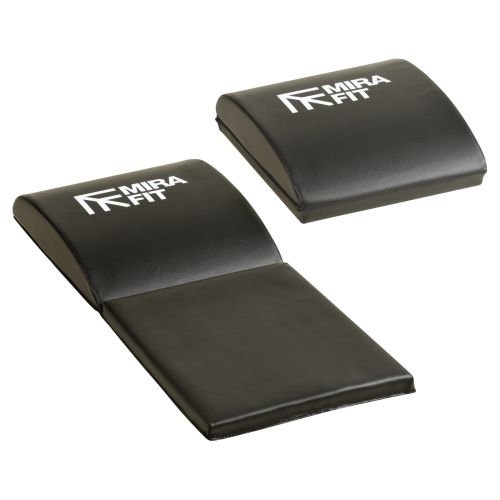
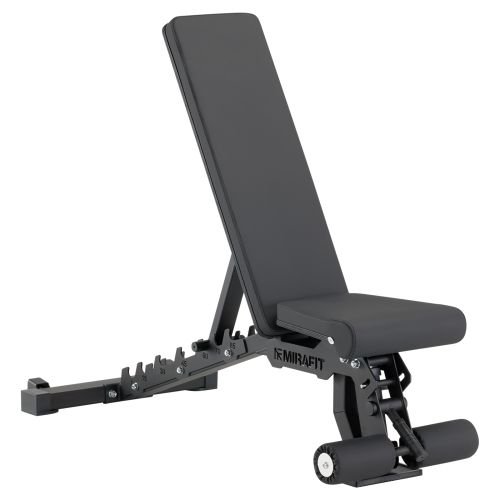
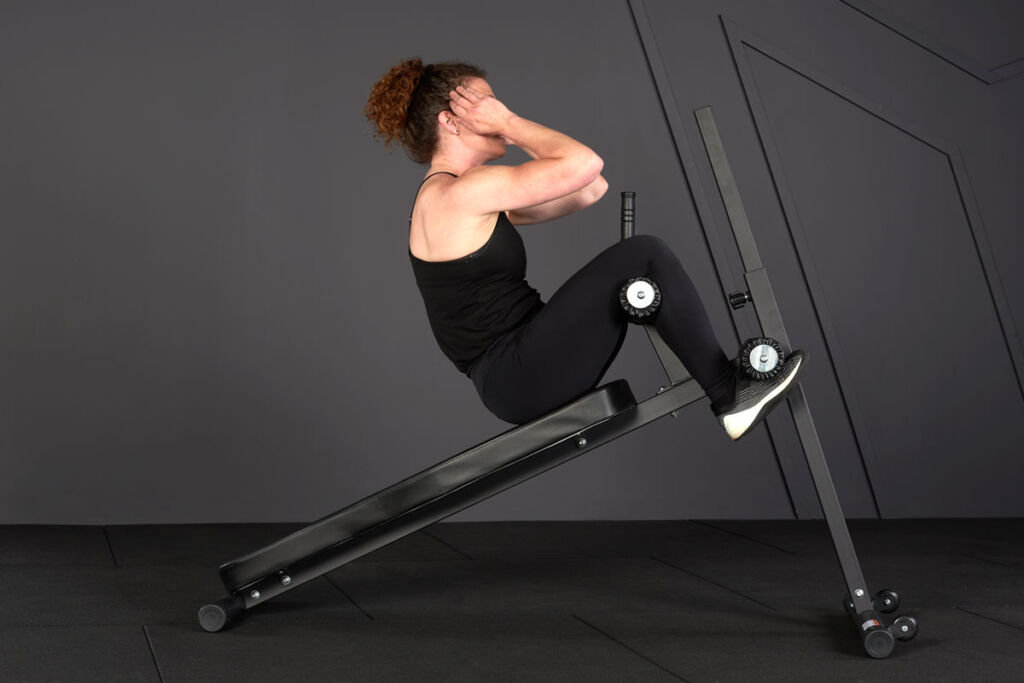
How to train your core properly continues to be surrounded by myths and wrong information. You might have guessed it already, but a strong core means more than having washboard abs, and you’ll need to do a lot more than sit-ups on an Ab Bench to achieve it. Let’s break down the most persistent myths and answer frequently asked questions about training your core.
Will Doing Core Exercises Make You Lose Belly Fat?
Doing core exercises can help you lose softness around your belly. However, they will not help you lose body fat specifically in your core area. When you exercise, you don’t have control as to where you lose fat – this is a myth known as spot reduction. All forms of exercise, including core exercises, increase the number of calories and stored body fat you’ll burn, but the effects can’t be targeted.
What you do have control over is how defined parts of your body look by training and developing the muscles in those areas. By performing plenty of core exercises, you will train the muscles in and around your belly. Once your body fat percentage drops, these muscles will become visible sooner compared to untrained muscles. For men, core muscles will start showing around 10–15% body fat. For women, this number sits around 18–22%. Hitting these numbers isn’t an easy feat. If necessary, consult a qualified nutritionist to help you get there safely.
Will Doing Core Exercises Give You Abs?
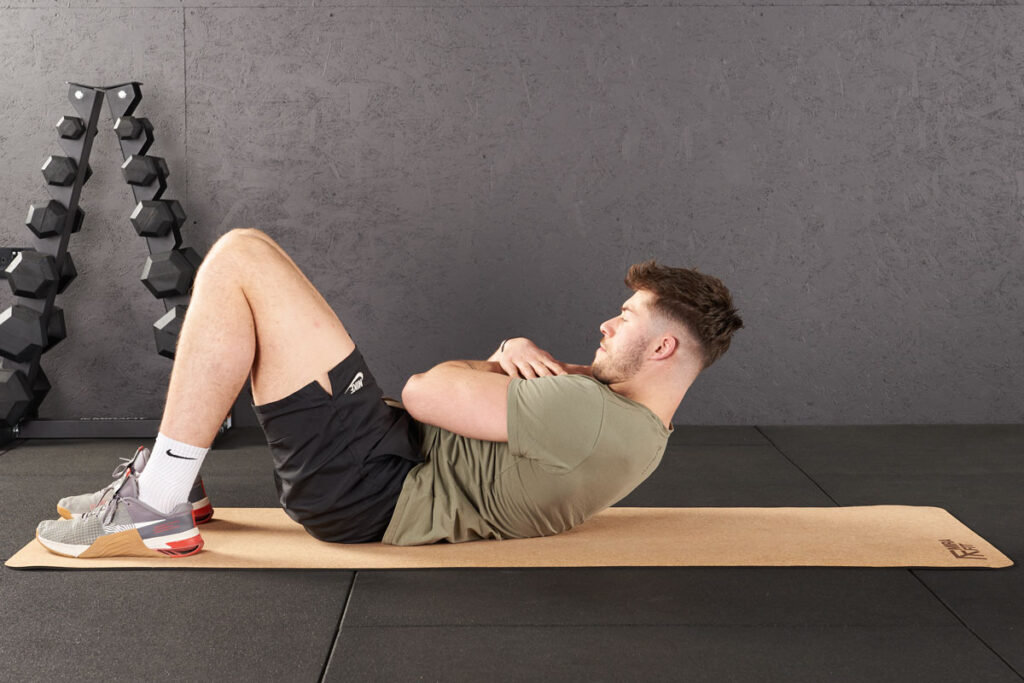
Your abdominal muscles are already there, but training them can help them get bigger. When we talk about “visible abs”, we often mean the rectus abdominis (the six-pack muscle), the external and internal obliques, and the transverse abdominis, which is the deepest layer of core muscle. Planks, deadbugs, crunches, leg raises, and hollow body holds are examples of exercises that target these muscles.
Is Training Your Core Only Good for Aesthetics?
A strong core is useful for so much more than just aesthetics. Both everyday activities like sitting in a chair, picking something up from the floor, and carrying a bag of groceries, and all types of athletic performances rely heavily on the strength and stability of your core muscles. A weak core can easily lead to slouching, poor posture, and lower back pain. Working a desk job? Training your core muscles is particularly important to help avoid this.
Having an untrained core can also affect your strength in other, seemingly unrelated, exercises. For example, a weak core can make your push press weaker too because your body lacks the necessary stability during the lift. Your core is responsible for keeping your torso tight so energy can be efficiently transferred from your body onto the bar. If your core is weak, you might lose balance or lean back, putting excessive strain on your lower spine and losing power.
Is Core Training Only Sit Ups and Crunches?
No, core training is much more varied than that. And that’s because your core consists of many more muscles than just those visible abs. Here’s a list of all muscles making up your core and examples of exercises that specifically target that individual muscle.
• Rectus abdominis - crunches; leg raises using a pull-up bar or high parallettes.
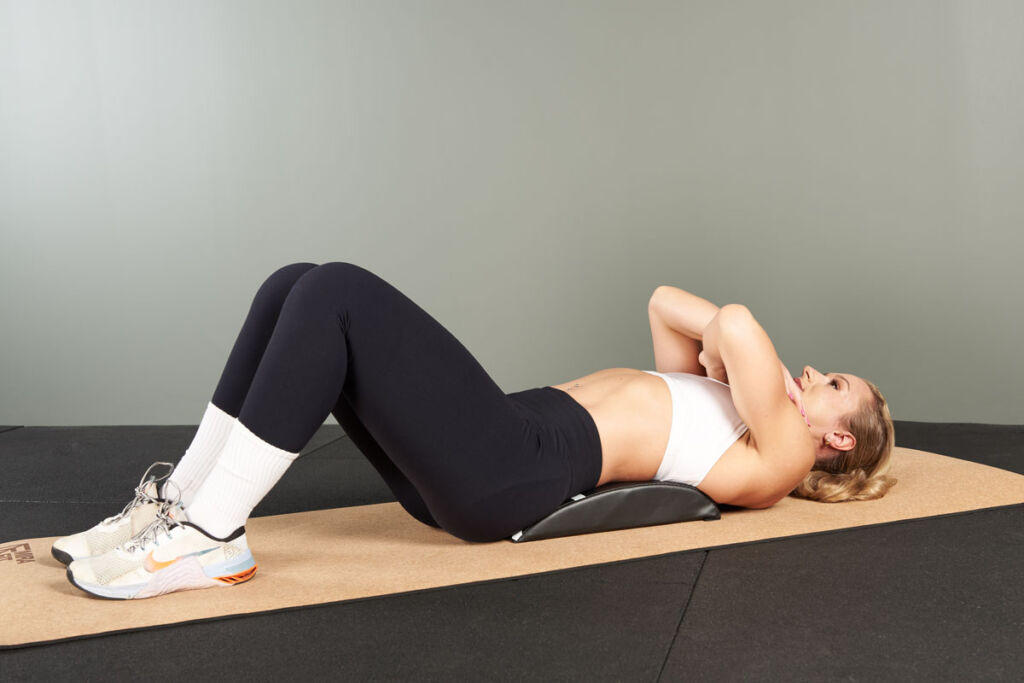
• Transverse abdominis - plank; hollow body holds; sit-ups, use an ab pad mat for comfort.
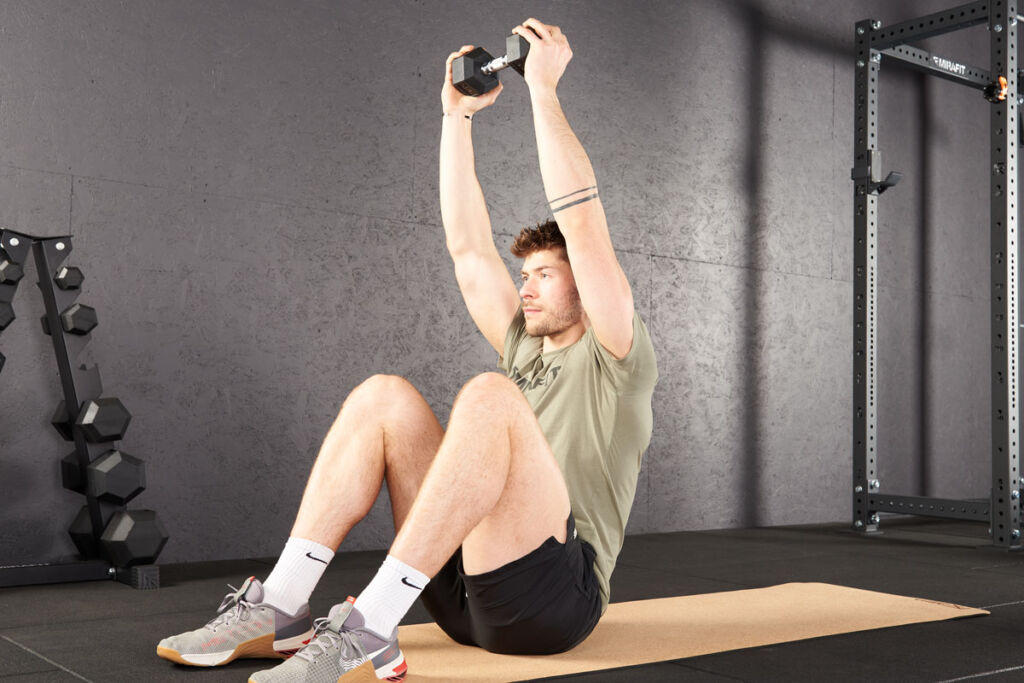
• External obliques - side planks; Russian twists, use a medicine ball or light dumbbell to make it harder.
• Internal obliques - bicycle crunches, use a Pilates ball to up your game
• Erector spinae - back extensions; superman holds.
• Gluteus maximus - hip thrusts using dumbbells or a barbell; glute bridges using a resistance band to level up.
• Gluteus medius - clamshells using a Glute Band; lateral band walks.
• Hip flexors - mountain climbers; leg raises.
• Diaphragm - diaphragmatic breathing.
• Pelvic floor - Kegel exercises.
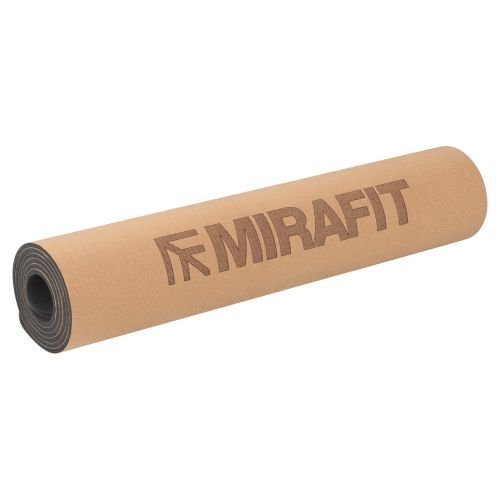
A lot of these exercises require you to lie down. Make sure you use a Ab Mat, yoga mat or gym bench to make yourself comfortable.
Do You Need to do Dedicated Core Exercises If You Do Compound Lifts?
You don’t have to, but it is recommended. Compound lifts such as squats, deadlifts, and overhead presses already involve your core muscles and thus help to make them stronger – that is, when you’re lifting with good form! But compound lifts are not comprehensive core training. They mainly teach your core to brace, but in other areas, such as endurance or lateral movement, your core remains underdeveloped. For optimal posture, performance, and to avoid injury, it would certainly be wise to add some core-specific exercises to your training.
Does Core Training Have to Be High Rep?
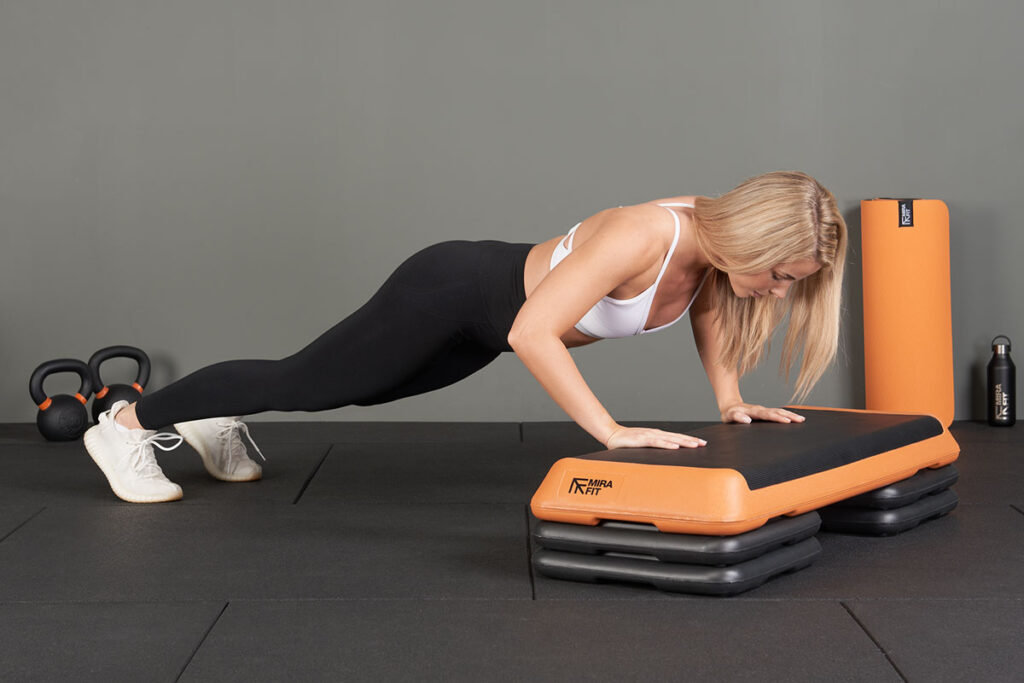
That depends on what you’re trying to achieve. Some core muscles respond best to static work or time under tension. For example, planks and slow, controlled deadbugs work best for your transverse abdominis. The focus should be on tension, not reps or speed.
If you’re training for strength specifically, you can train your core muscles with moderate reps and added resistance or external load, such as weighted crunches or hanging leg raises.
High reps are only really recommended when you’re training for endurance. If you want to improve your performance during mid to long runs, where you’re using your core non-stop, higher reps are useful.
For general fitness, picking two or three core exercises (of which at least one is a static hold) to add at the end of your workout will do the trick. As with all things fitness, quality and consistency are key!
For more content, follow us on Instagram, YouTube, TikTok, and on our official Mirafit Facebook page.
Tags: Exercise Type > Strength