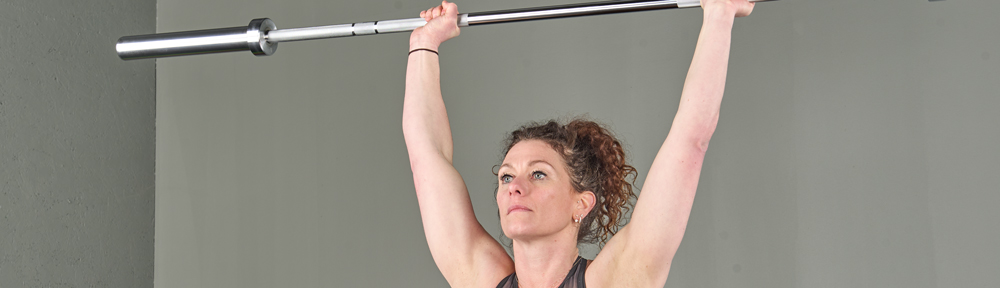
The push jerk and power jerk are both variations of the Olympic jerk lift. It’s the footwork and receiving position that sets them apart from each other. These differences – although subtle – can make a real impact on your training and progress in your fitness journey.
What is a Push Jerk?
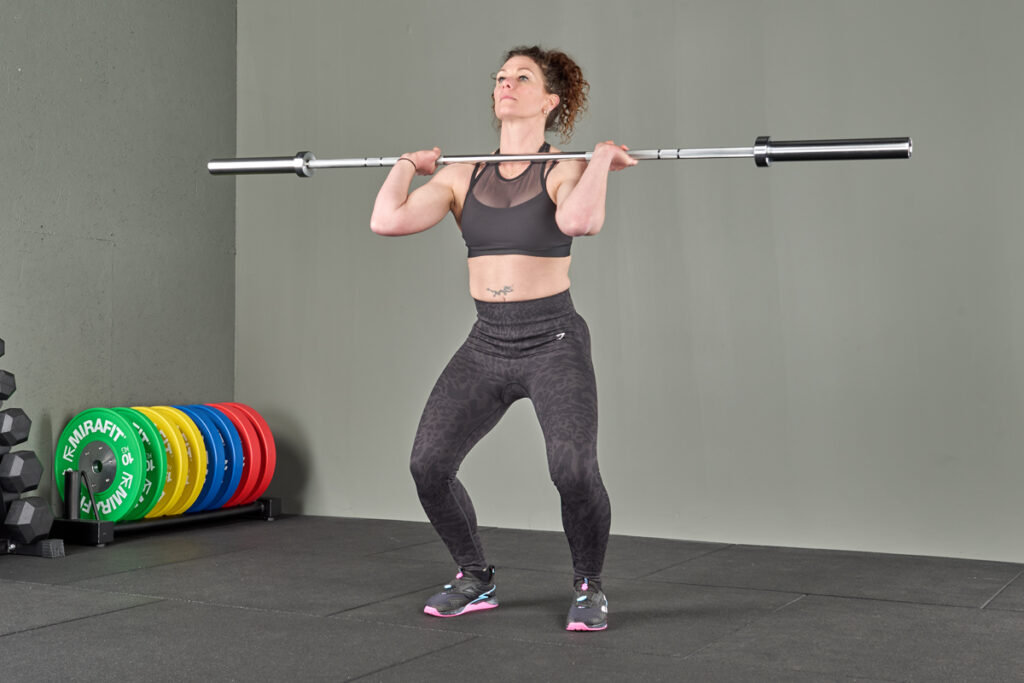
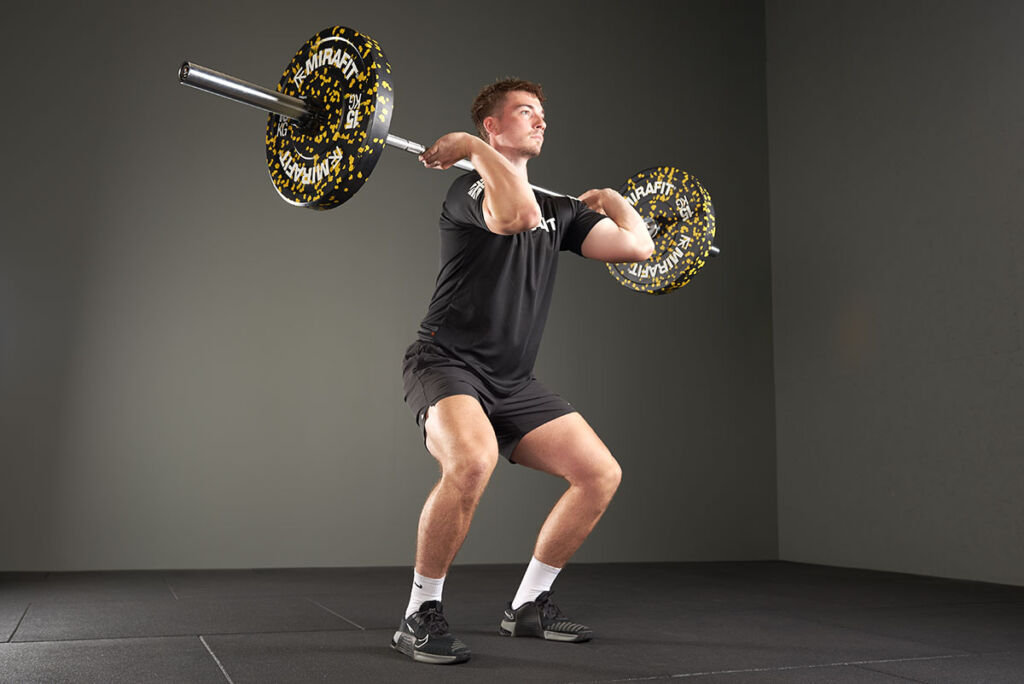
The push jerk may seem upper-body focussed, but it’s a full-body exercise that helps you develop raw power and explosive strength. Because you use your legs to initiate the barbell’s upward trajectory and then drop underneath to catch it, the push jerk will typically let you lift heavier weights compared to the power jerk. By practicing the push jerk, you’ll also develop coordination and agility under the bar.
• Footwork - As you drive the bar overhead from your shoulders, your feet stay roughly in the same position. Any minor adjustments for balance are allowed.
• Receiving Position - Catch the bar in a shallow squat (roughly quarter depth). Your hips should clearly be above your knee crease at the lowest point.
How to Perform the Push Jerk
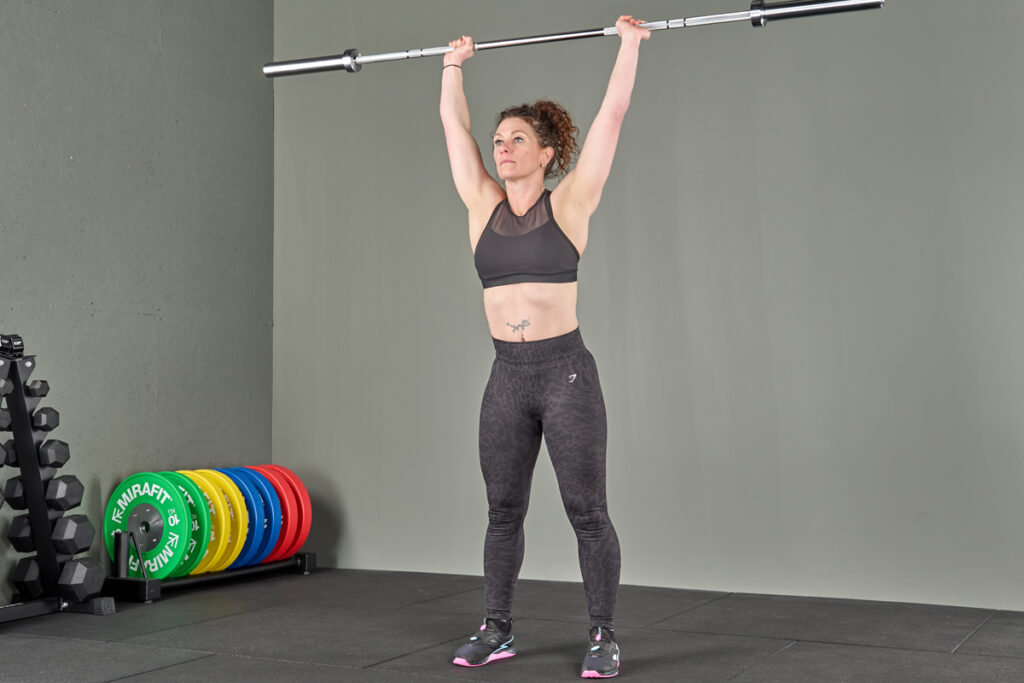
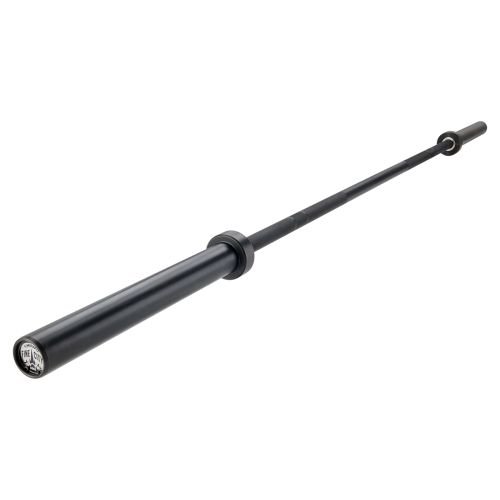
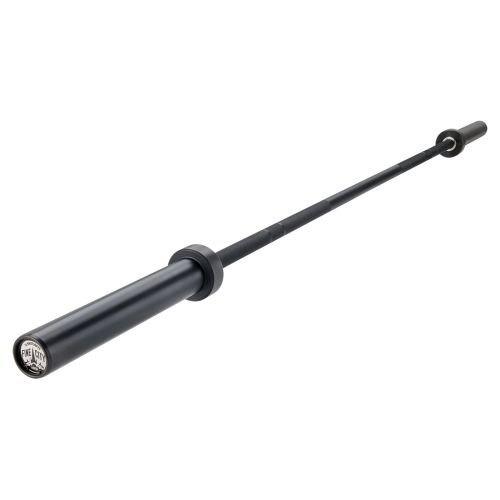
• Start with your feet slightly outside hip width with the 20kg Olympic Barbell or 15kg Barbell in a front-rack position.
• Take a breath, brace your core, and bend your knees and hips slightly – this is the ‘dip’ phase of the lift.
• Extend your knees and hips in a single, powerful movement to launch the bar off your shoulders.
• As the bar gains its upward momentum, bend your hips and knees again to drop under the bar into a quarter squat. Your feet should stay in place.
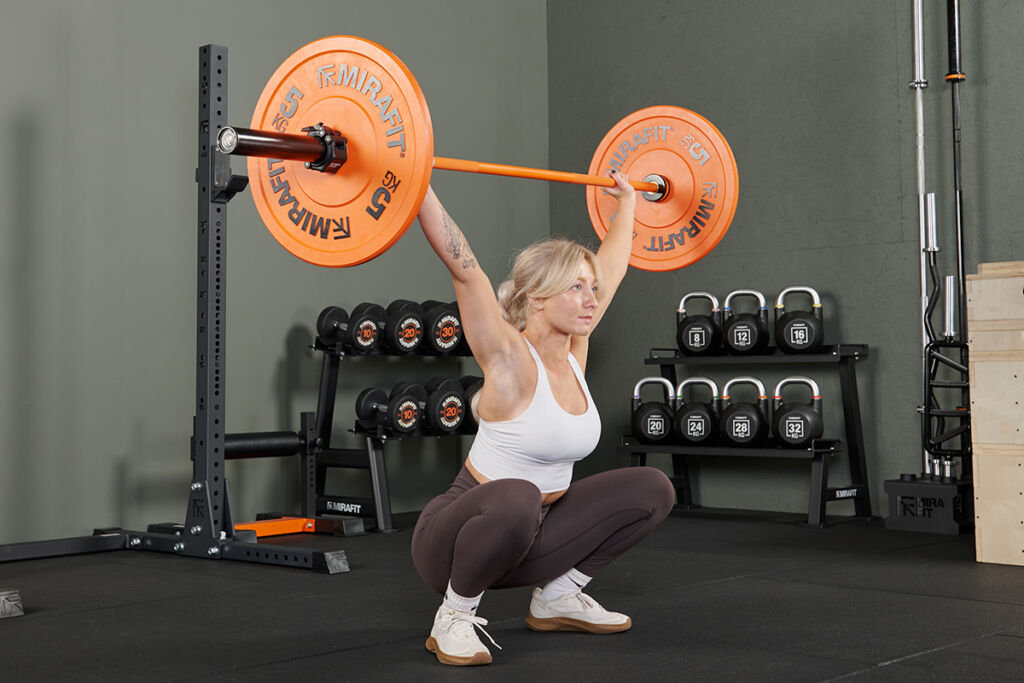
• Lock out your arms to catch the bar overhead. Make sure to keep your torso as upright as possible.
• Stand up fully to finish the rep.
What is a Power Jerk?
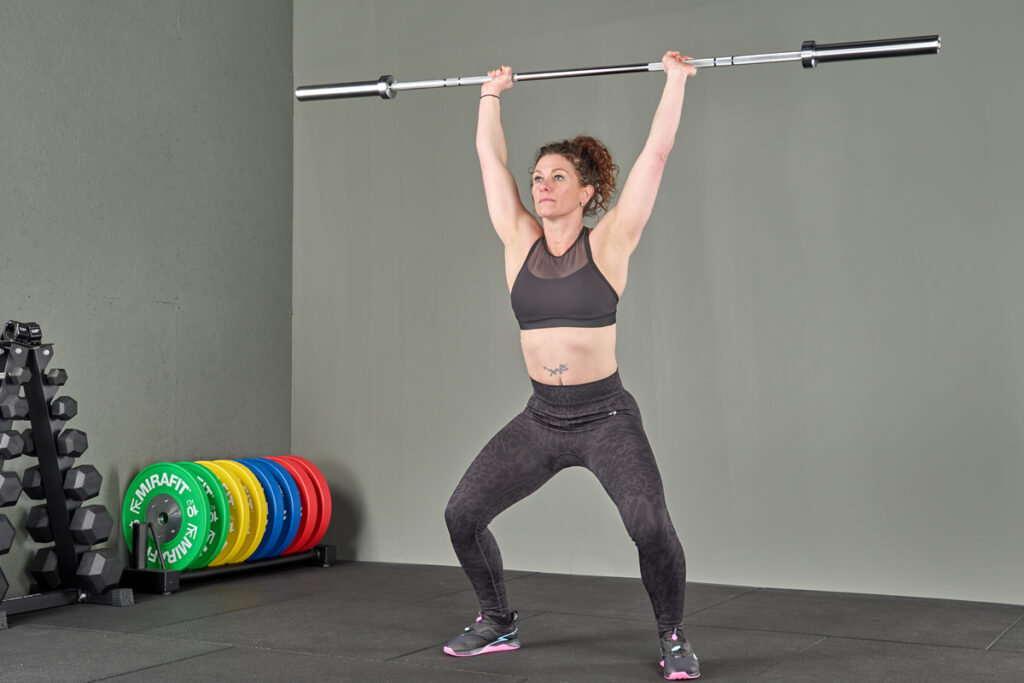
Since there is less focus on dropping under the bar, it becomes even more important that you execute the initial drive phase correctly and efficiently. The power jerk is typically an easier exercise for people who struggle with tight shoulders or limited hip mobility when dropping under the bar. Yet the power jerk still allows for heavy lifts, and therefore strength and power development.
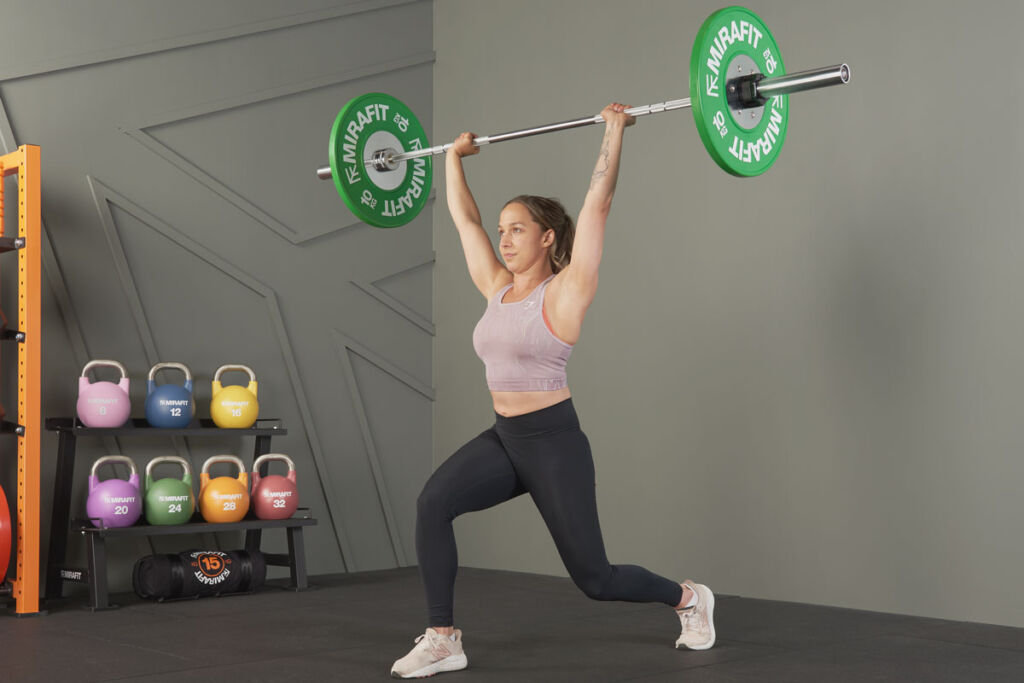
• Footwork - As you extend your hips and knees to drive the bar overhead, your feet leave the floor slightly. You use this little jump to land in a wider receiving position.
• Receiving position - Catch the bar in a minimal shallow squat position with hips and knees only slightly bent.
How To Perform the Power Jerk
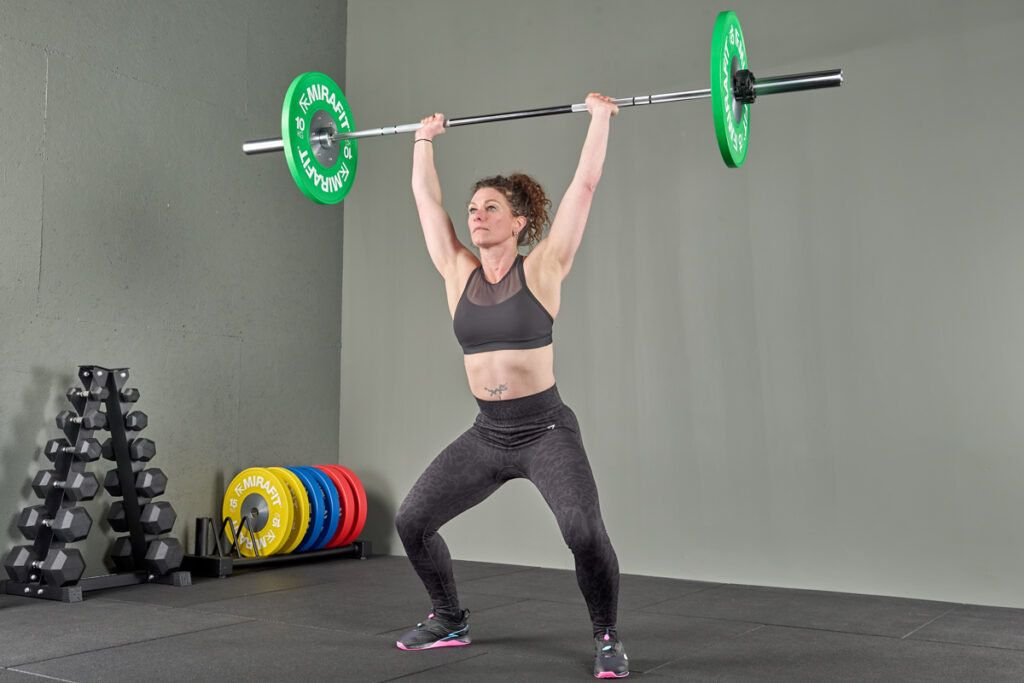
• Start with your feet shoulder-width apart with the barbell in a front-rack position, identical to the set-up of the push jerk.
• Brace your core and bend your knees and hips for the dip.
• Drive the barbell upwards by extending your knees and hips.
• As the bar gains momentum, press it out with your arms.
• Perform a small jump outward with your feet for a wider receiving position, which can make you feel more stable. Your knees and hips should only bend slightly to receive the Barbell.
• Stand up fully to finish the rep.
Deciding which exercise jerk variation is right for you mostly depends on your personal goals and current abilities, but both the push jerk and the power jerk are efficient tools to build explosive strength.
For more content, follow us on Instagram, YouTube, TikTok, and on our official Mirafit Facebook page.
Tags: Equipment > Bars and Weight Plates ; Exercise Type > Strength