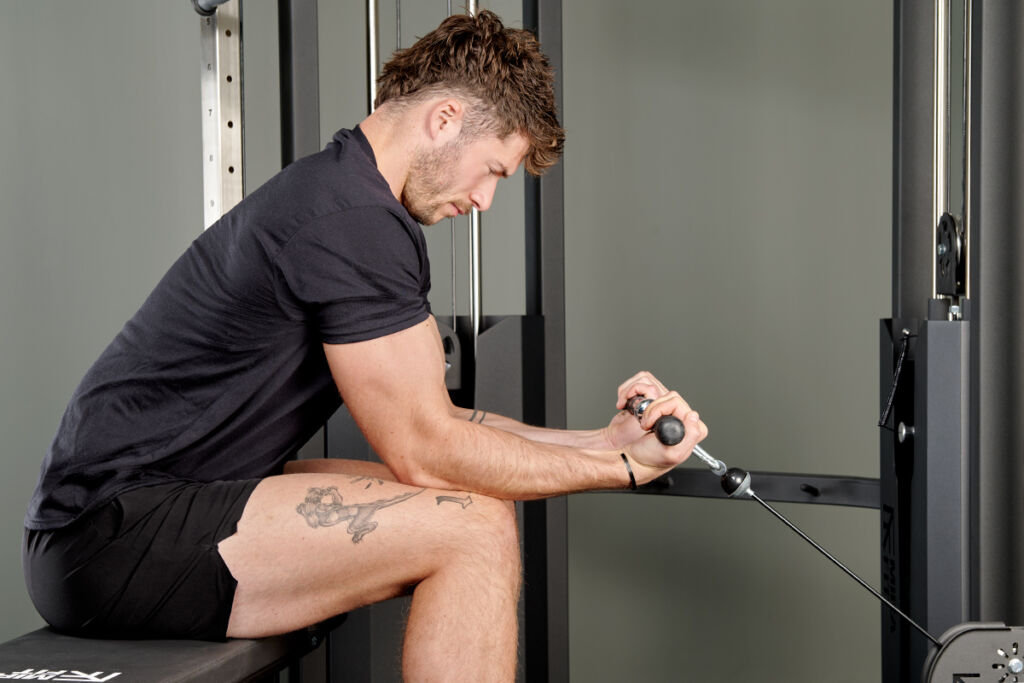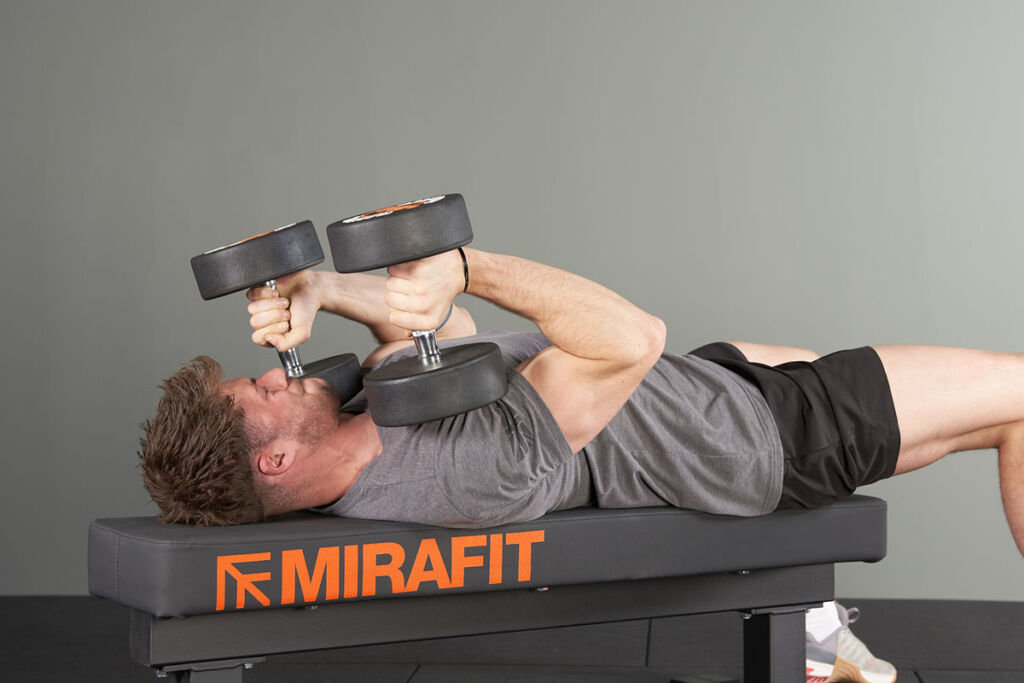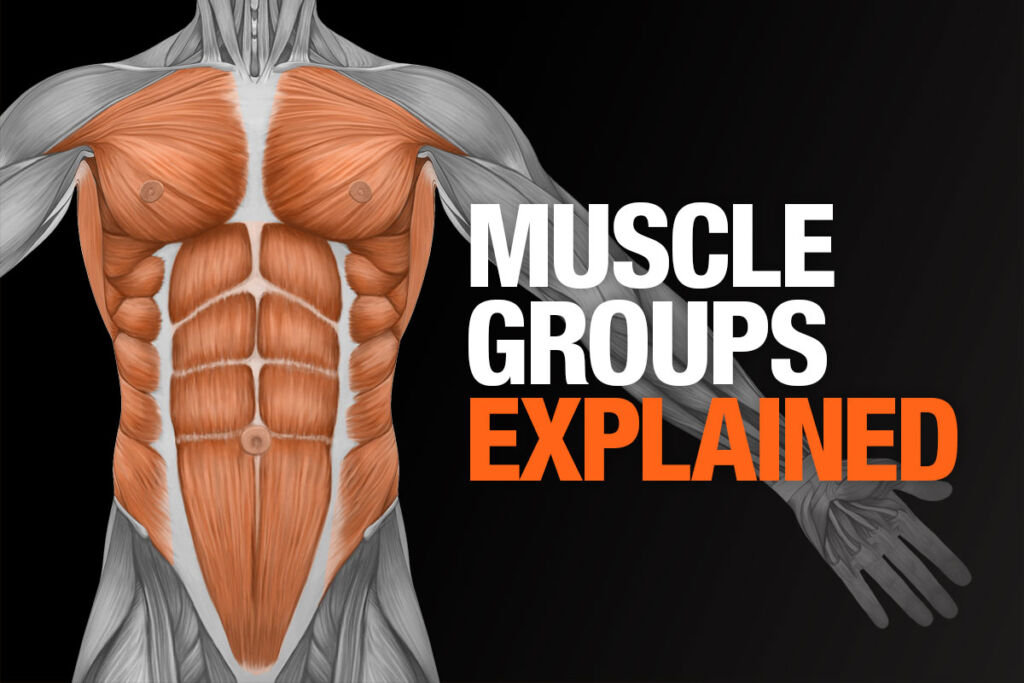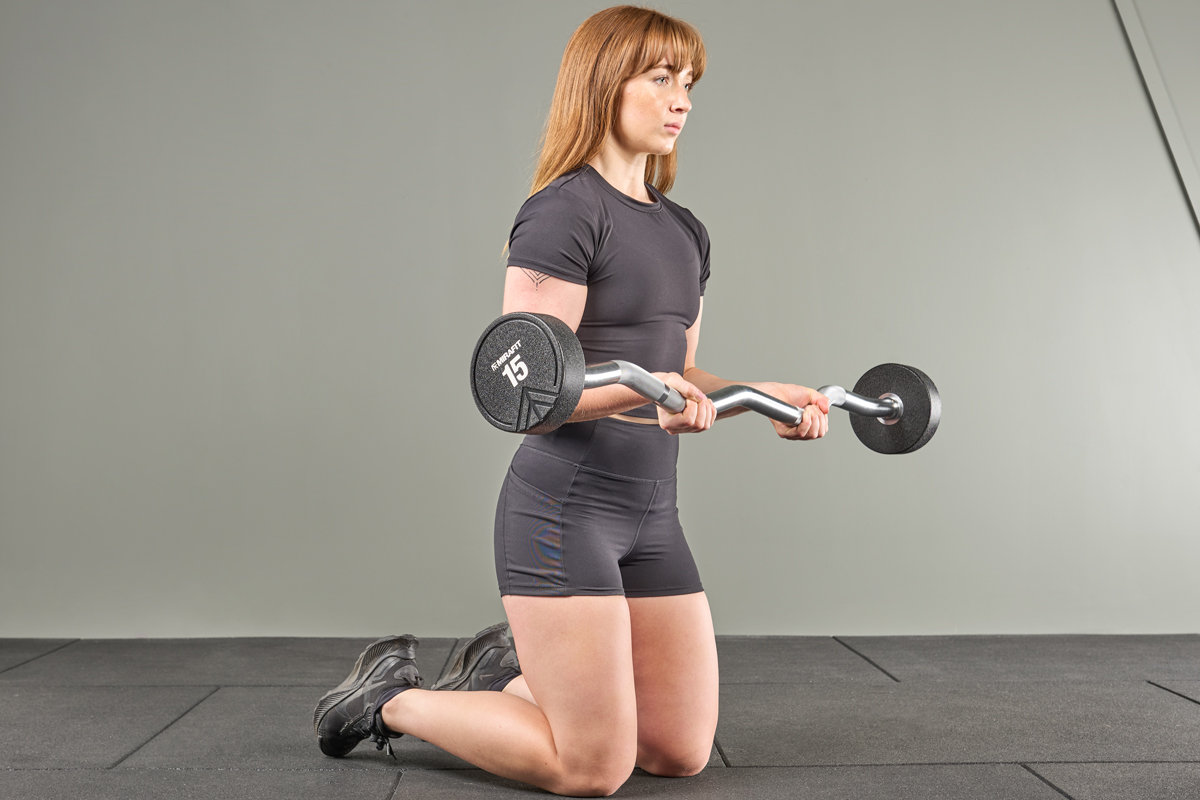
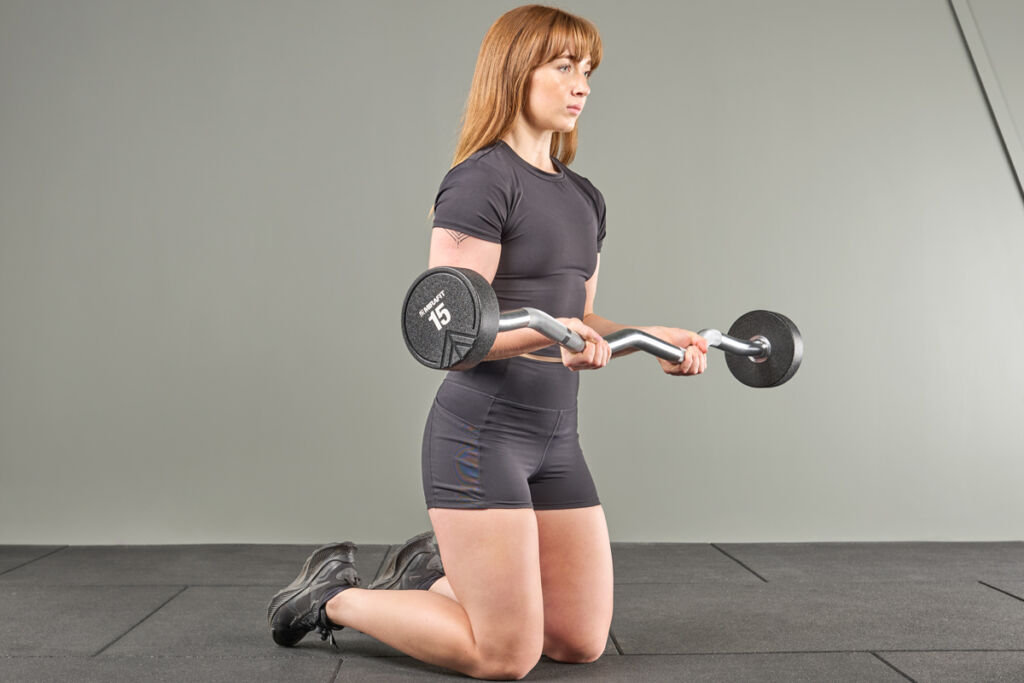
The biceps are located at the front of the upper arm and play a key role in day-to-day movements of the arm such as flexion, rotation, and tasks like lifting, pulling, and gripping. The bicep curl is a foundational exercise for isolating and strengthening this muscle, widely practiced for building size, strength, and functional arm power. Whether your goal is muscle growth or improved functionality, curls enhance both performance and daily movement capabilities. It can be performed with a multitude of equipment such as dumbbells, barbells, cables or resistance bands, so there really is an option for everyone.

- 1 - Standard Dumbbell Bicep Curl
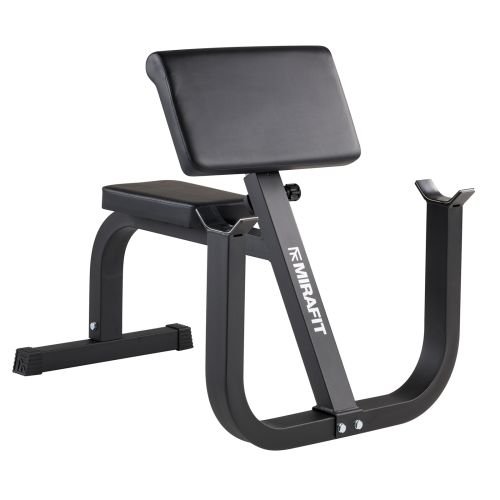
- 2 - Preacher Curl
- 3 - Reverse Curl
- 4 - Concentration Curl
- 5 - Incline Curl
- 6 - Hammer Curl
- 7 - Bayesian Curl
- 8 - Resistance Band Curl
- 9 - Zottman Curl
- 10 - Incline Zottman Curl
- 11 - Wall Bicep Curl
- 12 - Bicep 21s
- 13 - Eccentric Bicep Curl
- 14 - Kettlebell Curl
- 15 - Machine Bicep Curl
- 16 - Kneeling Bicep Curl
- 17 - Axle Bar Bicep Curl
- 18 - High Cable Curl
- 19 - EZ Bar Bicep Curl
- 20 - Supinating Bicep Curl
1 - Standard Dumbbell Bicep Curl
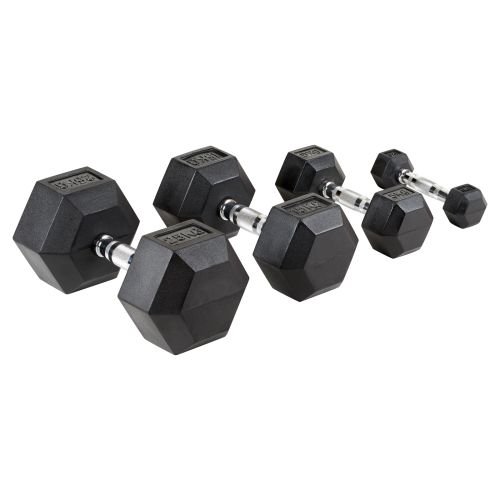
The standard dumbbell bicep curl is a staple of most gym-goers weight sessions. It is proven to be effective for muscle growth and increasing strength, easy to scale based on strength levels, and requires minimal kit so can be done anywhere with ease. It’s also easy to train, making it suitable for beginners, while also being equally effective for the experienced lifter.
2 - Preacher Curl
The preacher curl is often seen performed with either dumbbells or an EZ curl barbell and is trained seated with the elbows resting on a Preacher Curl Machine. This method isolates the biceps, emphasises contractions and encourages control.
3 - Reverse Curl
The reverse curl follows the same movement as a regular bicep curl but with palms facing down, increasing forearm activation and engaging muscles like the brachialis, which are often missed in standard curls. They are often performed with dumbbells or cable attachments, and when performed correctly, are excellent for building arm size and strength.
4 - Concentration Curl
Concentration curls are performed seated with a dumbbell, isolating one arm at a time, switching after the desired rep range is reached. The elbow is rested against the inside of the thigh, providing a stable pivot point to complete the exercise with maximal control and solid contractions. They are great for improving mind-muscle connection and are proven fantastic for bicep peak gains.
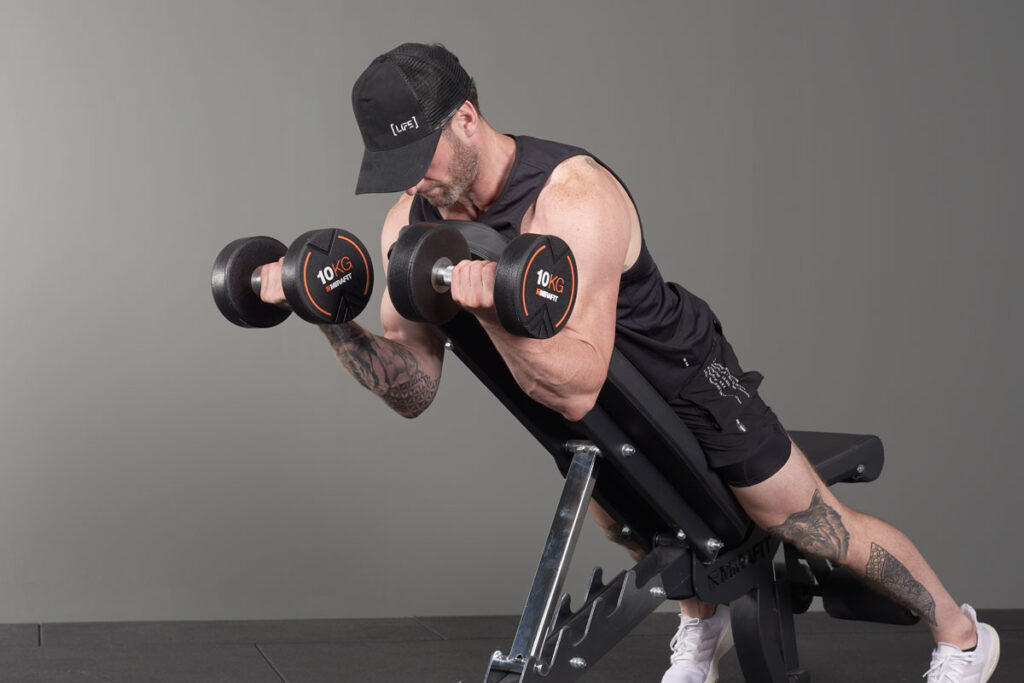
5 - Incline Curl
This variation is performed on an incline bench with dumbbells, allowing the arms to start behind the body. This position enhances the bicep stretch, helping to promote a fuller, more balanced, and aesthetically pleasing appearance. Beyond aesthetics, incline curls effectively target and strengthen the long head of the bicep, which is often underutilised in standard curls.
6 - Hammer Curl
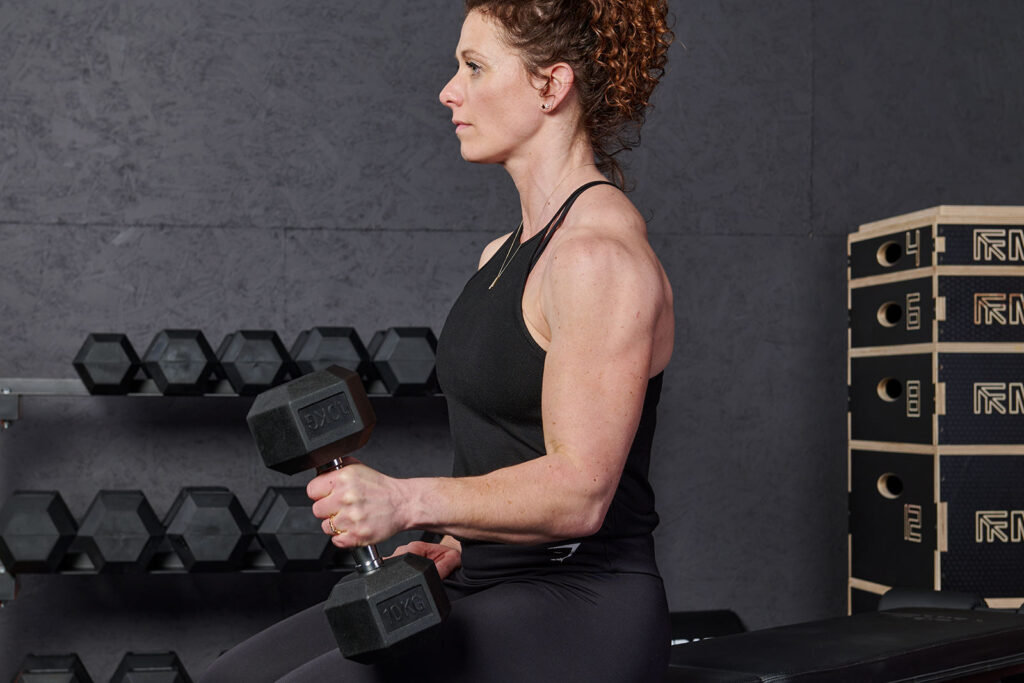
The hammer curl is a predominantly dumbbell focused variation and involves curling the dumbbells with the palms facing each other. As with the incline variation, this targets the long head of the bicep, but more significantly the brachialis muscle, helping create thicker, fuller looking biceps and forearms, as well as providing better wrist stability than a conventional curl by using a neutral grip. This could allow for heavier loads to be lifted, making it an ideal training method for maximal lifting.
7 - Bayesian Curl
Bayesian curls are completed on cables, using a d-handle attachment helping to provide a constant line of resistance. The curl commences with the cable behind you, like the incline curl, and unlike some variations, the bicep remains under load throughout the entire range of motion. This can boost hypertrophy and endurance and allow for better strength and endurance gains through increased time under tension.
8 - Resistance Band Curl
Resistance band curls are incredibly versatile and are performed by standing with feet shoulder-width apart on a band, starting with arms by your side. You adjust resistance to suit your strength and goals, and the best part; they can be performed anywhere, anytime. You can also choose resistance bands with handles to perform hammer curls.
9 - Zottman Curl
The Zottman Curl incorporates both the standard bicep curl (for the way up), and the reverse curl (for the way back down). Completing this variation of curl encourages a healthy balance of forearm and bicep activation, helping to promote a more complete growth and strengthening of the arm.
10 - Incline Zottman Curl
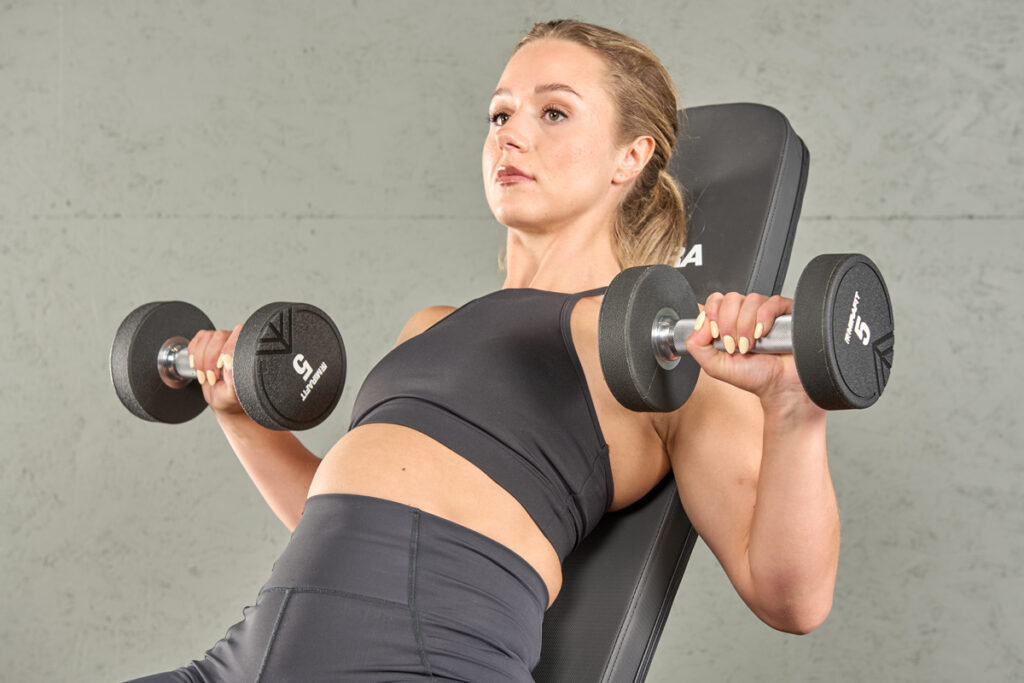
The incline version uses an Incline Bench for added stretch and increased long head activation, enhancing the effectiveness of the traditional Zottman curl. This variation targets more muscle fibres, offers varied movement patterns and grip recruitments, and provides a more complete, time-efficient arm workout than completing the exercises separately.
11 - Wall Bicep Curl
The wall bicep curl is often completed using an EZ Curl bar or dumbbells. The lifter stands with their back flat against the wall, to eliminate any potential body sway and reduce use of momentum, which can result in compensation from other muscle groups. Instead, it focuses on completing reps with consistent posture, good control, and the correct technique for maximal gains.
12 - Bicep 21s
Bicep 21s involve 21 total reps divided into three subsets of 7: the first focusing only on the lower half of the curl, the second only on the upper half, and the final using a full range of motion to fully exhaust the biceps. Whilst typically performed with dumbbells or an EZ curl bar, this exercise can also use other equipment. Often used as a finisher, bicep 21s effectively fatigue the muscles, promoting growth and endurance when done with proper form and control.
13 - Eccentric Bicep Curl
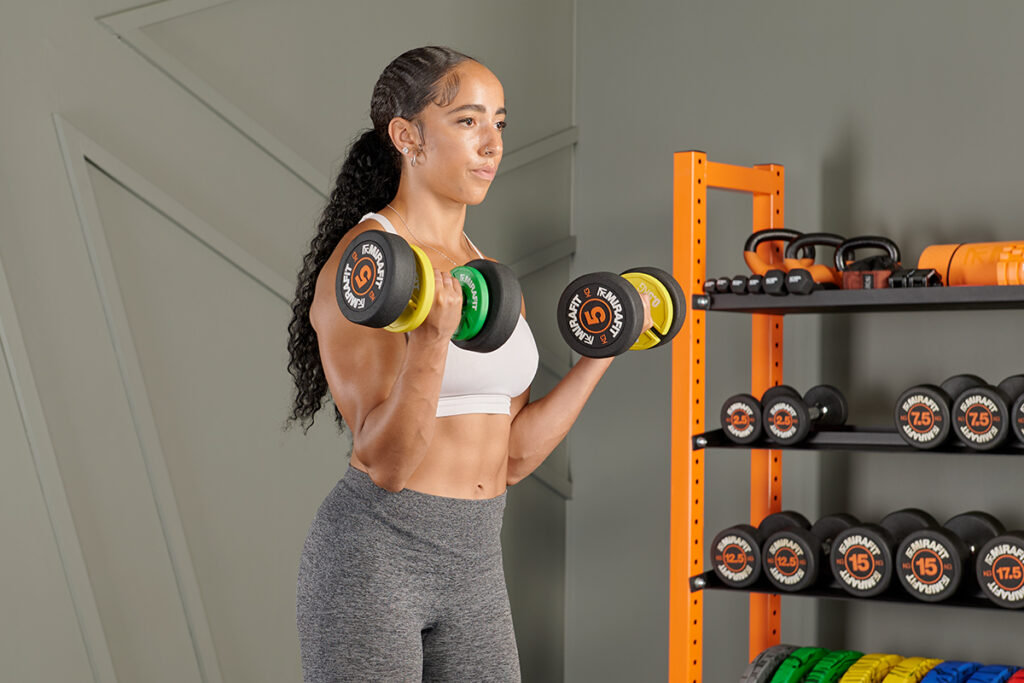
The eccentric bicep curl focuses on slowing the lowering phase to maximize control, strengthen the lengthening phase, and increase muscle endurance through time under tension. It can be performed with dumbbells, cables, EZ curl bars, or kettlebells. Since ‘eccentric’ only refers to slowing the lowering motion, they can be combined with other curl variations, like incline and reverse curls, to diversify your routine and maximise gains.
14 - Kettlebell Curl
Kettlebell curls follow the same principles as standard bicep curls but add challenge through their unique weight distribution and thicker grip, engaging the biceps, wrists, forearms, and stabilising muscles. This demands greater control for safe and effective execution. The additional muscle activation can promote stronger, fuller arms, improve wrist strength, and enhance mind-muscle connection. They pair well with other curl variations like incline curls, bicep 21s, and reverse curls.
15 - Machine Bicep Curl
An Arm Curl Machine offers a consistent path of motion, reducing stabiliser muscle involvement to isolate the biceps for safe, effective contractions. Ideal for beginners, they promote good form, enhance mind-muscle connection, and are perfect for bicep burnouts or focused growth.
16 - Kneeling Bicep Curl
Kneeling bicep curls, typically done with dumbbells, resistance bands, or kettlebells, are performed kneeling (on one or both knees) instead of standing or seated. This variation not only builds bicep strength and size but also engages the core to stabilise the body, offering added benefits beyond arm development, and making them a great option for those looking to get a little more out of their upper body workouts.
17 - Axle Bar Bicep Curl
This variation uses an axle barbell. The thicker diameter enhances bicep growth while challenging grip strength, leading to an increase in forearm size, and wrist engagement. Axle curls can provide benefit to all gym-goers, but they can prove of high relevance for strongmen who train with axles. Pair with eccentric or wall curls for an added challenge.
18 - High Cable Curl
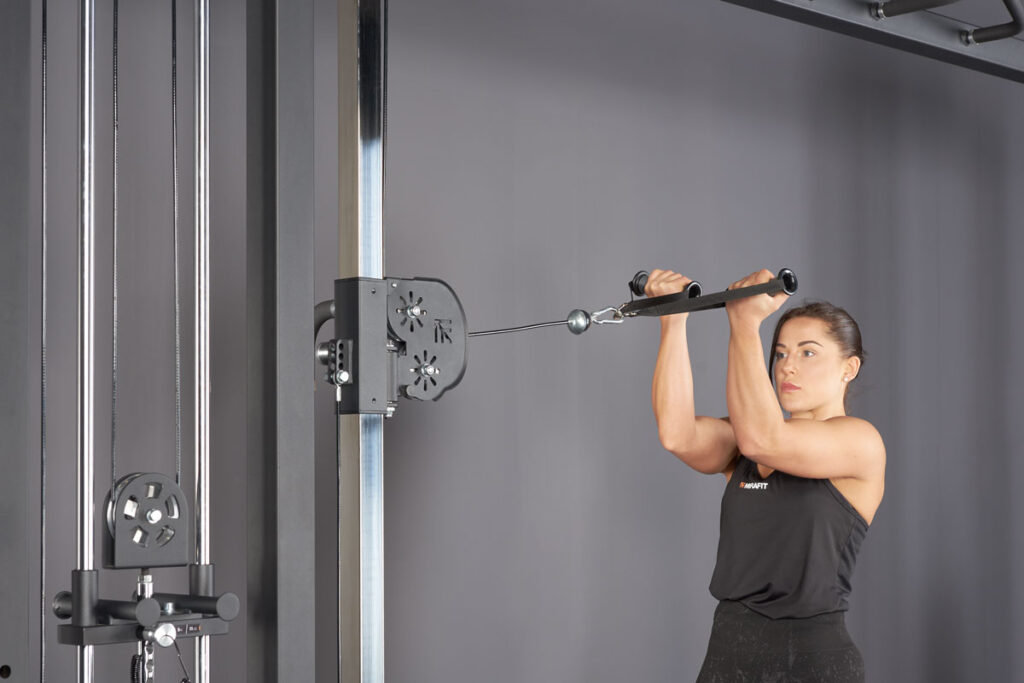
The cable bicep curl is completed using a cable machine. It is performed by curling a handle, bar, or similar attachment, with the load scaled to your strength levels. Its benefits include improved muscle isolation, reduced strain on joints, and a smoother resistance curve compared to free weights, making it ideal for effective and safe bicep development. Completed correctly, it has the capacity to build bicep strength, enhance time under tension, and increase bicep size, and definition.
19 - EZ Bar Bicep Curl
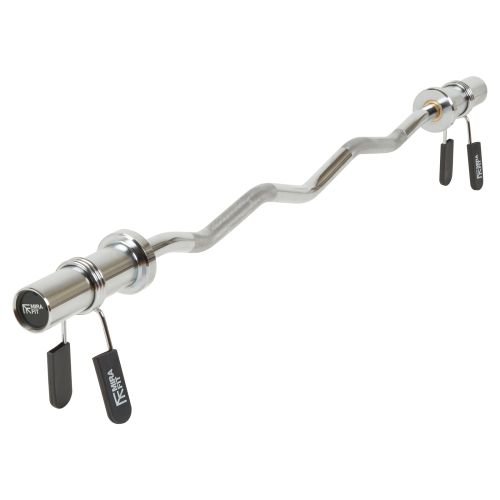
EZ bar bicep curls are a popular choice for hypertrophy-focused routines. The offset grip promotes a natural wrist position, improving technique and reducing joint strain. Curl Bars are shorter and lighter than Olympic barbells, so they provide excellent bicep isolation, aiding both strength and size development. They also challenge the forearms, making them a valuable addition to any arm routine.
20 - Supinating Bicep Curl
Supinating bicep curls involve twisting the wrists from inward to outward, emphasising peak bicep contraction and engaging the forearms, wrists, and long head of the biceps more effectively. This variation is ideal for those looking to grow both biceps and forearms while increasing wrist engagement, offering a greater challenge than standard curls.
Bicep curls are a simple, yet effective way to build bicep strength, size, and endurance, with secondary benefits for forearm characteristics. They also enhance arm function and overall upper body strength, aiding daily tasks like lifting and carrying. Whether you are training for a defined physique or functional strength, bicep curls support both aesthetic and practical goals, making them a valuable addition to any fitness routine. With a multitude of methods and variations to try, why not add a new variation next time you’re in the gym?
For more content, follow us on Instagram, YouTube, TikTok, and on our official Mirafit Facebook page.
Tags: Equipment > Bars and Weight Plates ; Equipment > Dumbbells ; Exercise Type > Strength