4 min read

Checkout using your account
Checkout as a new customer
Creating an account has many benefits:
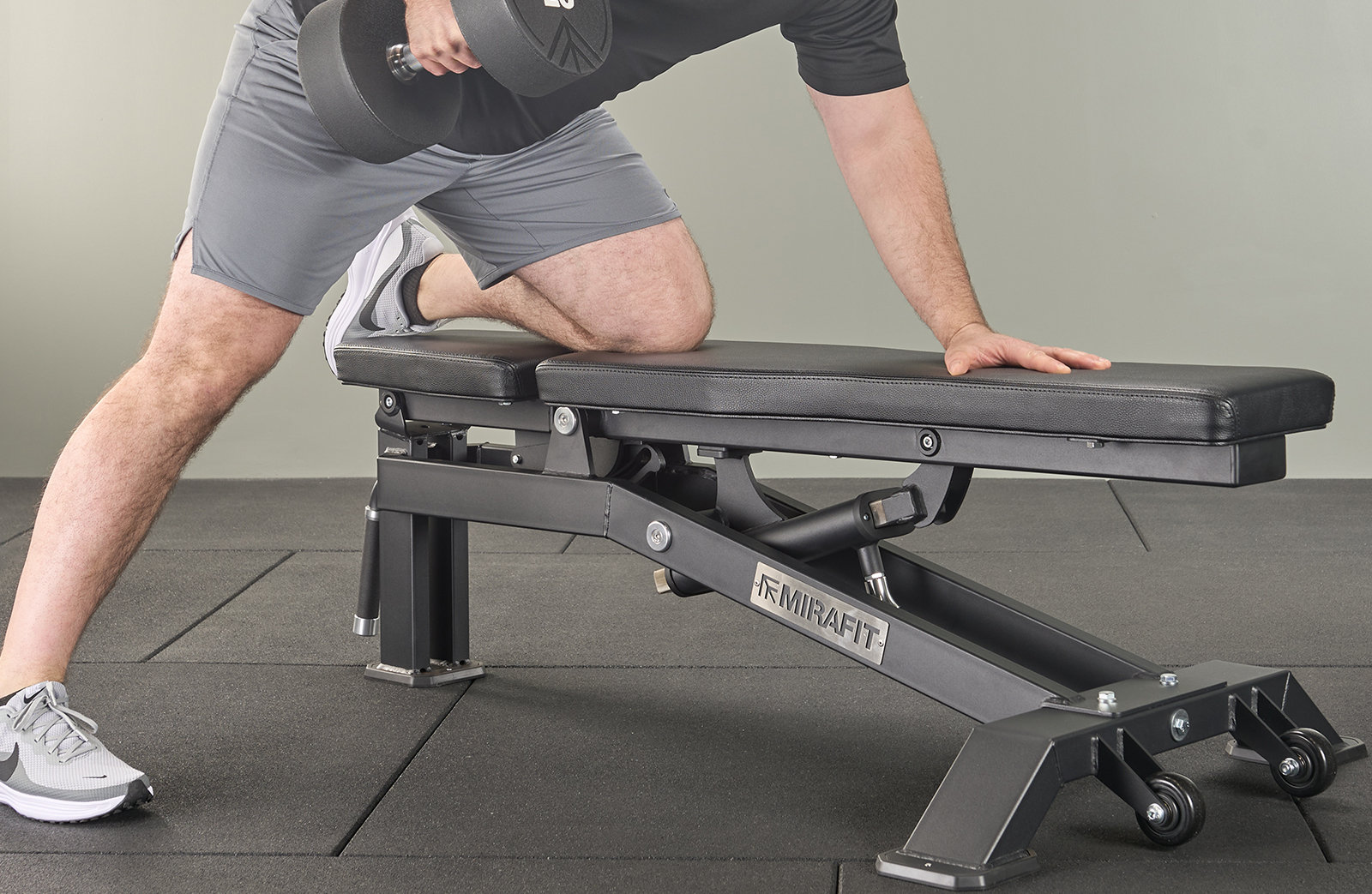
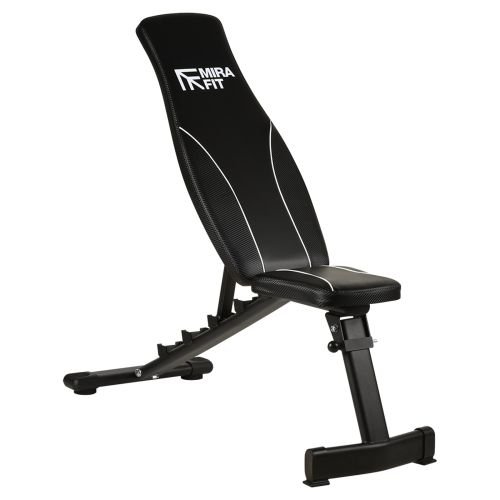
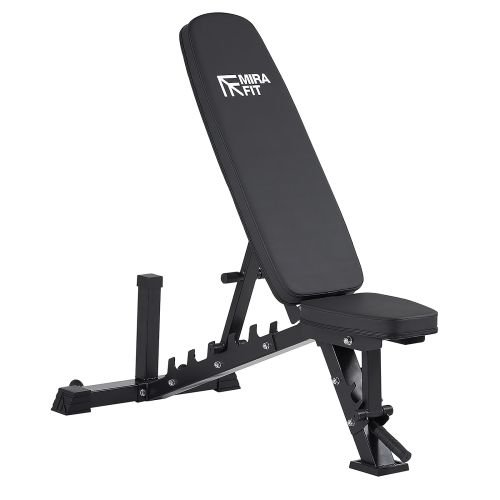
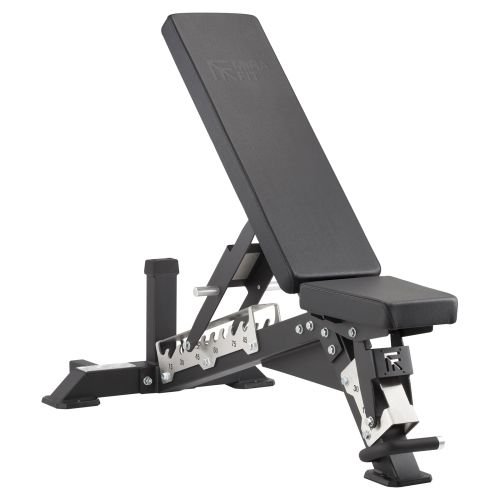
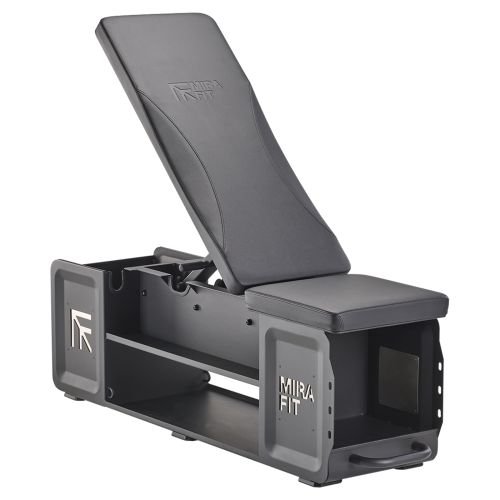
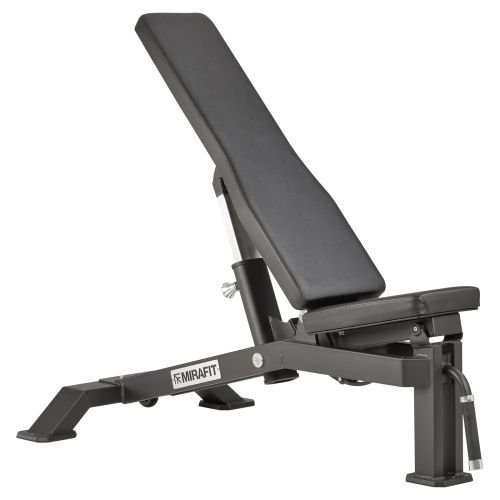
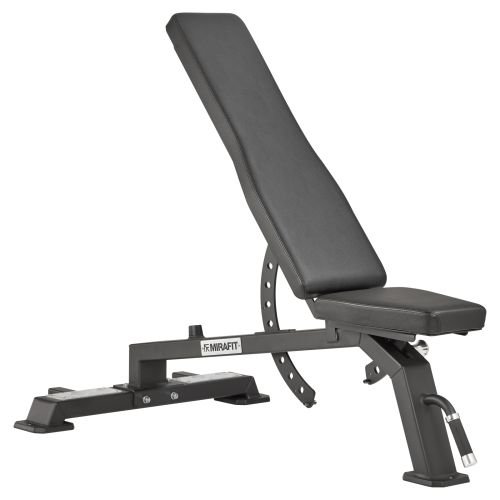
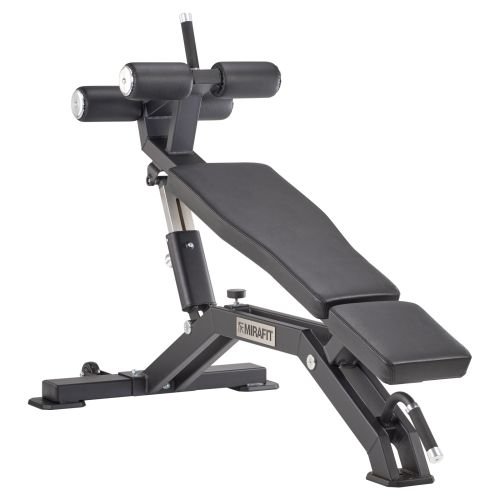
Adjustable weight benches offer a wider range of exercise options over their flat weight bench counterparts. The adjustable bench can be set to both flat and incline backrest positions as a standard. Our range also has benches that provide decline bench positions as well as doubling up as a sit up bench. This flexibility makes them arguably the most versatile piece of equipment in your home gym.
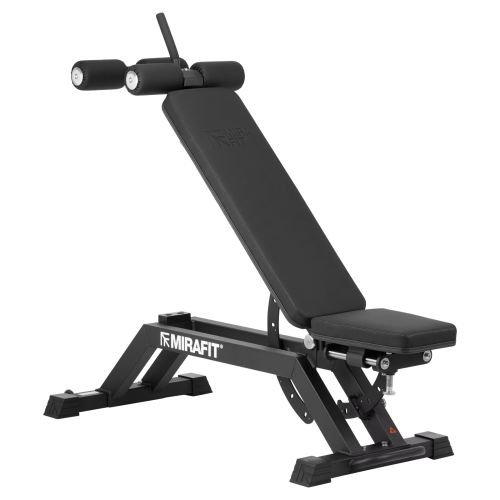
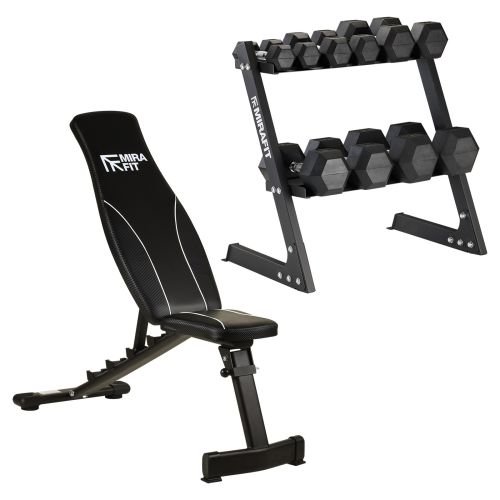
Adjustable weight benches offer a wider range of exercise options over their flat weight bench counterparts. The adjustable bench can be set to both flat and incline backrest positions as a standard. Our range also has benches that provide decline bench positions as well as doubling up as a sit up bench. This flexibility makes them arguably the most versatile piece of equipment in your home gym.
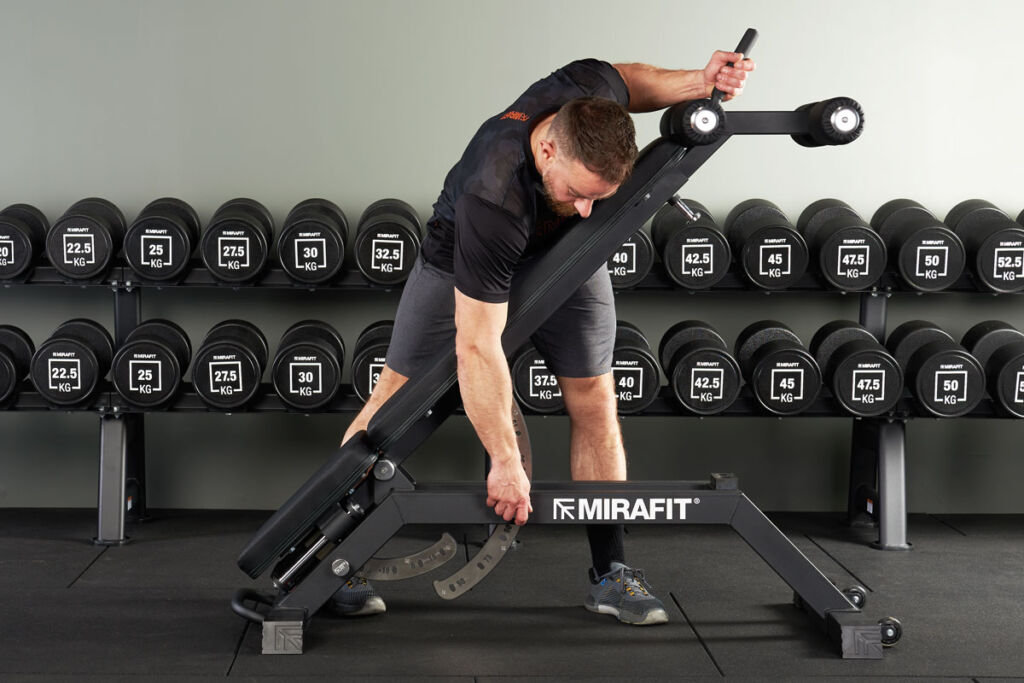
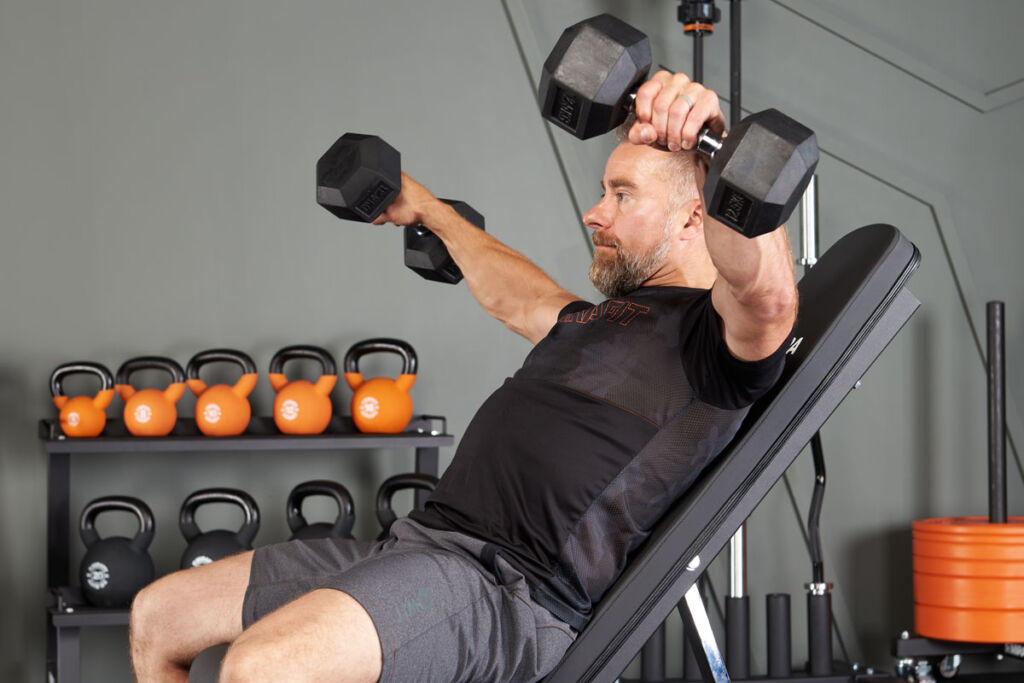
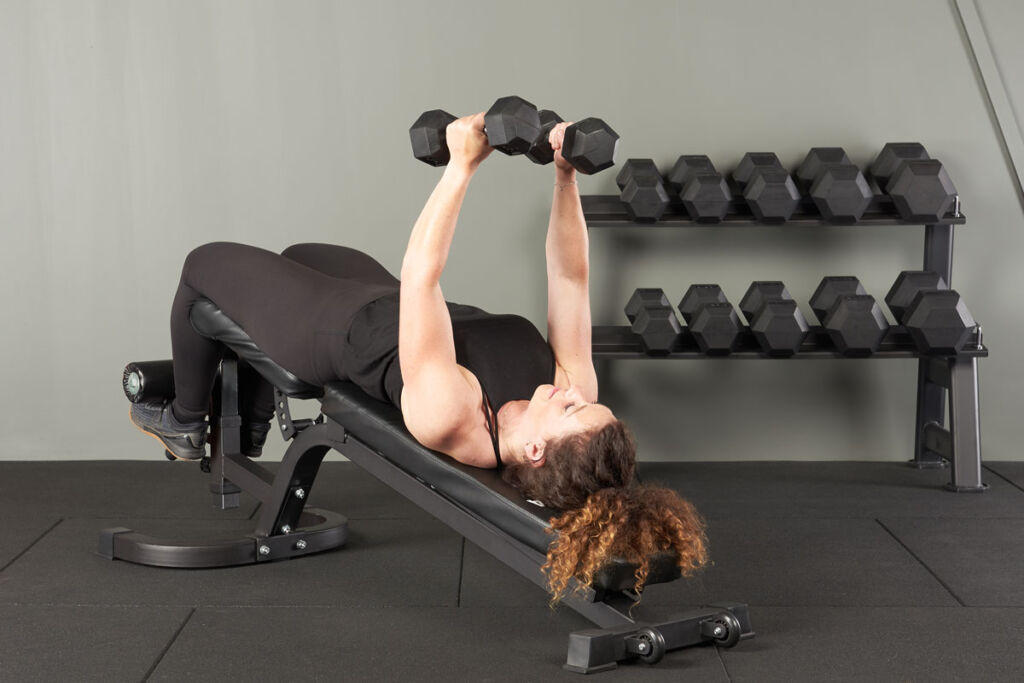
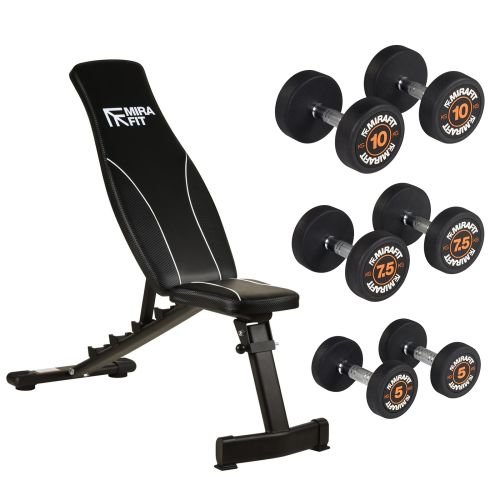
In a fully upright seat position you can do exercises such as dumbbell shoulder press and alternating bicep curls. By using an incline position you can target the chest muscles with exercises such as incline bench press and incline dumbbell flys or by standing behind the gym bench to do preacher curls. The decline position allows you to do a range of core exercises as well as decline bench press exercises. These exercises are in addition to all the exercises you can do in the flat bench position.
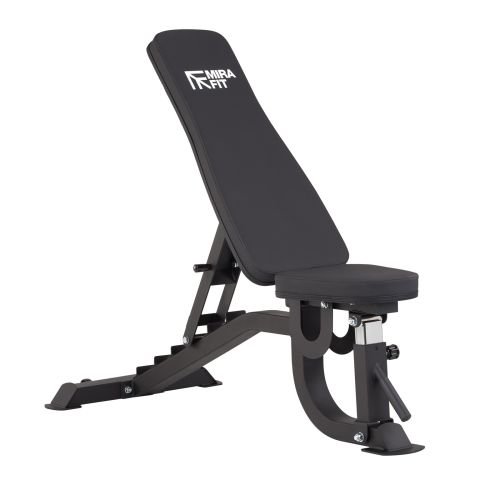
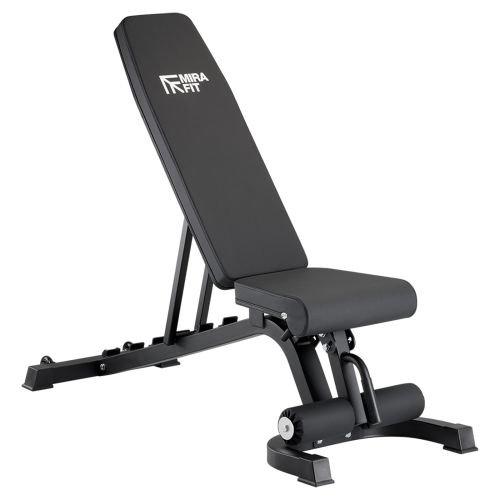
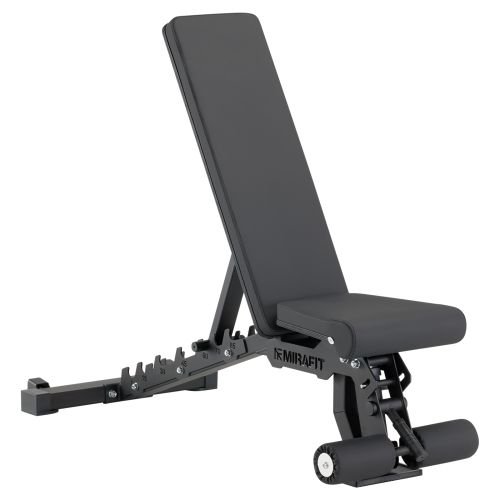
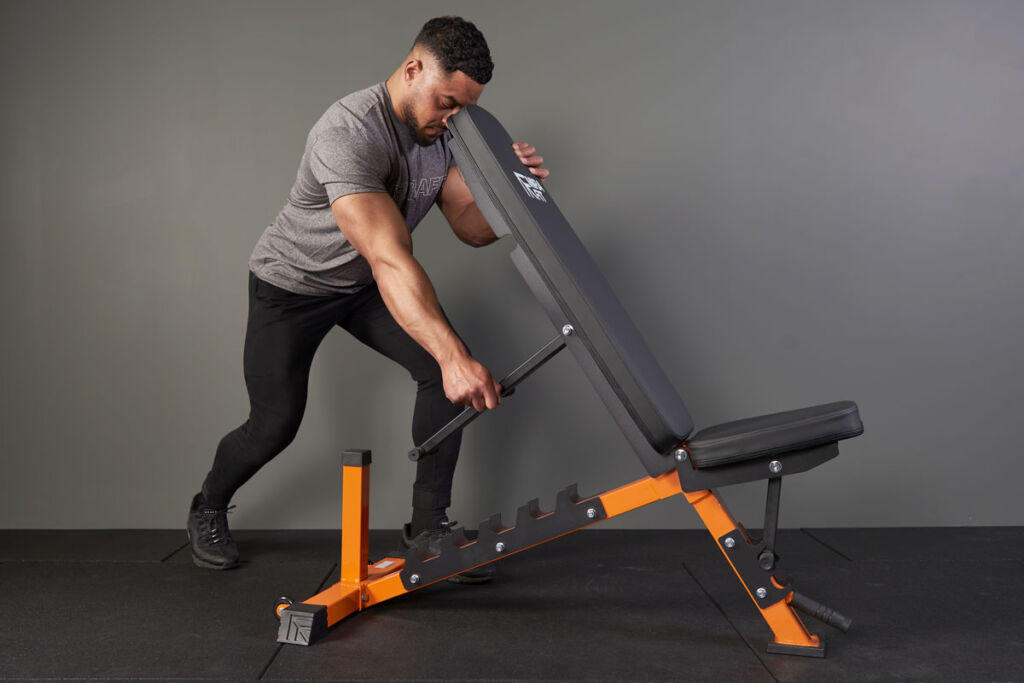
You should ensure you choose a weight bench that is capable of handling the weight of any dumbbell and barbell weights that your program requires along with your body weight. A weight benches backrests and seat are made with thickly padded foam to provide you with maximum comfort while training. Adjustable bars are used to select the various bench angles. Benches that allow decline angles such as the M3 Adjustable Weight Bench or the Mirafit FID Adjustable Weight Bench also have foot holders to help anchor you during exercises in decline positions.
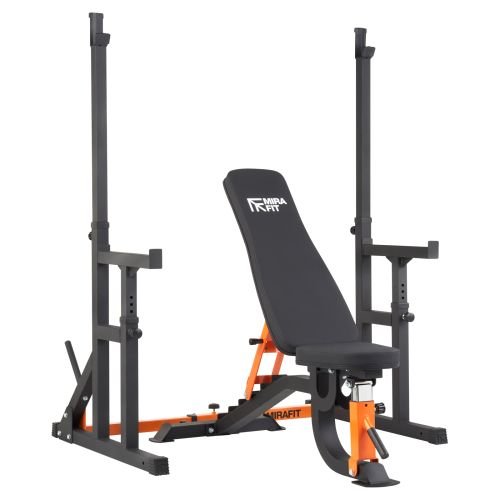
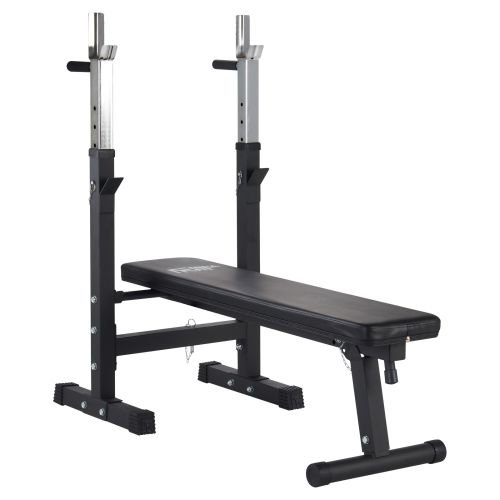
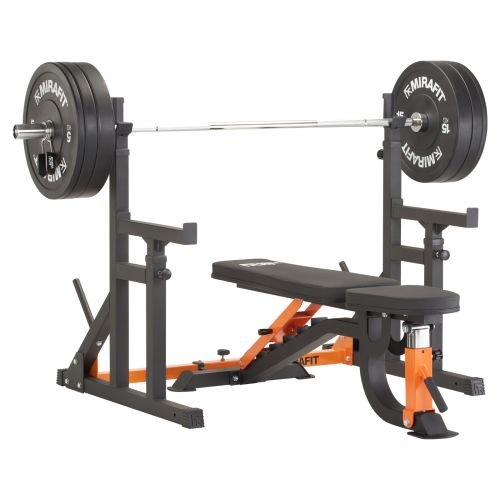
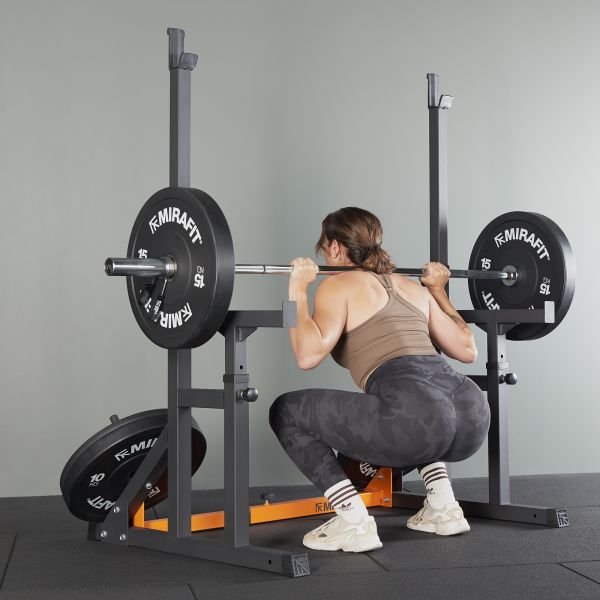
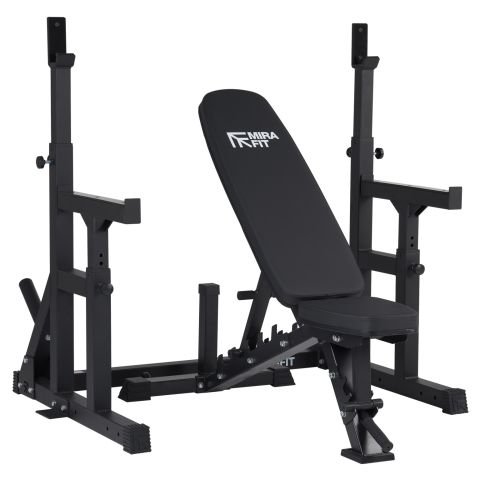
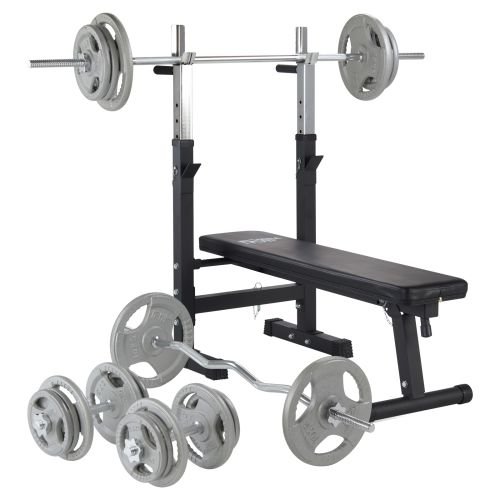
By adding in a squat rack or power rack you can include barbell exercises to your weight training and make sure that the barbells are stored out of the way with some handy bar storage units. Alternatively, for an all in one solution, you could look at the M1 Folding Weight Bench which comes with built in barbell rests and tricep dip bars.
A good adjustable bench is an essential piece of equipment for your home gym if you are looking for more than just training in a flat position. With the options of multiple incline positions and possibly some decline positions, you will be able to add a variety of exercises to your routine to help stay motivated with your strength training.
An adjustable weight bench lets you train at multiple angles, including flat, incline and sometimes decline positions. This allows you to perform more exercises than a standard flat bench, including chest presses, shoulder presses, rows, curls and core exercises. Changing the angle can also help target muscles differently and add more variety to your workouts.
An adjustable weight bench offers greater versatility because it allows multiple positions for different exercises. A flat bench can be a good option if you mainly focus on standard bench pressing or want a simpler setup. Adjustable benches are often preferred for home gyms because one piece of equipment can support a wider range of training styles.
You can use an adjustable bench for flat bench press, incline chest press, shoulder press, dumbbell flyes, seated curls, rows, Bulgarian split squats and more. The adjustable angles make it suitable for upper body, lower body and core exercises.
Consider the maximum weight capacity (including bodyweight and weights), whether you need flat/incline/decline positions, the bench padding and comfort, foldable or space-saving features and home or commercial use requirements. Check out our Adjustable Weight Bench Guide for more help.
Your bench should support your bodyweight plus the total amount you plan to lift. For example, if you weigh 85kg and bench press 100kg, you should look for a bench that comfortably exceeds 185kg total load capacity. Choosing a higher capacity can also provide more stability and allow room for progression.
Yes. Adjustable benches are suitable for beginners because they support a wide range of exercises and can grow with your training. A beginner can start with dumbbells and basic movements before progressing to heavier exercises and more advanced routines.
Not necessarily. Many exercises can be performed using the bench and dumbbells only. However, adding a squat rack or power rack can expand your training options by allowing barbell exercises such as bench press and squats.
A folding bench can be useful if you train at home and have limited space. It can be stored upright or tucked away after use while still supporting a range of exercises.
FID stands for Flat, Incline and Decline. An FID bench allows you to switch between all three positions, giving you additional exercise options compared with a bench that only adjusts to incline positions.
The amount of space required depends on the model, but you should allow room for the bench itself plus space to safely move weights and perform exercises around it. If space is limited, a folding bench may be useful.
Changing the angle shifts emphasis onto different muscles. Incline positions can place more focus on upper chest and shoulders, while decline positions can alter chest and core engagement. Adjusting the angle can also help vary your workouts and prevent training becoming repetitive.
Your adjustable bench should feel secure and stable with minimal movement during use. Features such as a strong steel frame, locking adjustment mechanisms and a high weight capacity can help provide a solid lifting platform.
The best adjustable bench depends on your goals, available space and lifting requirements. Beginners may prioritise compact designs and affordability, while experienced lifters may prefer heavier-duty benches with higher weight capacities and more adjustment positions.