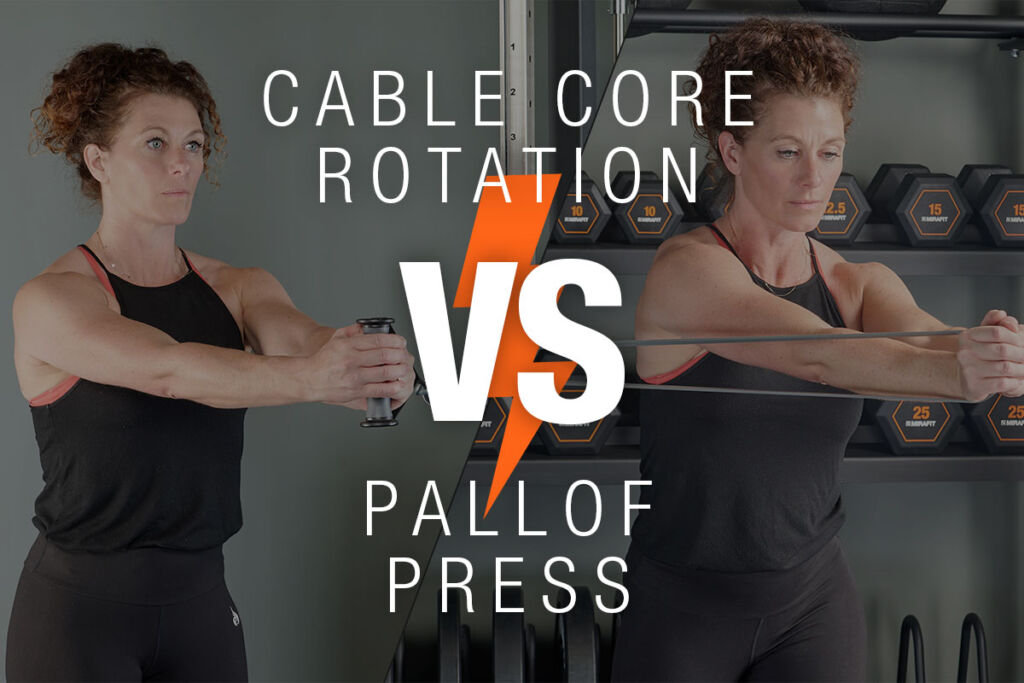
The Pallof press and cable core rotations are both great core exercises using a cable machine. Learn how to perform them in our guide.
What is a Pallof Press?
The Pallof press is a core exercise where you resist rotation. Named after physical therapist John Pallof, it challenges your core to stay stable when external forces try to pull or twist your body - something that frequently happens in both daily life and athletic activities.
Unlike traditional core exercises that involve twisting or bending the spine (such as sit-ups or Russian twists), the Pallof press emphasises stillness. By keeping your torso steady against resistance, it strengthens the deep core muscles and obliques, improving stability, balance, and control.
How To Perform a Pallof Press
Set Up the Resistance
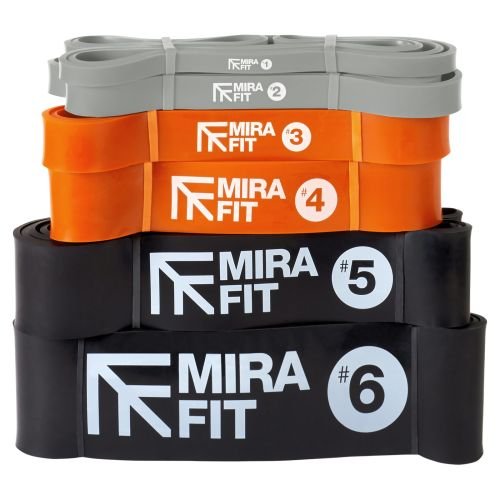
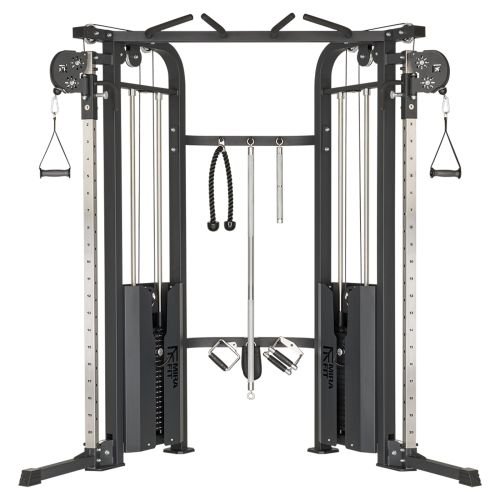
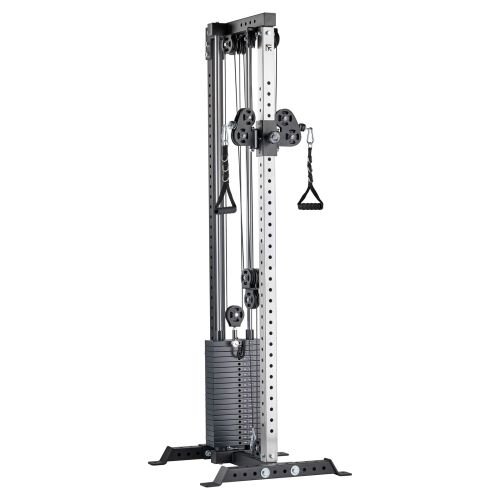
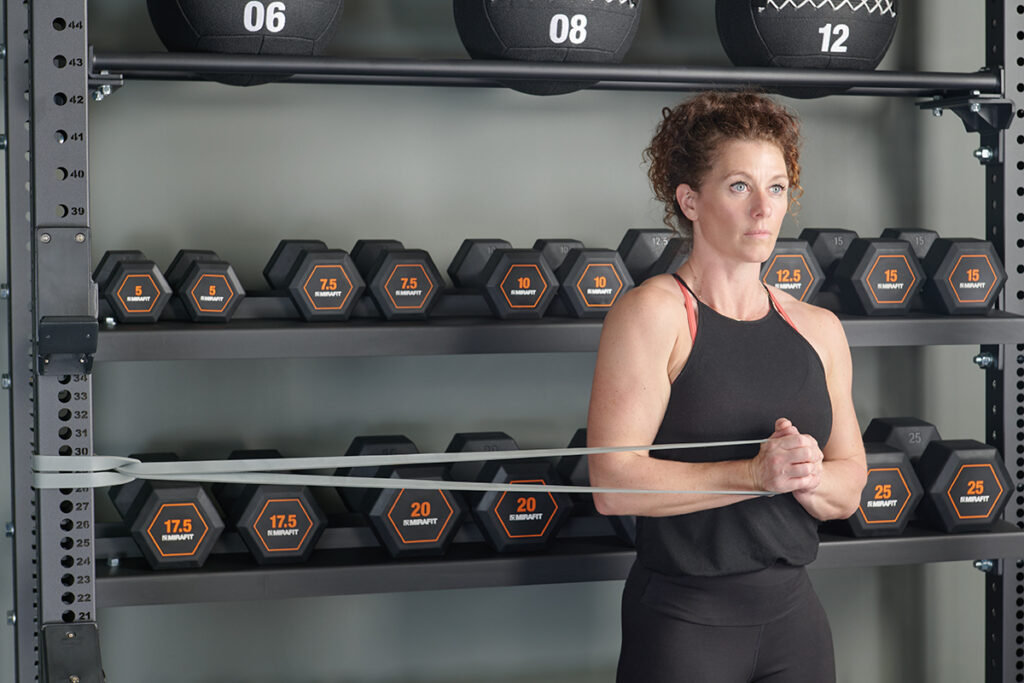
Attach a resistance band to a sturdy anchor at chest height (or use a Functional Trainer and Cable Attachment). Stand sideways to the anchor, hold the attachment with both hands at your chest, and step away until there’s light tension in the band.
Brace and Position
Stand with feet shoulder-width apart and knees slightly bent. Engage your core, keep your chest up, and square your shoulders and hips to face forward, not toward the anchor.
Press and Hold
Press your hands straight out from your chest, fully extending your arms. Pause for 1–2 seconds while resisting the pull of the band, then slowly return to the starting position. Repeat for reps, then switch sides.
What Are The Benefits of a Pallof Press?
• Builds core stability by strengthening deep abdominal muscles.
• Improves posture and promotes proper spinal alignment.
• Protects the lower back by reinforcing the muscles around the spine without spinal flexion.
• Boosts athletic performance by enhancing control during dynamic movements.
• Beginner-friendly and versatile — easy to scale for any fitness level.
What is a Cable Core Rotation?
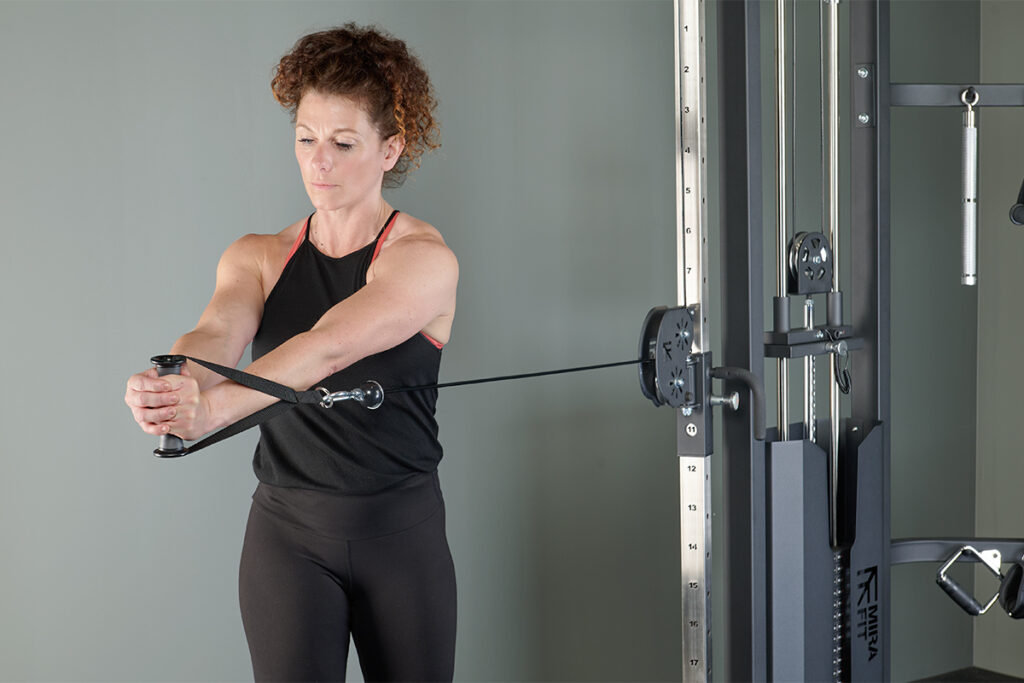
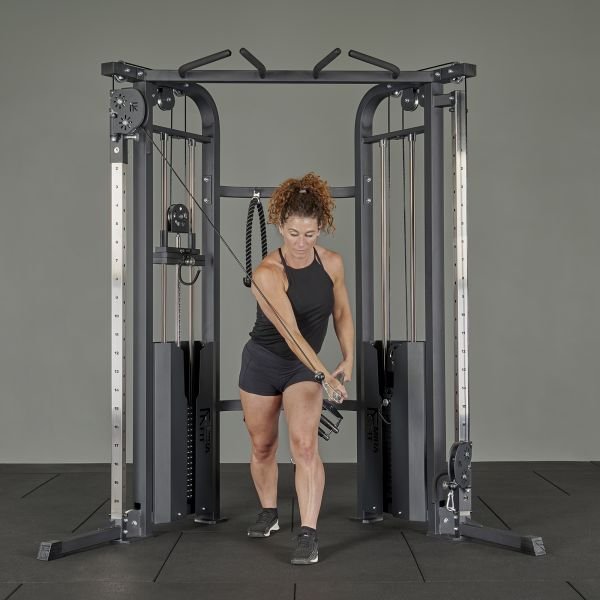
A cable rotation is a core exercise that strengthens the obliques by rotating the torso against resistance from a cable machine, though a banded core rotation can be performed with a resistance band. It improves rotational power, stability, and mimics movements used in many sports, enhancing functional strength.
How To Perform a Cable Core Rotation
Set Up
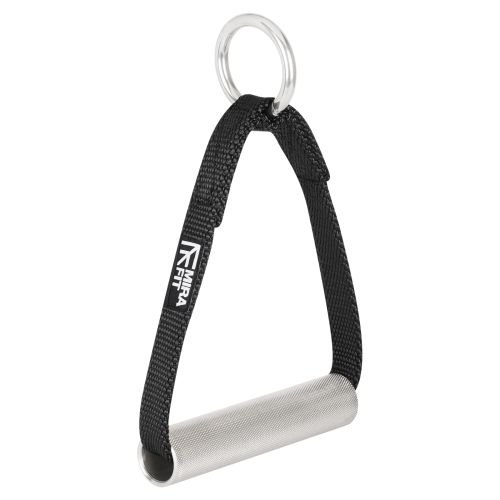
Attach a handle to a Cable Crossover Machine at chest height. Stand sideways to the machine with feet shoulder-width apart, holding the handle with both hands close to your chest.
Brace Your Core
Engage your core, keeping your shoulders and hips square, and extend your arms in front of you.
Rotate and Return
Slowly pull the handle across your body by rotating your torso. Pause, and rotate your torso towards the machine, keeping your arms extended.
What Are The Benefits of the Cable Core Rotation Exercise?
• Strengthens your obliques and core muscles enhancing overall stability and balance.
• Improves rotational power and control for sports and daily movements.
• Supports better posture by engaging the core and back muscles.
• Helps reduce the risk of injury by training safe twisting mechanics.
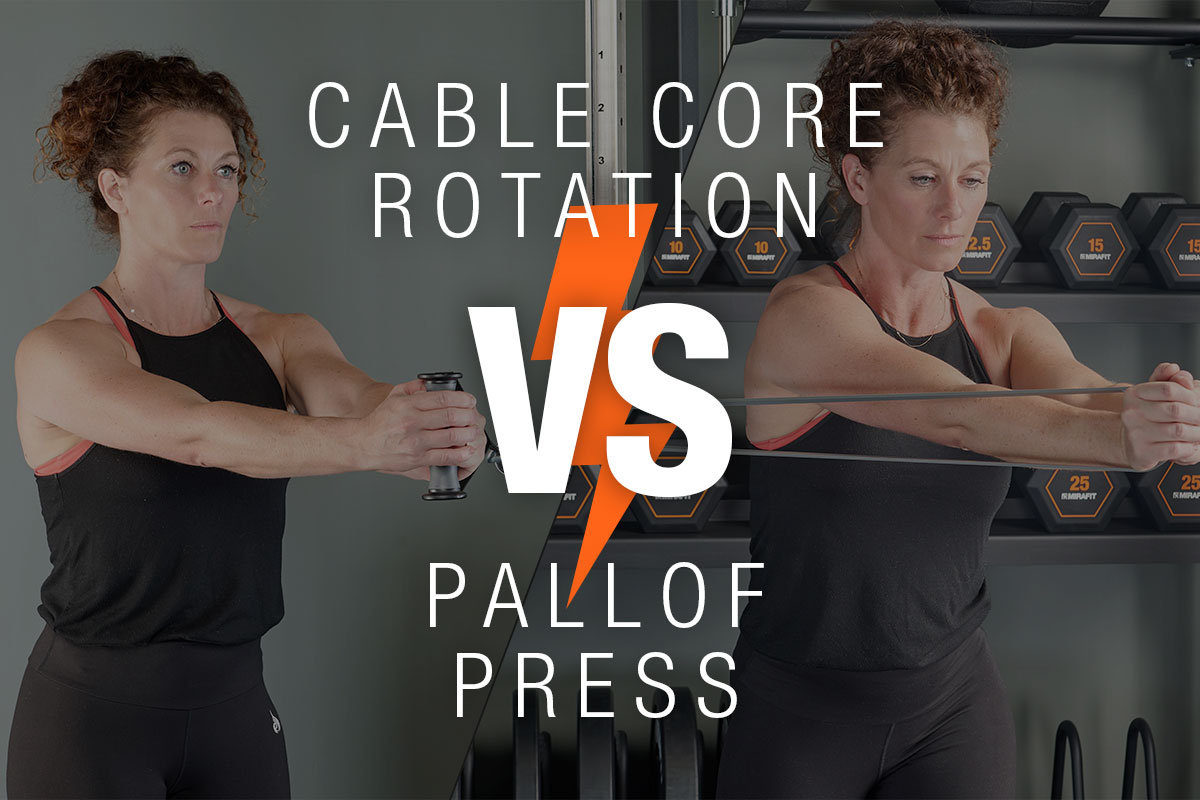
Pallof Press vs Cable Core Rotation
The Pallof press builds core stability by resisting rotation, strengthening deep muscles for control and injury prevention. Cable rotations train rotational power by actively twisting against resistance. Together, they provide balanced core strength-enhancing stability, functional movement, and athletic performance while protecting the spine during twisting motions, making them a pair of fantastic exercises.
Written with assistance of Molly Taylor-Haskins.
For more content, follow us on Instagram, YouTube, TikTok, and on our official Mirafit Facebook page.