If having strong, well-rounded glutes is one of your fitness goals, but you’re not sure where to start, this blog is for you. We’ll break down the most persistent myths and answer frequently asked questions about training your glutes.


- What Muscles Make Up the Glutes?
- What are the Best Compound and Isolation Exercises for the Glutes?
- Is Glute Training Only Useful for Aesthetics?
- Should Men Train Glutes?
- What are Signs of 'Weak Glutes'?
- How Can You Fix a Glute Imbalance?
- Will Glute Exercises Make Your Butt Look Bigger or Smaller?
- Can Glute Training Change Your Glute Shape or is it Genetic?
- Do You Need to Only Do Hip Thrusts and Squats to Train Glutes?
- Do You Need to Use Very Heavy Weights for Hip Thrusts?
- How Many Times a Week Should You Do Glute Training?
- What Rep Range Should You Use in Glute Sessions?
- Should You Do Unilateral or Bilateral Exercises for Glutes?
- Do You Need to Have DOMS After Every Glute Workout?
What Muscles Make Up the Glutes?
Your glutes are the main muscles in your butt. They comprise the gluteus maximus, gluteus medius, and gluteus minimus. As the name already suggests, the gluteus maximus is the largest and most dominant of the three, and the gluteus minimus is the smallest.
Your glutes play a key role in your body’s daily functioning. They help stabilise and control the movements of your torso, hips, and legs. When your glute muscles are not functioning optimally due to weakness or injury, this can affect how you exercise and walk, and how you sit and stand.
What are the Best Compound and Isolation Exercises for the Glutes?
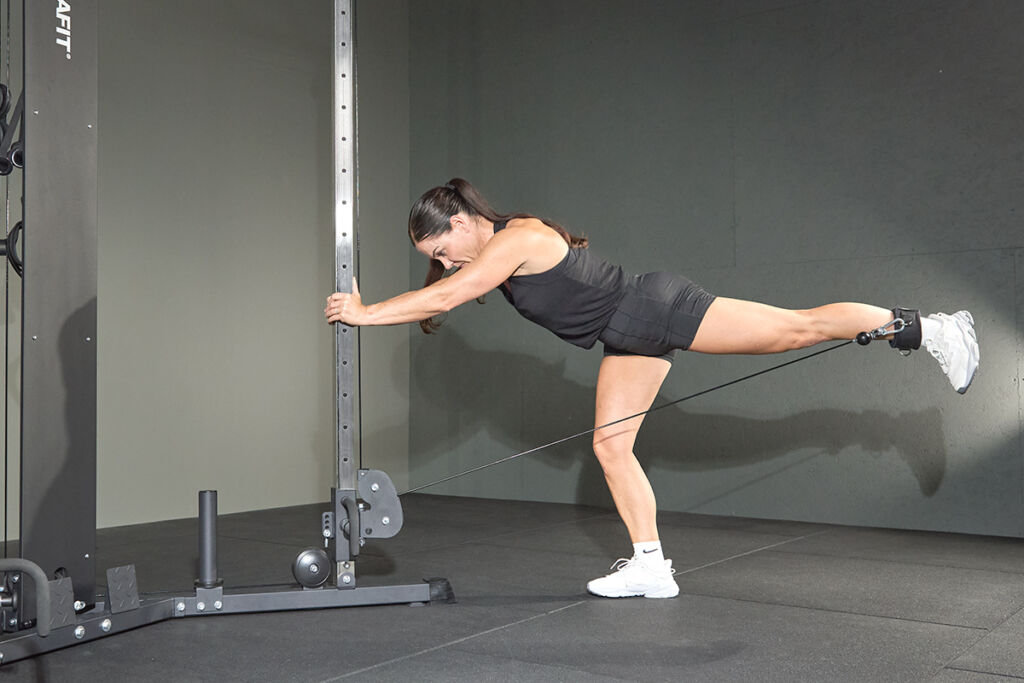
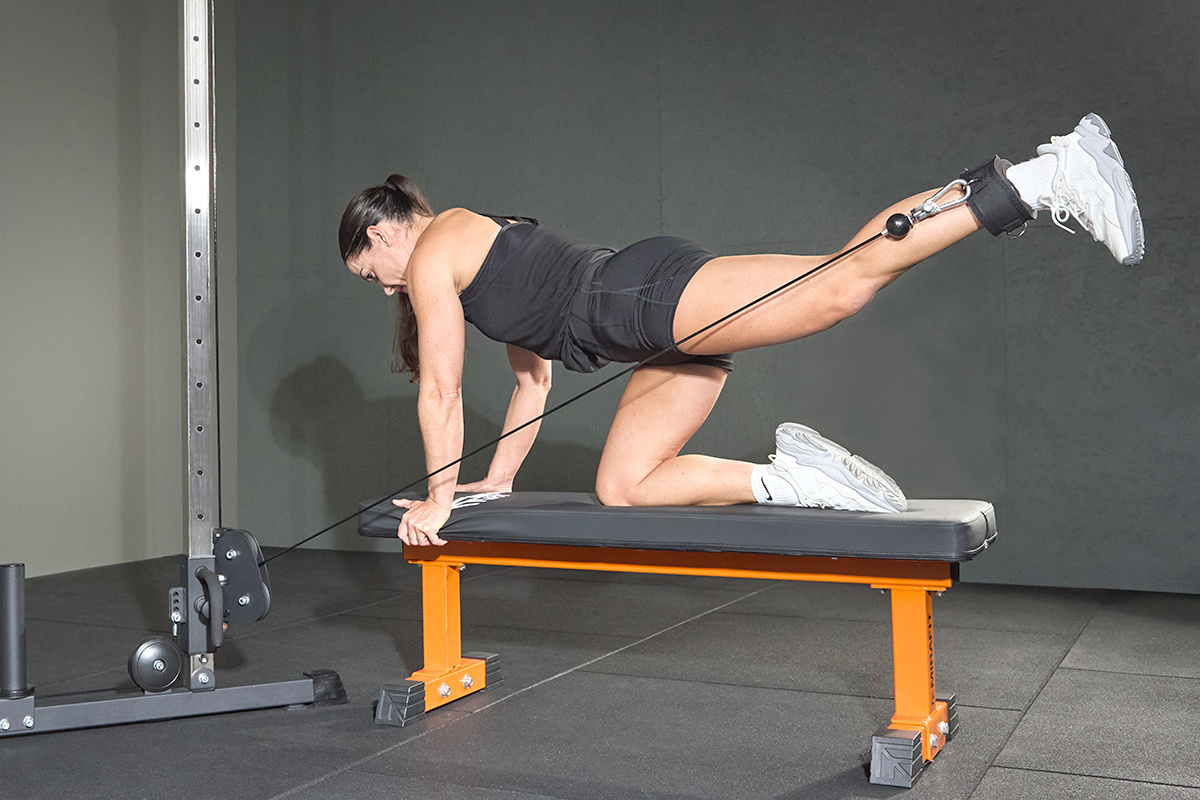
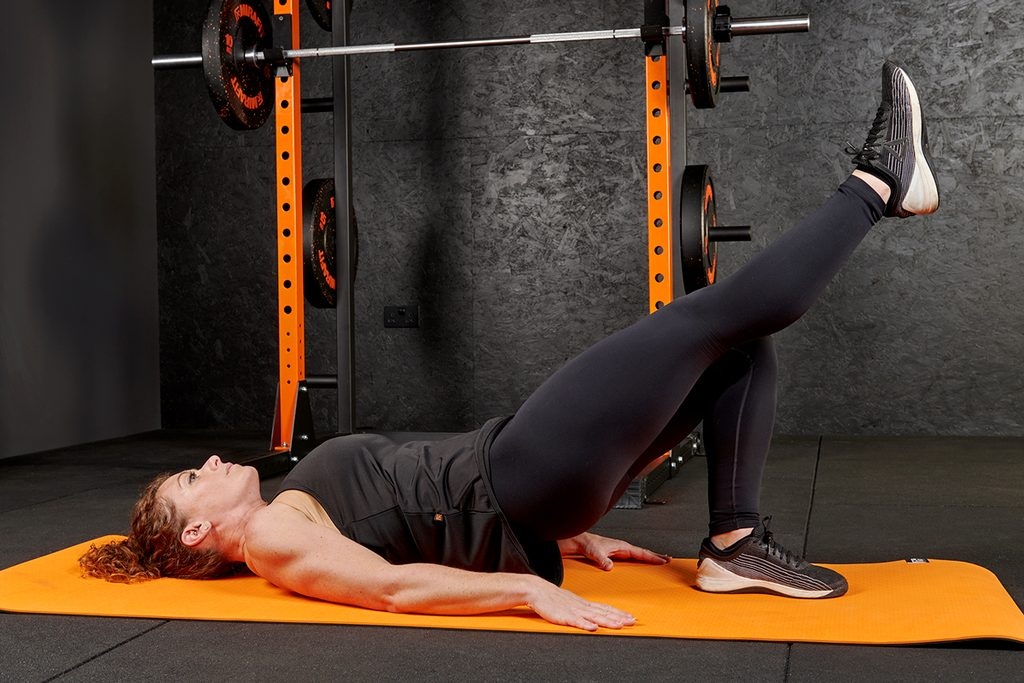
For your gluteus maximus, one of the best compound exercises you can do is the hip thrust. It’s a classic glute exercise for a good reason. The hip thrust lets you load your glutes with a heavy stimulus and is therefore great to build size and strength. If you want to train this muscle in isolation, Cable Exercise Machine kickbacks and hip extensions are your friends.
For the gluteus medius, Bulgarian split squats are a great option. Your gluteus medius’ key focus is to stabilise your hips, so anything unilateral is the way to go. If you want to train your gluteus medius in isolation, the hip abduction machine is the one to try. Or, if you don’t have access to one, side-lying leg raises will do the trick.
There isn’t a compound exercise that specifically targets the gluteus minimus as it works alongside the gluteus medius. The same hip-abduction movements mentioned before are good options to engage your gluteus minimus.
Is Glute Training Only Useful for Aesthetics?
No. Glutes are important for athletic performance: sprints, lifts, and jumps all require use of your glutes. But these muscles are also essential contributors to your posture, walking, going up and down the stairs, jogging, and many other day-to-day activities.
Should Men Train Glutes?
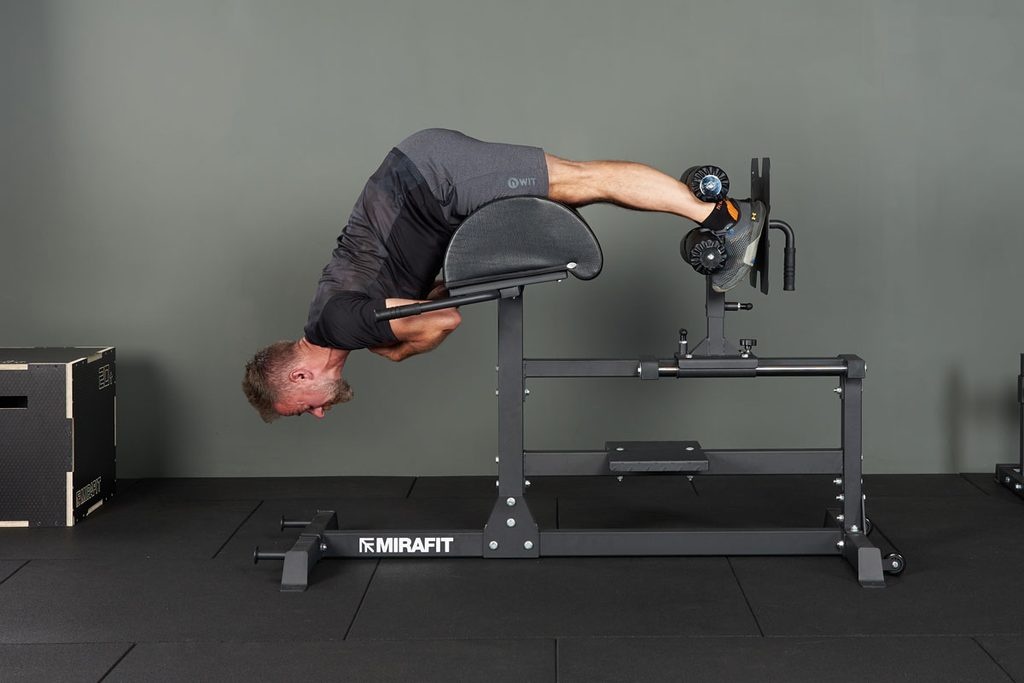
Yes. As mentioned previously, your glutes play a key role in everyday motions and athletic performance. This gives men as much reason to train their glutes as anyone. Find out more in our blog about Why More Men are Doing Hip Thrusts in the Gym.
What are Signs of 'Weak Glutes'?
When your glutes are weak, other parts of your body (often your lower back, core, and/or hamstrings) must work extra hard to make up for them. This can lead to aches and niggles in places other than your butt.
Weakness in your glutes can cause your pelvis to rotate forwards and down, also known as an anterior pelvic tilt. This means that your lower back is arching excessively inwards, which can cause pain and further posture issues.
Weak glutes can also cause your knees to cave inwards when you squat or when you run. This happens because your glutes are not strong enough to control the position of your thigh bone. This knee caving can cause IT band syndrome and other knee problems.
How Can You Fix a Glute Imbalance?
If your left glute is weaker or smaller than your right glute (or vice versa), you should try to rectify by engaging your weaker side in exercise, while preventing the stronger side from overcompensating for the imbalance.
The best approach would be to add unilateral glute exercises to your routine. For example, Bulgarian split squats, step-ups, single-leg hip thrusts, and lunges. Start each exercise on the weaker side. However many reps you do on your weak side, that’s how many you should do on your right side. It might be tempting to add a couple of extra reps on your good side just because it feels stronger or easier, but that will only make the imbalance worse.
Focus on performing slow, controlled reps, keep your pelvis level, and work through the movement’s full range of motion. Try and feel your glute activating and avoid your body twisting or shifting weight to your strong side.
You can add a couple of extra reps, or an extra set of unilateral work to your weak side to help it match your strong side faster. Don’t overdo it. Just two or three extra reps per set are enough.
An important thing to note, however, is that imbalanced glutes aren’t always caused by one side ‘just’ being weaker than the other. There is a range of possible explanations for an imbalance, including leg length differences, asymmetric hip anatomy, or a previous injury. If your glute imbalance has come on suddenly or is painful, it’d be worth getting an assessment from a qualified sports therapist or physiotherapist.
Will Glute Exercises Make Your Butt Look Bigger or Smaller?
When challenging your glutes with a well-thought-out weight training programme where you are progressively overloading their muscular capacity, your glutes will grow. But if the exercises are too easy, you’re not eating enough, or are not taking sufficient time to recover in between sessions, it’s unlikely you’ll see significant changes in your appearance.
Your overall body fat percentage matters too. Increased exercise can help you lose body fat, which may make your butt appear smaller, even when your glutes are actually getting stronger and bigger.
Can Glute Training Change Your Glute Shape or is it Genetic?
Both training and genetics play a part in glute shape. Your genetic make-up is largely responsible for the basic shape of your glutes. But glute exercises can certainly refine that shape. A number of genetic factors that determine glute shape are -
• Your bone structure, particularly your hips and pelvis.
• The location of your muscle attachments to your bones.
• Your overall proportions.
These things can influence whether your glutes look more naturally rounded, or square, or heart-shaped. Glute exercises cannot change that basic shape, but they can -
• Increase overall size.
• Add fullness to particular areas. For example, by expressly developing your upper or outer glutes.
• Correct any imbalances between sides and create symmetry.
Do You Need to Only Do Hip Thrusts and Squats to Train Glutes?
Hip thrusts and squats are excellent exercises to train your glute muscles. But they’re not the only movements that are effective, and it’s not a good idea to limit yourself to only a few options. Hip thrusts and squats primarily train the gluteus maximus through hip extension. But step ups and lateral lunges are much more effective to target the gluteus medius and minimus. RDLs train your glutes when they’re lengthened, and Bulgarian split squats train each side independently and through an extended range of motion.
In other words, by using a variety of exercises to train your glutes, your training becomes much more comprehensive, and more fun!
Do You Need to Use Very Heavy Weights for Hip Thrusts?
The short answer is ‘no’, you do not need to use very heavy weights to see results on the Hip Thrust Bench, but heavy weights can be effective. If more strength and a more defined appearance is your goal, your weights should feel challenging and ensure you’re working close to your max while maintaining the correct form.
For example, if you’re performing 8-12 reps per set, the last 2-3 should feel hard. Sets of 16-20 with lighter weights can also work well if you still get close to failure on your last couple of reps. If you start failing your reps, that likely means you’ve used weights that are too heavy.
You can measure your overall progress by gradually increasing your weights, reps, or sets. And never sacrifice proper technique just to move very heavy weights. To lift as heavy as possible isn’t the goal here.
How Many Times a Week Should You Do Glute Training?
The ideal number would be two or three times per week. This provides sufficient challenge for your glutes while still giving them time to recover between sessions. For example, you could train glutes every Monday and Thursday, with an optional session on Saturday.
If you’re just starting out and your glutes still feel very sore when your next session is due, it’s ok to take it easy and adapt your training. You’ll find your muscles will soon adjust to their new stimulus.
What Rep Range Should You Use in Glute Sessions?
There isn’t a magic number for glute training, and a fairly wide range of reps can help you build muscle. For most strength-building exercises, six to 15 reps is a sensible rep range to aim for. For accessory movements, 12-20 is a good number. The key is that the final couple of reps should feel challenging, but still doable with good form. If you can perform your whole set without feeling any burn in your muscles, you can add some more weight or do a few more reps. An example workout could look like -
• 8 x Hip thrusts.
• 10 x Back squats.
• 12 x Romanian Deadlifts with an Olympic Barbell Set.
• 16 x Step-ups.
• 16 x Bodyweight reverse lunges.
Should You Do Unilateral or Bilateral Exercises for Glutes?
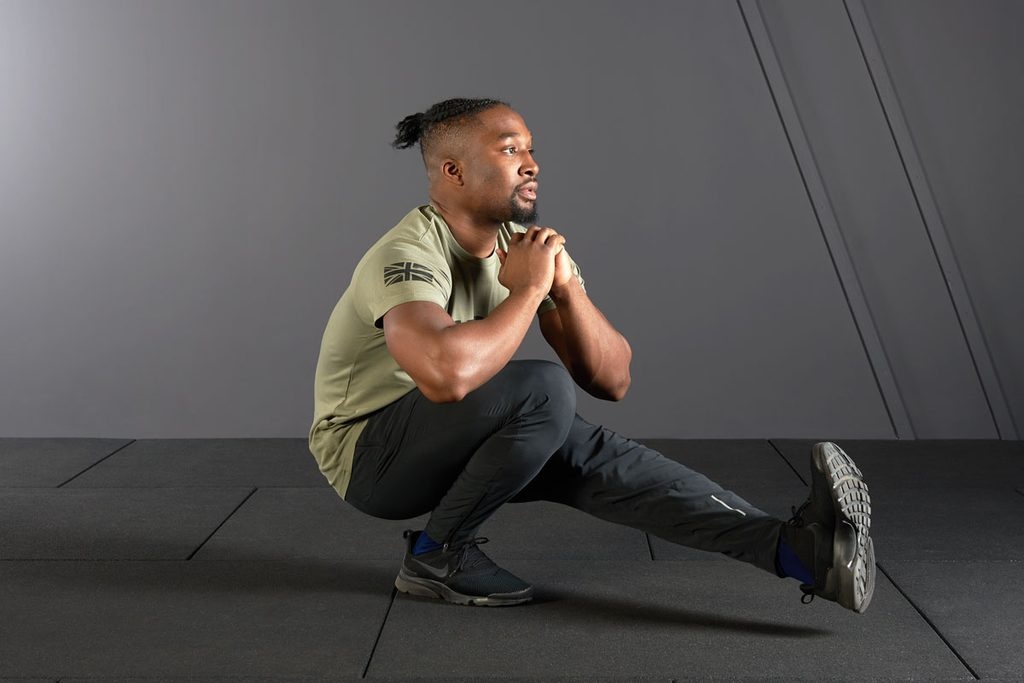
Neither is better than the other, and you should make sure to include both in your training.
In bilateral exercises, both legs work together. Think: deadlifts, squats, and box jumps. A key advantage of bilateral exercises is that it is easy to progressively overload your muscles as you are typically capable of lifting heavier weights. They are good exercises for building strength and muscle.
In unilateral exercises, only one leg works at a time. Think: Bulgarian split squats, step-ups, lunges, and pistol squats. They make each glute work independently and can help address any imbalances between your left and right side. Unilateral exercises also offer a bigger challenge for your hip stability.
Do You Need to Have DOMS After Every Glute Workout?
No. Delayed Onset Muscle Soreness (DOMS) isn’t a reliable indicator of the quality or effectiveness of your workout. DOMS happen when you subject your muscles to a particular stimulus they are not used to. This could be an exercise you’ve never done before, a steep increase in training volume, or returning to your old workout routine after some time off. It is entirely possible to have done a great glute workout and feel only a little (or not at all) sore the next day.
What matters instead is whether you notice you can perform an exercise with progressively heavier weights or for more reps. Another good indicator of progress is reduced recovery time in between sets or sessions.
Muscle development is a long-term challenge. Being able to stick to a training plan that leads to gradual gains is always preferable over a workout that leaves you unable to walk the next day and unmotivated to train again.
Strong glutes don’t happen overnight. As with all things worth having, they take time and commitment. Consistency is always the key!
For more content, follow us on Instagram, YouTube, TikTok, and on our official Mirafit Facebook page.
Tags: Exercise Type > Strength