
4 min read

Checkout using your account
Checkout as a new customer
Creating an account has many benefits:
When building your home gym, you need to make sure you are able to perform a range of exercises capable of working the whole body. In addition to free weights such as dumbbells, it is also beneficial to add the ability to do the type of resistance training offered by cable machines.
When building your home gym, you need to make sure you are able to perform a range of exercises capable of working the whole body. In addition to free weights such as dumbbells, it is also beneficial to add the ability to do the type of resistance training offered by cable machines.
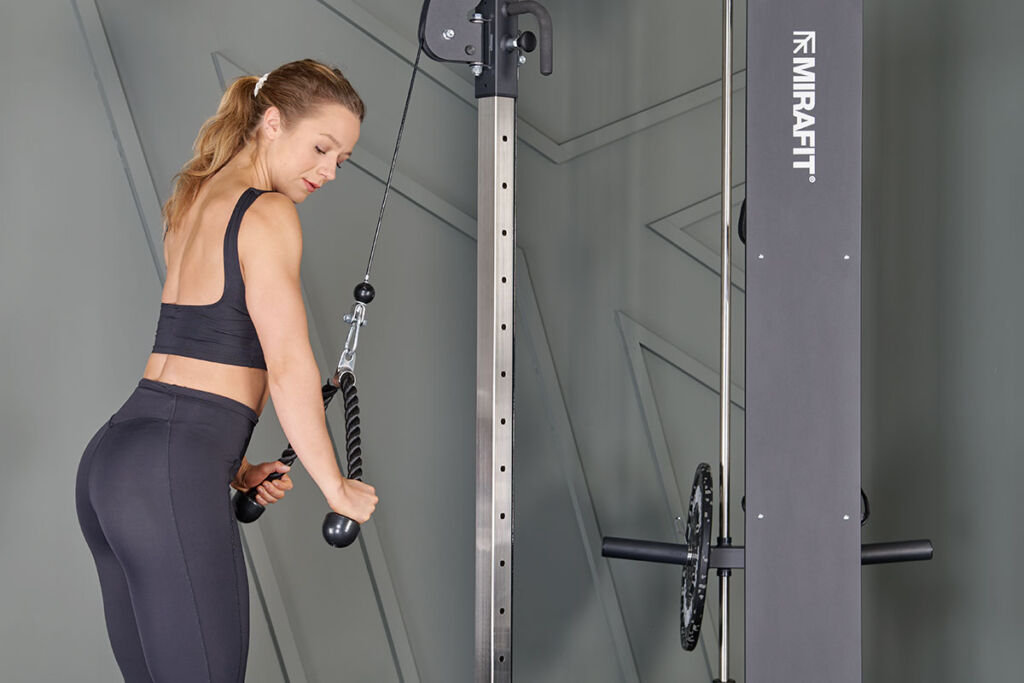
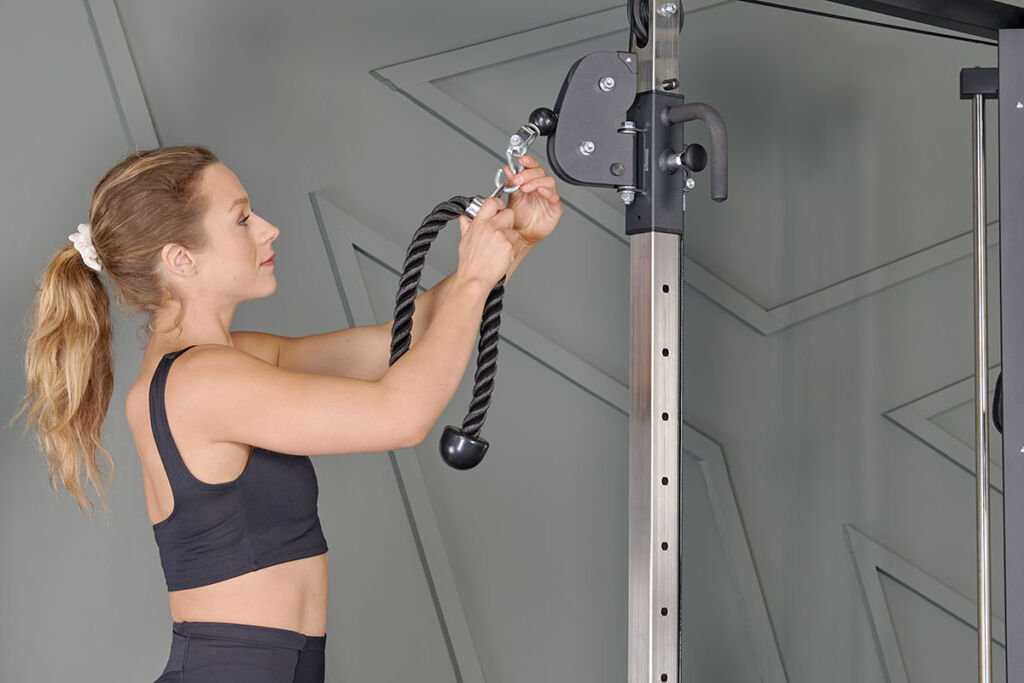
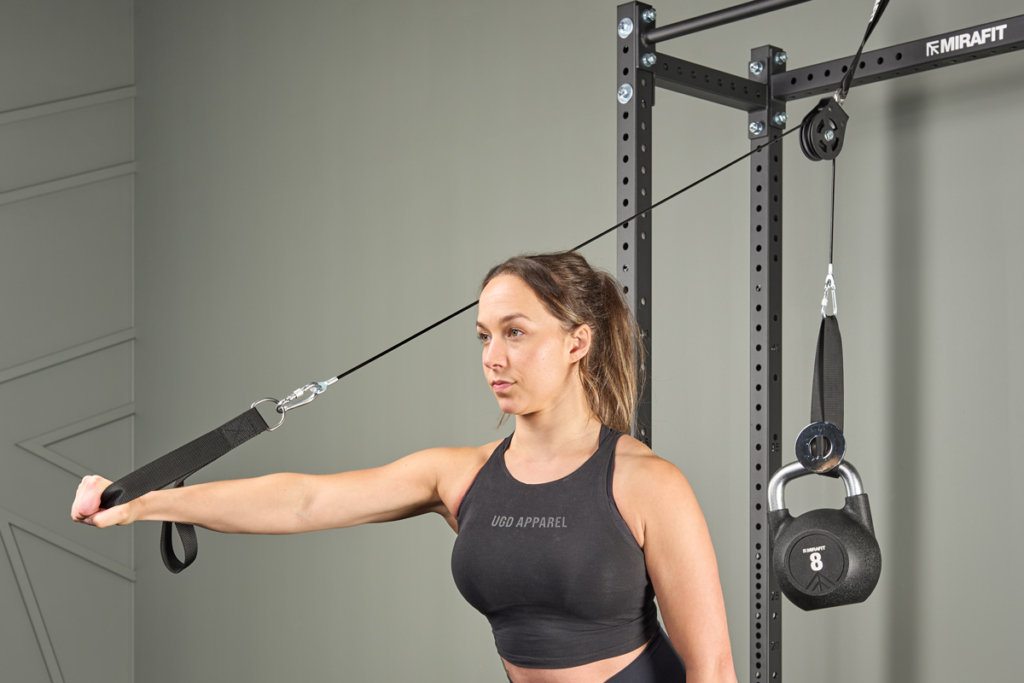
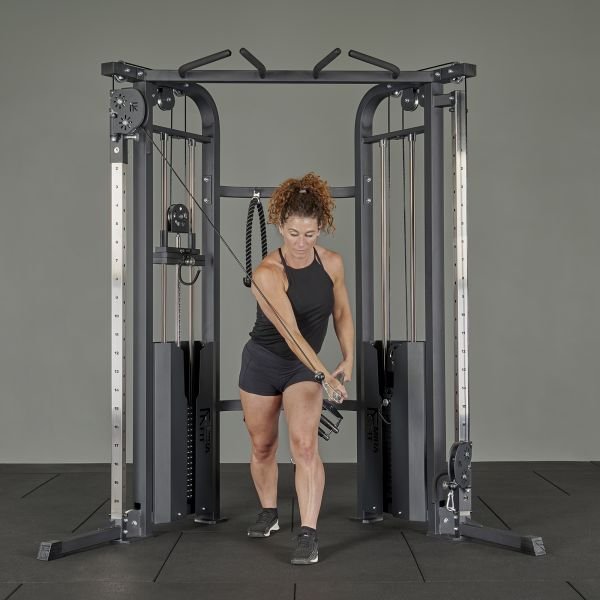
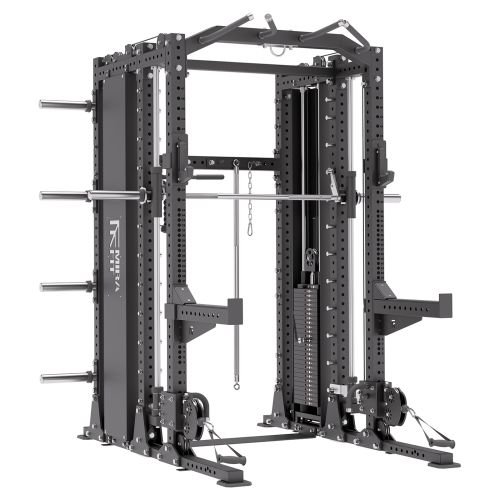
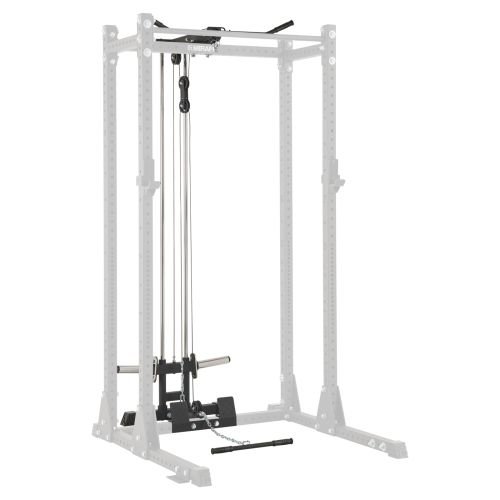
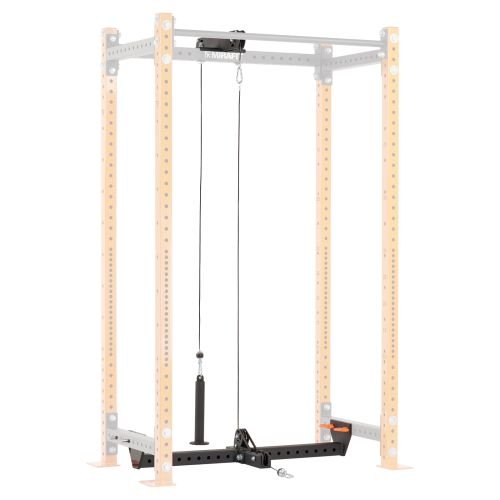
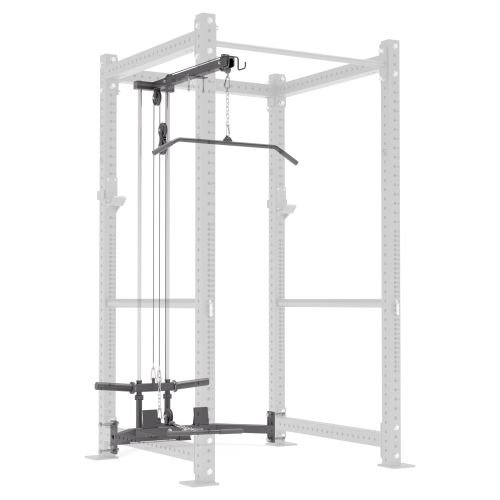
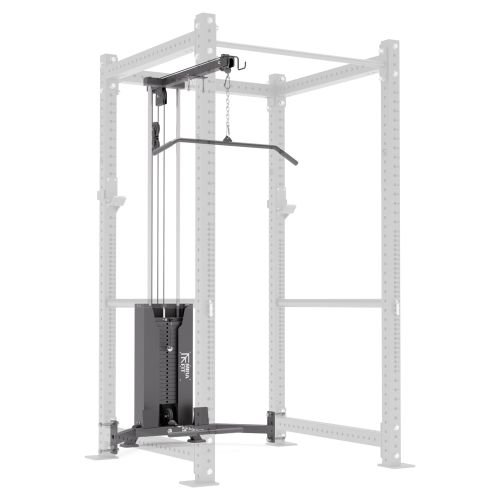
Due to the different ways that the cables can be used, these pieces of equipment are very versatile and able to be used for a variety of exercises. Whether you want to work your back muscles with lat pulldowns or build arm muscles with bicep curls, there is a machine to suit. Cable machines are available as stand-alone units, wall mounted or as an accessory to your existing power rack. What you choose will depend on the space you have available and what equipment you already own.
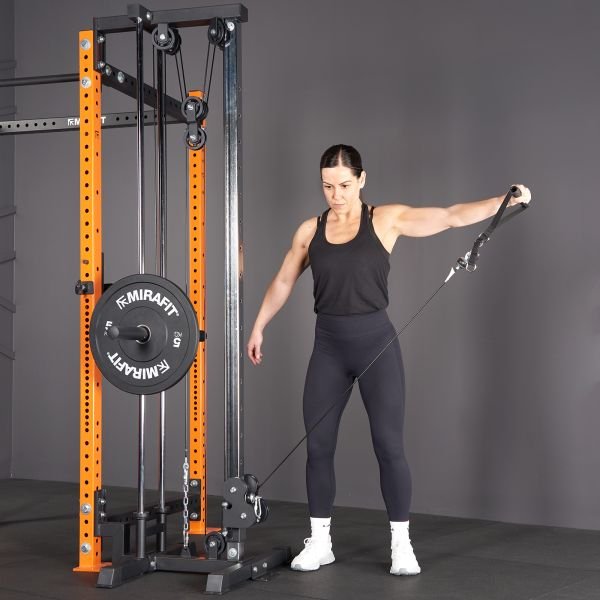
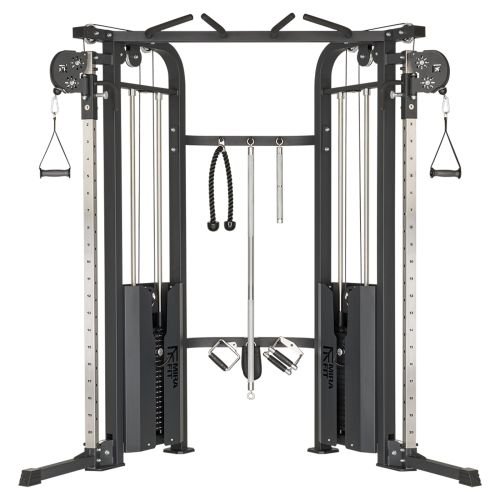
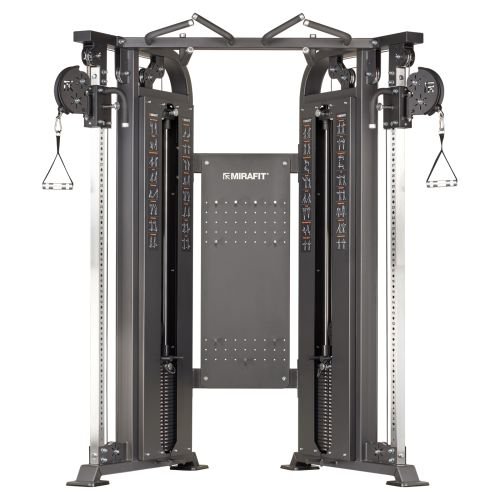
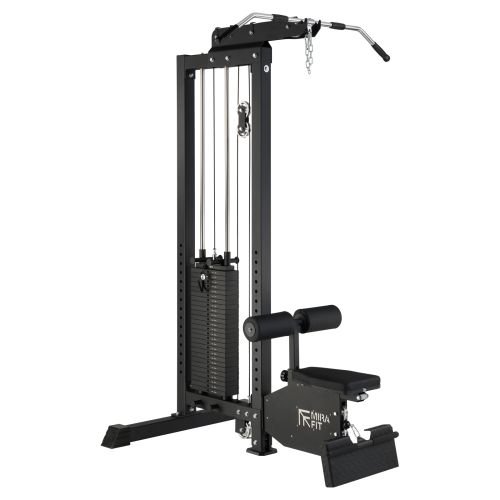
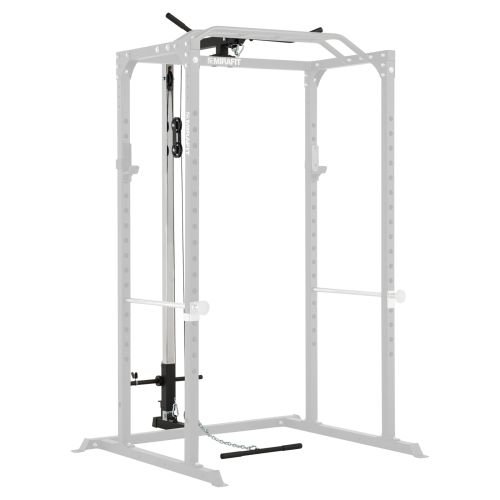
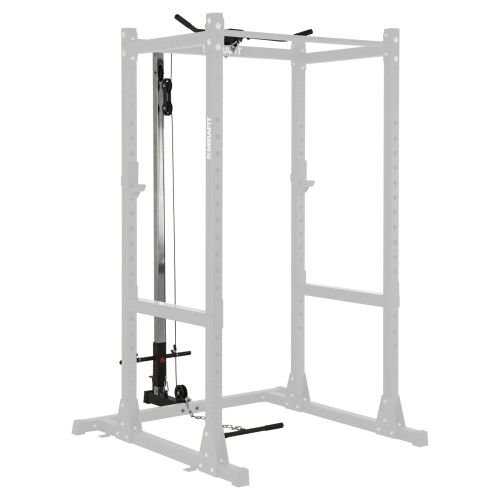
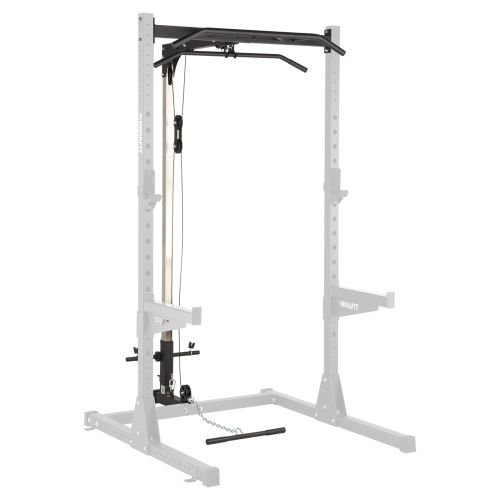
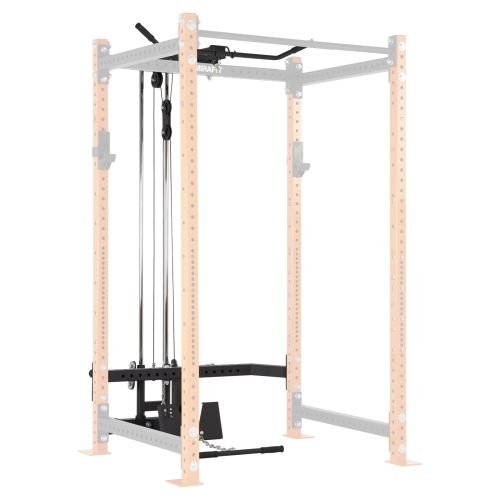
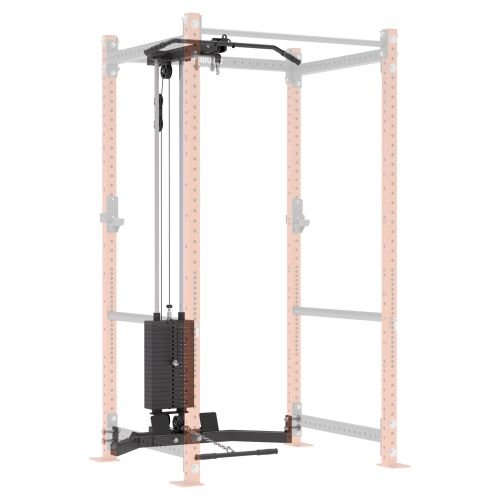
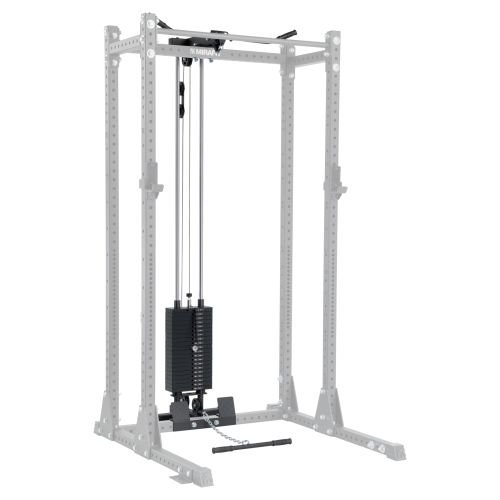
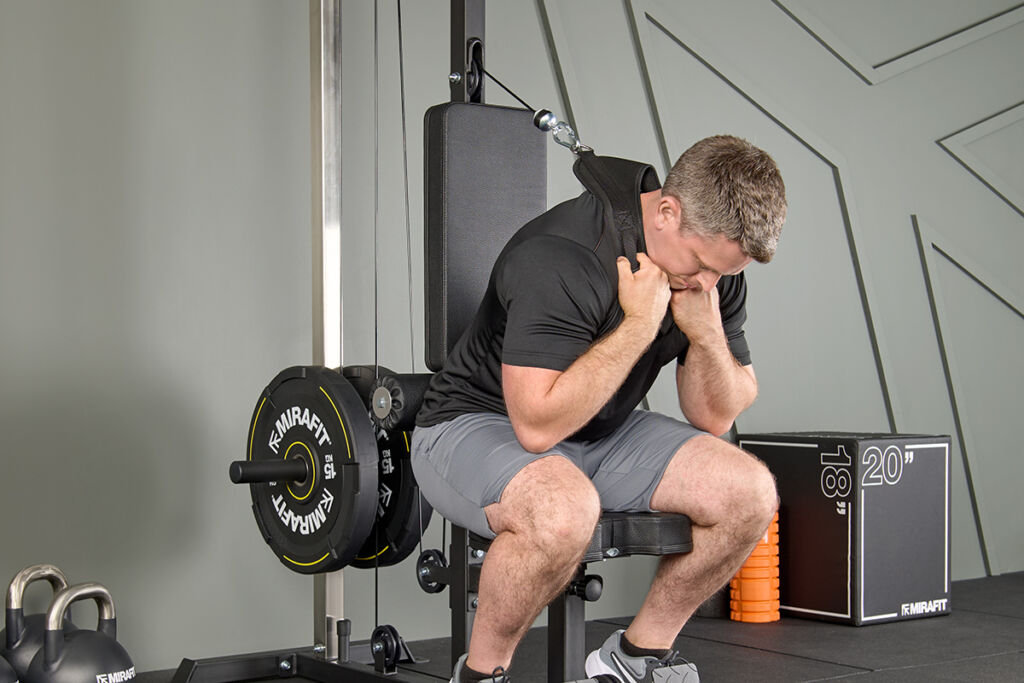
Rack attached cable machines are usually plate loaded, meaning you add weight plates to the sleeves in equal pairs until you get to the weight you want. The plates are then held in place with collars. Stand-alone functional trainers are also available with weight stacks, this is where the weights are built into the machine and the required resistance is selected by placing a pin in the weight stack. For this reason these machines are often referred to as selectorised cable machines. Generally, the lower you place the pin, the more of the weights that are attached to the pulley system.
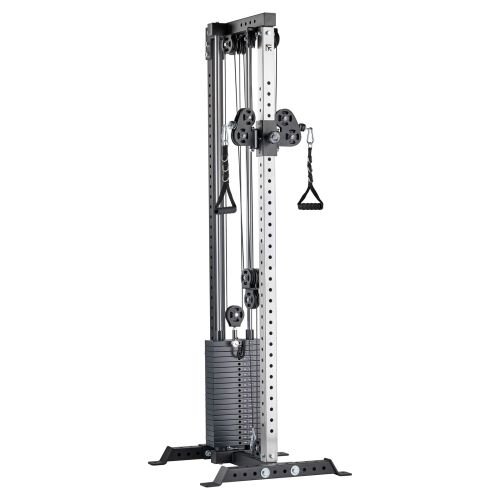
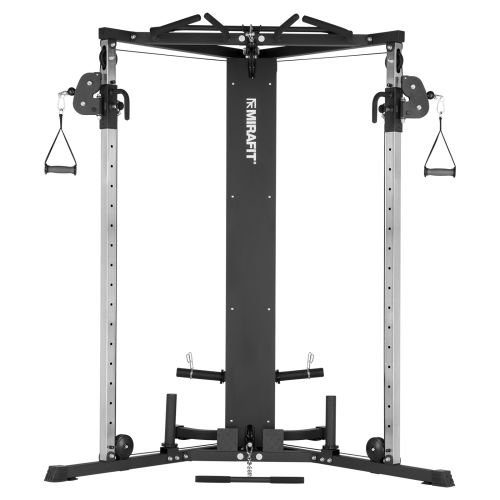
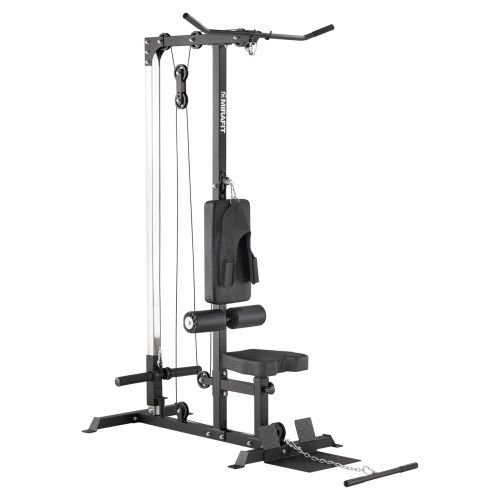
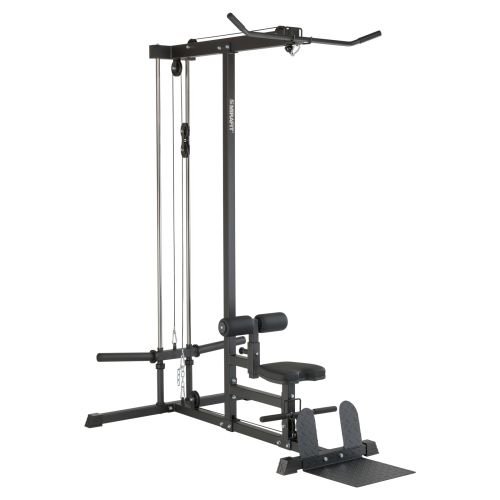
Many lat pull down machines come with both high and low pulleys meaning they can be used for a range of other exercises such as seated rows and arm exercises. Some even have built in foot plates to assist when rowing.
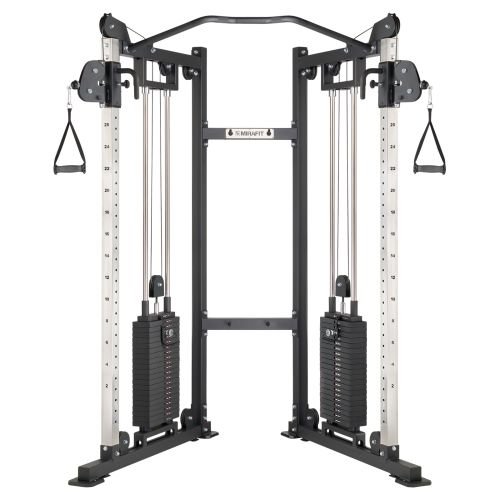
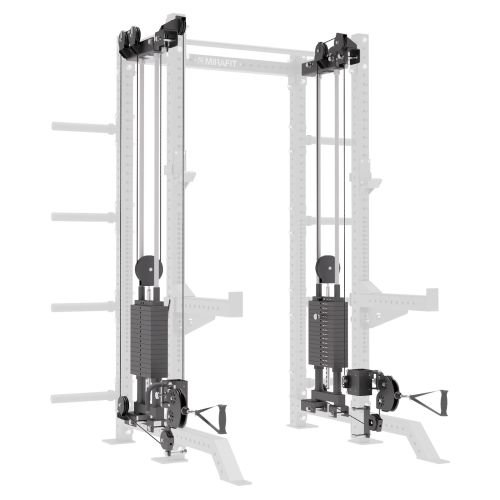
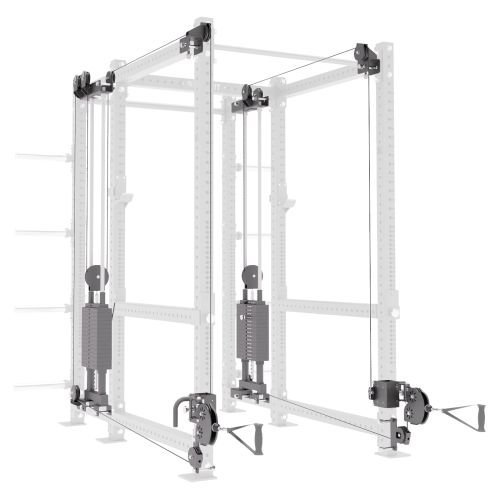
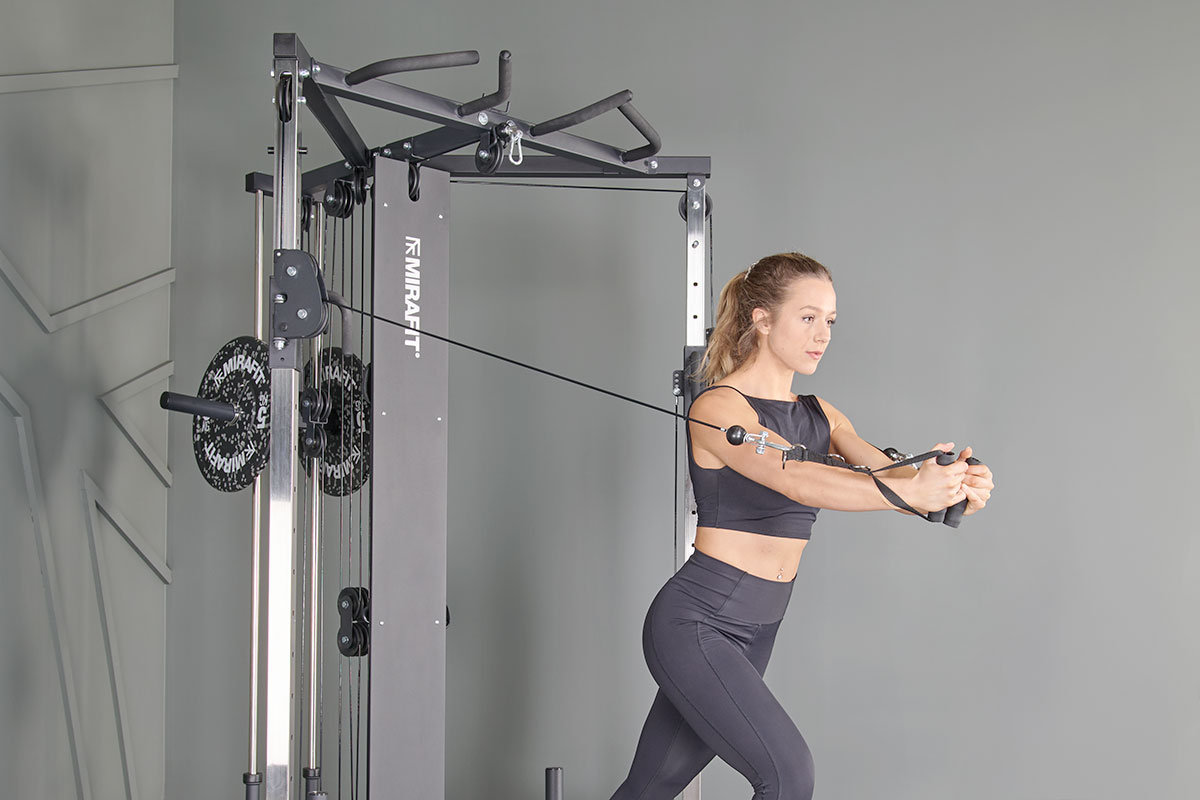
Cable crossover machines have two separate handles, allowing you to work each side of your body independently or using both handles at once for exercises such as cable chest flyes. These are generally more popular in gyms and commercial environments as they offer a great range of workout exercises but have a larger footprint.
A cable machine uses pulleys and resistance from either weight plates or a weight stack. The cables create smooth, controlled resistance throughout an exercise, making them suitable for strength training, muscle building and functional workouts.
The right option depends on your available space, training style and budget. Functional trainers are highly versatile, lat pulldown machines can have a smaller footprint, and rack attachments work well if you already own a power rack.
A functional trainer usually has adjustable pulleys with a compact footprint designed for varied exercises. Cable crossover machines often provide wider spacing and are popular for chest-focused movements and commercial gym setups.
Cable machines can train almost every major muscle group including chest, back, shoulders, arms, legs and core. Exercises can include chest flyes, rows, lat pulldowns, tricep pushdowns, cable squats and rotational core work. Check out our Full Body Cable Machine Workout to get started.
Yes. Cable machines provide controlled movement and adjustable resistance, which can make exercises easier to learn. Beginners can start with lighter weights and gradually increase resistance as technique improves.
Yes. Cable machines create resistance through a full range of motion and can support progressive overload, helping build strength and muscle when used consistently alongside good nutrition and recovery.
Neither is automatically better. Free weights can help develop stabilising muscles and natural movement patterns, while cable machines provide constant tension and more exercise variation. Many training programmes combine both.
Plate-loaded cable machines require you to add weight plates manually and are often more affordable. Weight-stack machines have built-in weights selected using a pin system, allowing faster changes between exercises.
Space requirements vary by machine type. Compact wall-mounted systems and rack attachments need less room, while dual adjustable pulley machines and cable crossover systems generally need a larger training area.
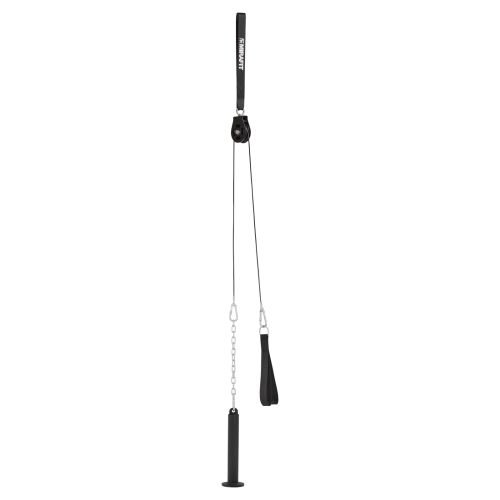
Yes. Many cable systems are designed to attach directly to compatible power racks or half racks, allowing you to expand your training options without needing a separate machine.
Yes, you can effectively train your legs using a cable machine. Cable exercises can target all major lower-body muscle groups, including the quadriceps, hamstrings, glutes and calves. Popular exercises include cable squats, lunges, pull-throughs, kickbacks, hamstring curls and standing hip movements. Here’s a list of The 12 Best Lower Body Cable Exercises.
The amount of weight you need on a cable machine depends on your experience level, exercise choice and training goals. Beginners should start with a lighter weight that allows them to complete each exercise with good form and control, while more experienced users may use heavier resistance for strength and muscle-building workouts.
Yes, cable machines can be an excellent choice for small garage gyms. Compact options such as wall-mounted cable systems and rack-mounted cable attachments allow you to perform a wide range of exercises without taking up the space of multiple separate machines. Consider the machine footprint, ceiling height requirements and how much room you need to move during exercises.
How often you should use a cable machine depends on your fitness level, training goals and overall workout routine. Most people can use a cable machine between 2–5 times per week as part of a balanced programme. Allowing adequate recovery between training sessions is important, especially if you are performing high-intensity strength training.