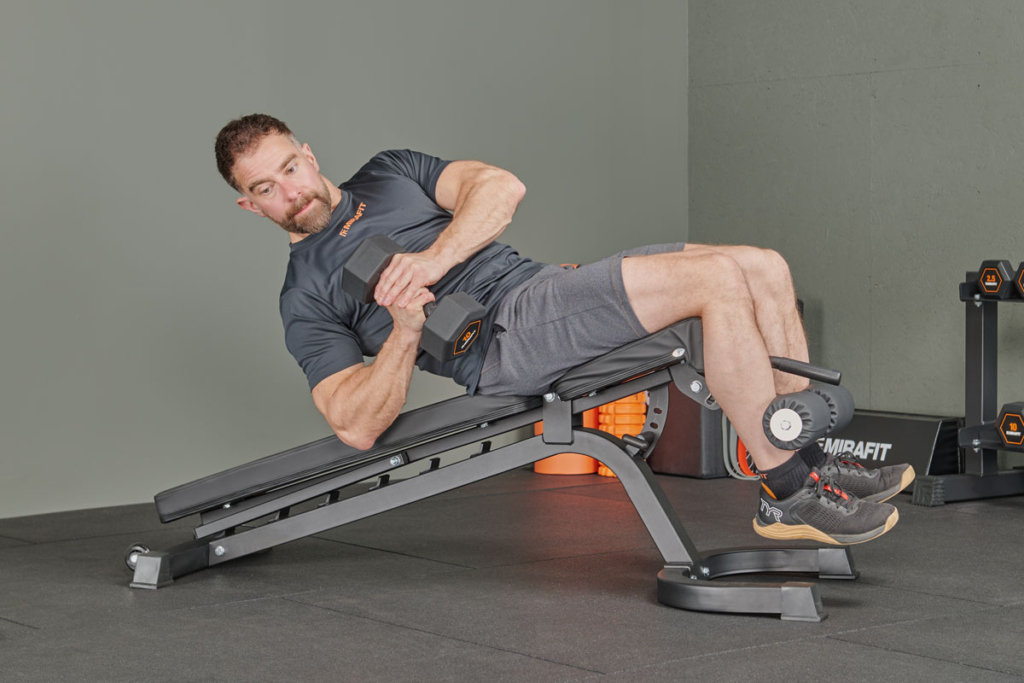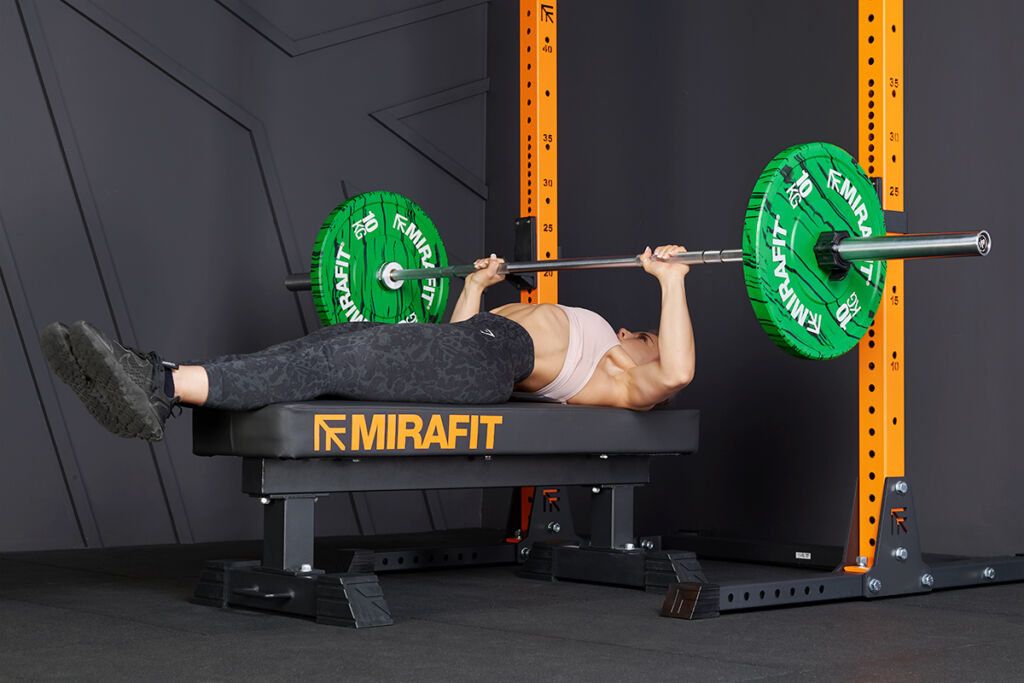
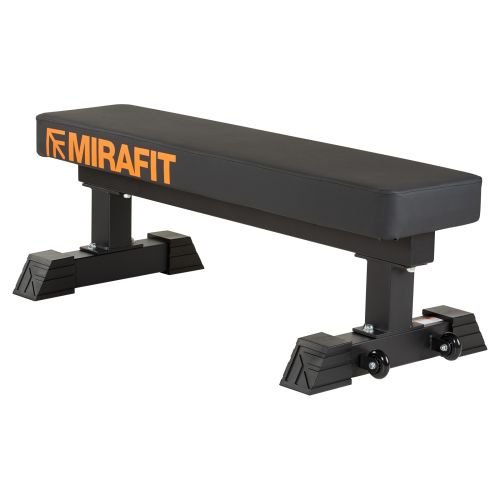
When setting up a home gym, the choice of bench is important. While an adjustable bench allows you to include incline and decline exercises in your workouts, the seat gap and hinge joints make an adjustable bench naturally less stable than a flat weight bench. This will give a flat weight bench a comparably greater load capacity during compound exercises and a more stable platform to perform body weight and calisthenics exercises on.
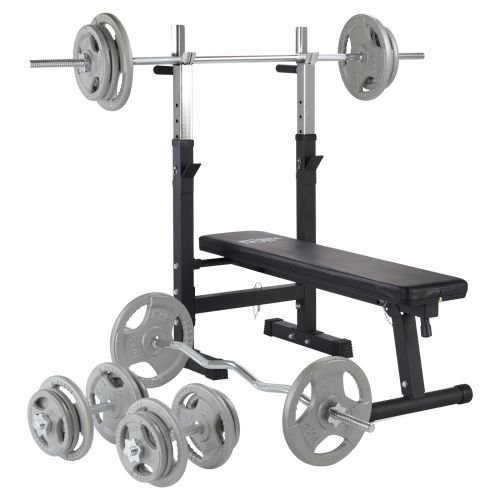


1 - Flat Bench Press
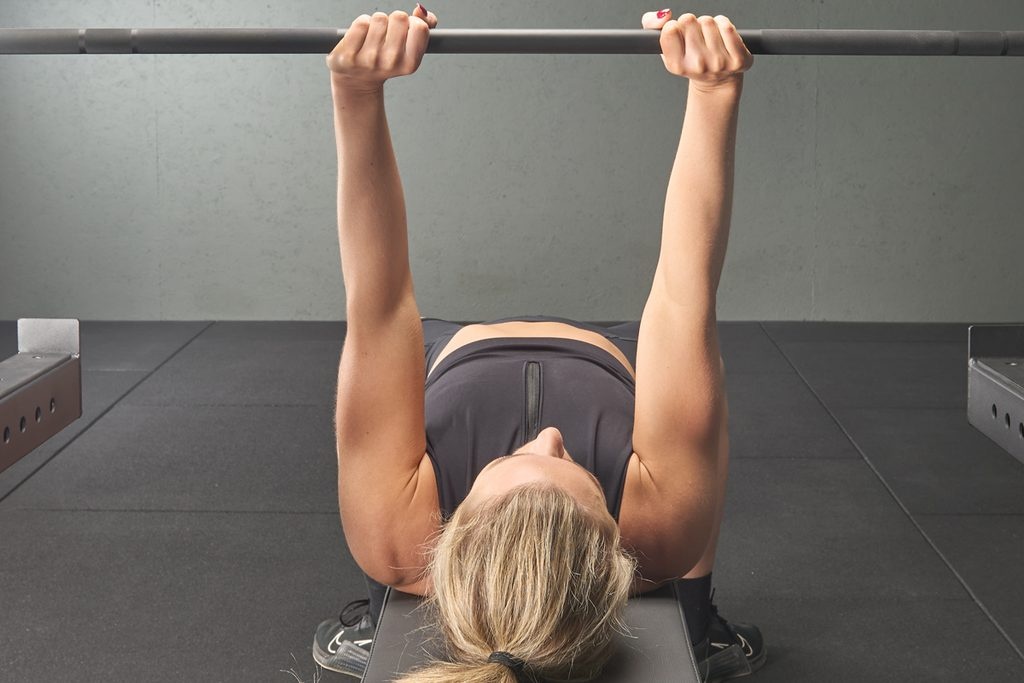
Our first compound lift is the flat bench press which requires considerable upper body strength to perform. A Flat Weight Bench will provide a greater load capacity and as there is no visible gap it means finding a comfortable and secure spot on the bench itself is easier.
2 - Hip Thrusts
Our second lift is the hip thrusts which a flat bench is essential for. This exercise develops lower body strength, in particular the glutes. However, they require a solid bench and base to withstand the heavy loads which are likely to be moved when using large muscle groups. Therefore, a flat bench is mandatory as using an adjustable bench will likely cause unwanted movement at the hinge point. In addition, the thick padding used with the flat bench protects the upper back and the wide base improves stability during heavy repetitions, while you can be sure you won’t accidentally rest uncomfortably across the hinge.
3 - Plyometric Exercises
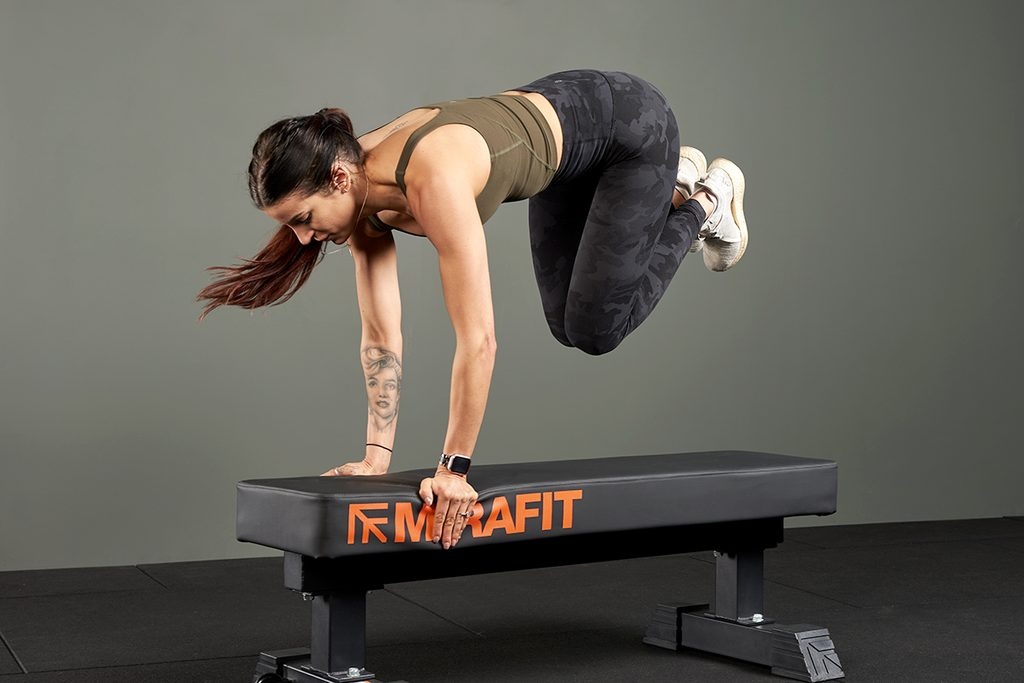
The next exercise is plyometrics such as box jumps, hop overs, and step-ups which allow single-leg exercises to become part of your training plan or session circuit. Notably, the importance of a flat and stable surface to step onto is mandatory for safety and confidence. The flat weight bench provides this level of stability due to its heavy foot placement and singular structure, which will have considerably less wobble than when using an adjustable bench.
4 - Bench Dips
Thirdly, for bench dips to be performed successfully, a stable and non-slip platform is essential. This is where flat benches are the dominant choice of equipment because the fixed frame will completely mitigate all possible movement when applying weight to one side of the bench. Because of this fixed frame, it is easier to find a flat and parallel hand position so that isolating the triceps and chest is achievable and effective.
5 - Dumbbell Pullovers
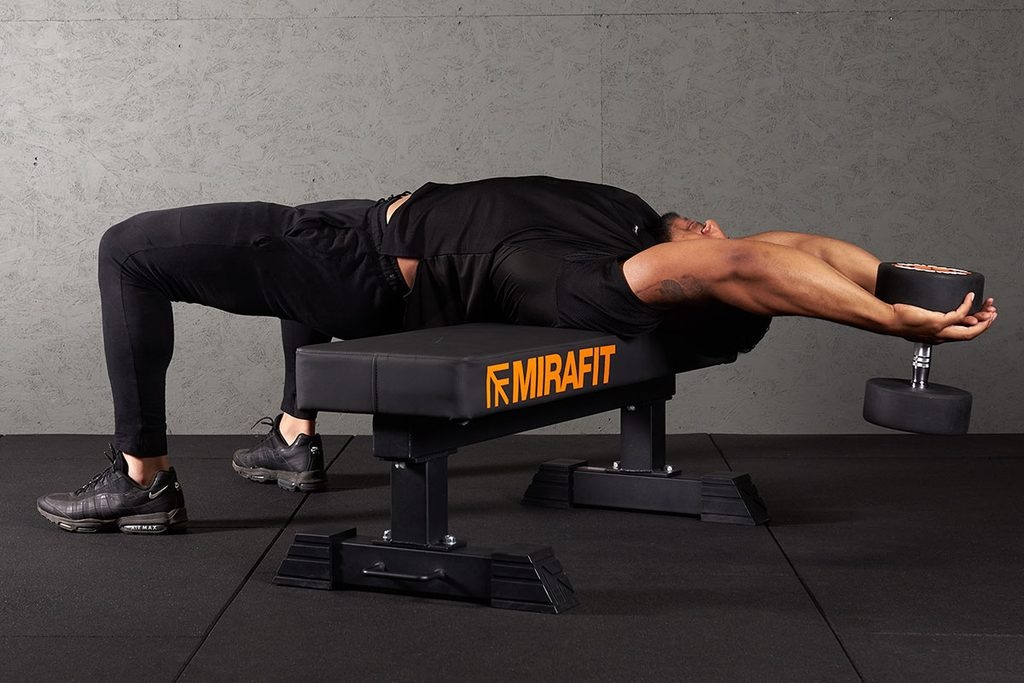
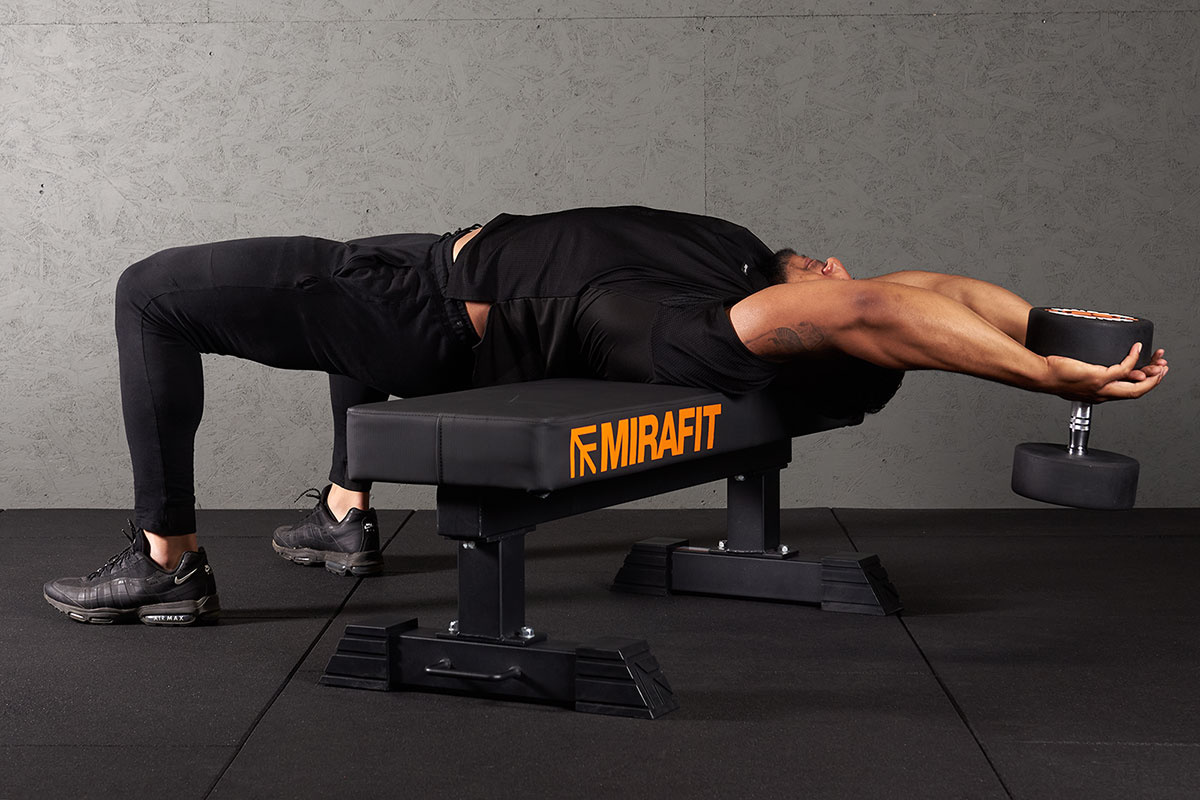
For exercises where you lie or kneel on the bench, a flat bench outperforms an adjustable bench because there is no gap between the lower and upper body support. This is particularly apparent when performing dumbbell pullovers.
6 - Single Arm Dumbbell Rows
Similarly, single arm rows require a flat bench so that knee placement can be adapted based on the individual’s height. In contrast, if an adjustable bench was used, the natural knee placement may be obstructed by the gap an adjustable bench has.
In summary, while there are certain benefits to using adjustable benches (for example, adaptability to perform incline and decline exercises, or the reduced storage needs of a Foldable Weight Bench), the flat Weight Bench with Weights is dominant if strength training is the goal. The stability and higher weight capacity means you can train with confidence while lifting greater loads, allowing you to progress faster.
For more content, follow us on Instagram, YouTube, TikTok, and on our official Mirafit Facebook page.