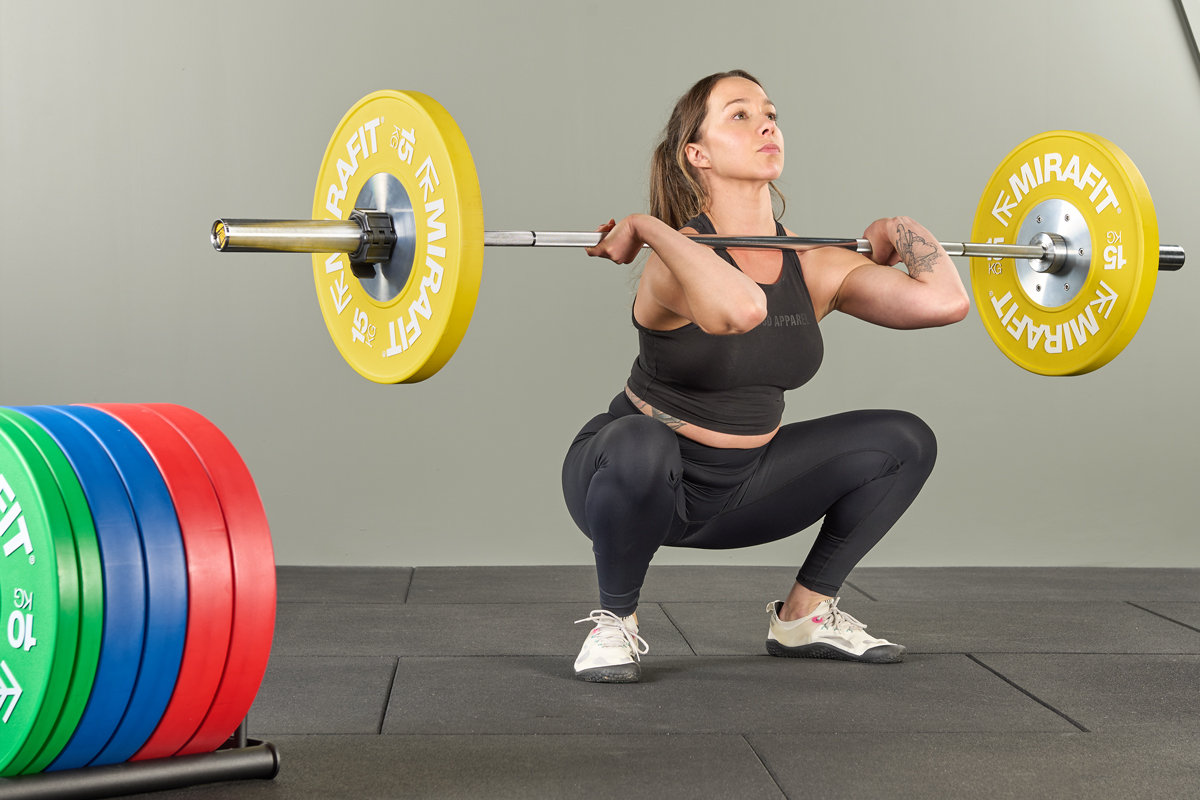

Weightlifting competitions aren’t just for the elite. They’re a great way to direct your strength training efforts towards an end goal. In other words, the pursuit of competing often makes people better at weightlifting. But entering your first competition can be intimidating, to say the least. Learning as much as you can about how Weightlifting competitions run helps reduce unknowns and make your first time less scary.
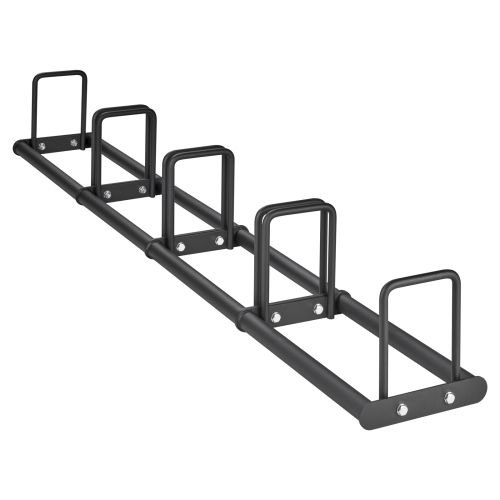
How Are Weightlifting Competitions Scored?
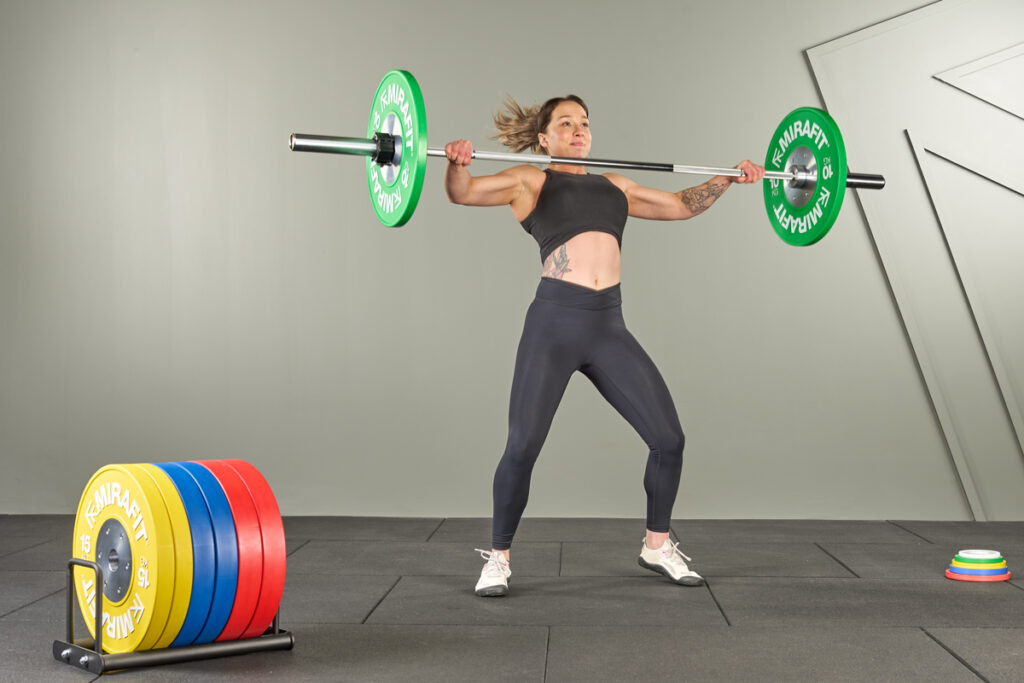
You are judged by two exercises in an Olympic Weightlifting competition -
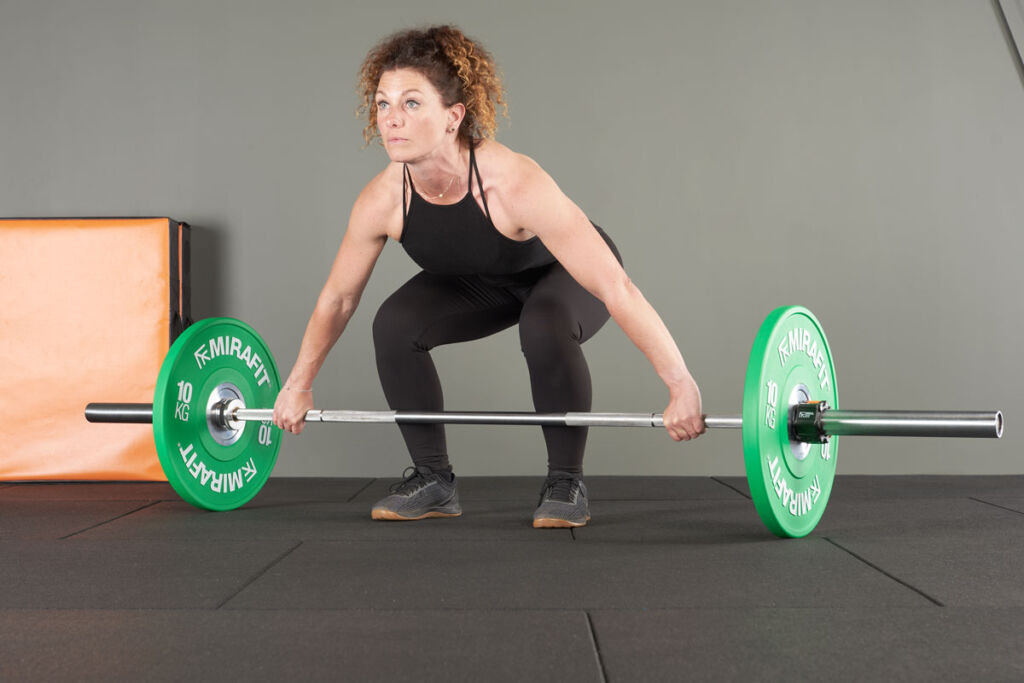
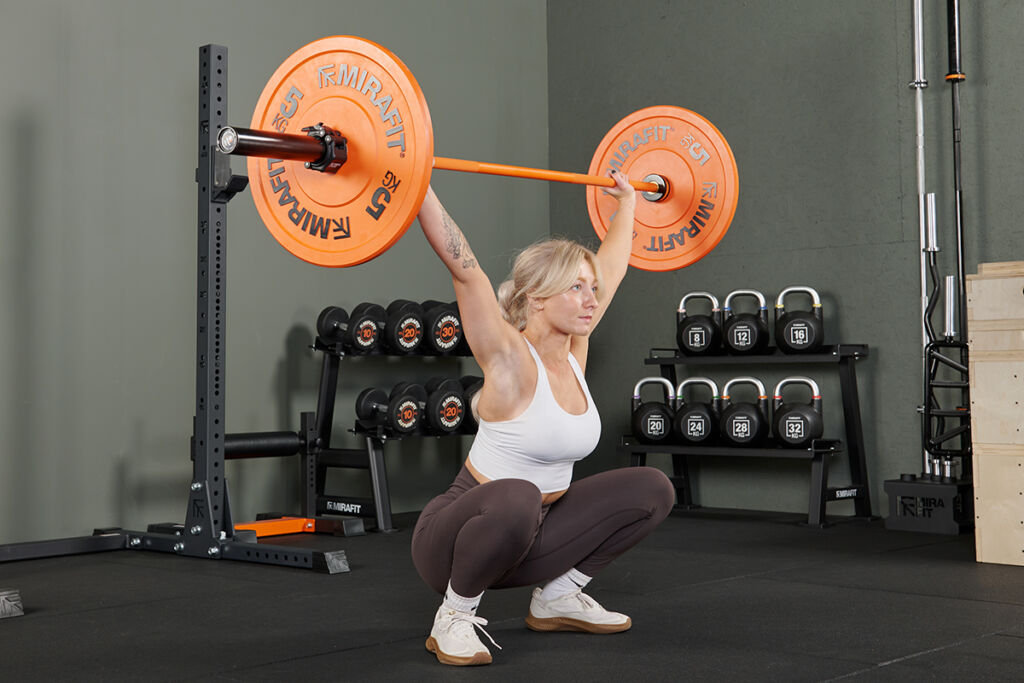
• Barbell Snatch - The bar starts on the floor and is lifted in one continuous motion into an overhead position.
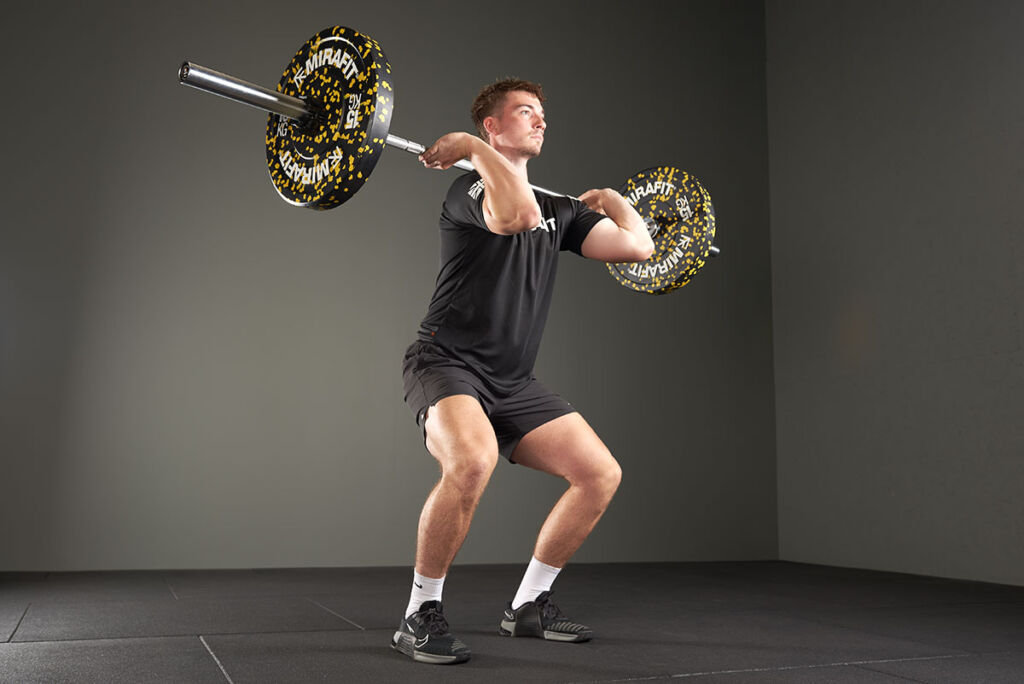
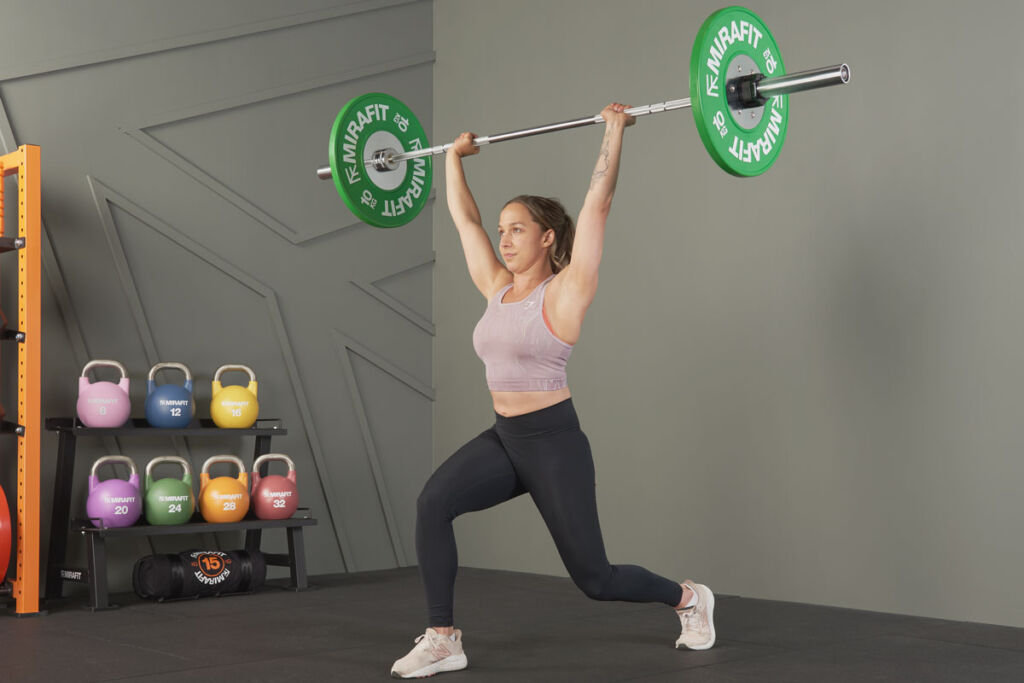
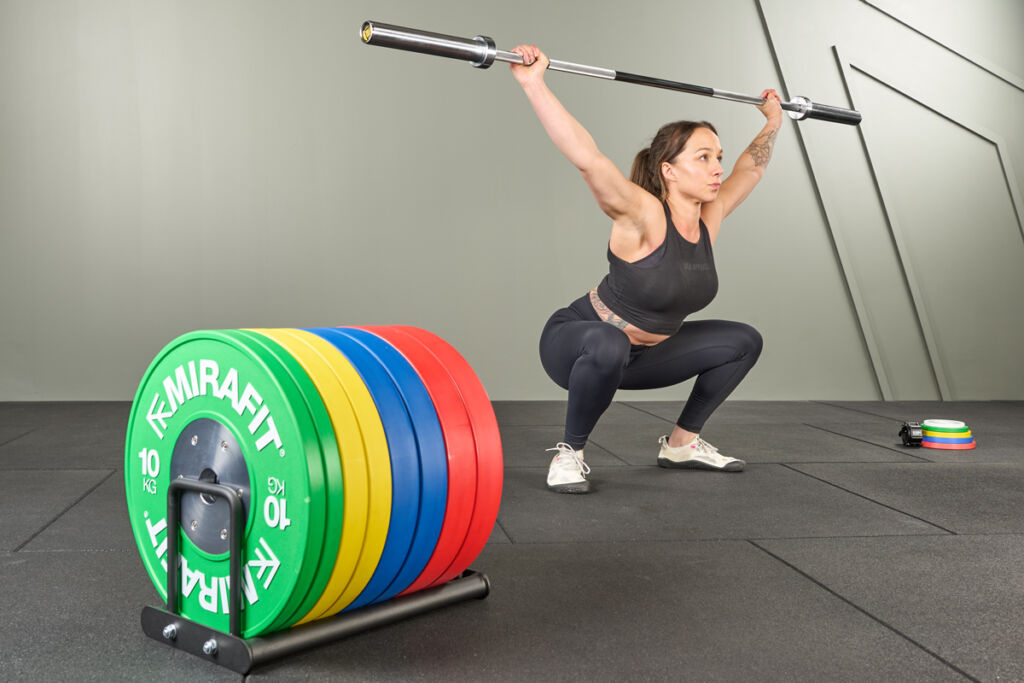
• Barbell Clean and Jerk - The bar starts on the floor and is lifted in a continuous motion onto the shoulders and then from the shoulders to an overhead position. The jerk can be a split jerk, power jerk or a squat jerk.
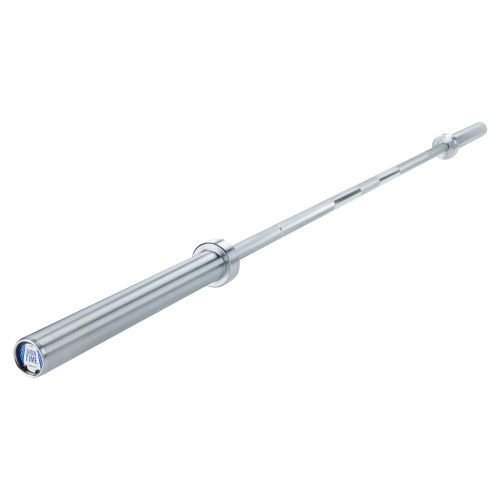
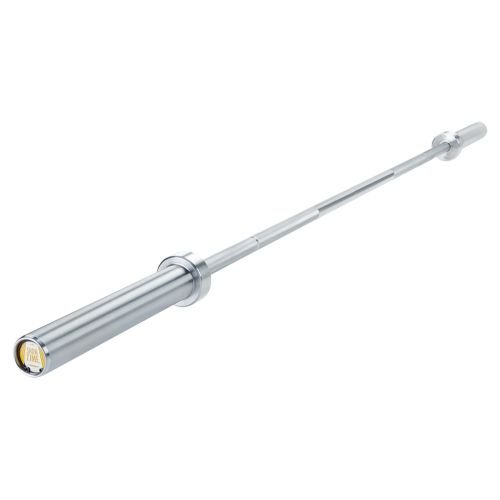
Men lift with a 20kg Barbell and women lift with a 15kg Barbell. Over the course of the competition, you will get three attempts at the snatch and then three attempts at the clean and jerk. The heaviest successful attempt at each will be used to generate your ‘total’.
This total will be compared to other people in your weight category. At small competitions without enough people to fill out weight categories, your score may be compared to scores from people in other weight categories using the Sinclair Coefficient, which standardises scores relative so that you can compare people at different weight categories fairly.
What is the Running Order in a Weightlifting Comp?
Unlike during powerlifting competitions, lifts are not performed in a round robin, where each lifter completes their first attempt before each lifter moves onto the second. Instead, athletes perform lifts according to ‘rising bar’. This means that attempts are taken in order of the weight on the bar.
So, if the first lifter has the three lightest attempts of the day on the snatch, they will perform all three attempts, one after another, with short breaks in between. You therefore need to be prepared to perform multiple attempts within a short time, because your attempts may be close together in the running order.
How To Train Before an Olympic Lifting Competition
In the Lead Up
The closer you get to competition, the more your training should resemble the competition. You also want less fatigue from non-specific training, such as, lowering the amount of hypertrophy or accessory work so that more of your limited energy can go into weightlifting movements.
One Week Before Competition
Once you are within a week of competition, your heavy lifting is done, and you should start to ‘taper off’. This means reducing intensity and training load up until the competition day so that all the fatigue from training is gone, allowing you to perform to the best of your physical abilities. During this time, honing in on technique at non-fatiguing weights can be helpful for a first competition experience.
What is the Weightlifting Performance Pathway in the UK?
Weightlifting, like any other sport, has competitions suited to all different abilities, from grassroots up to elite sport, dictated by British Weightlifting, the governing body for weightlifting in the UK.
At the bottom of the pyramid is novice and local competitions, which is where most should start before looking into BWL Tiers 1-4 and beyond.
Key Tips For Your First Weightlifting Contest
Open Easy
At a first competition, people quite often get brain fog when they initially step up to the platform. Picking a weight that’s easy and you have no doubt about being able to do is a good way to start the competition. Get the nerves out of the way and then load up the bar.
Be Prepared to Fail Your Lifts
Weightlifting is a sport not a performance. And in sports you often fail. Weightlifting is no different. Failed reps are normal and learning how to react positively to them is important.
Don't Worry About Your Total
While we want to perform to our best, your first competition is about experience. Even if your total is less that you had planned. Aim to enjoy the event and take everything as a learning opportunity, whether the result is good or bad.
If you’re going through a slump in Olympic Weightlifting training, or your motivation has taken a hit, sometimes the best thing is to jump right into the deep end with a fitness event like a weightlifting competition. Not only will you get stronger and better at weightlifting, but your all-round health will likely improve because of the snowballing effect of the healthy-decision bias that often follows health and exercise changes.
For more content, follow us on Instagram, YouTube, TikTok, and on our official Mirafit Facebook page.
Tags: Equipment > Bars and Weight Plates ; Exercise Type > Strength