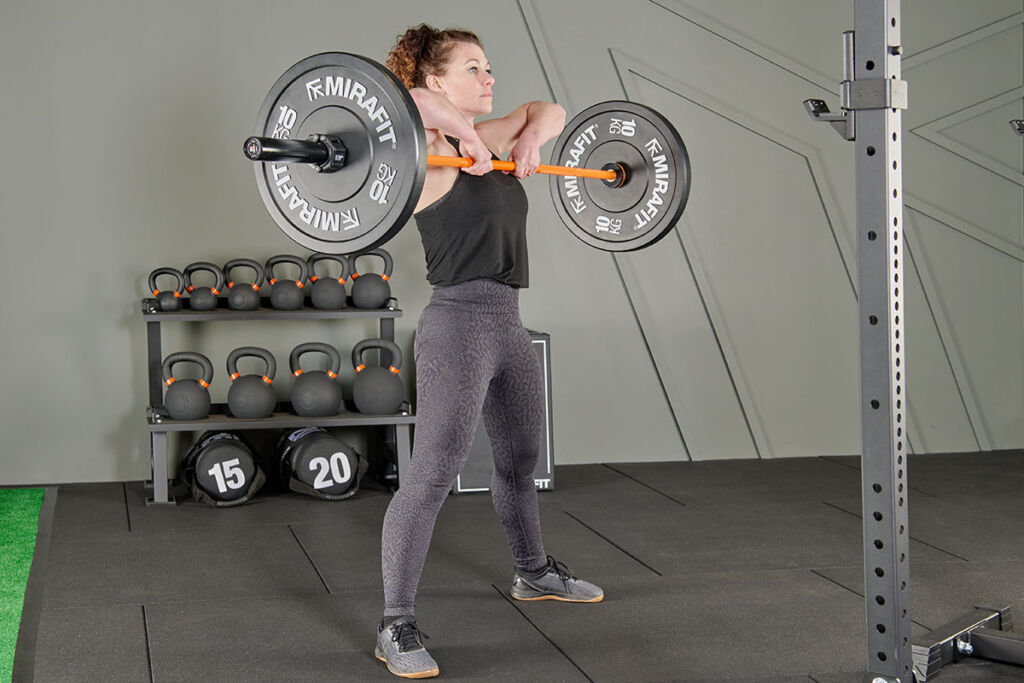
A javelin press is a single arm, overhead press variation using a barbell that replicates the position of a javelin throw. The exercise traces back to old-time strongman competitions, where competitors would frequently lift barbells, kettlebells and dumbbells overhead to display their superior strength, long before the evolution of Bicep Curl Cable Machines or Leg Exercise Machines. This exercise naturally trains the whole body as a system, combining both balance and strength in one challenging movement.
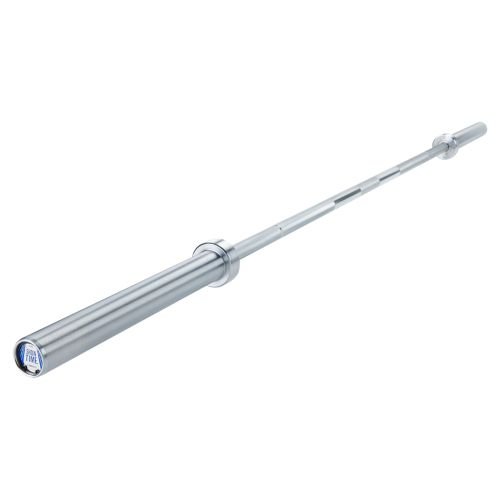
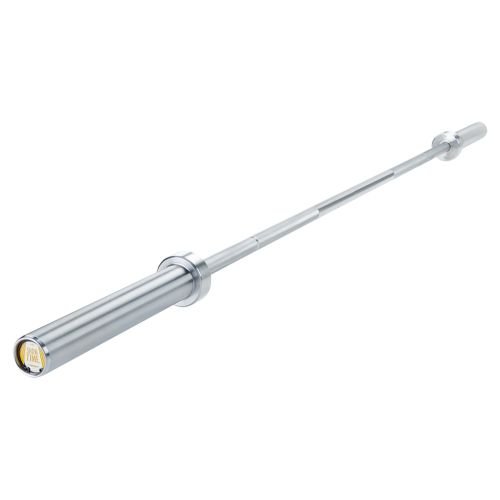
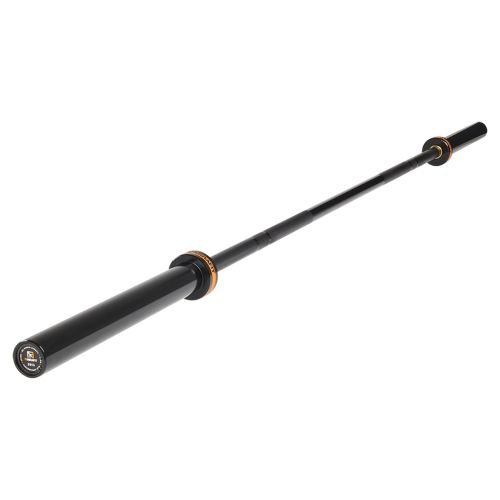
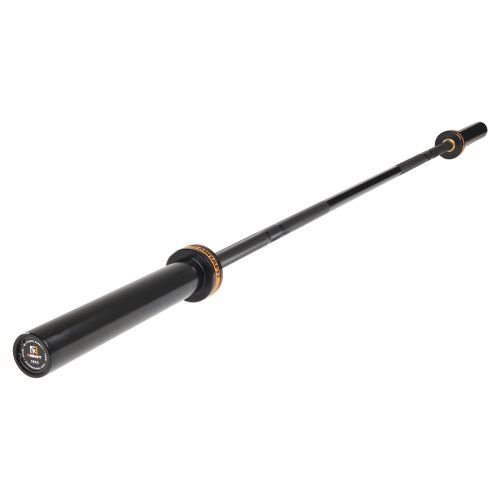
The javelin press mostly targets the shoulders (especially the anterior and medial deltoids), along with the triceps and builds scapular stability and anti-rotational abdominal strength.
Whilst you could consider this an upper body exercise, it actually targets a number of different muscle groups. The abdominals and obliques work in synergy to provide stability and the grip strength required to hold the longer barbell greatly works the forearms. The aim is to keep the barbell parallel to the ground and maintain control on the eccentric (lowering) phase of the lift.
There are many variations of the javelin press, they are all progressions of the same pattern but vary depending on how much the lower body and stabilising muscles of the torso contribute and assist with the exercise.
Five Javelin Press Exercise Variations
1 - Half Kneeling Javelin Press
One knee down, opposite knee up.
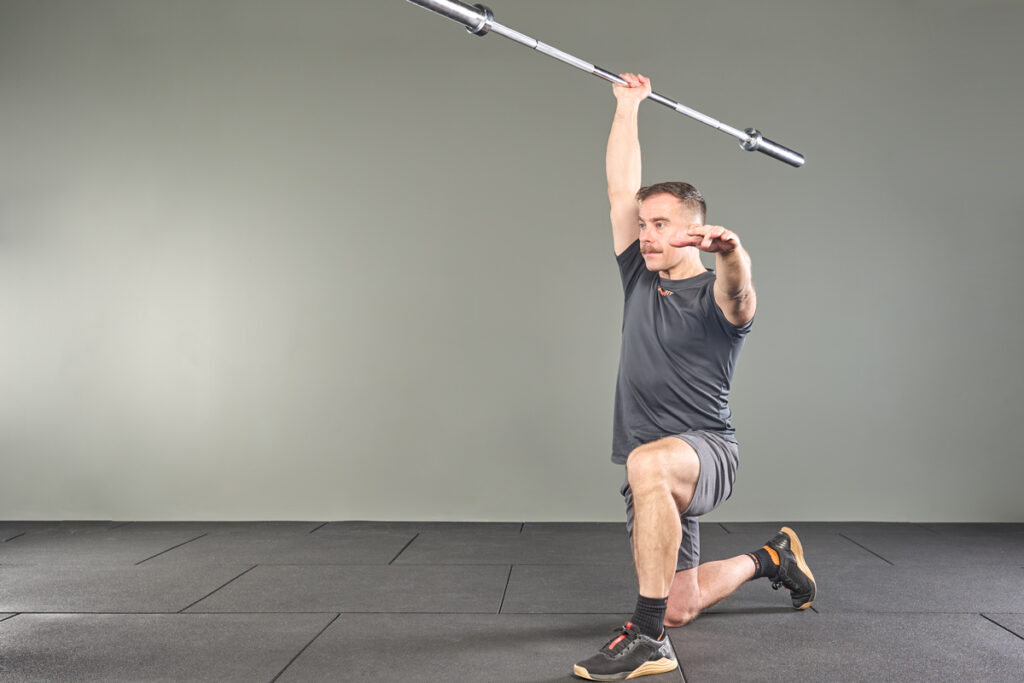
Half kneeling javelin presses build anti-rotational strength and help to teach a stacked posture. By kneeling on the ground, the asymmetrical base removes most of the assistance from the legs, challenging stability and keeping the stress of the exercise on the upper body muscles.
2 - Tall Kneeling Javelin Press
Both knees down.
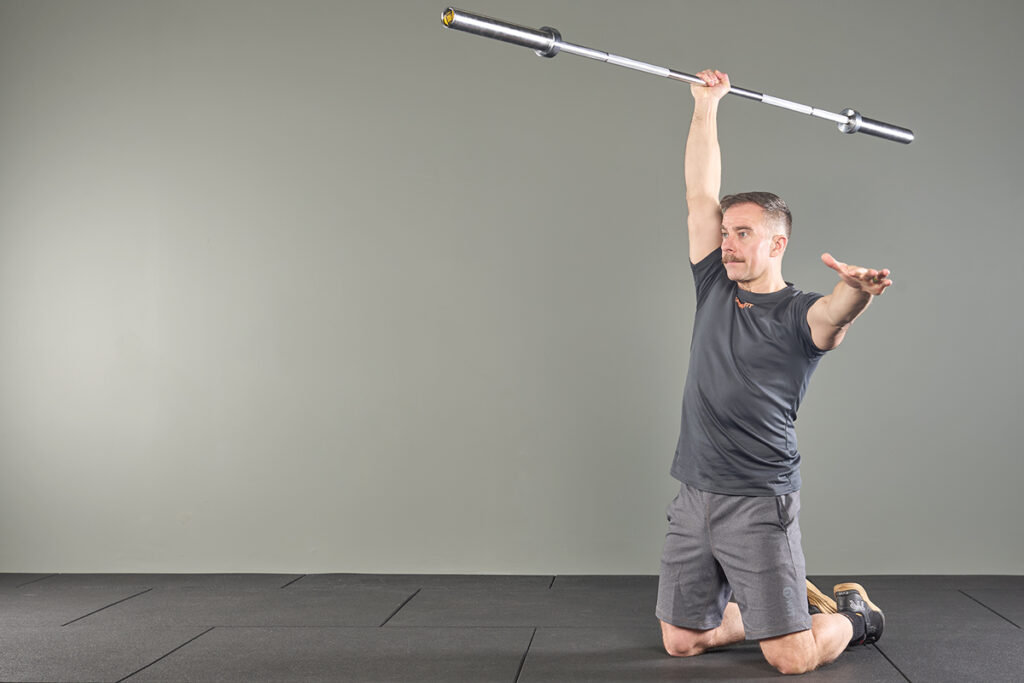
The primary benefit of this javelin press variation is that it eliminates the legs almost entirely, placing greater demand on the glutes and abs for stability. Although you are pressing with a symmetrical base, balancing when performing the tall kneeling javelin press is extremely difficult. It also means that you are unable to lean back or cheat by pushing through your feet, creating a very strict movement that calls for exceptional mid-line stability and a lighter weight such as an empty 15kg Barbell or technique bar.
3 - Standing Javelin Press
Feet parallel, shoulder width apart.
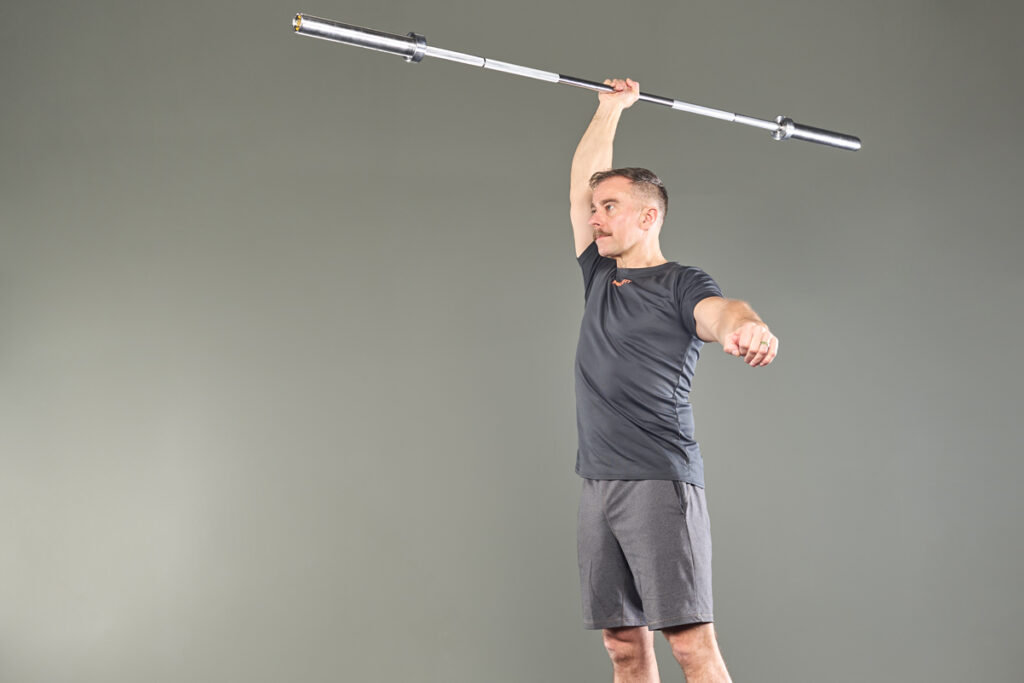
This variation allows you to load heavier than the floor-based variants. It’s a more natural position for pressing with some force transfer from the ground, meaning there is less focus on balance and maintaining stability, although maintaining shoulder stability is especially important.
4 - Split Stance Javelin Press
One foot forward, one foot back.
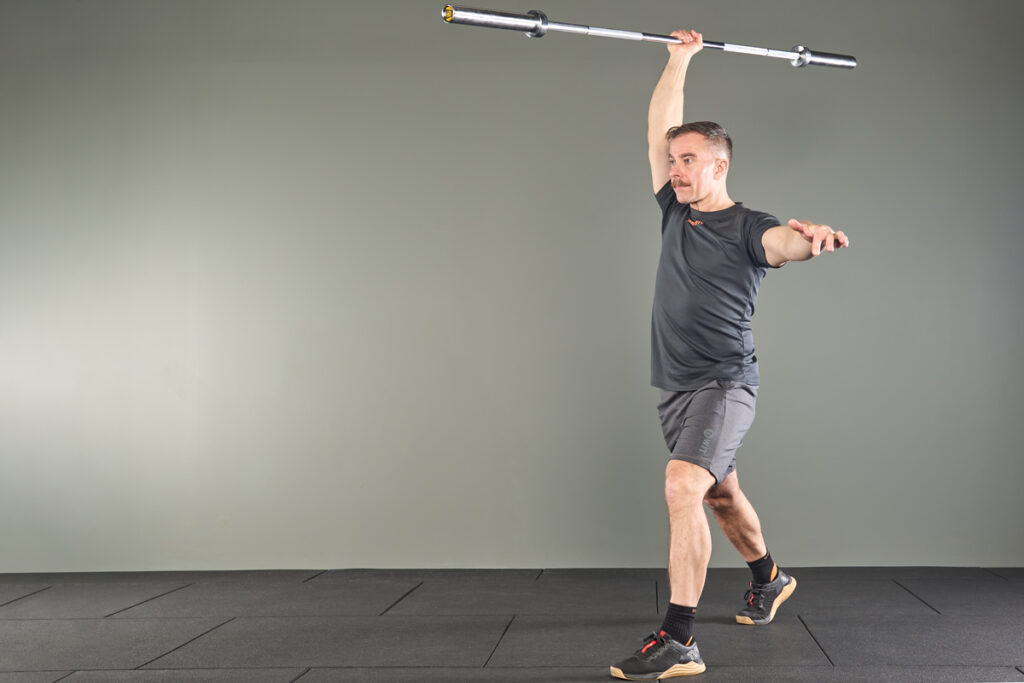
The split stance provides a strong base for pressing which allows for enhanced stability and control. The javelin press is a unilateral exercise, and the split stance takes this one step further enabling you to address strength imbalances between your left and right side.
This can be performed either on the same side as the leading leg or the opposite side. Some people find pressing on the same side more stable, whereas pressing on the opposite side to the leading leg adds an anti-rotation demand, increasing how hard your core works.
5 - Javelin Press Hold
Holding in the top position.
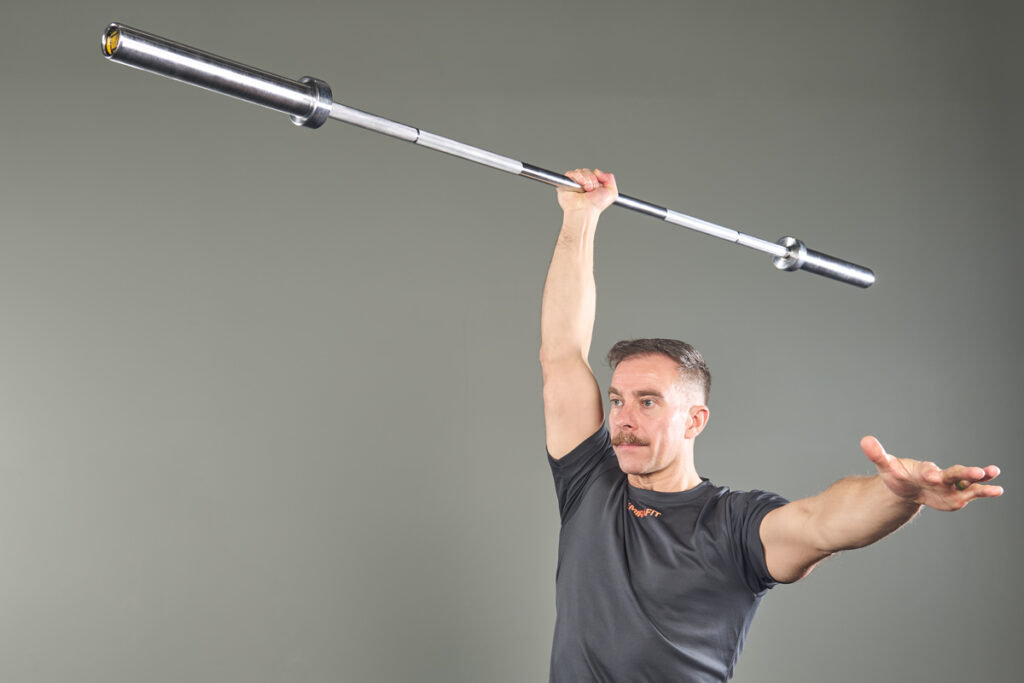
This isometric hold requires a massive amount of shoulder stability. The Barbell is typically held for a maximum of 10-30 secs. It builds control in the lock-out position of the lift and can be a useful starting point for those looking to build the necessary confidence and balance. It can also serve well as a warmup to some of the other variations outlined above.
Whichever variation you use javelin presses build shoulder strength by linking the upper-body, torso and hips through a natural athletic movement. It offers an alternative to regular overhead pressing with a greater emphasis on balance, core strength and shoulder stability. Despite being a simple exercise, it’s much harder than it looks, but it is well worth the reward!
For more content, follow us on Instagram, YouTube, TikTok, and on our official Mirafit Facebook page.
Tags: Equipment > Bars and Weight Plates ; Exercise Type > Strength