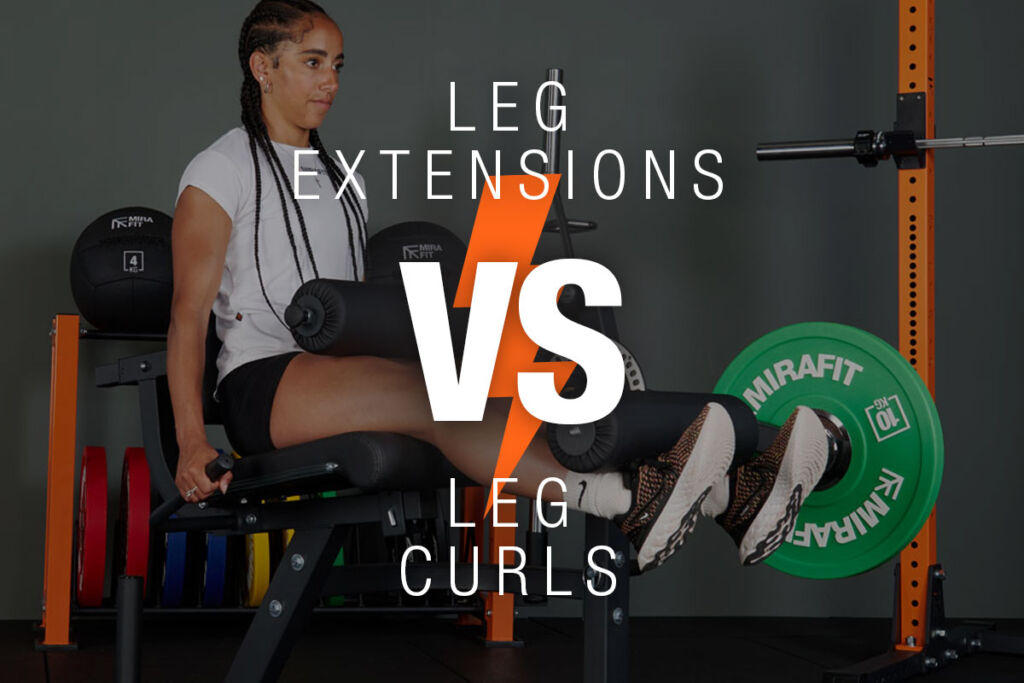
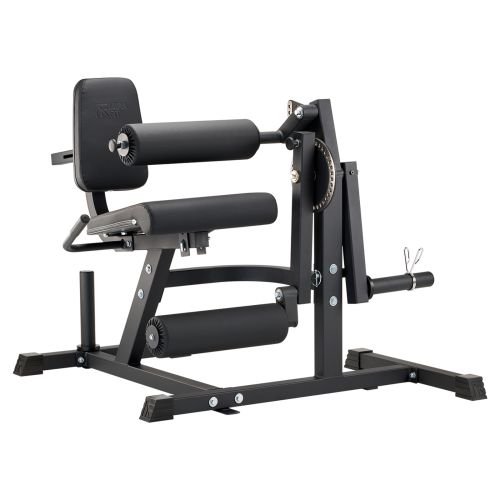
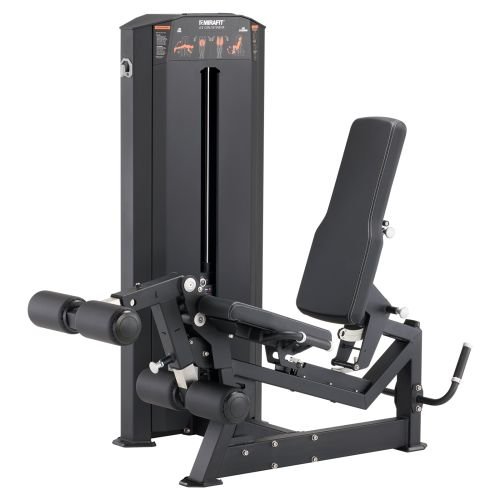
The hamstring is a particularly important muscle for athletic activities including running, and heavy compound movements, like the deadlift. It is also one of the most frequently injured muscles in the body. Additional isolation work on the hamstring, to keep them strong and robust, is advisable. But which type of Leg Exercise Machine should you try?
What is the Anatomy of the Hamstring?
The hamstring is made up of three muscles, the bicep femoris, the semitendinosus, and the semimembranosus. Importantly, the hamstring is bi-articular, which means that it crosses two joints rather than just one: the knee and the hip joint. During contraction, the hamstrings work to (1) flex the knee or to (2) extend the hip. These opposing actions play a key role in how exercises should be applied when training the hamstring.
Knee Dominant Hamstring Training vs Hip Dominant Hamstring Training
Given the dual responsibility of the flexing the knee and extending the hip, hamstring exercises are often split into knee dominant and hip dominant movements. Examples of a hip dominant hamstring exercise include the good morning or stiff leg deadlift, and examples of knee dominant exercises include the seated and lying legs curls. To maximise the results of a knee dominant hamstring exercise, it is essential that the hip angle is kept constant throughout to allow the hamstring to shorten and lengthen sufficiently during knee flexion and extension, respectfully.
Why Should You Use a Seated Leg Curl Machine?
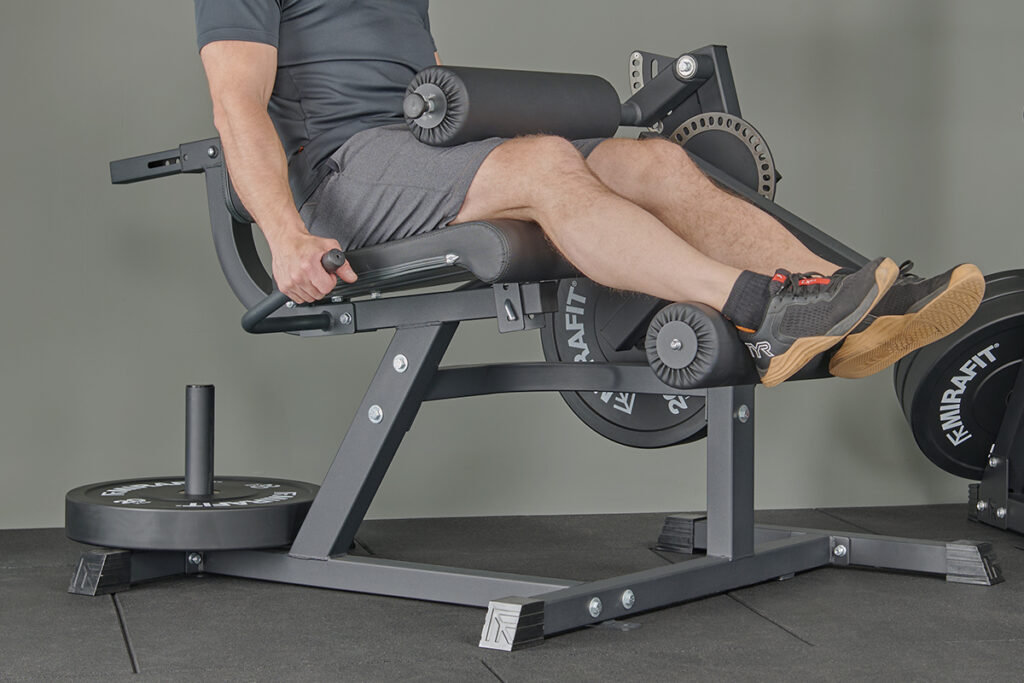
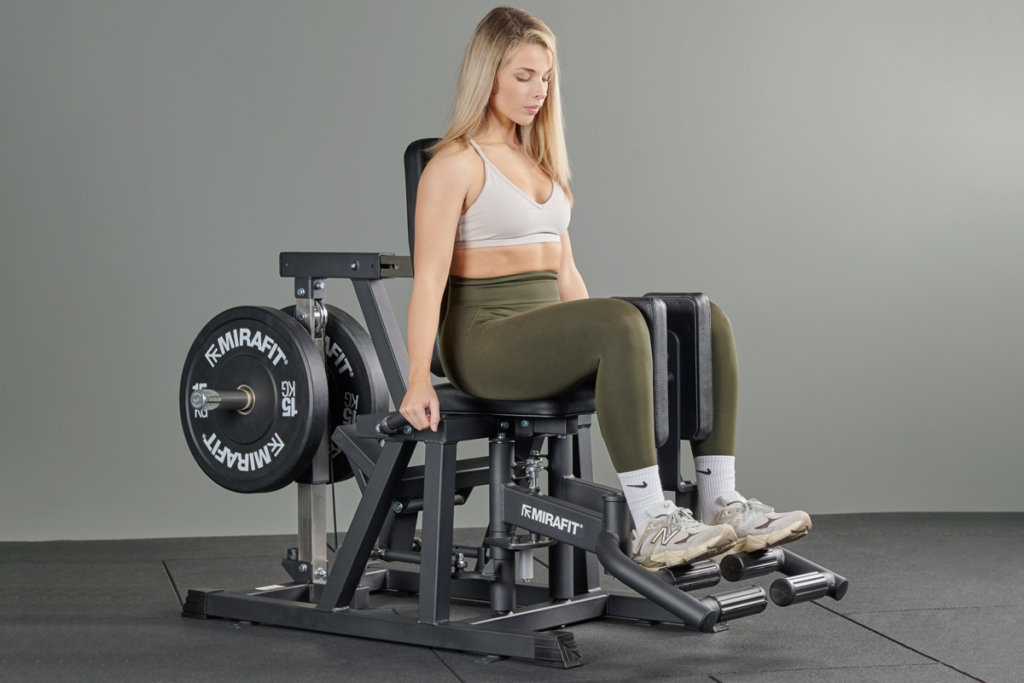
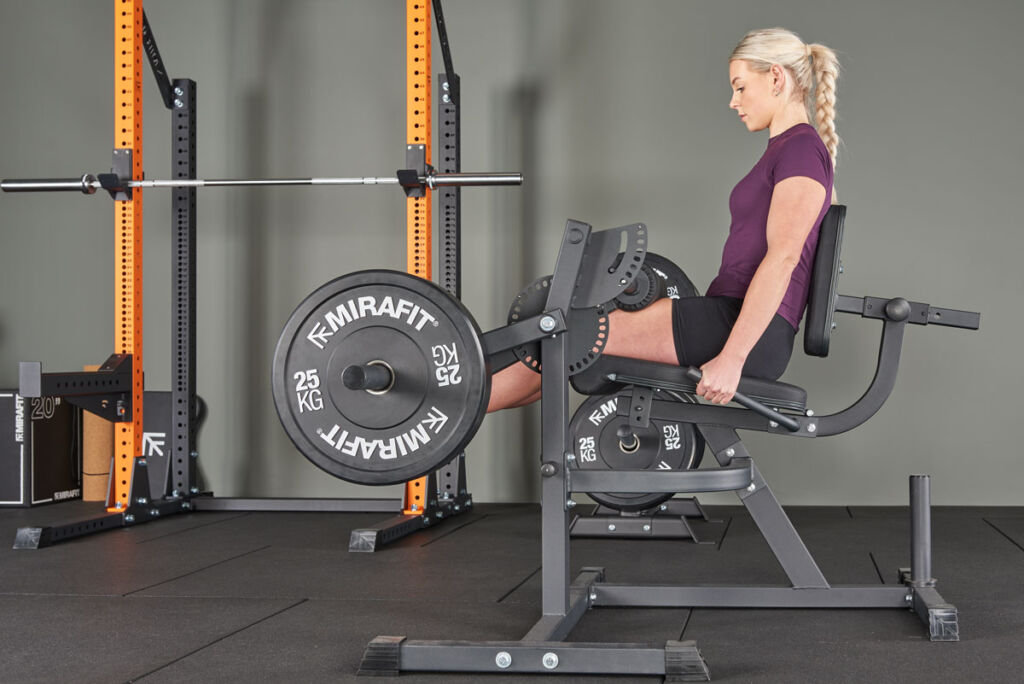
The key benefit of the seated Leg Curl Machine is that it trains the whole hamstring through a long muscle length by utilising a stationary ~90-degree hip-flexed position to increase the length of the muscle at full knee extension. This is great for maximum hamstring hypertrophy and flexibility.
Why Should You Use a Lying Leg Curl Machine?
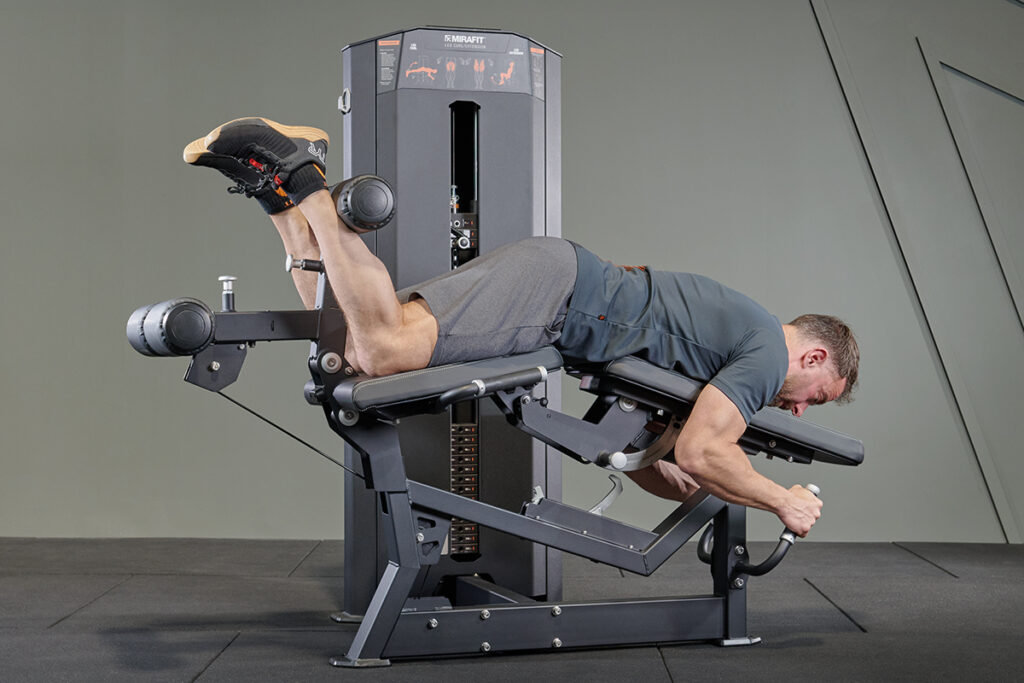
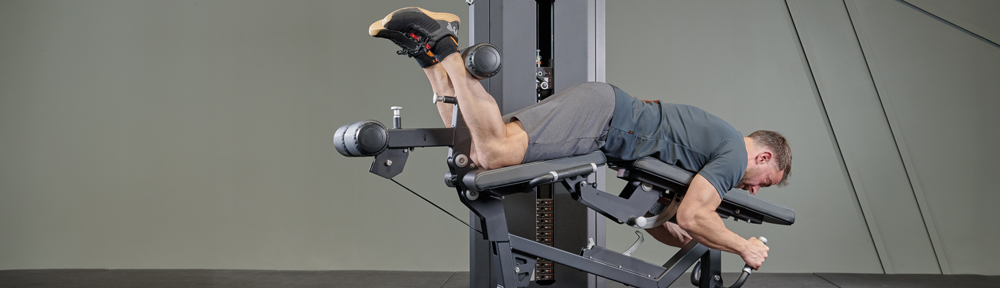
The first key benefit of the Lying Leg Curl Machine (also known as prone leg curl machine) is that that it puts less of a stretch on the whole hamstring, Making it an easier leg curl variation. This makes it great if you are new to training your hamstring in isolation, or if you want to apply mechanical drop sets into your training, where you start with the seated curl, super setting it with the laying leg curl. The second key benefit is that lying leg curl also put less stress on the medial hamstrings (Semitendinosus and Semimembranosus), thus putting a greater relative bias on the bicep femoris. Given the high prevalence of injury to the bicep femoris, this makes the prone variation a good exercise to add into a training programme to strengthen it, without fatiguing other areas.
Should You Use a Seated or Prone Leg Curl Machine?
Maintaining strong hamstrings is very important but very difficult for lots of people due to the coordination requirements of compound movements. So, adding in machine movements, like the leg curl, can be extremely helpful. Both the lying and seated curl tick this box, but which one you choose in your programme should be informed by your goals and preferences. If you have both gym machines at your disposal, you can add both into your training plan.
For more content, follow us on Instagram, YouTube, TikTok, and on our official Mirafit Facebook page.
Tags: Equipment > Gym Machines ; Exercise Type > Strength ; Misc. > Gym Planning