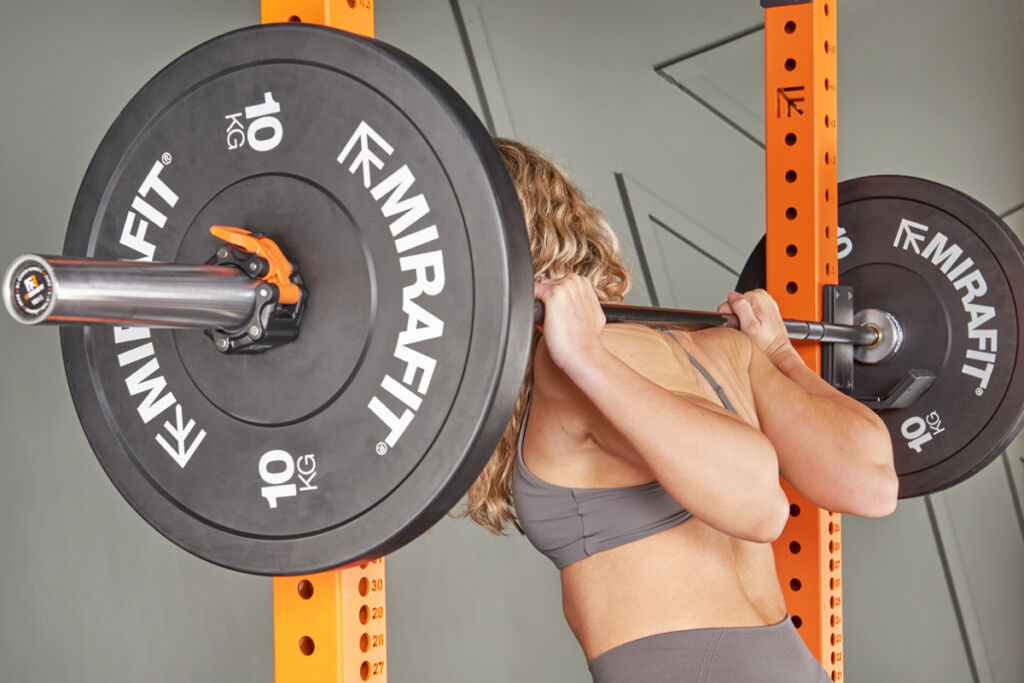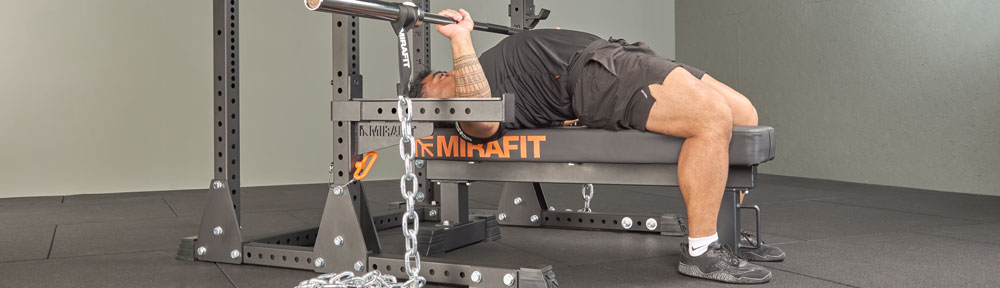
Accommodating resistance is an advanced strength training method that uses either resistance bands or weight chains to progressively increase resistance throughout the movement, in order to match the lifter’s strength curve. This means that the loading increases as mechanical advantage improves, allowing for additional overloading at the top of the movement.
This method was popularised by powerlifter Louie Simmons of Westside Barbell, and is usually applied to the four main barbell lifts, the squat, deadlift, bench press and overhead press once the lifter has progressed through novice and intermediate programming.
How Does Accommodating Resistance Work?
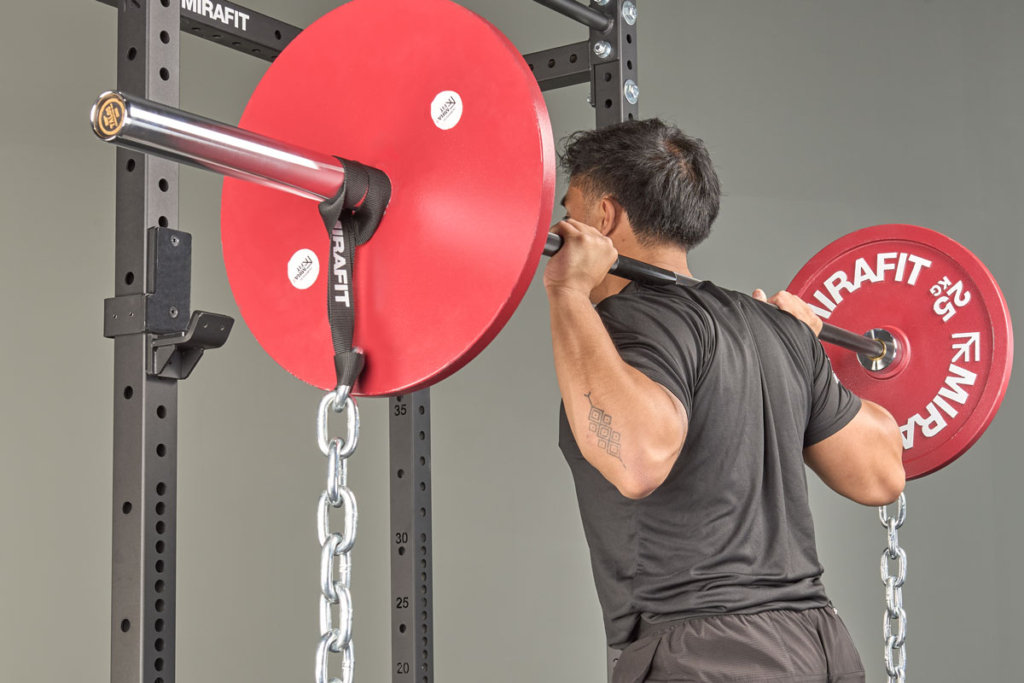
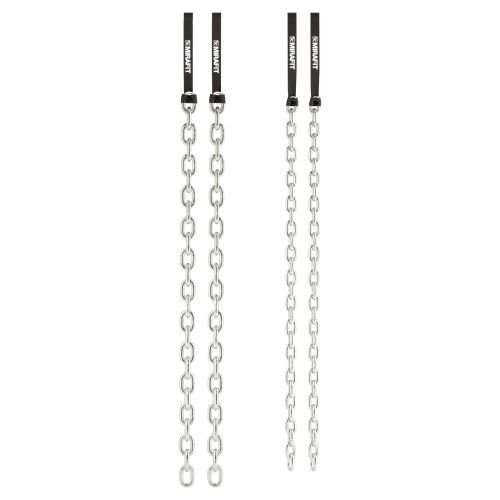
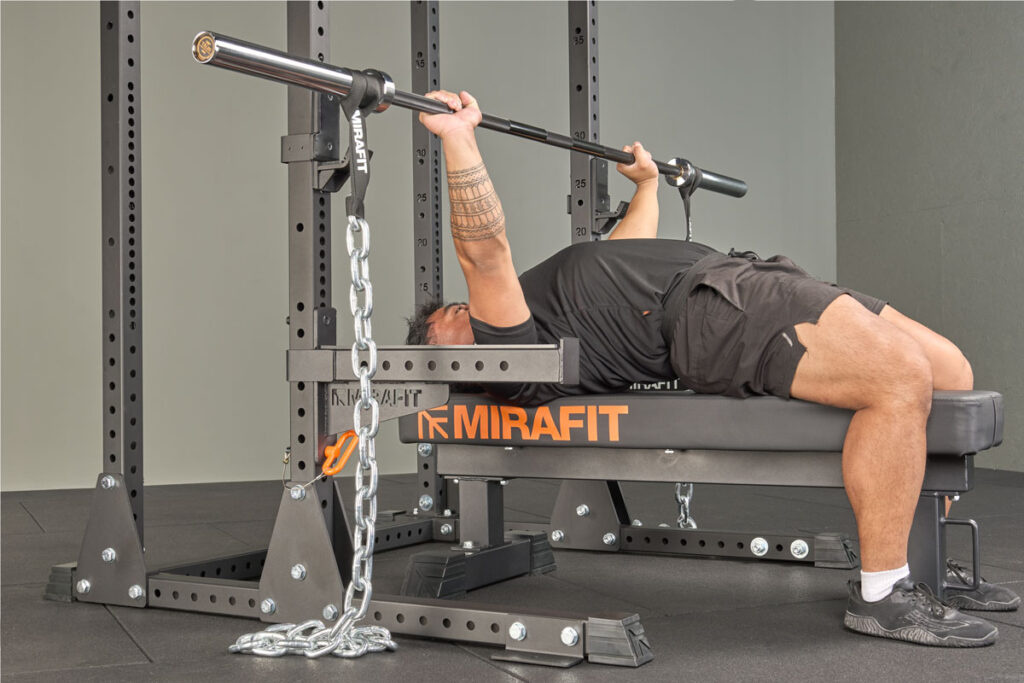
If using gym chains, the chains will be attached to the sleeve of the Barbell and begin on the floor. As the barbell is lifted, more links will leave the ground, therefore progressively adding weight and resistance until the exercise is at the heaviest during the top of the movement, in the lock out position. Ideally, some of the chain will be left on the ground on completion of the rep to avoid any swinging changing the nature of the movement.
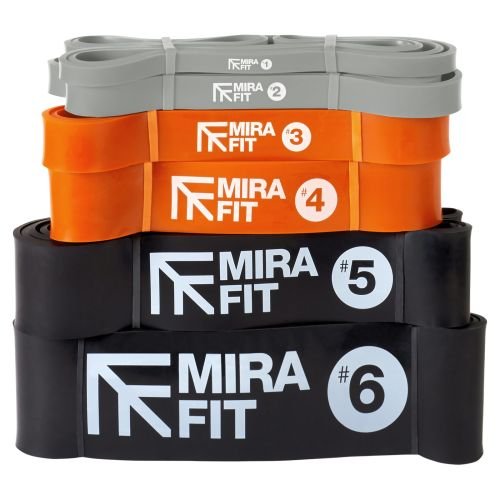
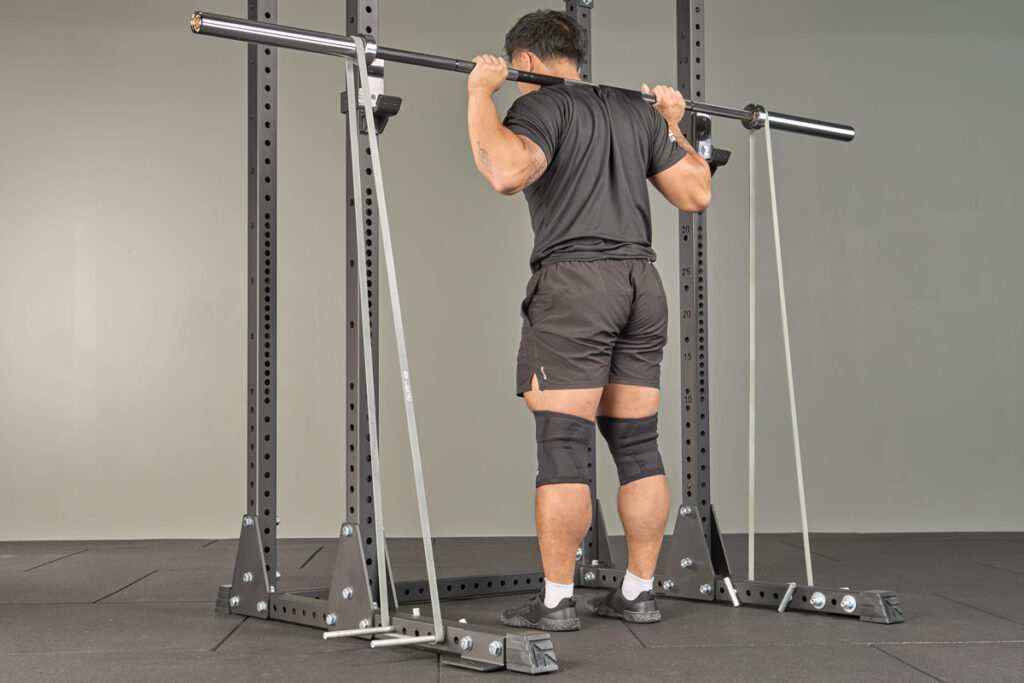
This can also be achieved using small, light Resistance Bands. The bands also attach to the sleeve of the barbell, but these will need to be attached at the bottom to either resistance band peg attachments, the rack or anchored on something heavy such as dumbbells. During the lift, the resistance bands stretch to increase tension as the lift approaches the lock out position. Similar to weightlifting chains, this requires a forced continued effort throughout the entire lift, especially at the top. If using resistance bands, close attention should be paid to the bar path during the lift as this can be difficult to maintain.
Accommodating resistance is especially useful for advanced lifters who need greater stress and variety with their programming. There are a number of benefits to this mode of training. On many lifts you are weakest in the bottom position and stronger near the top. By applying this method,the triceps will be overloaded and under greater stress when performing the bench press and overhead press. During squats and deadlifts, the hamstrings and especially the glutes will be required to work harder as the lifter continues to produce increased force throughout the full range of motion.
The added stress provided by accommodating resistance increases force production and helps improve bar speed, often helping to strengthen common sticking points in the lift.
The resistance bands can also be used to decrease assistance if attached to the top of the rack. When used in this way, the bands will provide assistance during the bottom portion of the lift so that as the lift is performed, the band loosens, increasing the load as the bar moves up towards the finishing position.
Barbell Chains are quicker to set up, easier to control and great for those new to accommodating resistance, While gym bands have the advantage of being cheaper, more versatile, and easier to carry in your gym bag. It is generally a good idea to keep the bands you use for accommodating resistance separate from the ones you would use for dedicated resistance band exercises. This way they will stretch and wear evenly over time maintaining a balanced resistance.
Whichever method you choose, if used correctly, accommodating resistance is a powerful tool to build strength, speed, and provide additional training stimulus for advanced lifters.
For more content, follow us on Instagram, YouTube, TikTok, and on our official Mirafit Facebook page.
Tags: Equipment > Bars & Weight Plates ; Equipment > Resistance Bands ; Exercise Type > Strength