3 min read

Checkout using your account
Checkout as a new customer
Creating an account has many benefits:
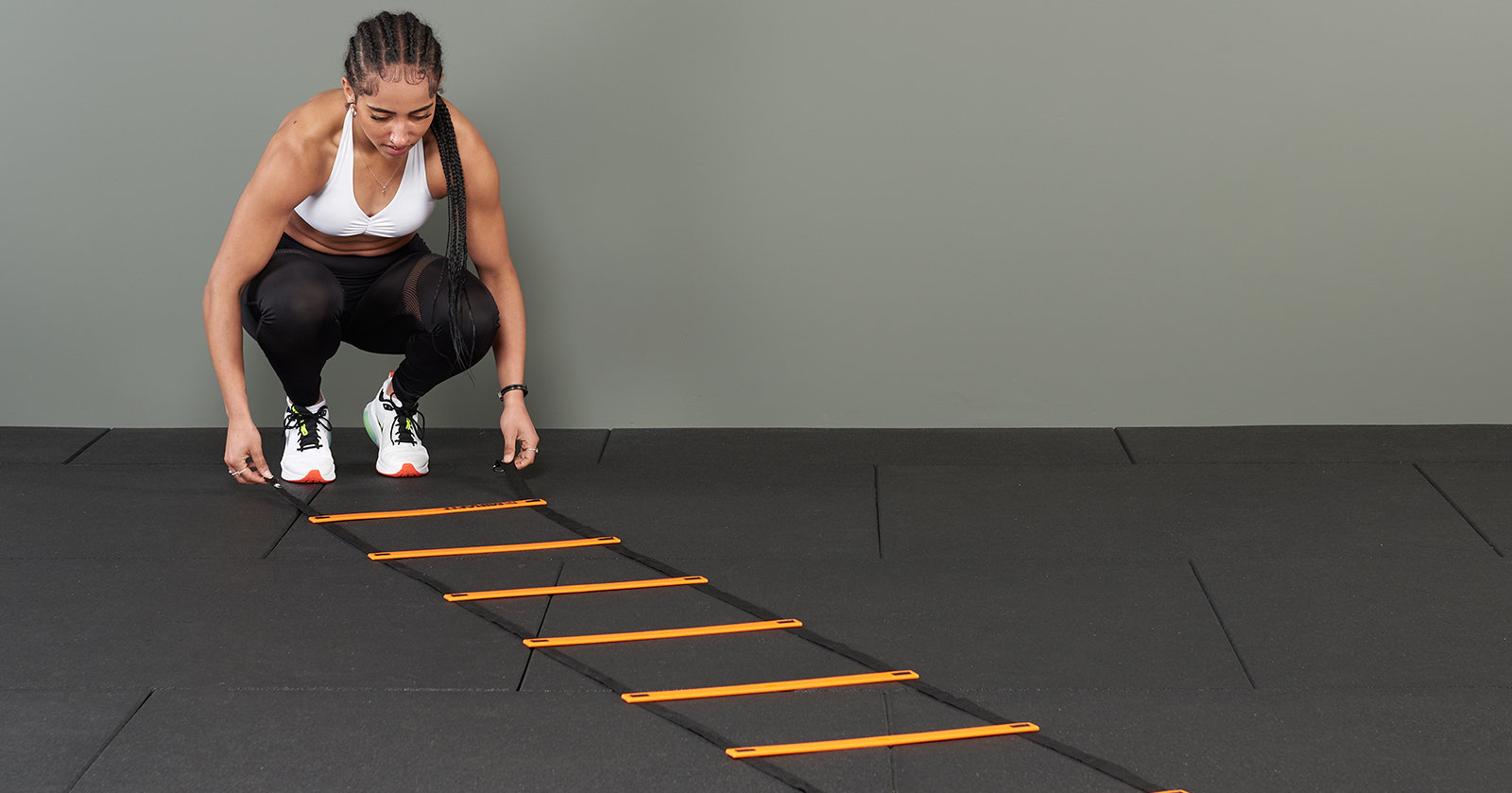
Agility exercises typically include drills and exercises that involve short bursts of energy. These workouts improve foot speed and can help improve performance in a wide range of sports such as football or tennis.
If you want to get faster and better at moving, agility training is the way to go.
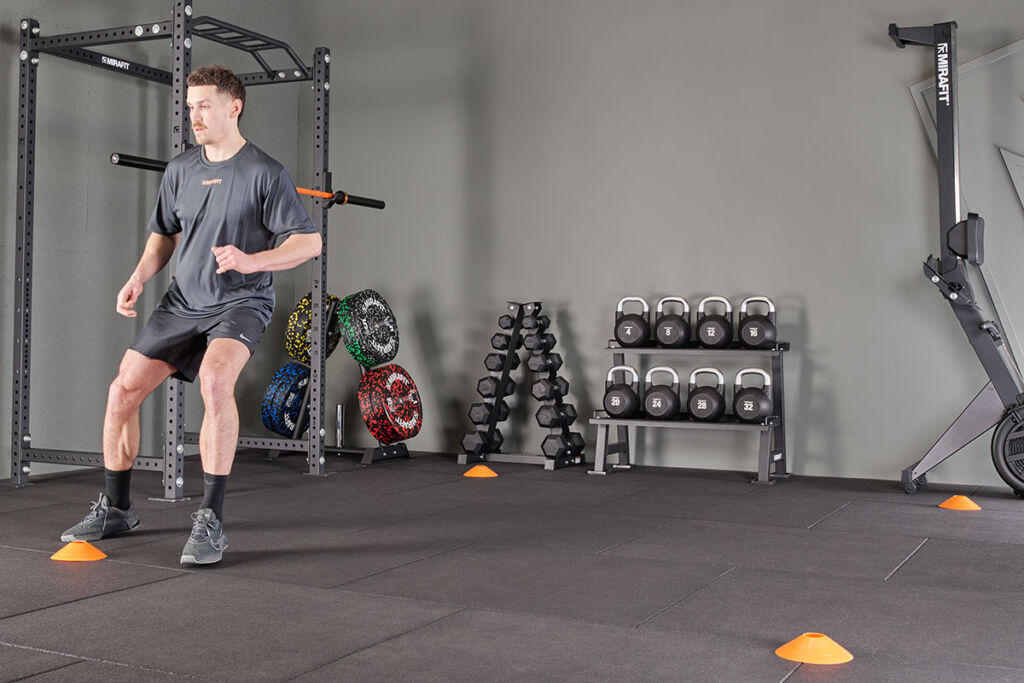
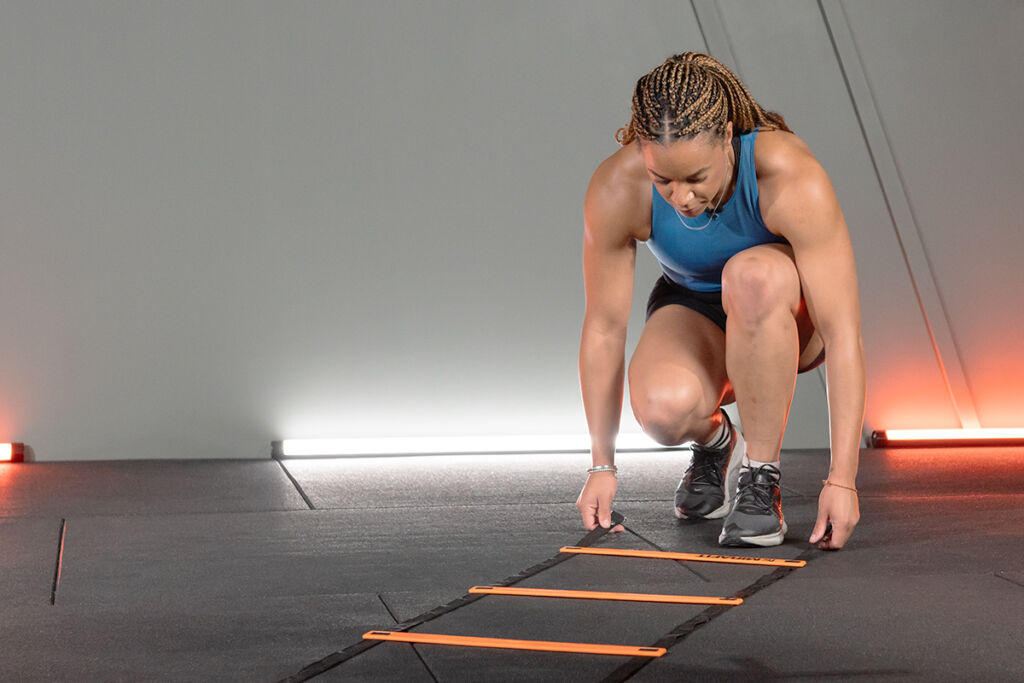
This training style involves high intensity activities such as ladder drills and shuttle runs. These exercises not only give you a good cardio workout, they also can improve coordination. Agility exercises such as cone drills can also reduce the risk of injury. They work by getting muscles used to sudden changes of direction.
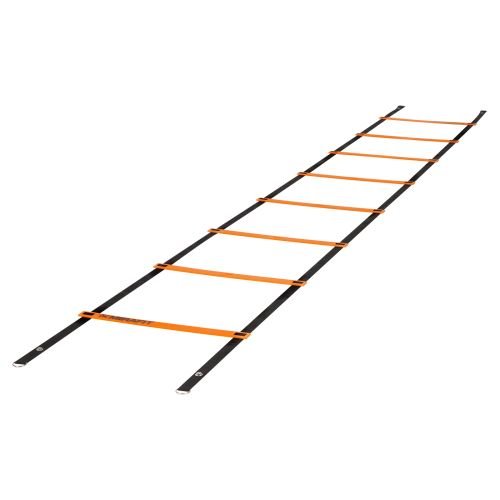
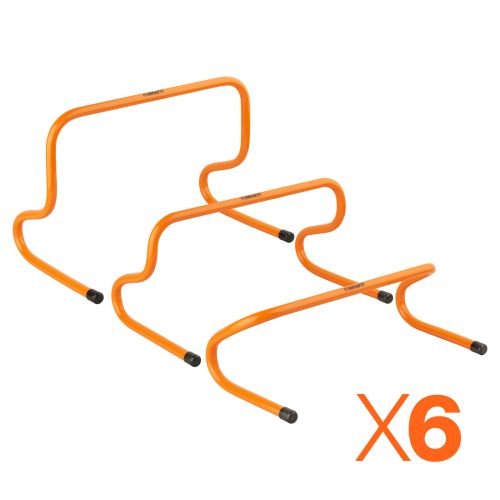
Agility drills involve being able to move in a nimble way and alter the body's position quickly. Body weight exercises are popular in this training style. But there is also advantages in investing in agility ladders and agility hurdles to progress your training.
Agility training involves exercises that improve speed, coordination, balance and reaction time. It can help athletes and fitness enthusiasts move more efficiently, improve footwork and develop better control when changing direction. Agility drills are commonly used in sports such as football, rugby, tennis and basketball.
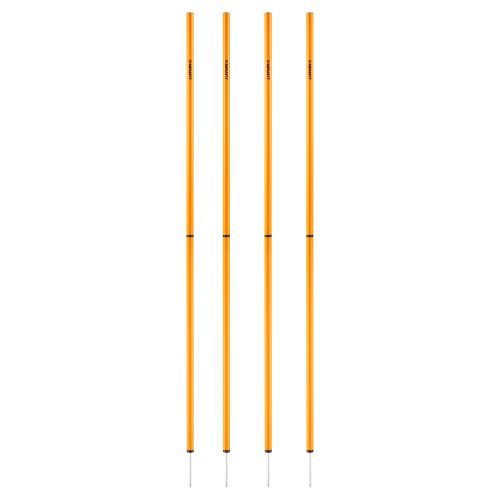
The best agility training equipment depends on your goals. Beginners often start with agility ladders and cones for footwork and movement drills. Hurdles can add jumping and explosive movements, while agility poles are useful for slalom and directional training.
Most people can include agility sessions two to three times per week, allowing recovery time between sessions. Beginners may benefit from shorter sessions focused on movement quality before increasing intensity.
Yes. Agility training can help improve acceleration, foot speed and movement efficiency. Drills that focus on rapid changes of direction and quick foot placement can help athletes become faster and more responsive. Check out our Agility Drills for Runners for some inspiration.
Agility workouts often involve fast-paced movements that raise heart rate and burn calories. Combined with strength training and a balanced diet, agility exercises can support weight management and improve overall fitness.
No. Agility training can benefit anyone looking to improve balance, coordination and general fitness. Beginners, home gym users and recreational exercisers can adapt drills to suit their ability level.
Yes. Many agility exercises require minimal space and equipment. Ladders, cones and hurdles can be used in gardens, driveways, garages or home gyms depending on available space.
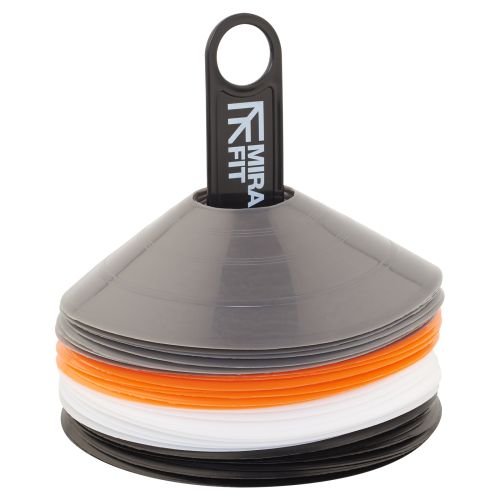
Cones are used for marking movement patterns and direction changes. Hurdles add jumping and explosive movements. Agility poles are typically used for slalom drills and improving body control.
Many agility products can be used both indoors and outdoors, but usage depends on the surface and product design. Some products such as poles include stakes or anchors for use on grass.
Agility training is widely used in football, rugby, tennis, basketball, cricket, hockey, martial arts and many field-based sports where speed and quick changes of direction are important.
Beginners can start with simple drills using an agility ladder and cones. These are simple to set up and allow you to practise footwork, coordination and speed without advanced movements. Focus on short sessions that develop footwork and coordination before adding more complex exercises such as hurdles, jumps or directional changes.
Items like our agility cones and poles are often used by schools, check out our buying guide for schools and colleges for more help choosing the right products for your school’s needs.