7 min read

Checkout using your account
Checkout as a new customer
Creating an account has many benefits:
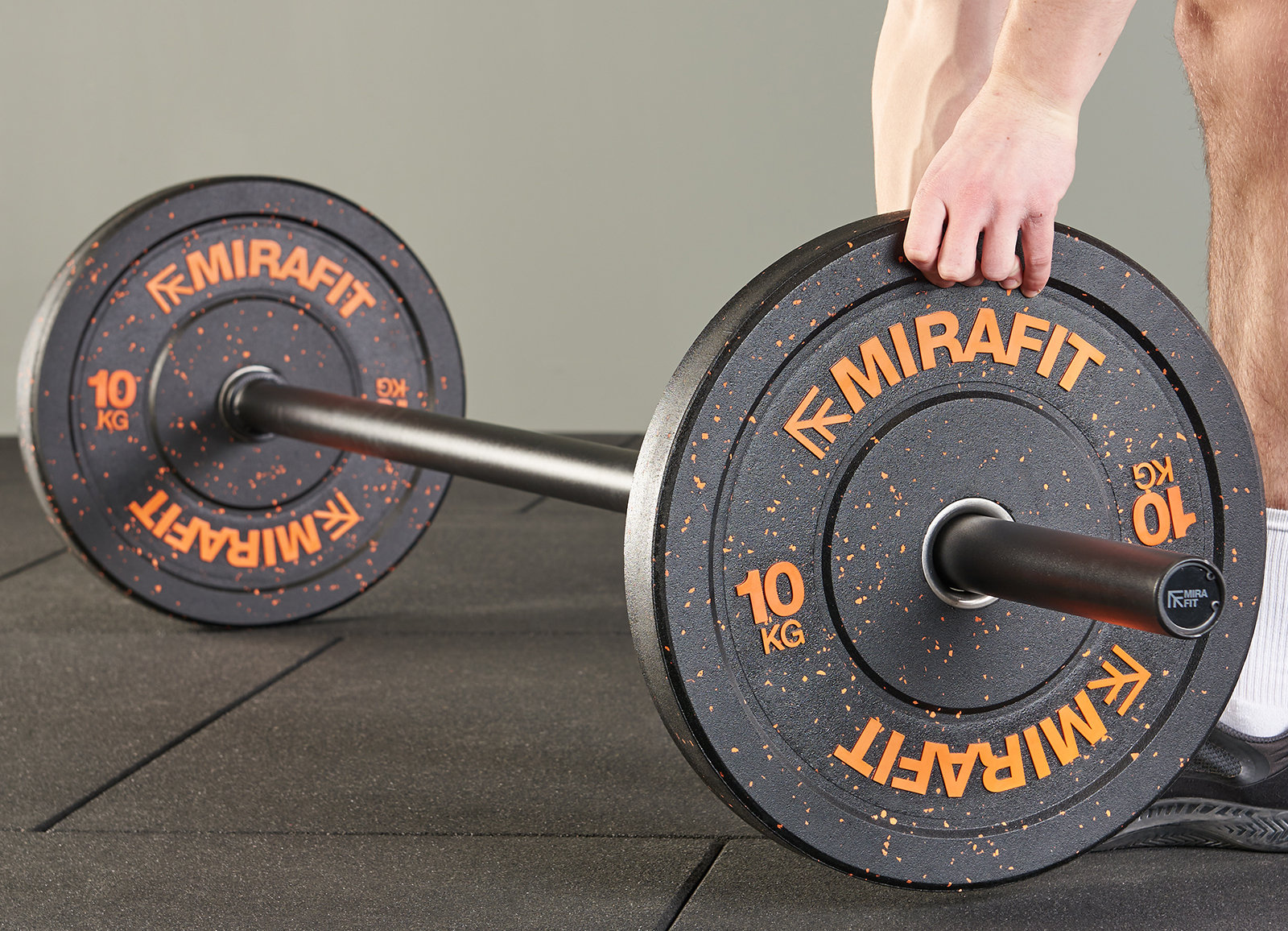
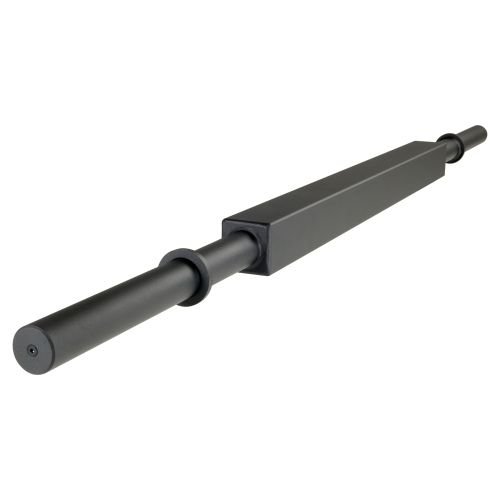
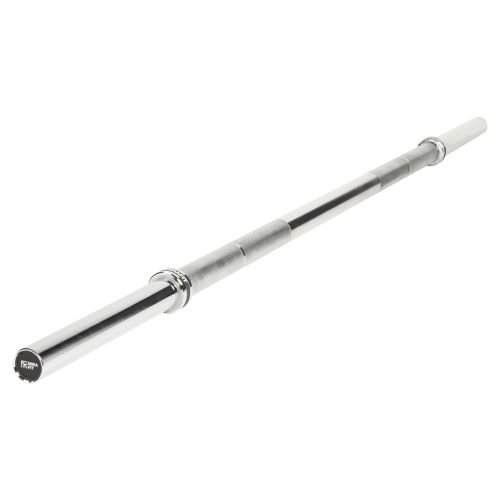
Our Axle Bars are guaranteed to step up your workouts. They’re perfect for Strongman style training and will allow you to focus on weak links to build a stronger foundation for your lifts. We have a wide range of Axle barbells which all have a thick grip of 50mm. That’s around double the thickness of a traditional weight bar, this is why they are also known as thick grip bars.
Thick bar training will help with grip strength. Compared to just using a standard Olympic bar, training with the thicker bar should mean you can improve grip.
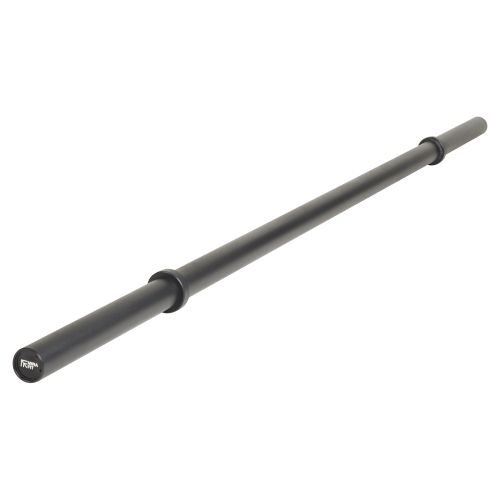
Axle bars also don’t have any knurling so there’s nothing to lean back on when it comes to gripping onto the bar. In addition, they have zero sleeve spin so they’re much harder to use than straight barbells. We have a range of Axle bars, starting with the Classic 7ft Strongman Axle Bar.
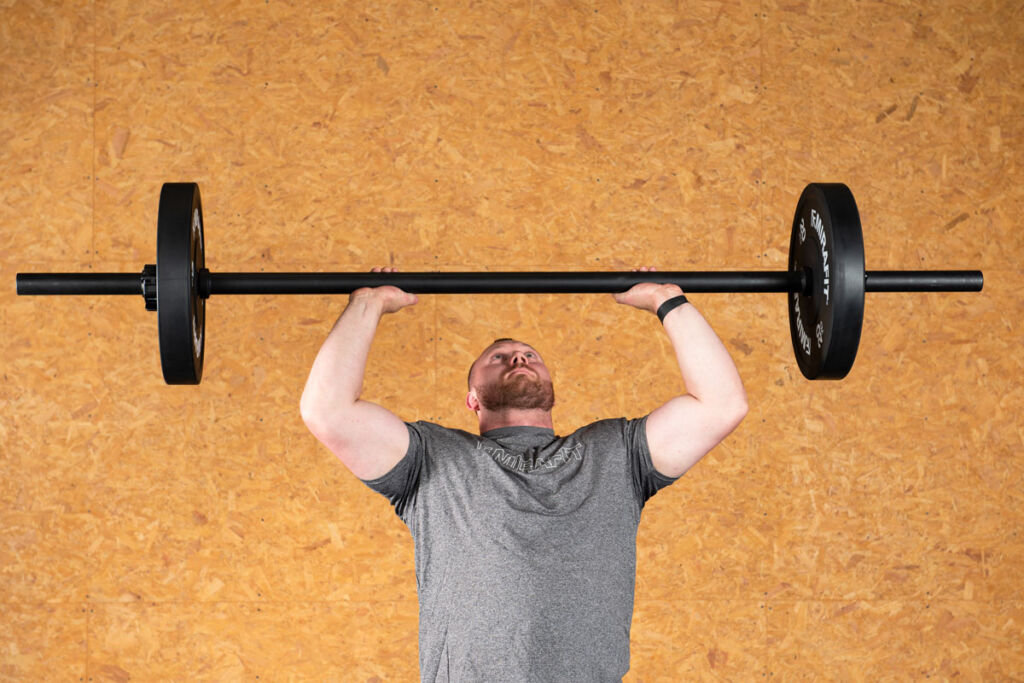
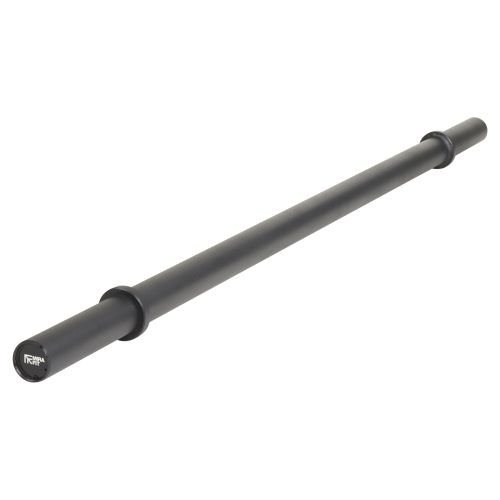
This bar can be used with your power rack but is also suitable for deadlifts and other compound lifts such as the axle press . They’re suitable for 2” Olympic bumper plates, and weigh 20kg. Next, we have the Shorty 5ft Axle Bar which weighs 9kg and is ideal for overhead press work as well as bicep curls.
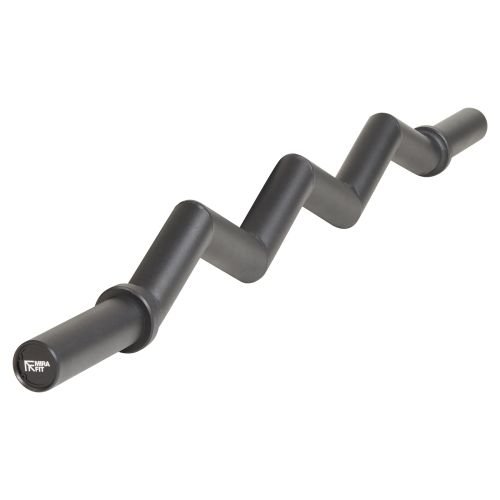
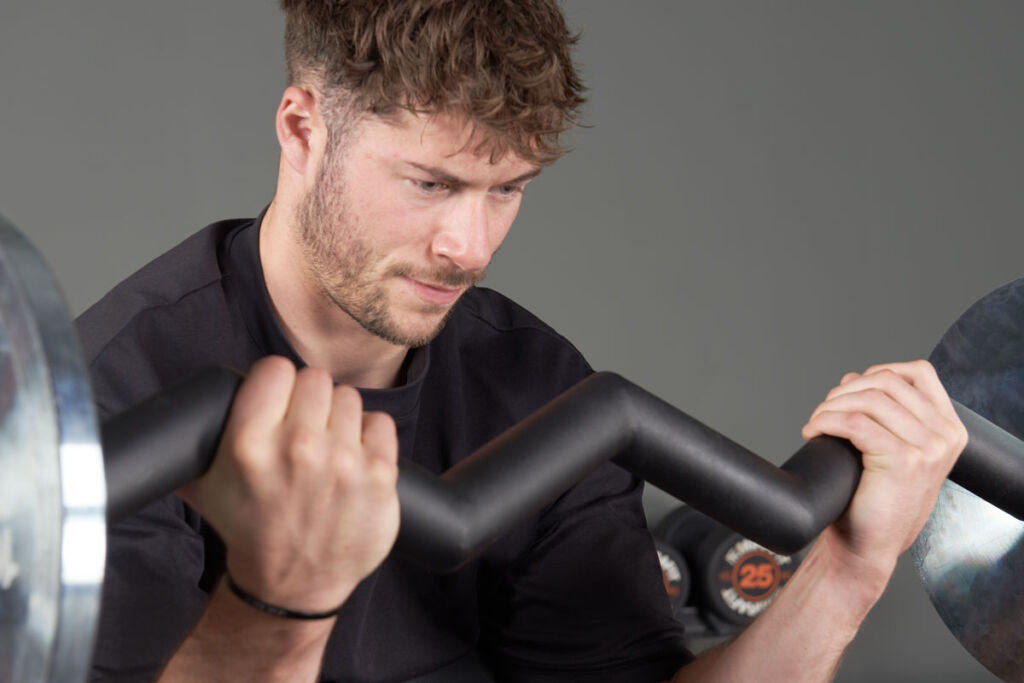
Also in the range, we have Axle Style EZ Curl Bars. These are around 4ft long and weigh approximately 7.5kg. These thick bars help to ease strain on your wrists and are great for mixing up your bicep and tricep workouts.
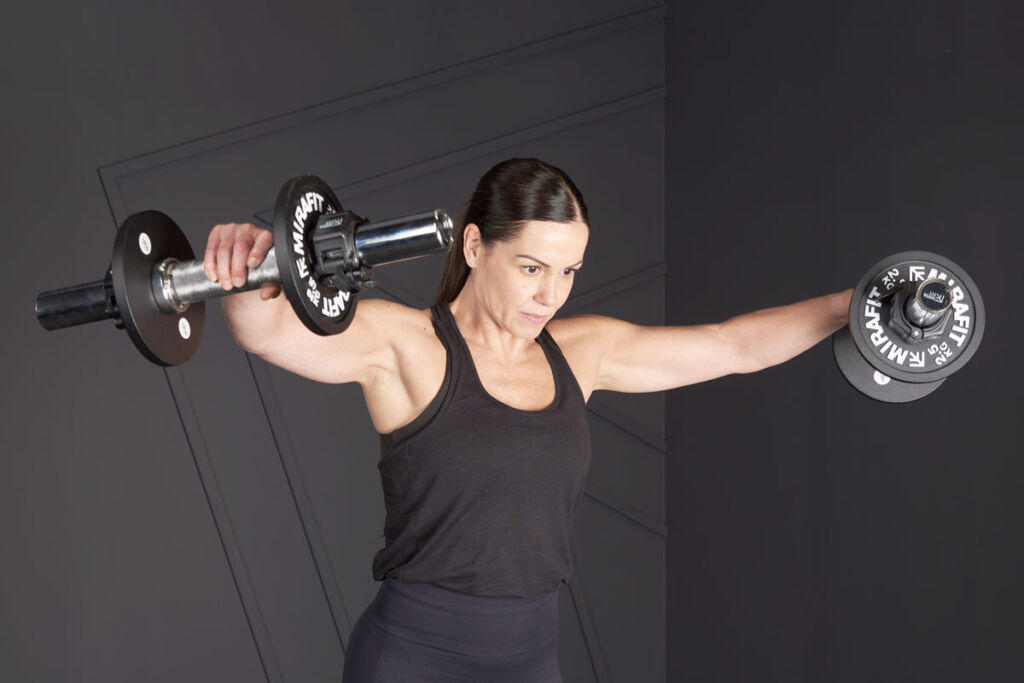
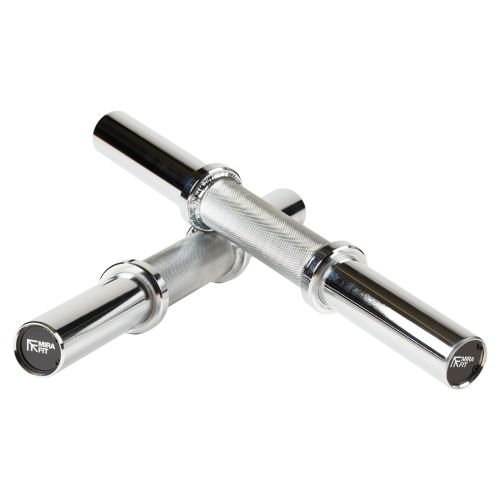
Finally, we have Axle Dumbbell Bars which are for isolating muscle groups as well as building wrist and forearm strength. Axle bars are particularly good for targeting weaker areas so that you can push past your one-rep max and continue to progressively overload. They’re ideal if you’re thinking of building a garage gym, and they’re just a great bar to have in your collection.
If you have already been training with a regular bar, now is the time to embark on some fat bar training to really improve your grip and work on your hands and forearms.
An axle bar is a thick barbell designed to make lifting more challenging by increasing grip demands. Unlike a conventional Olympic barbell, axle bars typically have a much thicker shaft, little or no knurling, and fixed sleeves that do not spin. They are commonly used in strongman training, grip strength workouts and functional strength programmes.
Axle bars are used to improve grip strength, forearm development and overall pulling and pressing strength. Popular exercises include axle deadlifts, axle clean and press, overhead press, bent-over rows, farmer-style carries, bicep curls and floor press. Many lifters also use axle bars to add variety to traditional barbell training.
The main differences are the grip diameter and sleeve design. An Olympic barbell has a 28-29mm shaft with rotating sleeves, while an axle bar usually has a much thicker shaft (around 50mm) with fixed sleeves. This makes axle lifts significantly more challenging for your hands and forearms while reducing the amount of momentum you can generate during lifts.
Yes. Because the thicker diameter is harder to hold, your hands, fingers and forearms have to work much harder throughout each lift. Many strongman athletes and grip sport competitors use axle bars specifically to improve crushing grip strength.
Most Olympic axle bars are designed to accept 2-inch (50mm) Olympic weight plates, allowing you to use the same plates as your regular barbell. Always check the product specifications before purchasing.
Yes. Most people find axle bars noticeably harder because the thicker grip reduces your ability to wrap your fingers around the bar. Fixed sleeves also mean the bar doesn't rotate during Olympic-style movements, making cleans and presses more technically demanding.
No. While axle bars are widely used in strongman competitions, they're also popular with home gym users, powerlifters and anyone looking to improve grip strength. They can be used alongside regular barbells as part of almost any strength programme.
Yes. Beginners can safely use an axle bar by starting with lighter weights while becoming accustomed to the thicker grip. Many people incorporate axle training once or twice a week alongside standard barbell work to develop stronger hands and forearms. Check out our guide on How to Use a Thick Grip Bar to get started.
Some of the most effective axle bar exercises include deadlifts, clean and press, overhead press, rows, shrugs, floor press, bicep curls and Romanian deadlifts. These movements challenge your grip while building full-body strength. Here is a list of The Best Axle Bar Exercises.
Most axle bars have fixed sleeves rather than rotating bearings or bushings. This creates a more demanding lift by increasing grip and forearm engagement to control the weight load.
For many lifters, yes. Thick grip training can improve grip endurance, forearm strength and confidence handling heavier weights. It also introduces a new training stimulus that may help overcome plateaus in pulling and pressing exercises.