5 min read

Checkout using your account
Checkout as a new customer
Creating an account has many benefits:
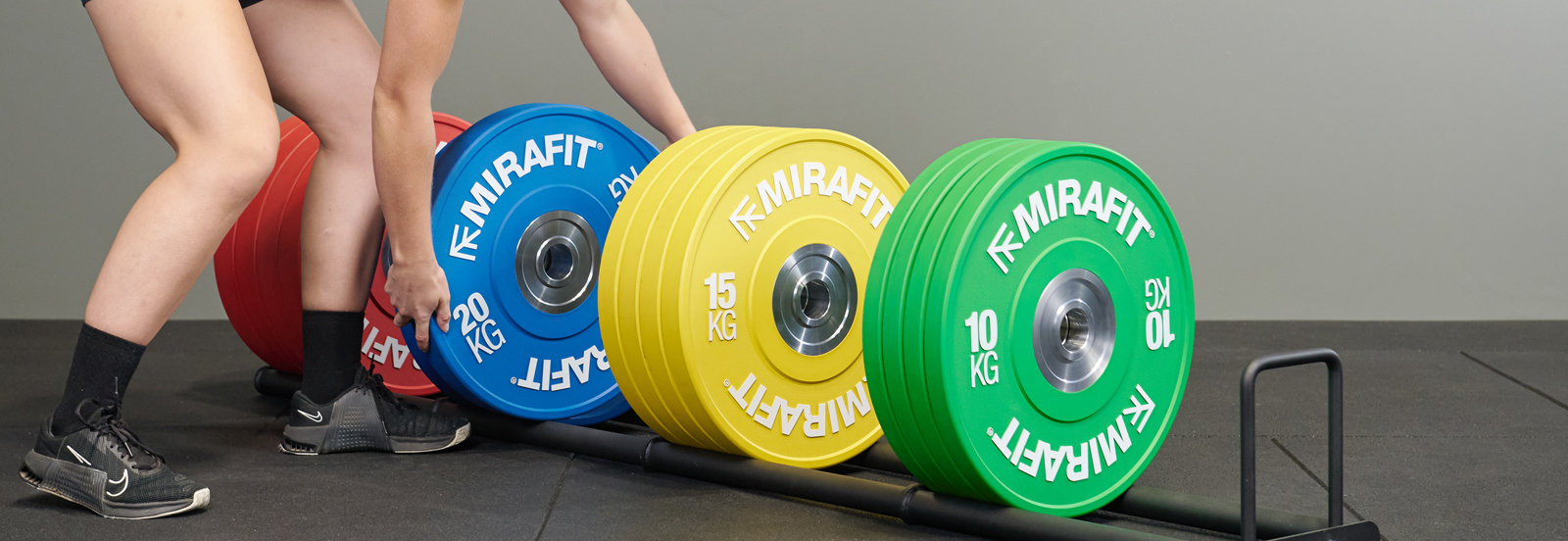
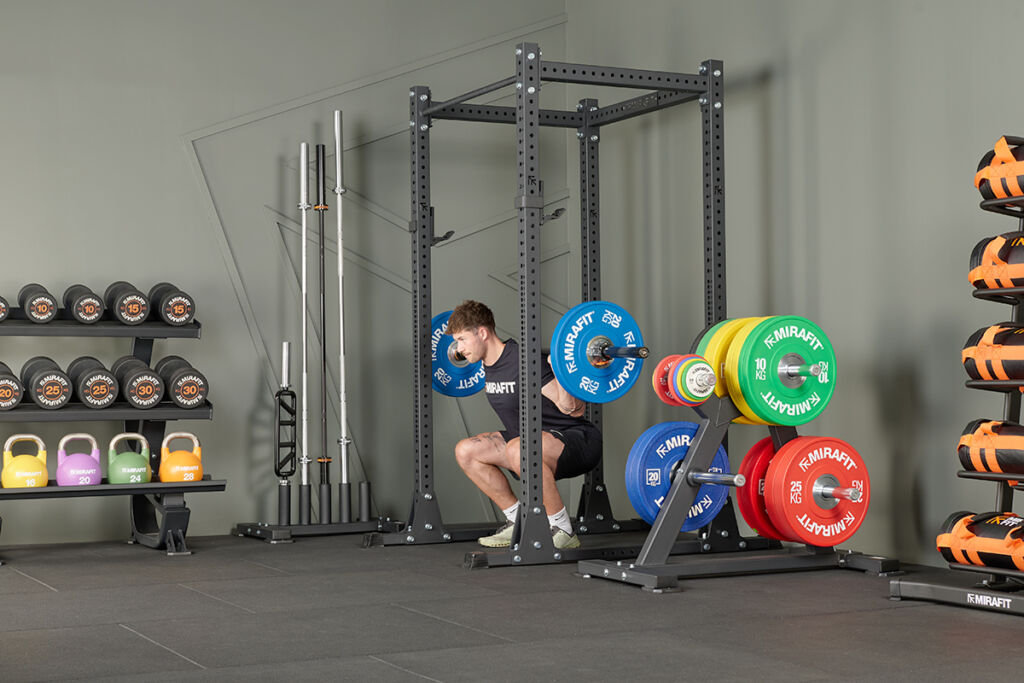
When you set up a home gym, space can be at a premium. Keep floors clear and usable by investing in some storage for your plates whilst they are not in use. There is a range of types available, both wall mounted and free standing, so there is sure to be the right storage solution for you.
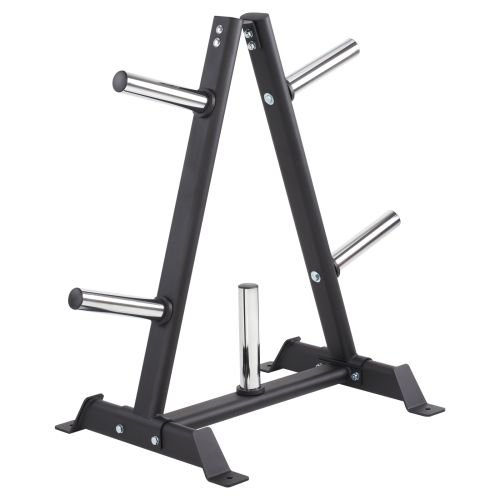
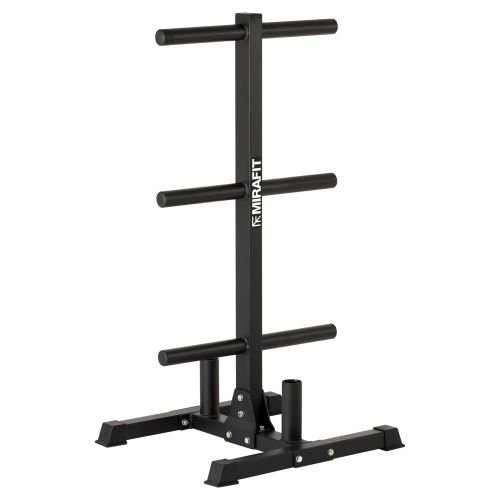
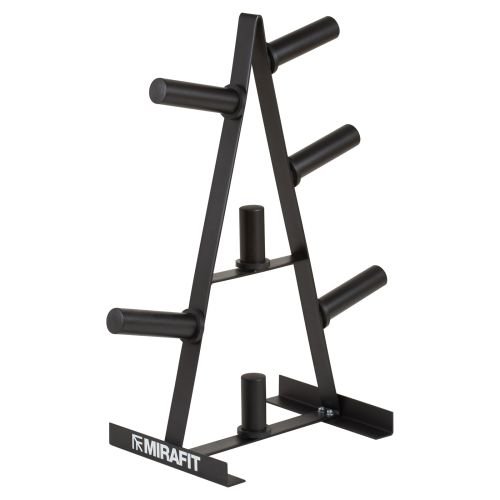
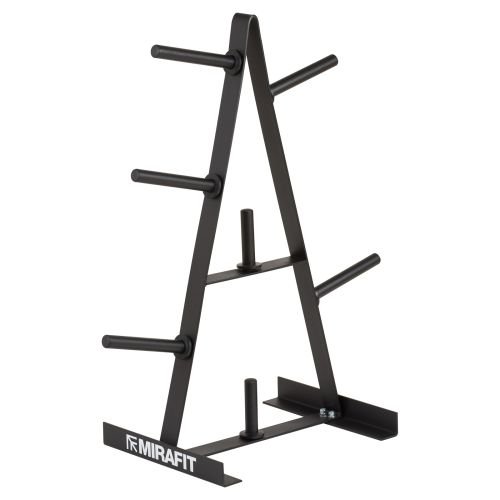
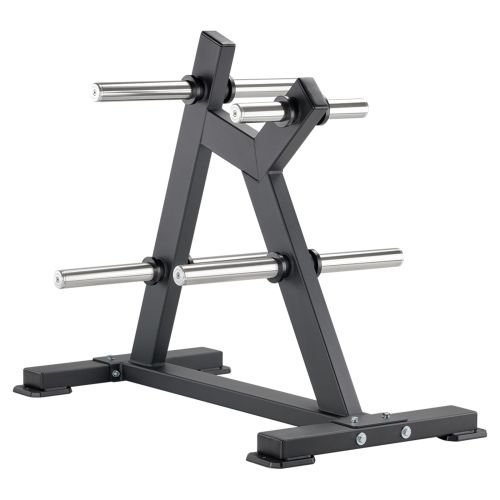
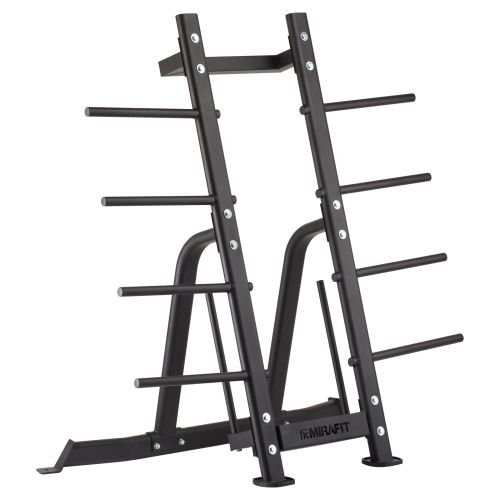
Weight trees work exactly as you would expect. They are a vertical stand that has a series of 'branches' on which your weights can be placed. As plates come with either one inch or two inch holes, it is important that you get the right size rack.
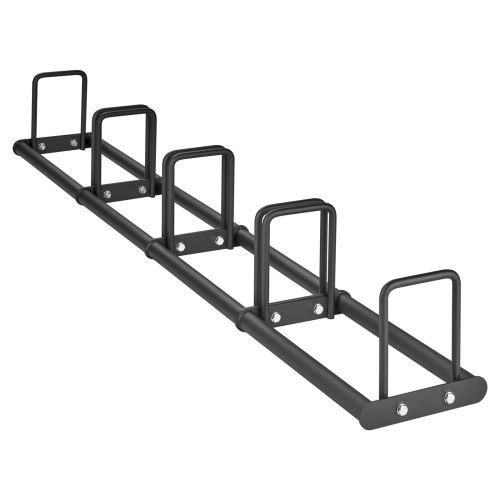
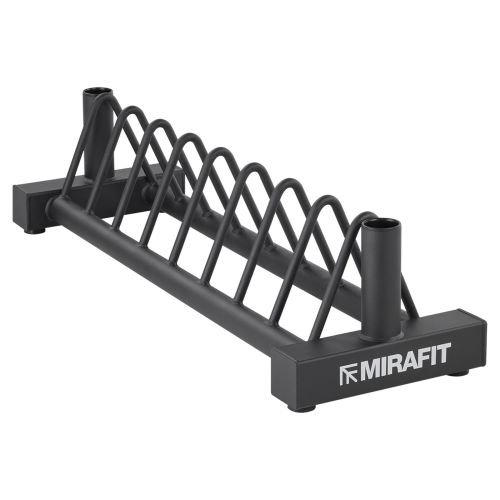
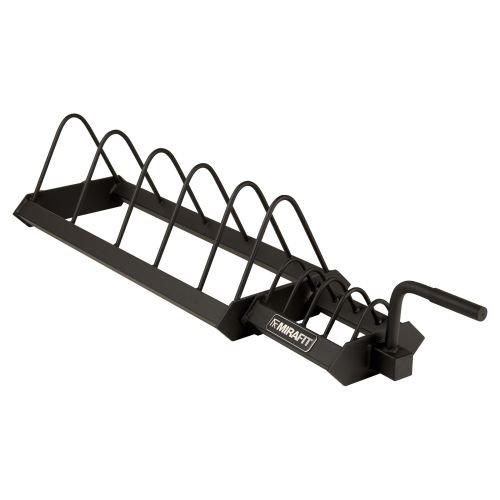
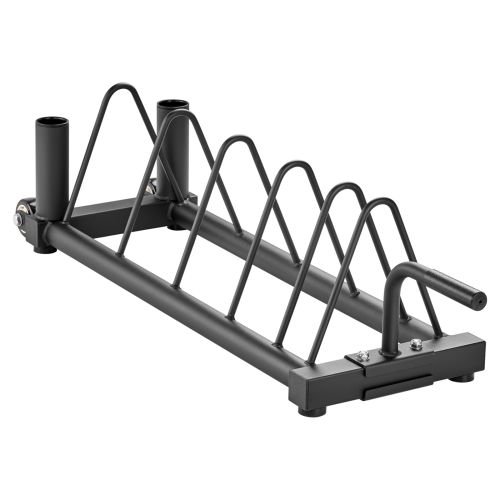
If you would rather keep your bumper plates closer to the floor , you could look at a horizontal plate rack. These have a series of slots into which the plates will sit, side by side. Some of these racks even have additional slots at the end to hold a barbell.
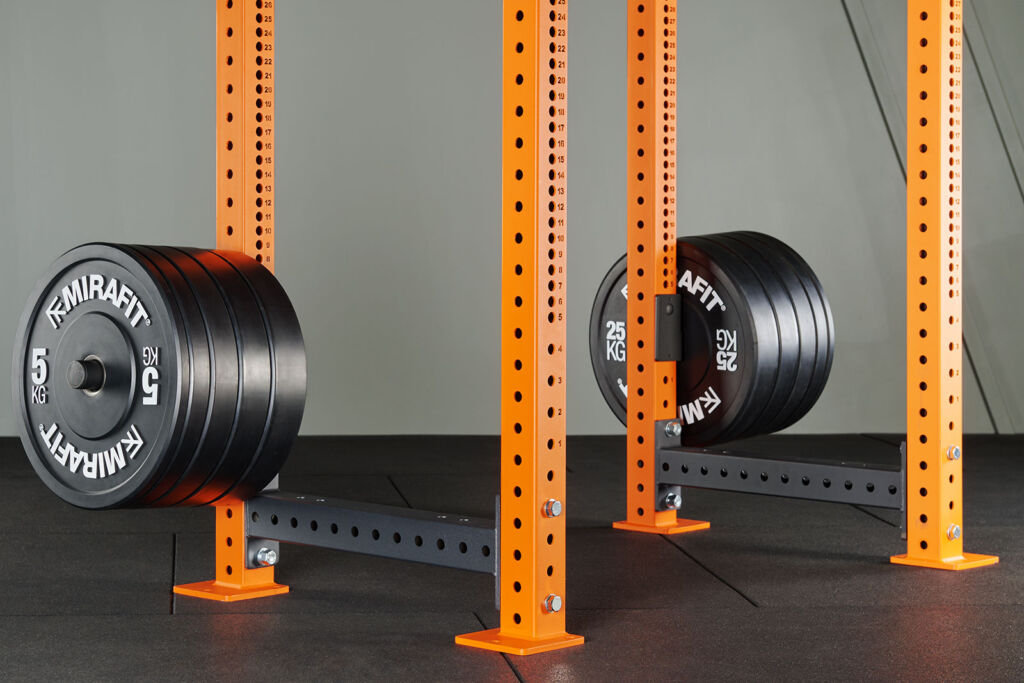
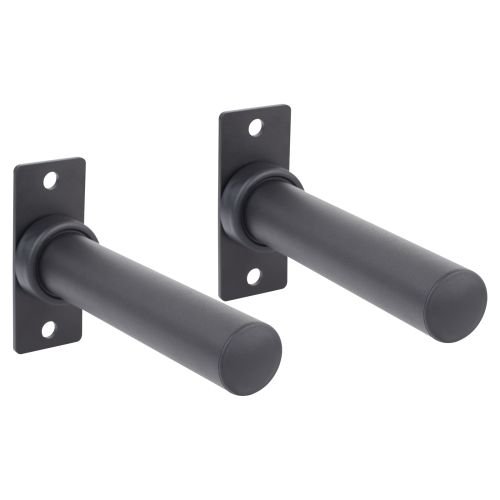
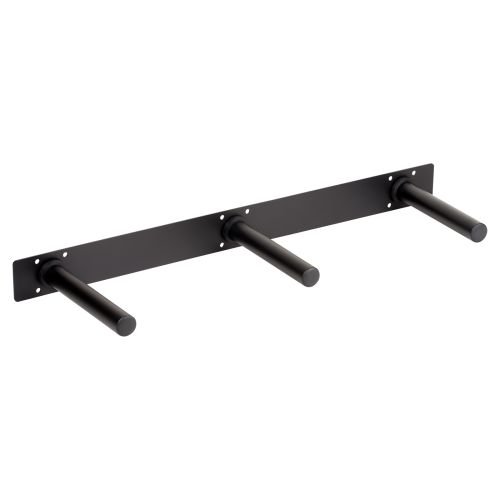
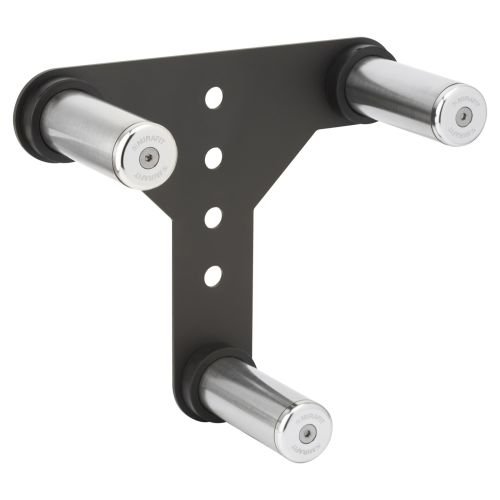
Wall mounted racks and storage poles act like heavy-duty coat pegs. They are simply attached to a suitably robust wall, then the weight plates are slotted on through the central hole. If you already have a power cage, we also have storage poles that mount to the sides of these.
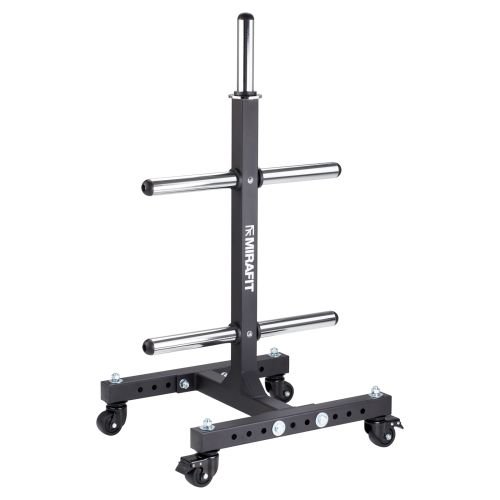
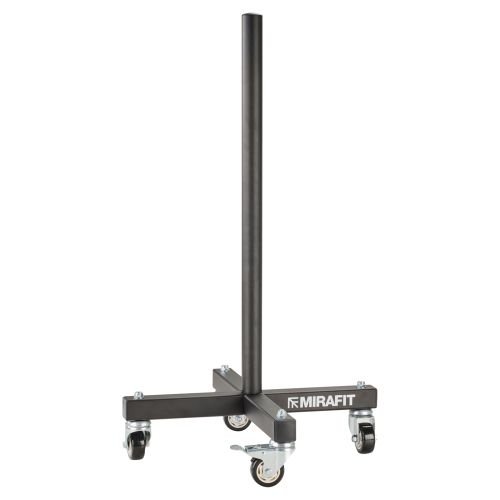
If you need to reposition weights, or move them between pieces of equipment, then our plate stacking trolley may be the best solution for you. This features a metal base on wheels with a vertical post upon which the weights are stacked. The whole thing can then be wheeled around your home gym.
The best option depends on your available space and equipment. Weight trees are ideal for keeping plates organised in a compact footprint, wall-mounted storage frees up floor space, horizontal plate racks keep bumper plates easy to access, and plate trolleys are useful if you need to move weights around your gym.
Weight trees are freestanding and can be repositioned easily, making them ideal for garages and flexible gym layouts. Wall-mounted storage saves floor space and creates a cleaner setup, but it requires a strong fixing surface and a more permanent installation.
Not always. Bumper plates are wider than standard cast iron plates, so some storage racks may hold fewer plates than expected. Check the sleeve length and weight capacity before choosing a rack.
Olympic weight plates use a 2-inch centre hole, while standard plates typically use a 1-inch hole and fit our Standard Weight Rack. Your storage rack must match the plate hole size to ensure a secure fit.
Weight capacity varies by model. Heavy-duty storage systems can support several hundred kilograms, while compact home gym racks are designed for lighter loads. Always check the maximum capacity for each storage pole and the rack overall.
Many gym owners organise plates by weight, with heavier plates on lower storage poles and lighter or fractional plates higher up. This can improve access and help keep weight distributed evenly.
Yes. Some plate trees and storage systems include smaller storage poles specifically designed for change plates and fractional plates.
Wall-mounted storage can be safe when installed correctly onto a suitable load-bearing wall using appropriate fixings. Always follow installation guidance and load recommendations.
Compact plate trees can fit into corners and smaller home gyms, while modular storage systems require more room but can store multiple types of equipment. Measure both floor space and access space around the rack before buying.
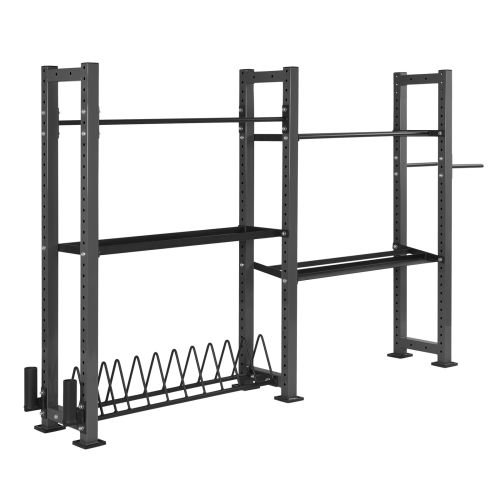
Some storage systems include dedicated barbell holders alongside weight plate storage. Combined storage solutions help keep gym equipment organised and reduce clutter.
Weight plate storage keeps equipment organised, makes workouts more efficient, reduces trip hazards, and helps protect both plates and flooring from damage.
Using a dedicated storage rack, wall-mounted plate holder, or modular gym storage system can help maximise floor space and keep training areas clear.
Wall-mounted storage and compact vertical plate trees are often the best solutions for small home gyms because they use minimal floor space while keeping plates accessible.
Yes. Keeping plates organised by size and weight means less time searching for equipment and changing plates between exercises.