
7 min read

Checkout using your account
Checkout as a new customer
Creating an account has many benefits:

Get yourself to the next level and smash through your goals with our functional, hard-wearing selection of ceiling and wall mounted bars.
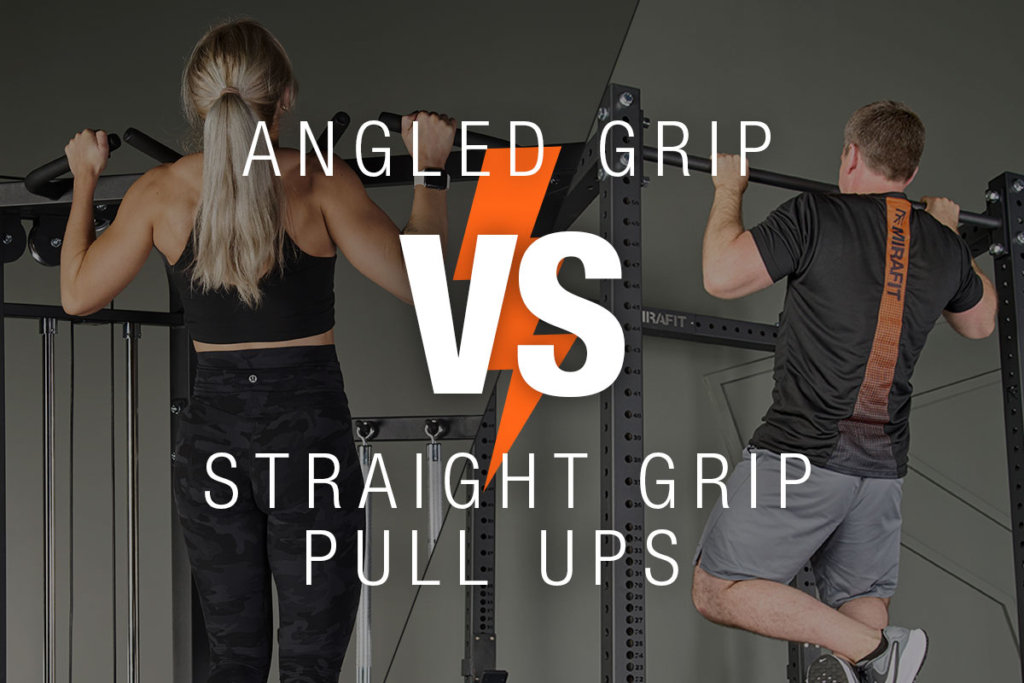
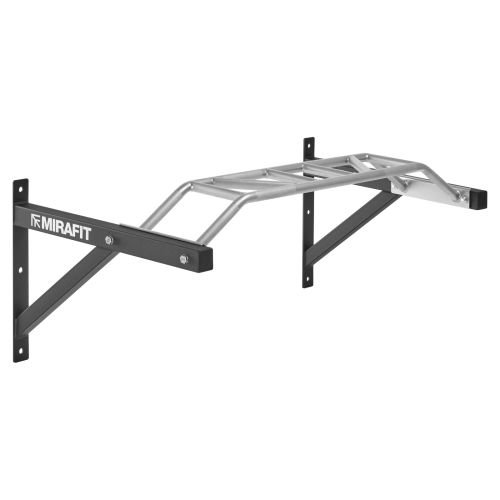
A multi grip pullup bar means you can target different muscle groups and vary your workout with both standard and wide grip. It isn't just upper body workouts, target your core with leg raises for a full body workout.
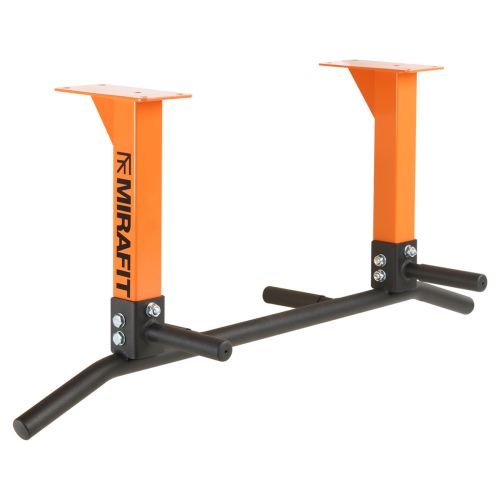
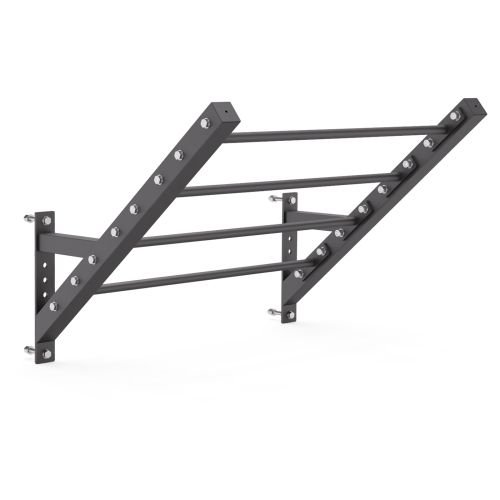
If you're looking for ceiling bars, our M1 Three Position Ceiling Pull Up Bars are versatile and heavy duty. Thanks to the foam grip handles and heavy-duty steel construction, you'll be strengthening biceps and working on your shoulders for years to come.
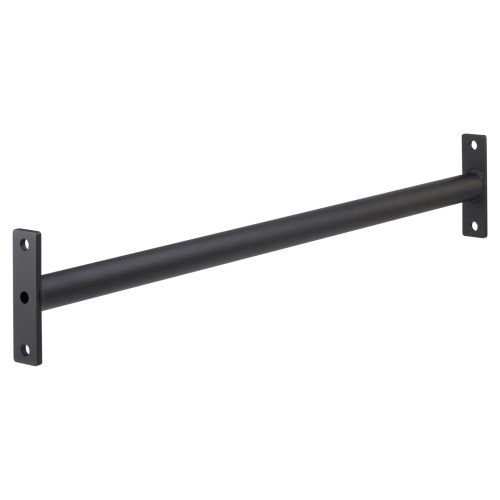
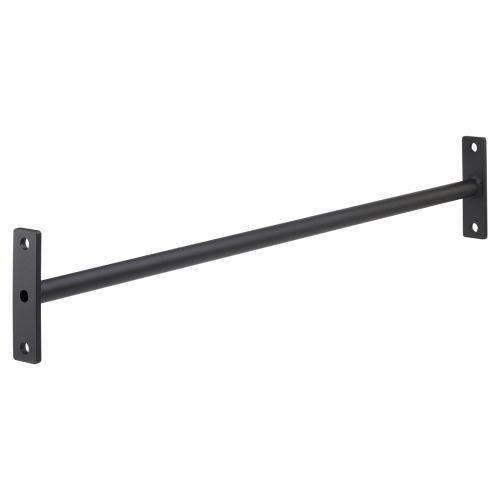
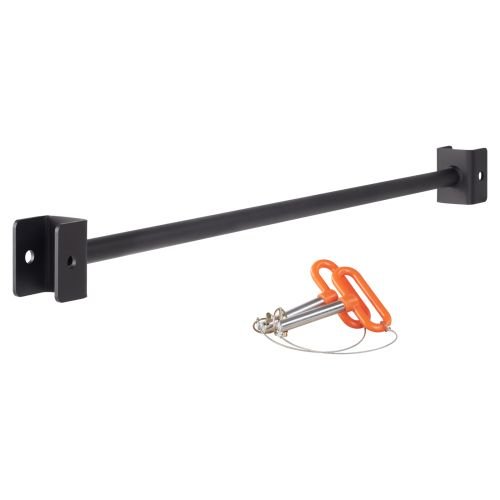
Pull up bars are available to get fixed to either walls or ceilings. If you need something free standing, then you can get a pull up bar attachment for your power rack. This steel bar can be bolted between the uprights of your cage at the right height to allow you to get your feet off the ground.
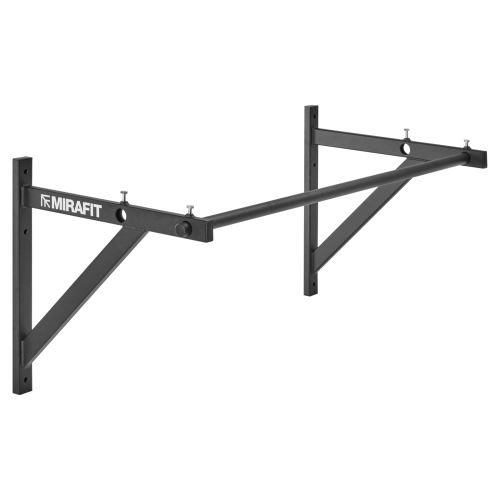
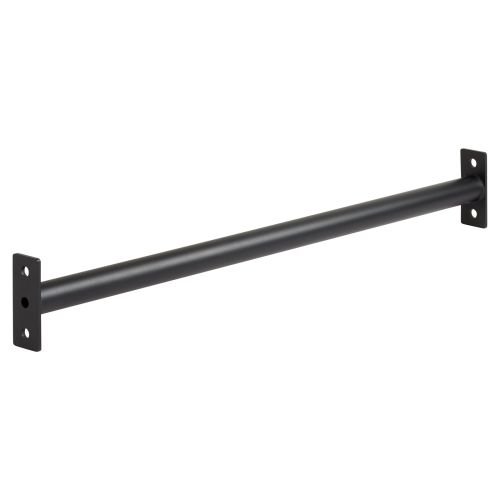
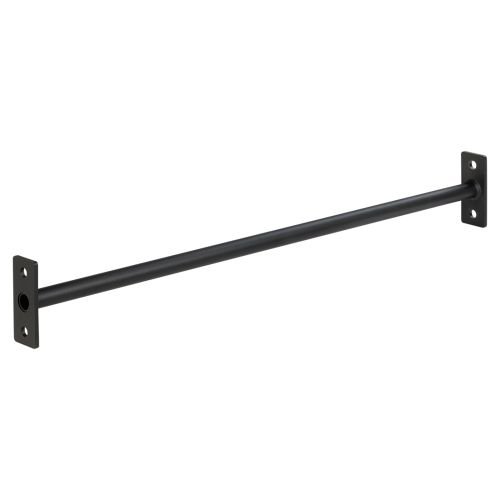
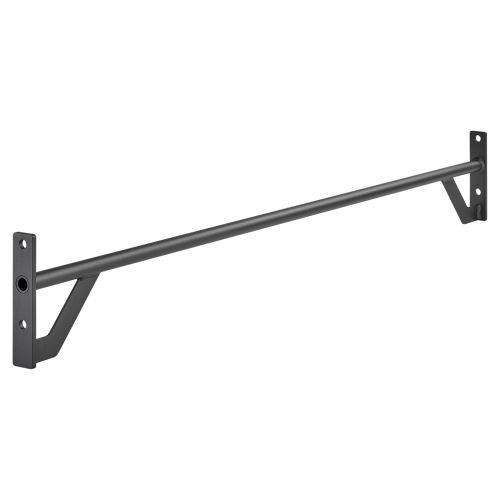
And our Wall Mounted Pull Up Bar is great for both home and gym use, handling up to 150kg of user weight.
It is vital that these bars are installed correctly, so consult a professional and put your pedal to the metal with our solid steel pull up bars for home gyms. Built for strength, built for grit and built to last.
The best pull up bar depends on your available space and training style. Wall-mounted pull up bars are popular for garage gyms, ceiling-mounted bars can provide more freedom of movement, and rack-mounted pull up bars are ideal if you already own a power rack. Consider your ceiling height, wall construction and the exercises you want to perform before choosing. For more information, view our Pull Up Bar Buyer Guide.
Pull ups primarily target the latissimus dorsi (lats), upper back, biceps and forearms. They also engage the shoulders, core and grip muscles, making them one of the most effective upper-body bodyweight exercises.
No. Pull up bars should only be installed on structurally suitable surfaces that can safely handle dynamic loads. We always advise consulting with a builder before installing your pull up bar as it is crucial that the wall is strong enough to take the forces that occur during use. It is also important to make sure suitable wall fixings are used.
You should allow enough clearance above, below and around the bar to perform exercises safely. Taller users and anyone performing swinging movements, knee raises or muscle-up progressions may require additional space.
A pull up bar should be high enough that you can hang with your feet clear of the floor while still being able to reach the bar safely. The ideal height depends on your height, ceiling height and the exercises you plan to perform.
Weight limits vary by model. Always check the maximum user weight and ensure the installation surface is suitable, as the mounting structure is just as important as the bar itself.
Yes. Even if you cannot yet perform a full pull up, you can use a pull up bar for dead hangs, assisted pull ups, resistance band exercises, negative pull ups and grip-strength training while building strength.
Most beginners start with assisted pull ups, negative pull ups and dead hangs to build strength. Consistent practice and progressive overload will help you develop the pulling strength needed for your first full repetition. Check out our Pull Up Bar Workout For Beginners for tips to get you started.
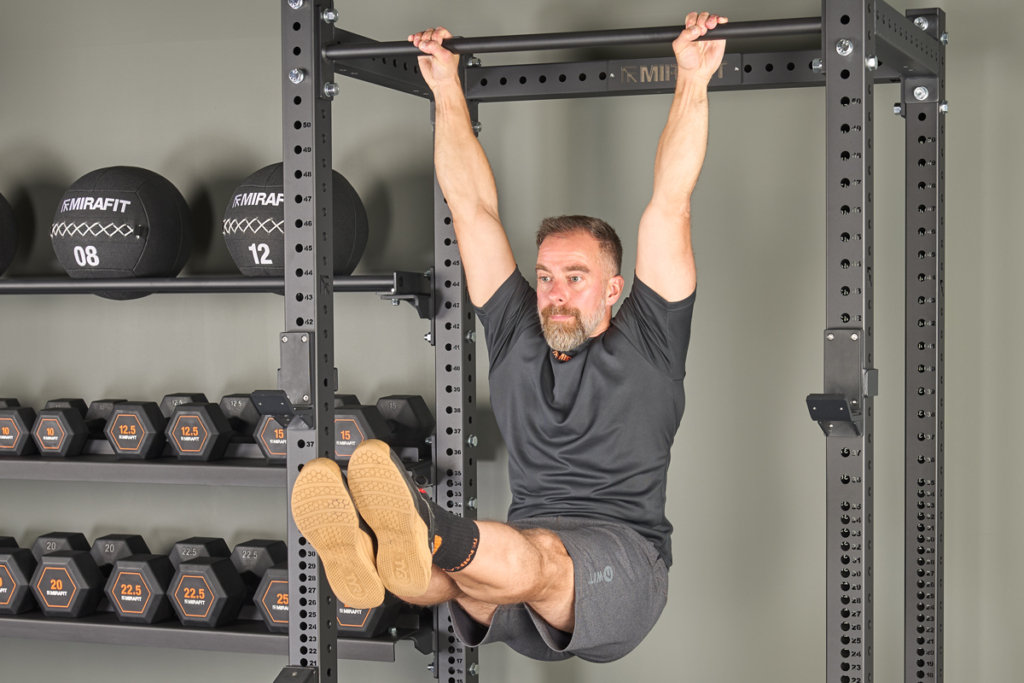
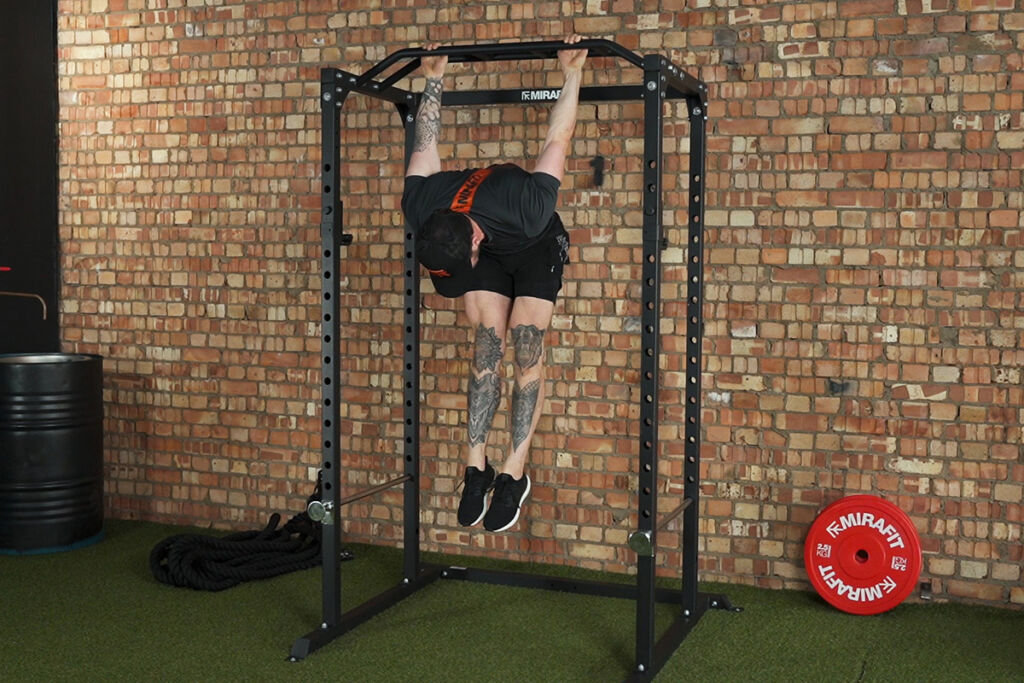
A pull up bar can also be used for chin ups, hanging knee raises, leg raises, dead hangs, scapular pulls, front lever progressions, toes-to-bar and many core exercises. For more exercises, see our list of every pull up variation you should be doing.
Pull ups and lat pulldowns both train similar muscle groups. Pull ups require you to lift your own bodyweight and are often considered a benchmark of upper-body strength, while lat pulldowns use a cable machine and allow more precise control of resistance.