403 Forbidden
ERR_WEB_NGX_403

Checkout using your account
Checkout as a new customer
Creating an account has many benefits:
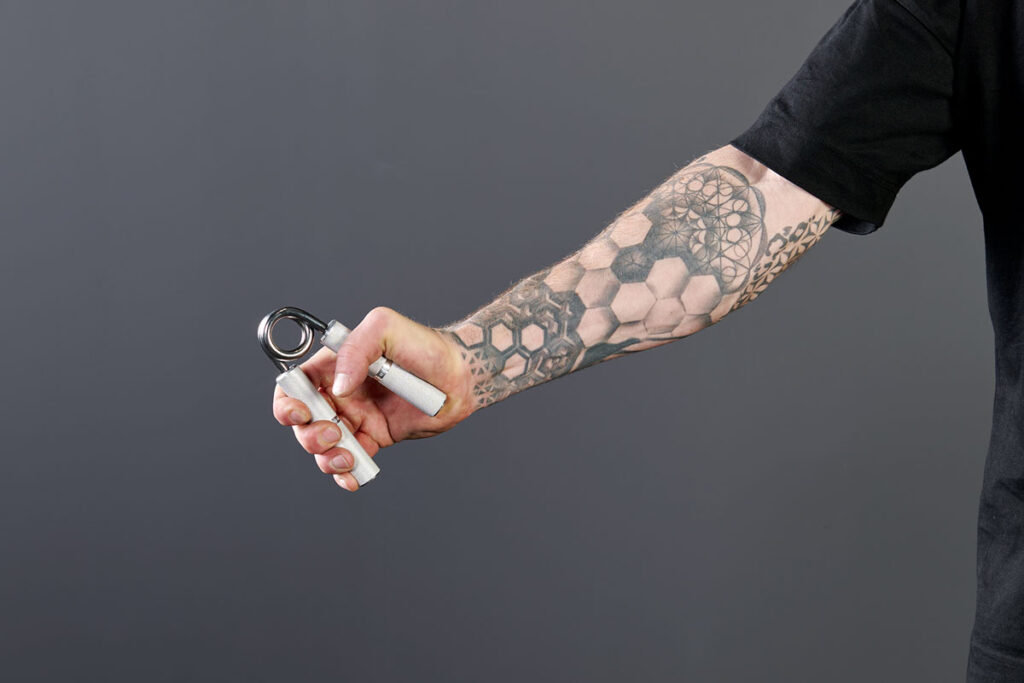
If you want to maximise your ability to lift heavy weights then you need good grip, this is where grip training comes in. A strong grip is vital in the world of strength training and is central to being able to perform pull ups and deadlifts with ease. It is also important for more specialised athletes such as rock climbers.
If you want to maximise your ability to lift heavy weights then you need good grip, this is where grip training comes in. A strong grip is vital in the world of strength training and is central to being able to perform pull ups and deadlifts with ease. It is also important for more specialised athletes such as rock climbers.
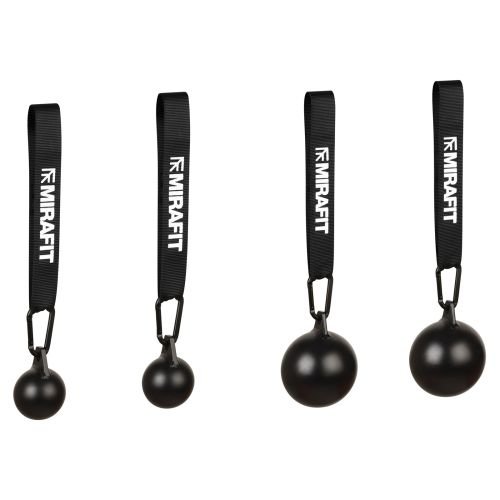
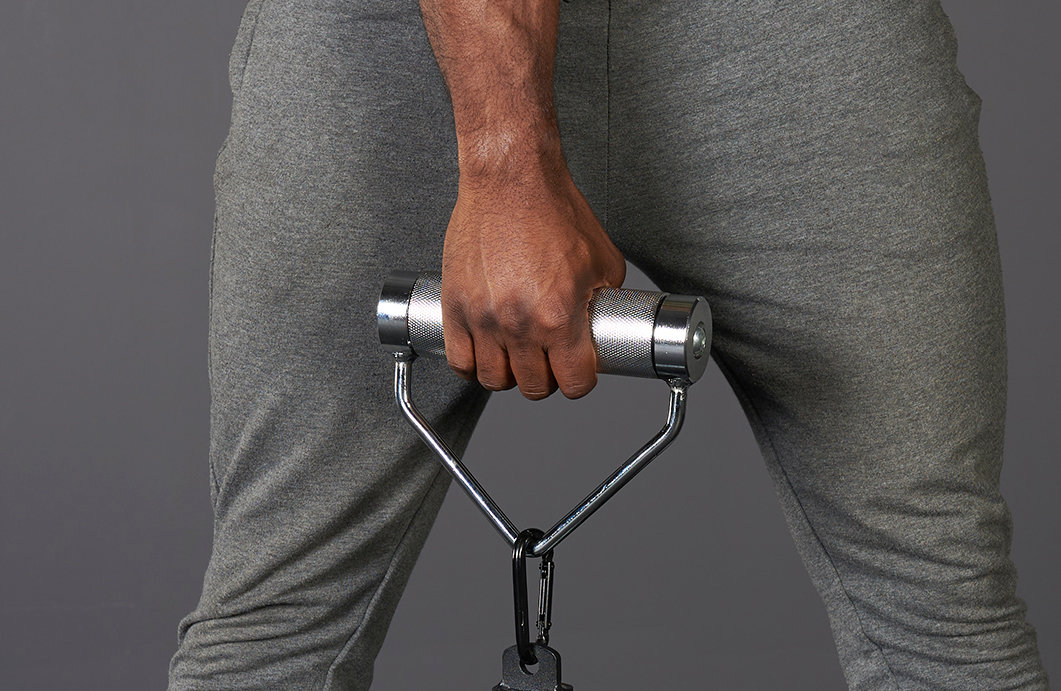
The key to strengthening fingers and hands is to work all aspects of grip. Our grip trainers are designed to work both crush grip and pinch grip. Building up the muscles in the hands and wrists and making sure you have a good range of motion can help you lift heavier barbells. Good grip strength can also help improve lifting technique.
As well as traditional spring-based grip strengtheners, we also supply rubber bands that are used to increase finger strength. These can be placed around the fingers and provide resistance against opening your hand out, thereby building muscle. They come in a variety of resistances, enabling you to observe your progress as you improve your grip strength.
Grip training is strength training focused on developing the muscles in your hands, fingers, wrists and forearms. Stronger grip strength can help with exercises such as deadlifts, pull ups, rows and carries, as well as sports including climbing and martial arts.
Grip strength can be a limiting factor during strength training. If your hands and forearms fatigue before your target muscles, improving grip strength may help you lift heavier weights, complete more reps and maintain better control during exercises.
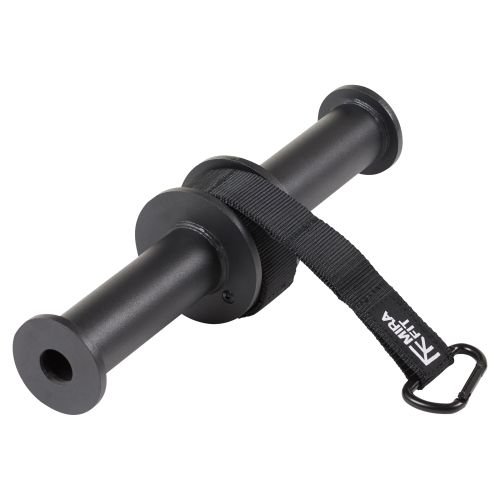
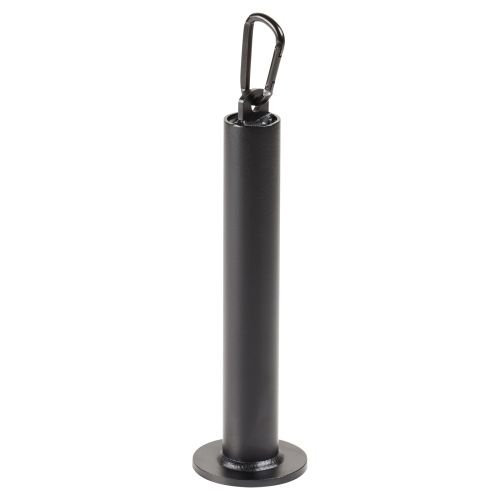
Beginners often benefit from simple grip tools that allow progressive overload. Starting with wrist rollers or loading pin exercises can help build strength gradually while improving technique.
Grip training is typically added 2–3 times per week alongside regular workouts. Your hands and forearms need recovery time, especially if you already perform exercises like deadlifts, rows or pull ups.
Grip training can help improve your ability to hold heavier loads and perform more reps during deadlifts. Stronger hands and forearms may reduce grip fatigue and help you maintain control of the bar throughout your sets.
Grip strength can improve your ability to stay connected to the bar for longer periods, which may help with pull-up performance and endurance.
Yes. Climbers often focus on finger and pinch strength because these movements closely match the demands of climbing holds and wall movements.
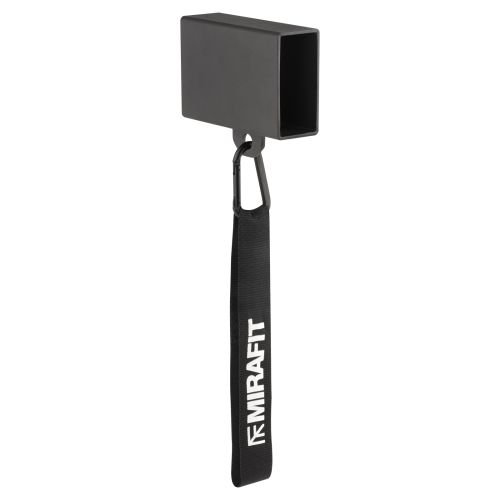
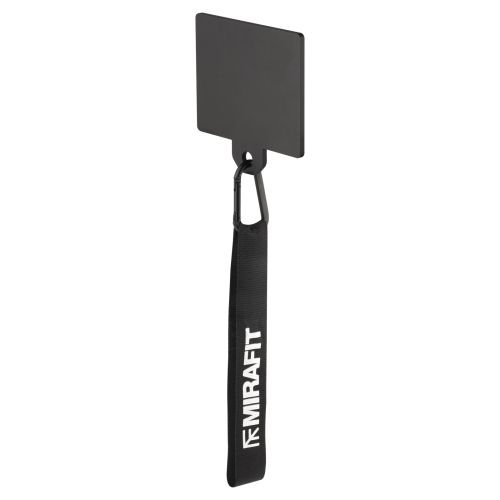
Pinch grip training involves gripping an object between the fingers and thumb without wrapping your whole hand around it, like a pinch plate. It targets the thumbs, fingers and forearms and is commonly used by strength athletes and climbers.
Grip-focused exercises place repeated tension on the forearm muscles, which can contribute to forearm strength and muscular development when combined with a consistent training programme.
Lifting straps can help during heavy pulling exercises, but if improving grip strength is your goal, many people reduce strap use on some exercises, so their hands and forearms do more work.
Many people notice improvements within a few weeks of consistent training, although results vary depending on training frequency, exercise selection and previous experience.
Grip strength is useful outside the gym too. Carrying shopping bags, opening jars, lifting tools and handling physical tasks all rely on hand and forearm strength.