6 min read

Checkout using your account
Checkout as a new customer
Creating an account has many benefits:

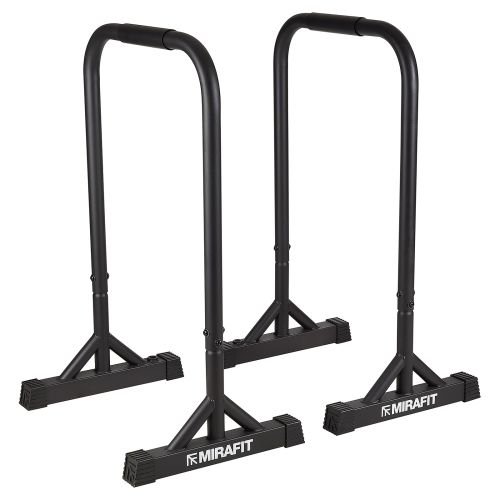
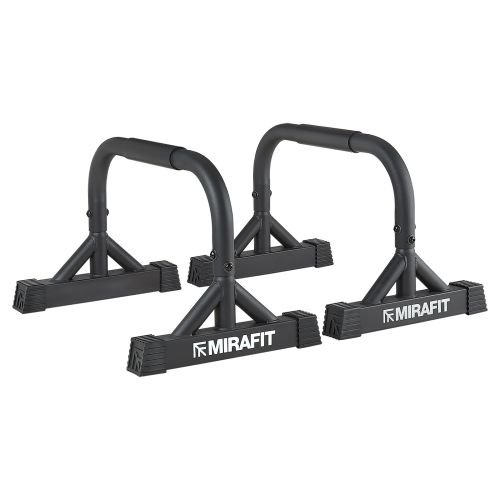
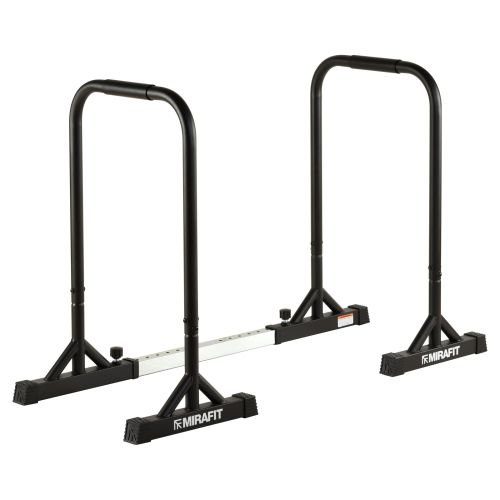
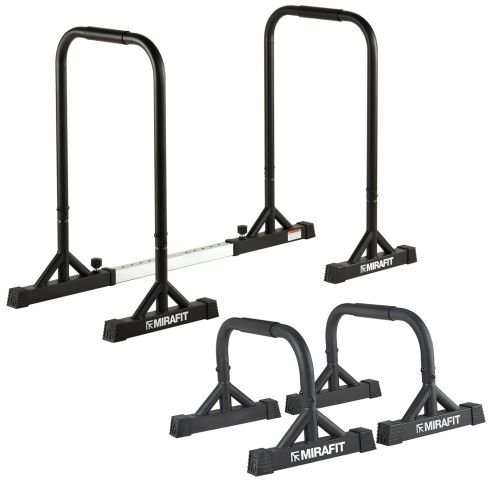
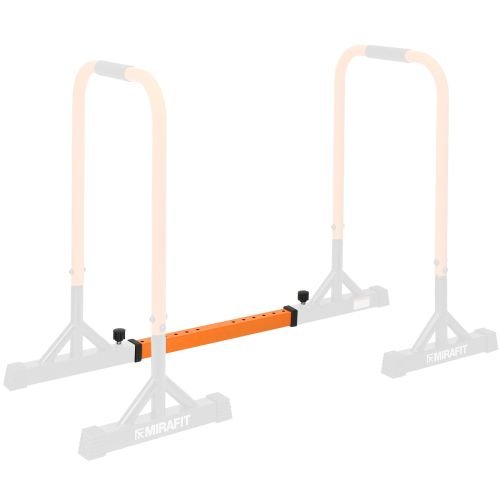
Take your workout to the next level with our awesome range of parallel bars. Ideal for anyone who is into gymnastics and calisthenics, our parallel bars allow you to do bodyweight exercises while developing your grip strength and core. Browse the range to find everything from parallel dip stands, to tall parallettes with an adjustable width bar for extra stability and mini parallettes which are lightweight and portable.
Take your workout to the next level with our awesome range of parallel bars. Ideal for anyone who is into gymnastics and calisthenics, our parallel bars allow you to do bodyweight exercises while developing your grip strength and core. Browse the range to find everything from parallel dip stands, to tall parallettes with an adjustable width bar for extra stability and mini parallettes which are lightweight and portable.
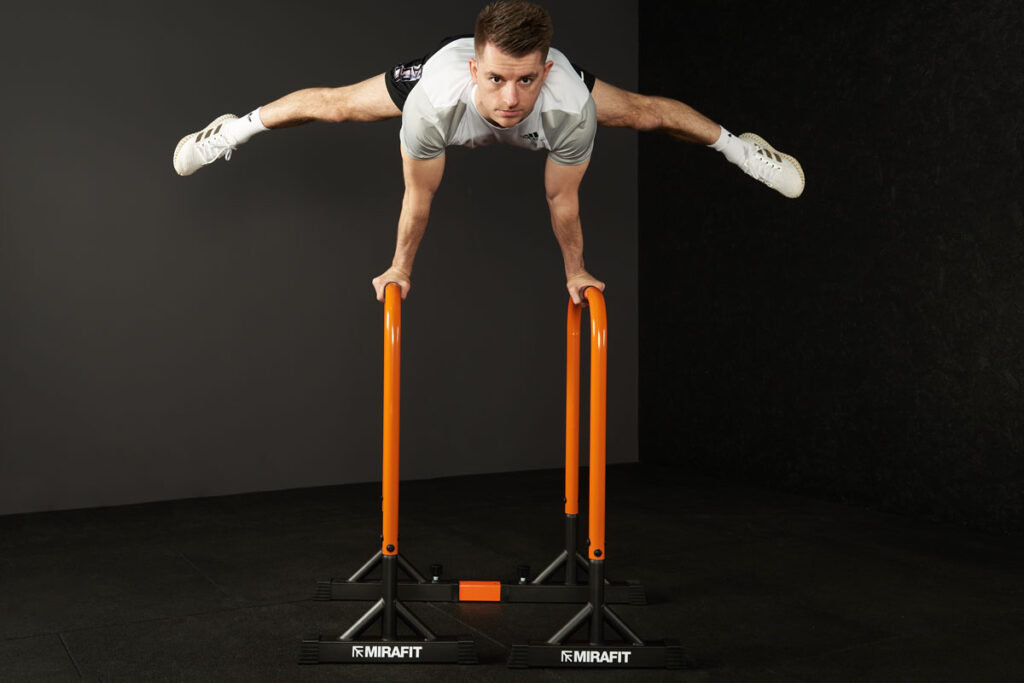
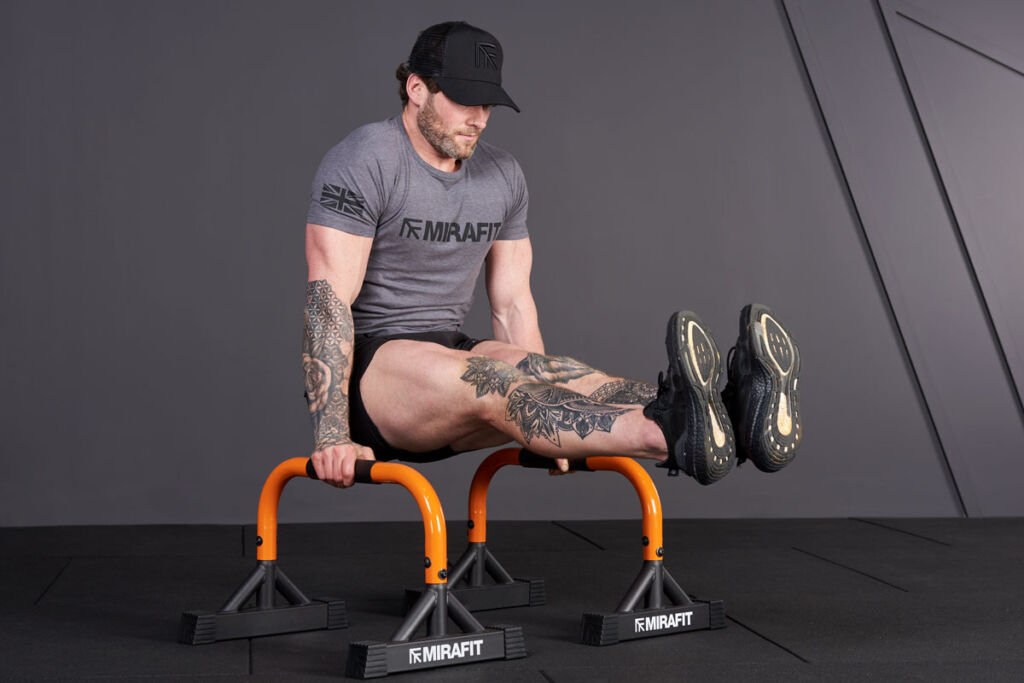
Parallel bars not only help you channel your inner gymnast, they allow you to vary your body workout and focus on your upper body. Add in handstands, leg raises and L-sits, and use the mini parallettes to vary your push ups and tricep dips.
Each bar comes with a padded grip for comfort as well as solid, rubber-capped feet for stability. If you’re looking to build strength and power using your own bodyweight, head over to our home gym equipment section to explore our range of plyo jump boxes
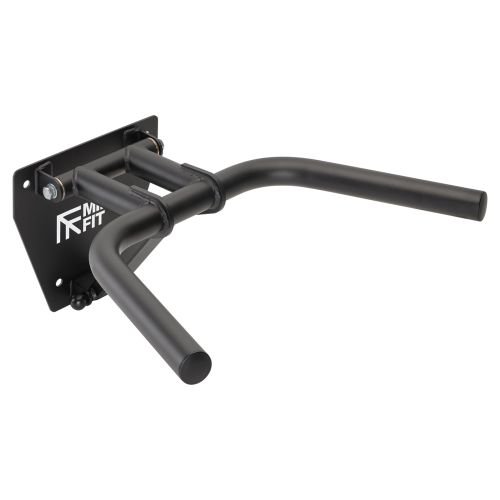
Parallel bars are used for bodyweight strength training, calisthenics and gymnastics-style exercises. They can be used for dips, L-sits, push-ups, leg raises, handstand work and core training. Parallel bars help build upper body strength, improve stability and increase grip strength.
Parallel bar exercises can target multiple muscle groups including the chest, shoulders, triceps, core, back and grip muscles. Different exercises emphasise different areas of the body.
Yes. Parallel bars can help build muscle by using your bodyweight as resistance. Exercises such as dips, L-sits and push-up variations increase strength and muscle activation across the upper body and core. Our article on Calisthenics to Build Muscle offers some great tips and exercises.
Yes. Beginners can start with basic exercises such as incline push-ups, knee raises and supported dips before progressing to more advanced movements.
Dip bars are generally taller and designed for exercises such as dips and leg raises, while parallettes are shorter and commonly used for push-ups, handstands, planches and floor-based movements.
Exact exercises vary depending on the bar height. Popular exercises include dips, L-sits, leg raises, press-ups, handstands, inverted rows, knee raises, tuck holds and planche progressions.
Consider your available training space, your experience level, the height of the bars, weight capacity, stability, portability and the exercises you want to perform.
Lower bars are often suitable for push-ups and balance work, while taller bars are better for dips, leg raises and more advanced calisthenics exercises.
Weight limits vary by model. Always check the maximum user weight listed in the product specifications before use.
Adjustable width bars allow you to tailor your setup for comfort and different exercises whilst providing extra stability to the bars by locking them at a certain width apart. Wider settings may feel more comfortable for dips, while narrower settings can suit certain stability movements.
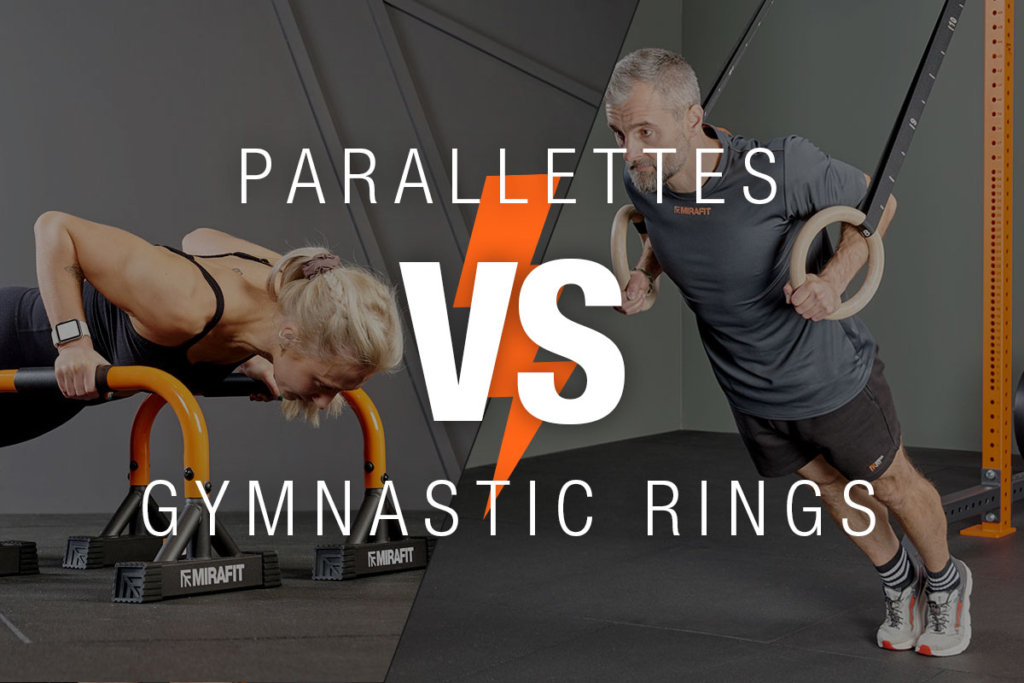
The best option depends on your training goals. Parallel bars provide a stable platform that is ideal for dips, L-sits, push-ups and beginner calisthenics exercises. Gym rings create an unstable surface, which increases the challenge and engages more stabilising muscles. Check out our blog on Parallettes vs Gymnastic Rings for further information.