10 min read

Checkout using your account
Checkout as a new customer
Creating an account has many benefits:
These Bars would make an excellent addition to your home gym by providing exercise variety to your training or helping to reduce the discomfort in your shoulders and wrists and at the same time providing extra training stimulus to your triceps.
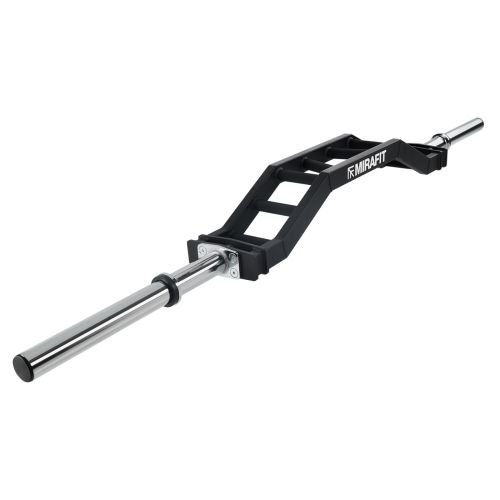
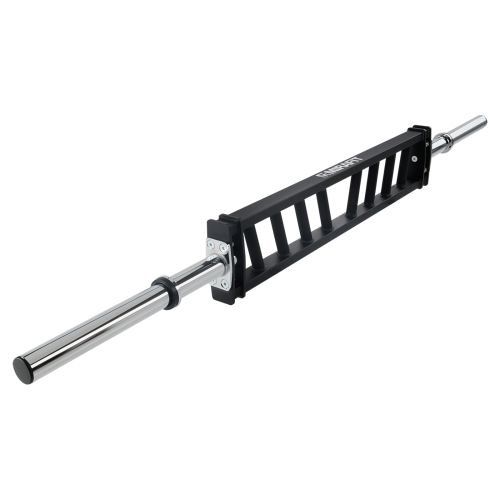
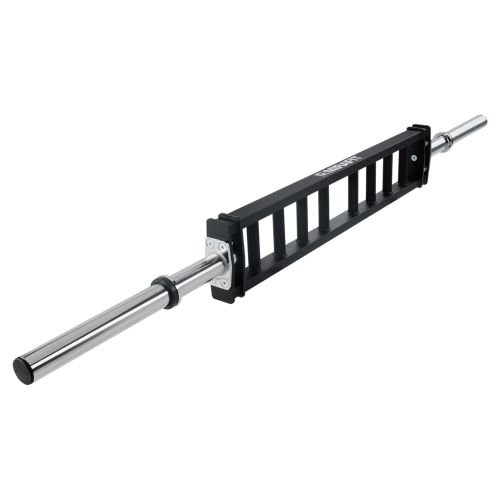
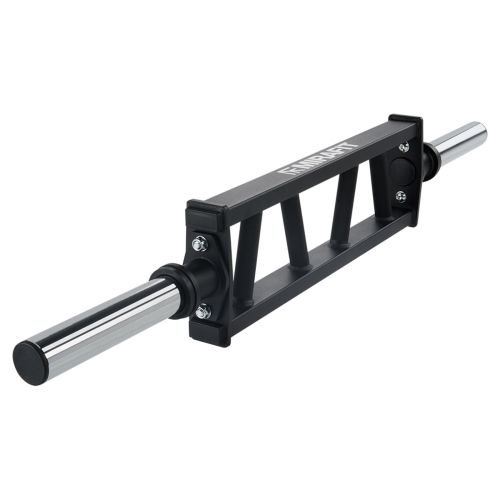
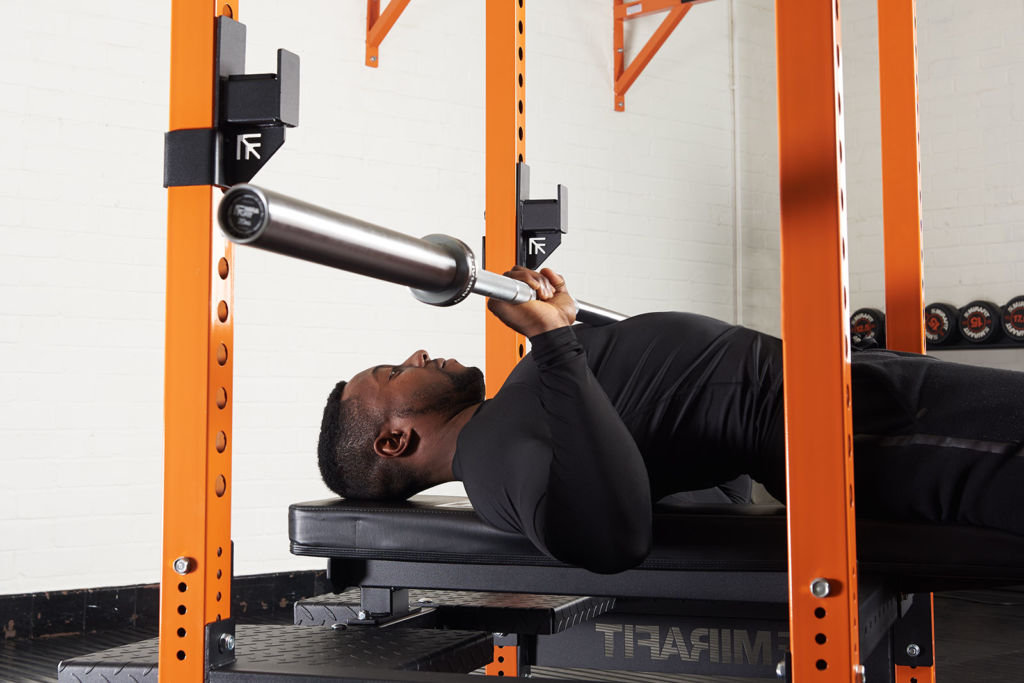
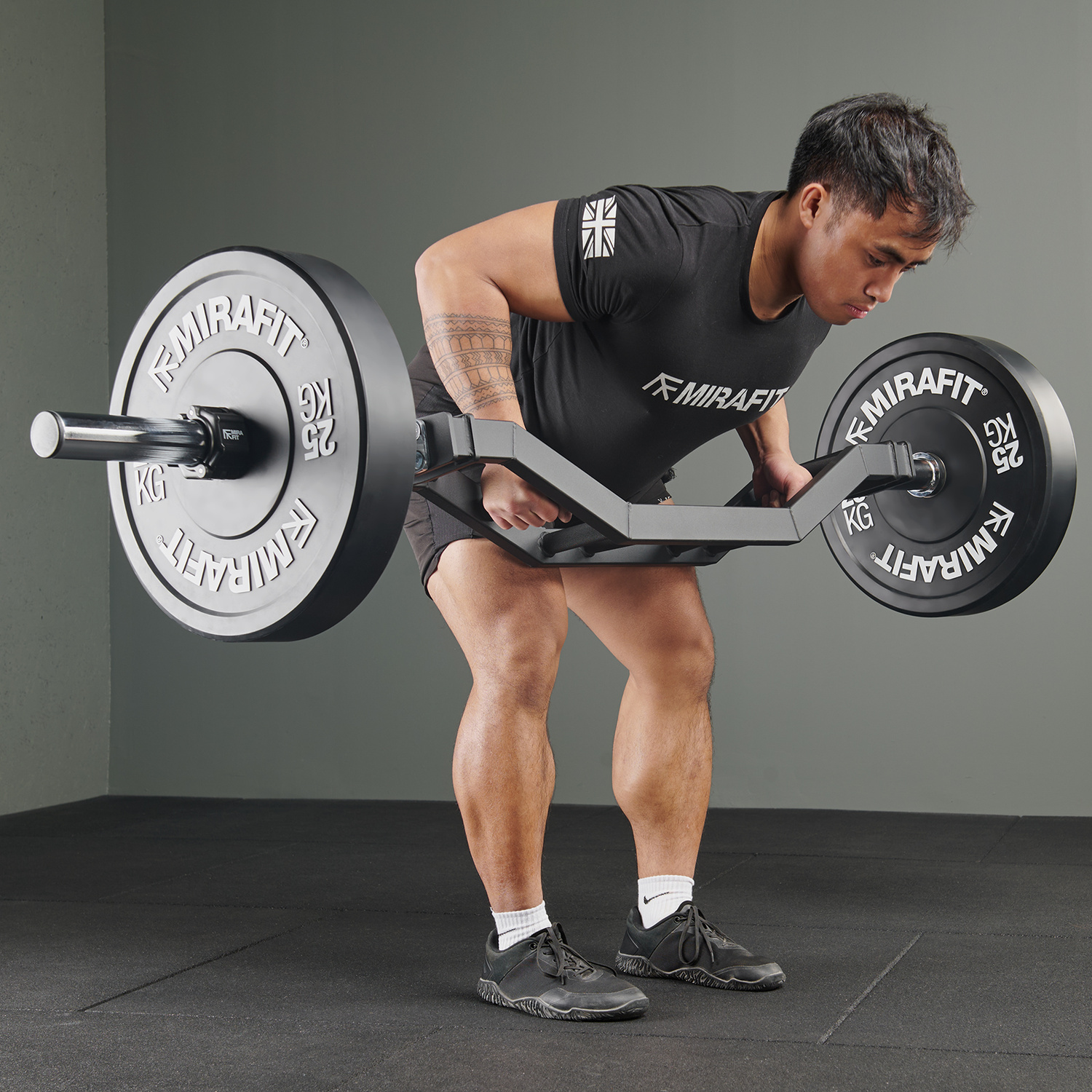
The Swiss Bar or Football Bar can add variety to your barbell training as well as providing an option of lifting with reduced strain on the shoulders. The standout feature of the Swiss Bar is the multi grip section in the middle of the bar. The multiple handles allow you to use the bar for a variety of pushing and pulling exercises and would complement your standard barbell in your home gym.
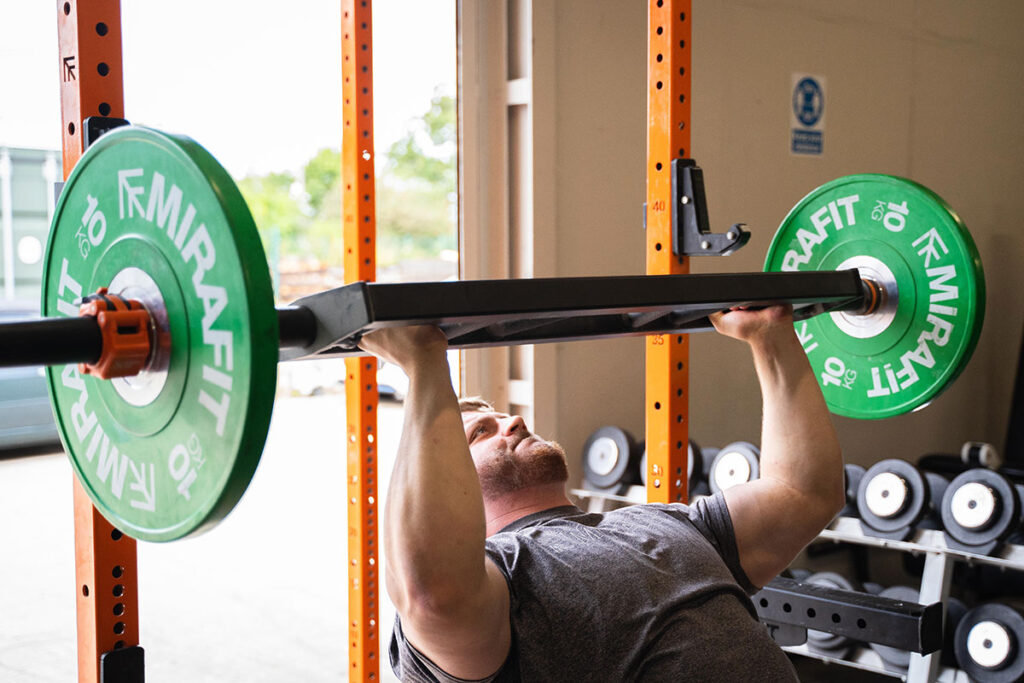
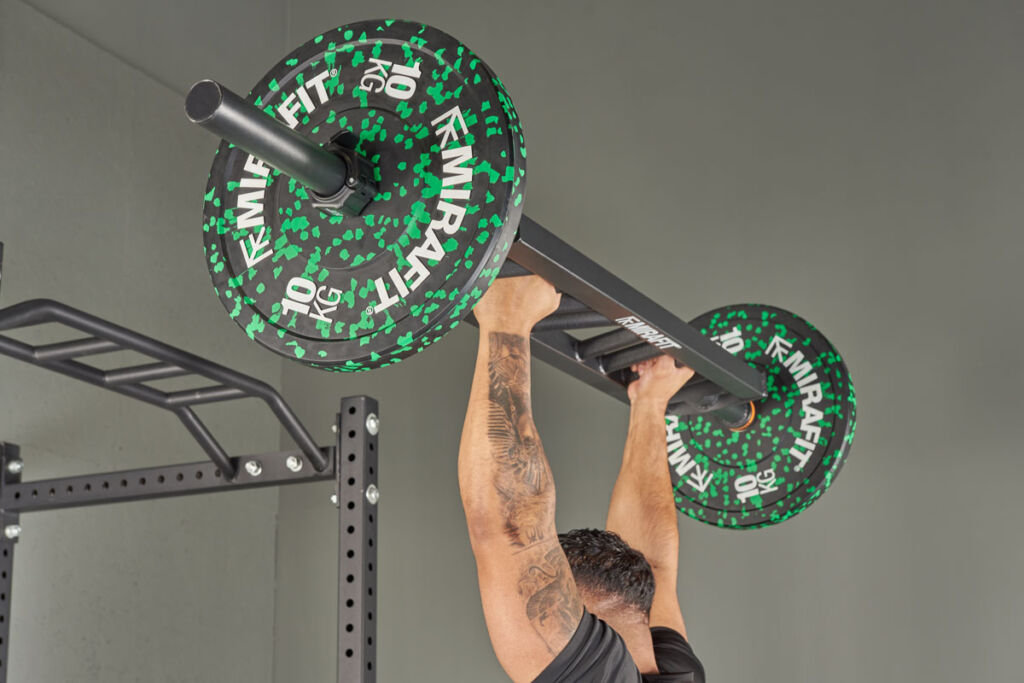
Probably the most obvious feature about the Swiss Bar is that the grip positions are completely different to a normal bar. When you grip the bar, your hands are in a neutral or slightly angled position. This can take a lot of pressure off the wrists, particularly with pressing exercises. You would also have noticed that there are numerous grip options on the Swiss Bar. This allows you to adjust your grip width to suit your exercise selection. For instance, a bicep hammer curl requires a narrower grip to a Swiss Bar Deadlift or Swiss Bar Bench Press. For those that suffer from shoulder niggles while lifting, the neutral grip and angled grip offer the advantage of training around the pain. While a straight bar generally requires your elbows to be further away from the body during pressing movement, with a Swiss bar your elbows are brought closer to the body. This brings the shoulders into a more stable and stronger position that can handle the lift and requires less anterior deltoid activation. However, triceps are more active in this position, which not only results in increased tricep strength but will ultimately improve your normal pressing motion as your triceps are now able to assist more with the movement.
Selecting the right football Bar is important. Firstly, you need to choose a bar that is compatible with your weights. Mirafit has both the Olympic bar and standard bar options. The bars can also be chosen with just angled grip options or multi grip options which have a combination of neutral and angled knurled grips. If exercises such as Swiss Bar Incline Press is something that you would like to be doing then you should also check if the bar is compatible with your rack. While the bars are compatible with all current Mirafit Power Racks, there are some racks that are not able to accommodate the wider, multi-grip section.
A Swiss bar, sometimes called a football bar or multi-grip bar, is a specialist weightlifting bar featuring multiple neutral and angled grip positions. Unlike a traditional straight barbell, a Swiss bar allows your hands to remain in a more natural position during pressing, rowing and arm exercises, helping many lifters train more comfortably.
Swiss bars offer multiple grip options which help reduce stress on the shoulders, wrists and elbows while increasing exercise variety. They are commonly used for bench presses, overhead presses, rows, curls and tricep work, making them a versatile addition to both home and commercial gyms.
Neither is necessarily better, but they serve different purposes. A straight barbell remains the standard choice for powerlifting and traditional strength training, while a Swiss bar can provide a more joint-friendly grip position and greater exercise variety. Many lifters use both as part of a balanced training programme.
Many lifters find Swiss bars more comfortable because the neutral or angled grip position can place the shoulders in a more natural alignment during pressing movements. This may help reduce discomfort compared to a traditional straight bar, particularly for those who experience shoulder irritation when bench pressing.
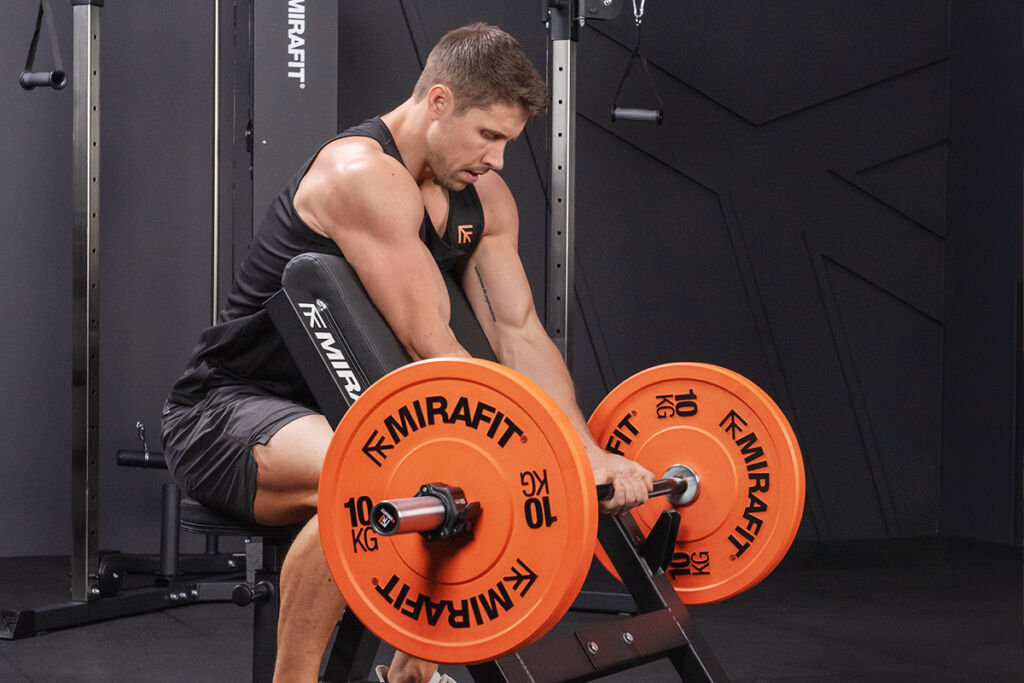
A Swiss bar can be used for a wide range of exercises, including bench presses, incline presses, shoulder presses, bent-over rows, hammer curls, skull crushers, floor presses and close-grip presses. The multiple handle positions allow you to target muscles from different angles. More exercises can be found on our 10 alternative Swiss bar exercises blog
There is no significant difference. The terms Swiss bar and football bar are often used interchangeably to describe a multi-grip barbell that features neutral or angled handles positioned within the frame of the bar.
The best grip depends on your goals and anatomy. Wider grips are commonly used for pressing movements, while narrower grips are popular for tricep exercises and hammer curls. The advantage of a Swiss bar is that multiple grip widths allow you to find the position that feels strongest and most comfortable.
Neutral grips position the hands parallel to each other and are often preferred for general pressing and rowing exercises. Angled grips can feel even more natural for some lifters by allowing the wrists and shoulders to follow a slightly inward path. Personal preference and comfort usually determine which style is best.
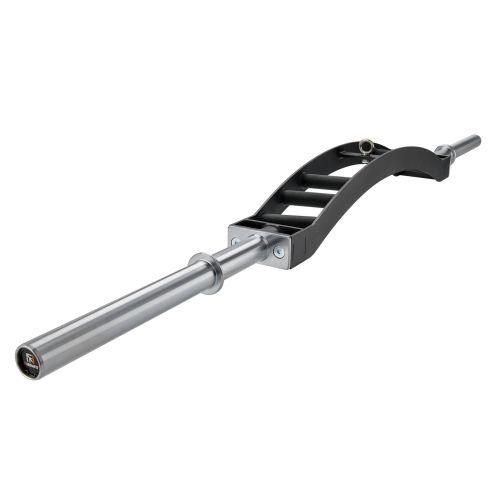
A cambered Swiss bar features a raised or lowered centre section that increases range of motion during pressing exercises. Many lifters choose cambered designs to achieve a deeper stretch at the bottom of a bench press while maintaining the benefits of a neutral grip.
For many home gym owners, a Swiss bar is one of the most versatile speciality bars available. It can add exercise variety, provide alternative pressing options and help reduce repetitive strain from always using a standard barbell, making it a popular upgrade once the basics are covered.
Most lifters can lift similar or slightly lighter weights compared to a traditional straight bar. However, many people find the movement more comfortable and stable, allowing them to train pressing movements more consistently over time.
When choosing a Swiss bar, consider:
Most modern Swiss bars are designed to be rackable, but compatibility can vary depending on rack width and bar design. Before purchasing, it's worth checking the overall bar dimensions and your rack's internal width to ensure a proper fit.
The best Swiss bar for bench pressing depends on your preferences. Lifters focused on shoulder comfort often choose angled-grip designs, while those wanting greater range of motion may prefer cambered Swiss bars. Multi-grip designs provide the most versatility by offering several hand positions within a single bar.
Strength athletes use Swiss bars to add variety, manage joint stress and target muscles differently from traditional barbell movements. They are often incorporated into training programmes to improve pressing strength while reducing repetitive strain from standard bench press variations.