

6 min read

Checkout using your account
Checkout as a new customer
Creating an account has many benefits:

If you’ve been looking at our strongman ranges, then you may have seen some of our sleeves and wrist wraps. We’ve developed a full range of essentials to support your strength training. If you are looking for helpful tips and exercises, then you can also head to the blog.
When you are strength training, sometimes you need some extra kit in your gym bag to really make the most of your session.
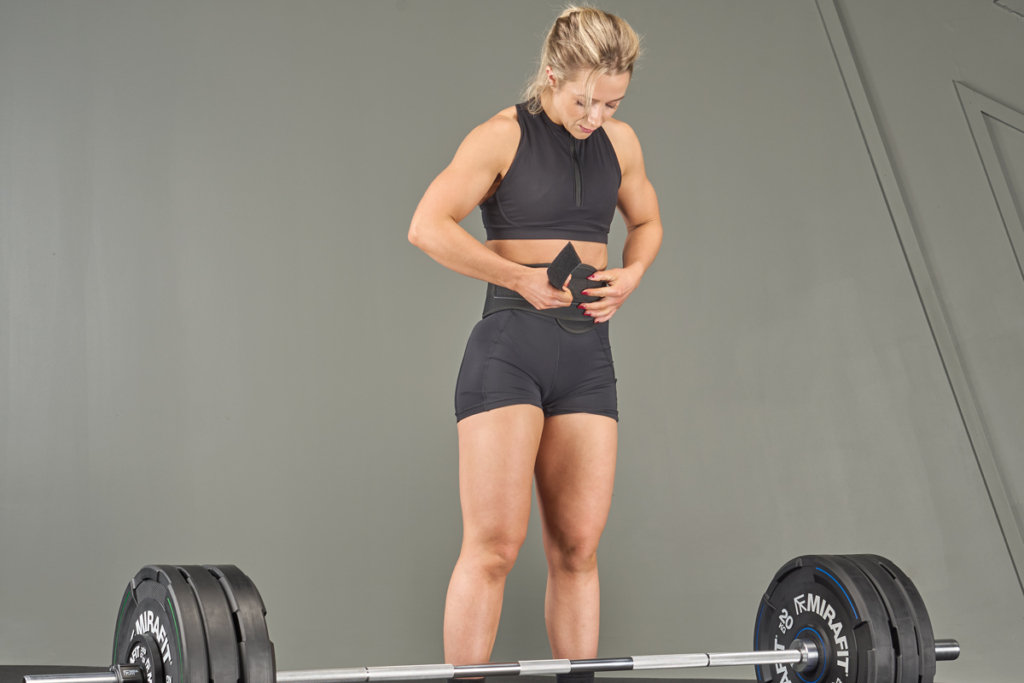
Weightlifting wrist straps are designed to attach to your wrists and wrap around a barbell. This offers extra protection to wrist joints when performing heavy lifts. They are particularly useful for powerlifting when performing exercises that involve a pulling motion, such as deadlifts. As well as offering wrist support, they also lessen grip fatigue, meaning you can lift heavier to the point of muscle fatigue without being limited by grip strength.
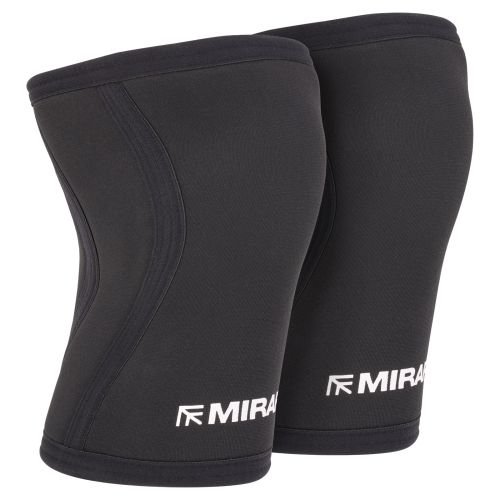
Lifting sleeves are available for either the knee, shin or the elbow. They all work in the same way, which is to provide compression and warmth to the joint. This combination of heat and support can increase blood flow and aid in recovery times. Wearing supports on your knee and elbow joints will also increase stability and could help you lift heavier weights.
Lifting straps help improve grip during pulling exercises such as deadlifts and rows. Wrist wraps support the wrists during pressing movements like bench press and overhead press. Knee sleeves provide compression and support around the knee joint during squats and lower-body training.
Most beginners can train effectively without supportive accessories while building strength and technique. As training volume and load increase, accessories can help when grip, wrist stability or joint support become limiting factors.
Lifting straps are useful when your grip gives out before the muscles you are trying to train. Many lifters use them for deadlifts, Romanian deadlifts, shrugs and heavy rowing exercises.
Not necessarily. Many people use straps only on heavier working sets and continue training grip strength separately. Straps are designed to stop grip fatigue limiting larger muscle groups during pulling exercises.
Knee sleeves provide compression and support for everyday training. Many lifters use them to increase comfort and support during squats, lunges and heavy lower-body sessions. Knee wraps are tighter and offer additional support during heavy lifts, often used in powerlifting.
Measure around the joint according to the product sizing guide. If you're between sizes, decide whether you want a tighter competition-style fit or a more comfortable training fit.
Lifting straps may help you continue a set when grip fatigue becomes the limiting factor, allowing you to focus on the target muscles during pulling movements.
This depends on your training style. Deadlifters often choose straps, powerlifters commonly use wrist wraps, and squat-focused athletes frequently prefer knee sleeves. Our article on Who Should Use Weightlifting Straps explains the benefits of the different accessories and which exercises each is best suited to.