8 min read

Checkout using your account
Checkout as a new customer
Creating an account has many benefits:
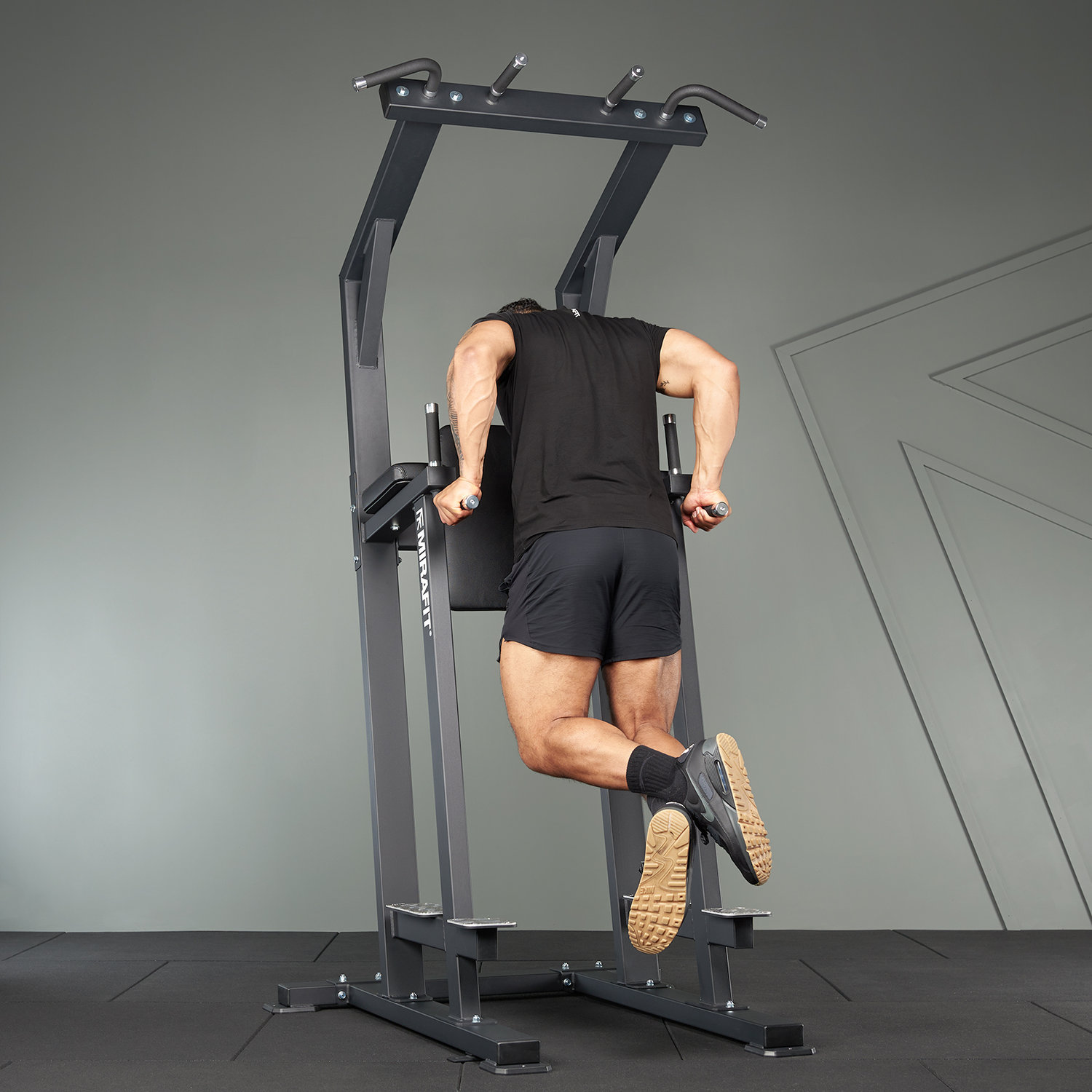
For the ultimate in bodyweight exercises, you can't beat dips. For a tricep or chest focused workout, dips are a classic choice. You can use a number of pieces of kit if you are looking to add dips to your gym workout. What you choose will depend on space available and what other gym equipment you already own
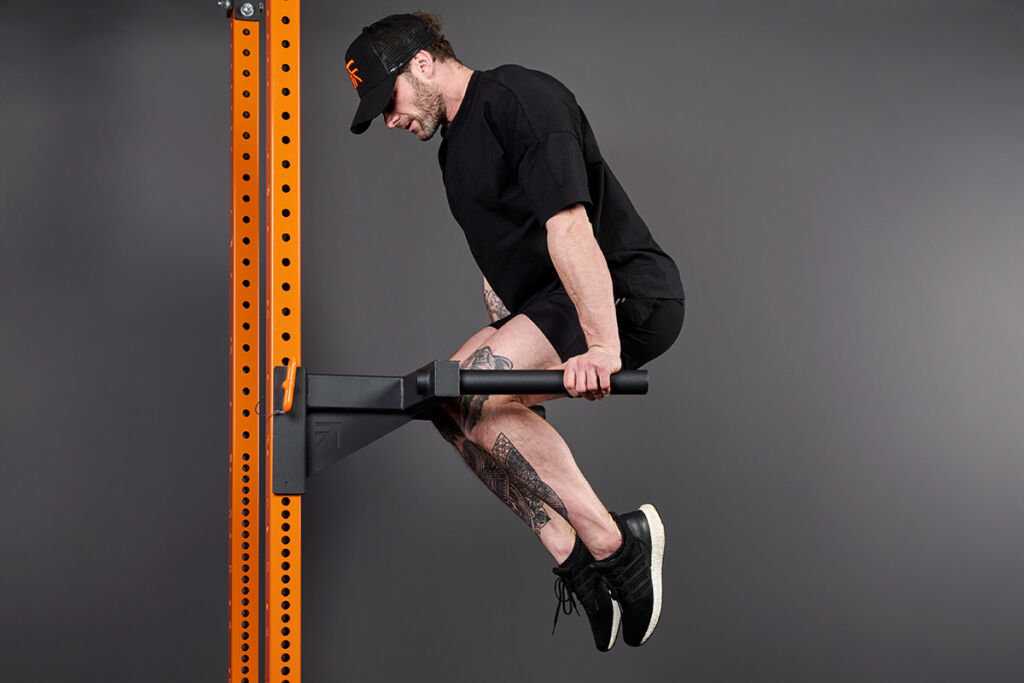
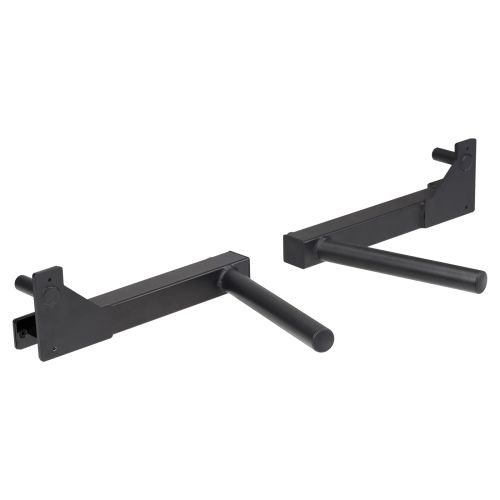
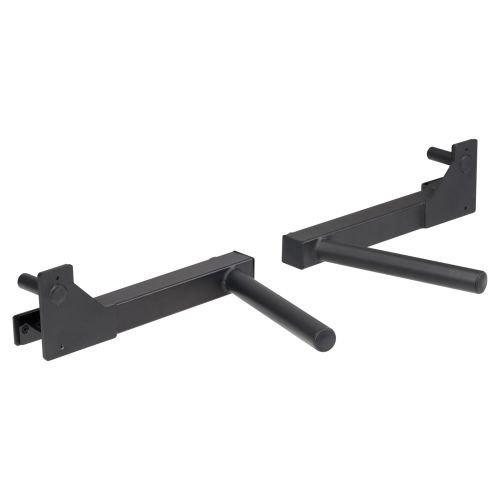
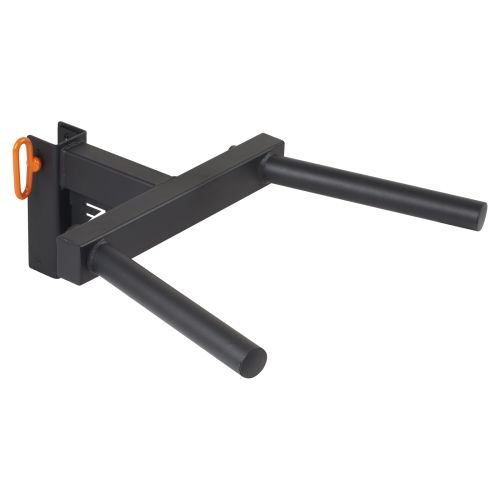
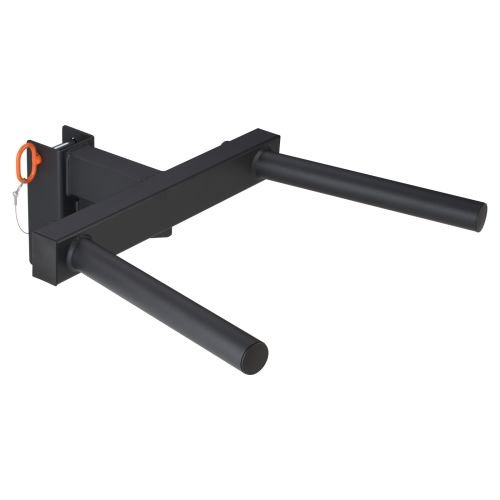
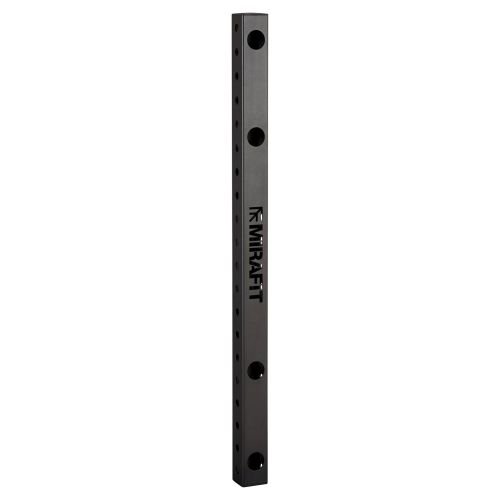
If you already own a power rack, the simplest way to add a set of dip handles is to add them to the frame. These attachments fix onto the rack uprights and allow you to do forward facing dips on the rack without needing much additional floor space in your home gym.
You can either have a pair of dip bars with one on each upright or a dip handle attachment which attaches to one upright. With rack mounted bars you get to set the height at the perfect position to suit your needs.
All our rack mounted dip bars are angled, which means you can use them for wide and narrow grip tricep dips.
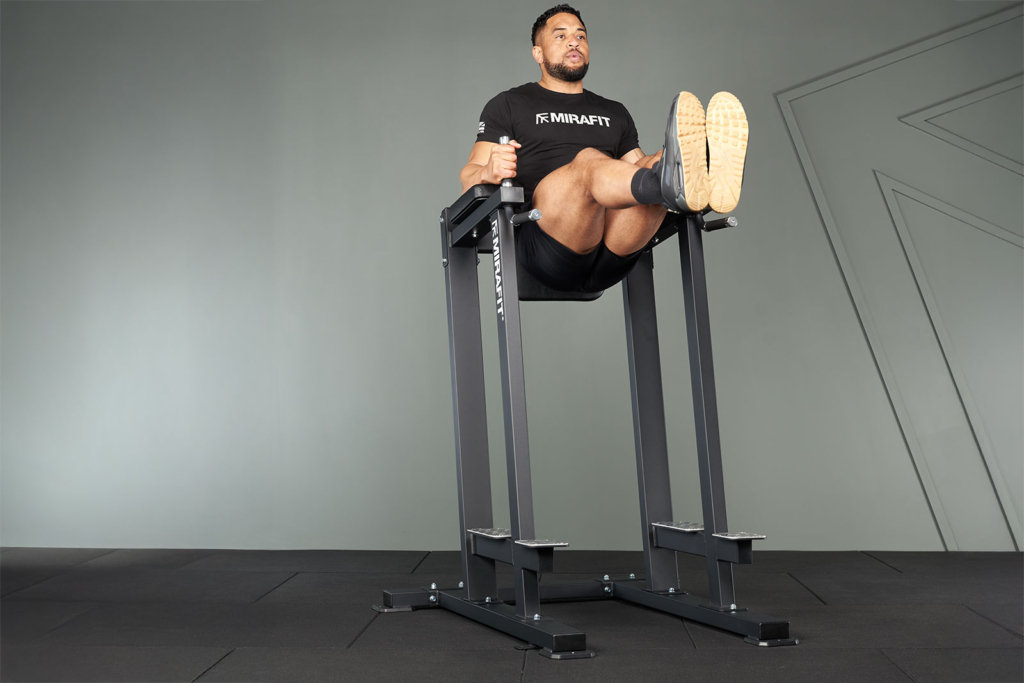
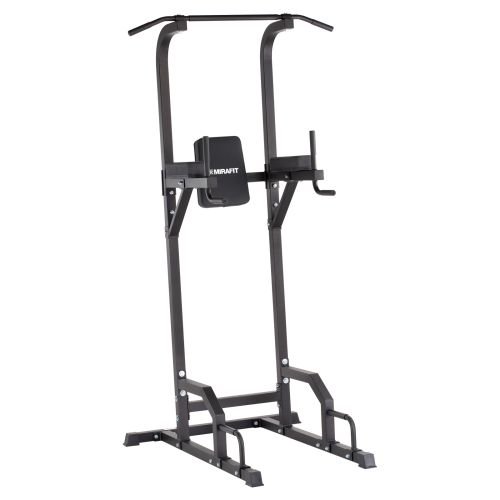
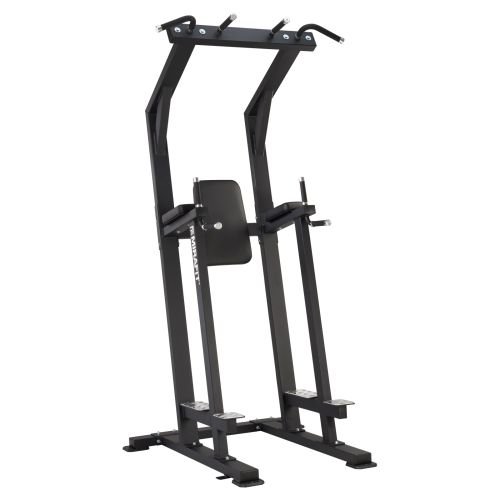
Vertical Knee Raise VKR machines are good for dips and leg raises, and overall body strength. They also have the option of an added pull-up bar for extra upper body workouts.
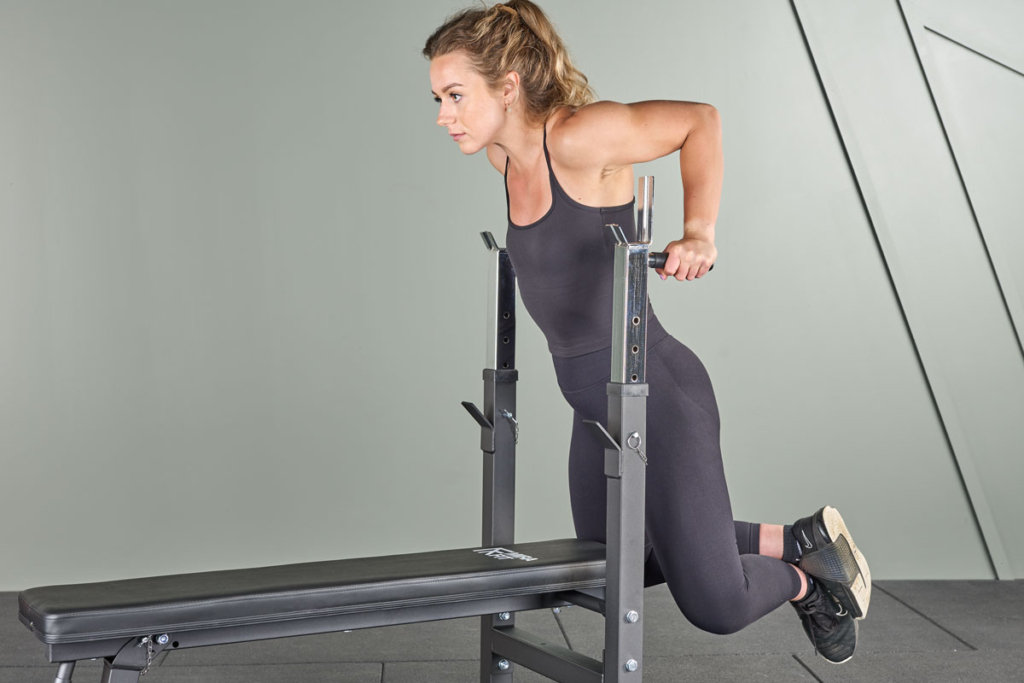
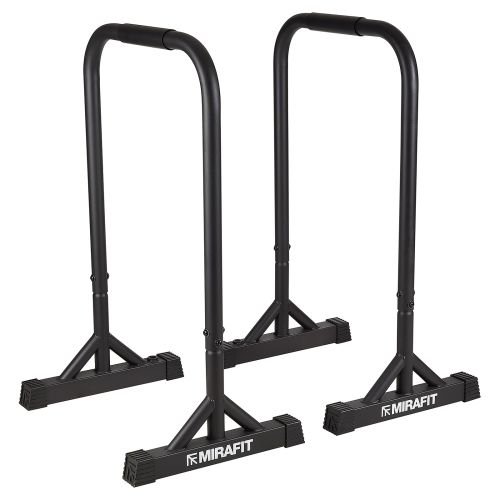
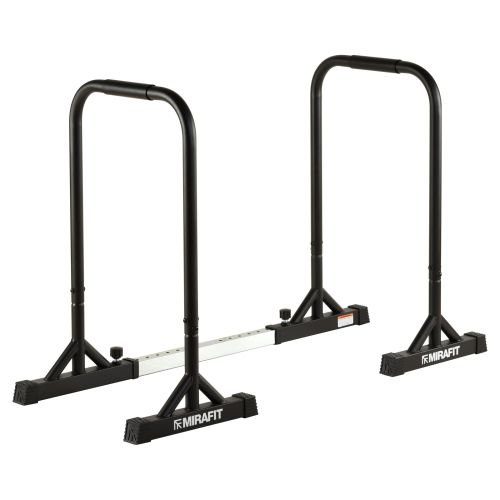
If you have more space available, you could have freestanding bars. You position these individual stands the correct distance apart so you can perform dips between them. They can also be used for inverted rows where you start beneath the bar and lift your bodyweight up, whilst keeping your heels on the ground. Our tall parallettes with adjustable extension bar are a great choice, featuring eight fixed width positions.
Tricep dips are a popular dip bar exercise, but you can also do L-sits, push ups and leg raises with some of our dip bar stations.
Dip bars are versatile strength training equipment used primarily for dips, but they can also be used for exercises such as L-sits, leg raises, press ups, inverted rows and other bodyweight movements. They help develop upper body and core strength, particularly in the chest, shoulders, triceps and abdominal muscles.
Dip bars mainly target the triceps, chest and shoulders. Depending on the exercise, they can also engage your core, back, forearms and lower body. Leaning slightly forward during dips tends to increase chest involvement, while a more upright position places more emphasis on the triceps.
Yes. Dip bars can help build muscle through progressive overload. Beginners can start with bodyweight exercises, while more advanced users can increase difficulty using slower repetitions, harder variations or additional weight.
Yes. Beginners can start with assisted dips, knee raises, incline press ups or static holds before progressing to full dips. Dip bars can be used by all experience levels.
You can use dip bars for L-sits, push ups, inverted rows, knee raises, leg raises, pike press ups, tuck holds and calisthenics progressions. This makes them useful for full-body bodyweight training.
Freestanding dip bars are ideal if you want flexibility and the ability to move equipment around your gym. Rack-mounted dip bars are a good option if you already own a compatible power rack and want to save floor space.
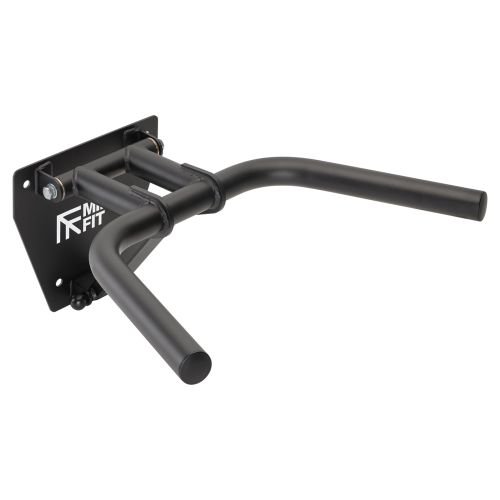
Space requirements depend on the style of dip bar. Freestanding bars need enough room for movement around the equipment, while rack-mounted dip bars use your existing rack footprint and require less additional floor space. If you are short on space, our folding wall mount dip bar may be suitable.
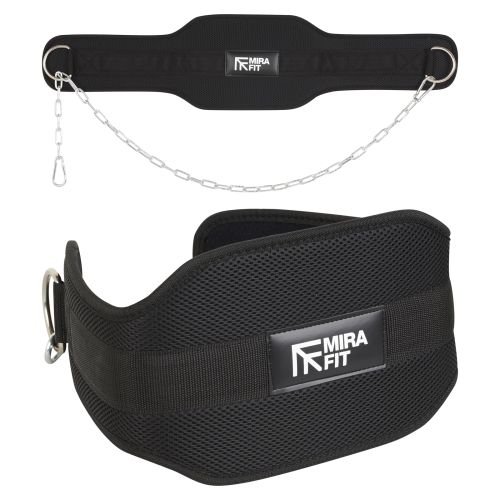
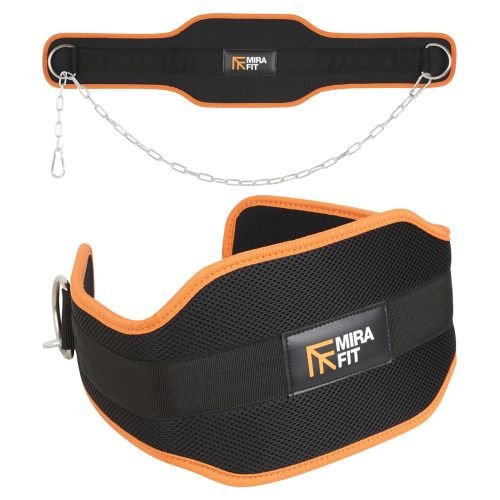
Yes. Once bodyweight dips become easier, many users progress with a weighted vest or dip belt to increase resistance and continue building strength.
Dip bars and press ups serve different purposes. Press ups are a great bodyweight exercise, while dip bars allow a greater range of motion and can place more emphasis on the chest and triceps.
Key things to consider include maximum weight capacity, stability, your available space, your height and whether you want freestanding or rack compatibility.
Yes. Dip bars are widely used in calisthenics because they support progression from beginner movements to advanced exercises such as L-sits, planches and handstand work.
Dip bars are often considered one of the most versatile pieces of home gym equipment because they support multiple exercises while taking up relatively little space.
Dip bars are usually taller and designed for exercises like dips and rows, while parallettes are generally lower to the ground and often used for gymnastics and advanced bodyweight training movements.
Most quality dip bars are designed with a stated maximum user weight. Always check the product's weight limit and ensure the bars are assembled and used according to instructions.